Jun 26, 2026Services Overview
What Is Custom Printing on Apparel?
Custom apparel printing transforms clothing into branded storytelling tools through techniques like screen printing, embroidery, and DTG printing—helping businesses, teams, and creators boost identity
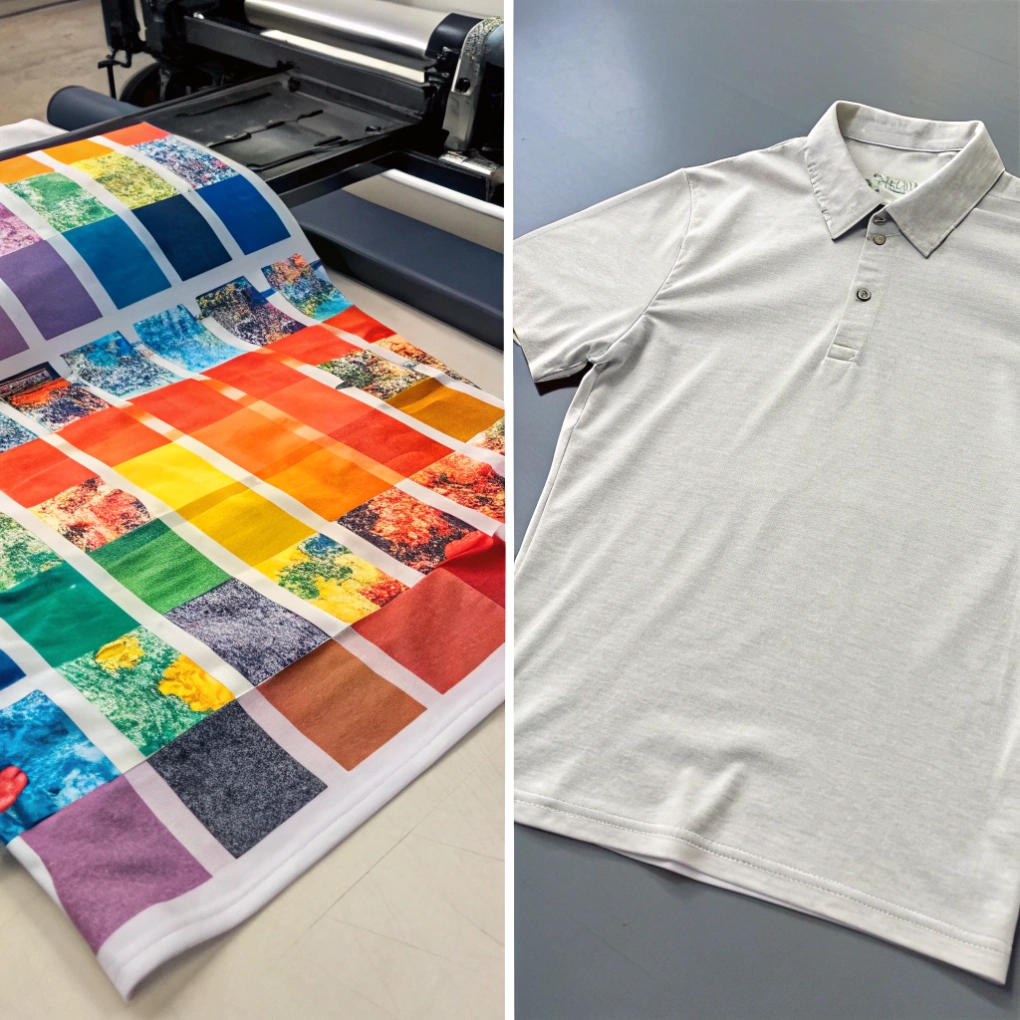
What Is Custom Printing on Apparel?
Struggling to make your team look unified or your brand stand out? Generic clothing feels mass-produced and misses a massive opportunity to share your company's unique story and values.
Custom printing on apparel is the process of applying personalized graphics, logos, text, or artwork onto garments using techniques like screen printing, embroidery, DTG, or DTF. It transforms ordinary clothing into wearable messaging, allowing businesses and individuals to express identity, build team unity, and boost brand visibility.
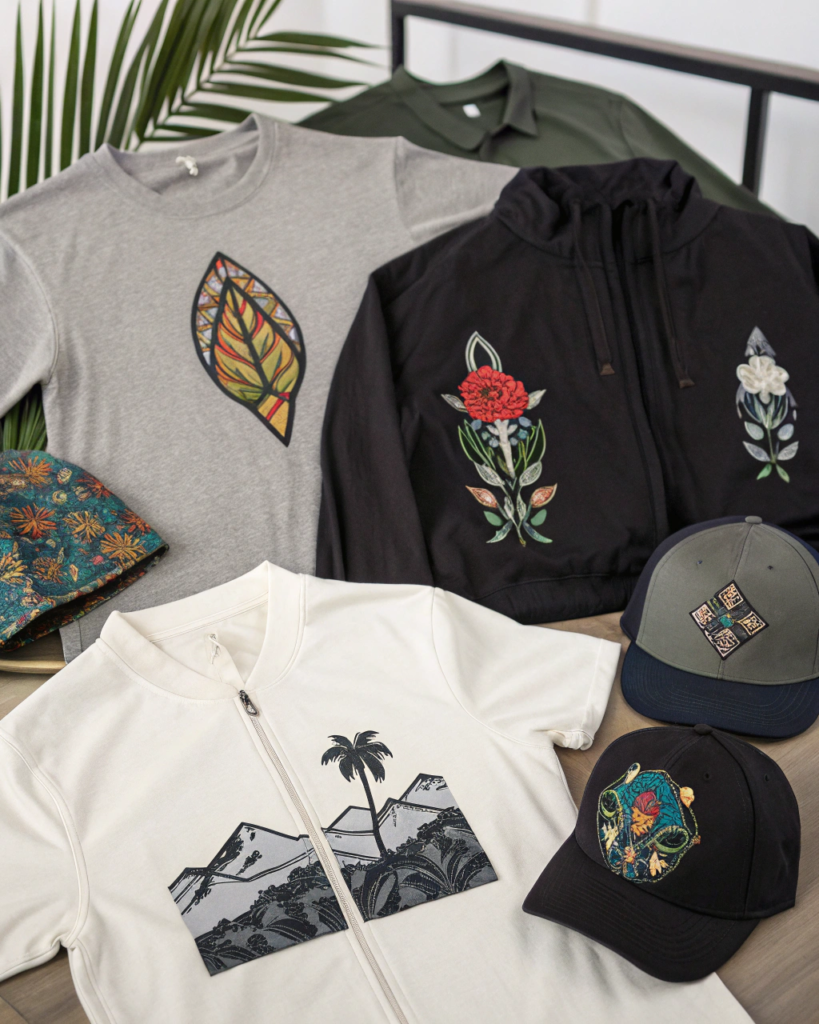
I have spent ten years in the production and printing industry, starting my career on the factory floor. I know firsthand that a printed shirt is never just a piece of cloth. It is a physical handshake and a statement of who you are. When I help clients at Latitude, I see how custom clothing changes the energy of a business. It turns a group of workers into a cohesive team. Let's look at why custom apparel printing is so powerful and how to choose the right method for your project.
What Is Custom Apparel Printing?
Are you confused by all the different terms used by printing shops? Understanding the basics of custom clothing production helps you make better decisions for your company's marketing and budget.
Custom apparel printing refers to the specialized application of unique designs onto blank garments like T-shirts, hoodies, and jackets. This process serves as a bridge between fashion and communication, enabling organizations to create bespoke uniforms, promotional merchandise, or personalized fashion statements.
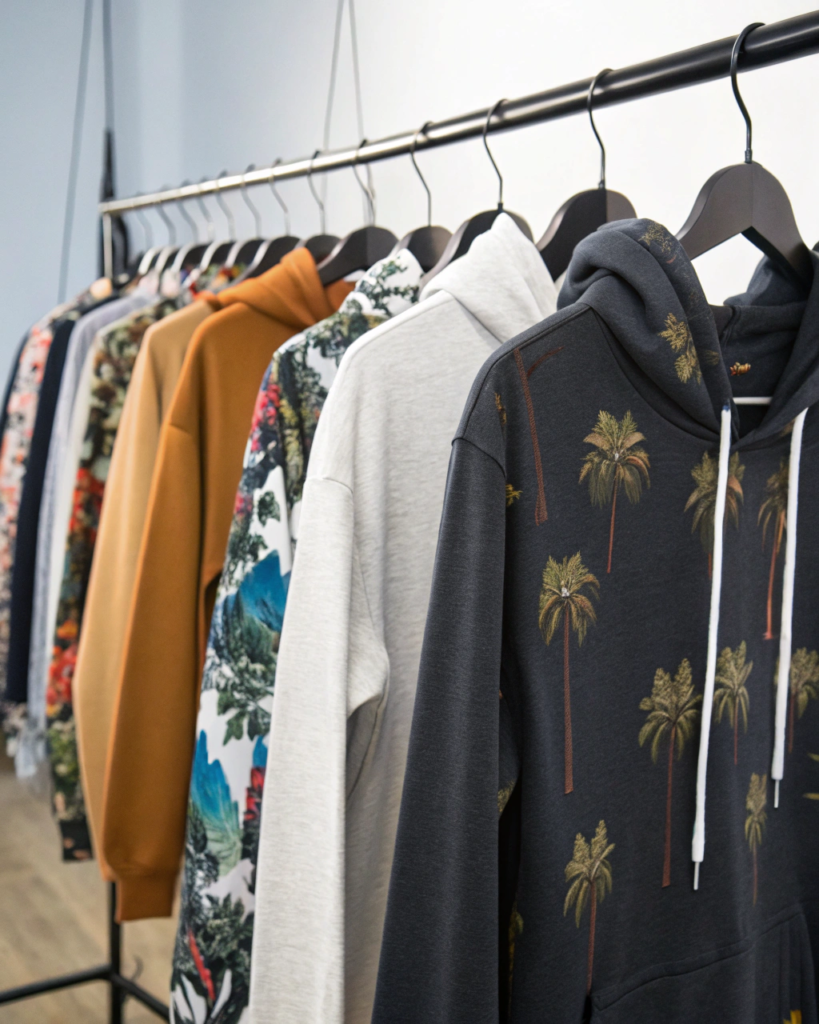
From my perspective in the factory, custom printing is where art meets utility. In the past, only big clothing brands could decide what people wore. Now, anyone can create their own line of clothing or corporate uniforms. This shifts the power to the customer. When I manage design layouts, I always focus on "wearability." If a shirt is uncomfortable or looks like a walking billboard, people will only wear it to sleep. You want a design that looks clean enough for a casual Friday or a client meeting.
The materials you choose matter just as much as the print. A great design on cheap, rough polyester will quickly fail the touch test. I always recommend 100% cotton or premium blends because they hold the ink better and feel soft against the skin. In Singapore's warm weather, breathability is key. A custom uniform needs to look professional but stay comfortable all day long.
Printing Factor | Low-End Apparel | Premium Custom Apparel |
|---|---|---|
Fabric Base | Carded cotton / Thin polyester | Combed cotton / Heavy 12oz canvas |
Ink Durability | Cracks after 5 washes | Fuses with the fabric fibers |
Design Intent | Loud, cheap promotional look | Subtle, retail-quality placement |
User Longevity | Quickly becomes a rag | Kept as a favorite daily garment |
I remember a client who wanted uniforms for a tech conference. They almost went with the cheapest supplier, but I showed them how a premium knit shirt would keep their logo looking sharp all weekend. They chose the better quality, and their staff looked incredible. It proved that your clothing is a direct reflection of your business standards.
What Are the Benefits of Custom Printing?
Are you looking for a cost-effective way to build trust and increase your brand visibility? Custom printing offers long-term benefits that traditional advertising methods simply cannot match.
The benefits of custom printing include increased brand awareness, a professional team image, and enhanced customer loyalty. It acts as a moving advertisement where anyone wearing your apparel shares your brand logo with hundreds of potential clients in their daily lives.
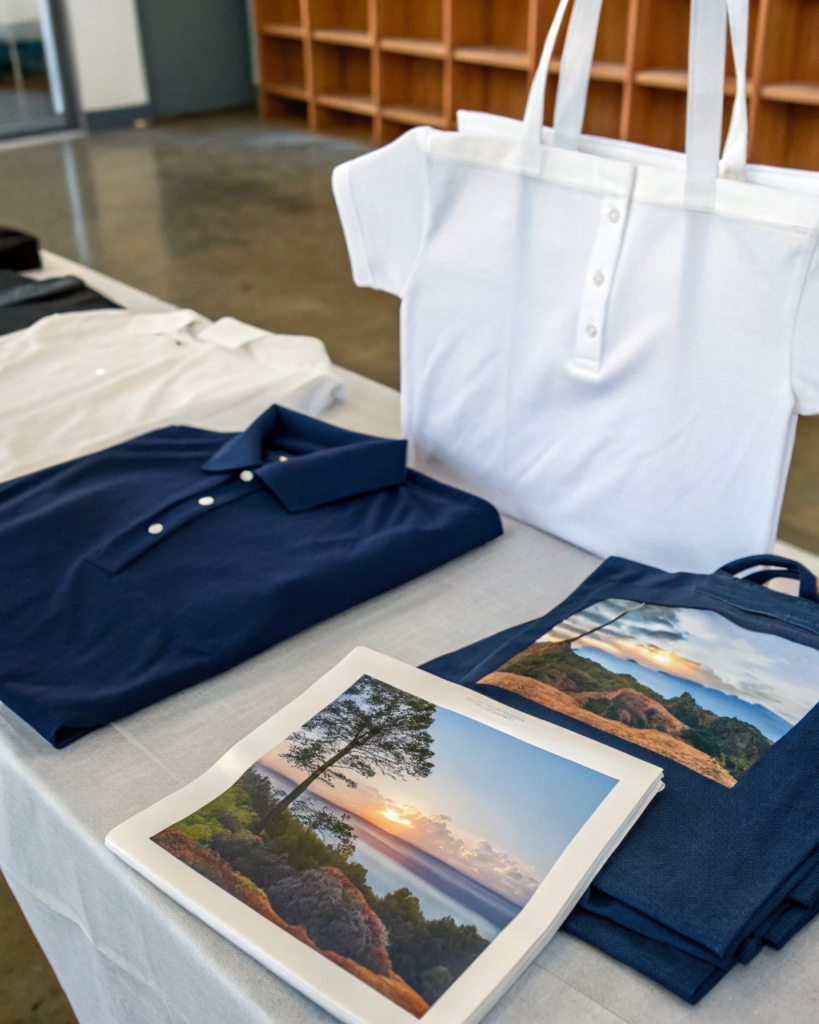
In my branding work, I see custom clothing as a tool for "belonging." When employees wear matching, well-printed apparel, they feel like they are part of a shared mission. It builds immediate trust with customers. Think about it: when a technician walks into your office wearing a clean, branded shirt, you instantly feel safe. It cuts out the friction of proving your professionalism.
Custom printing is also a highly scalable marketing asset. Unlike a digital ad that disappears when your budget runs out, a custom hoodie keeps working for you for years. I still see clients wearing jackets we printed five years ago. The cost-per-impression of a good piece of custom clothing is lower than almost any other marketing tool.
Strategic Benefit | How it Works | Real-World Value |
|---|---|---|
Mobile Branding | Users wear the logo in public | Free daily advertising |
Internal Unity | Staff wear matching designs | Stronger company culture |
Low Entry Cost | Print only what you need | Friendly for small budgets |
High Perceived Value | Looks like a retail product | Raises your brand prestige |
I once managed a project for a fitness brand where we created limited-edition custom t-shirts for their members. The shirts became a badge of honor. Members wore them everywhere, posting photos on social media. It was free marketing that grew the gym's community faster than any paid ad campaign.
Which Is Better, DTF or DTG?
Are you stuck trying to choose between Direct-to-Film (DTF) and Direct-to-Garment (DTG) printing for your next order? Both are modern digital methods, but they serve completely different design needs and fabric types.
DTG is better for 100% cotton garments with complex, multi-colored designs because the ink sinks directly into the fabric for a soft, breathable feel. DTF is better for polyester, nylon, or dark canvas fabrics because it prints a vibrant, durable design onto a film that heat-presses onto almost any material.
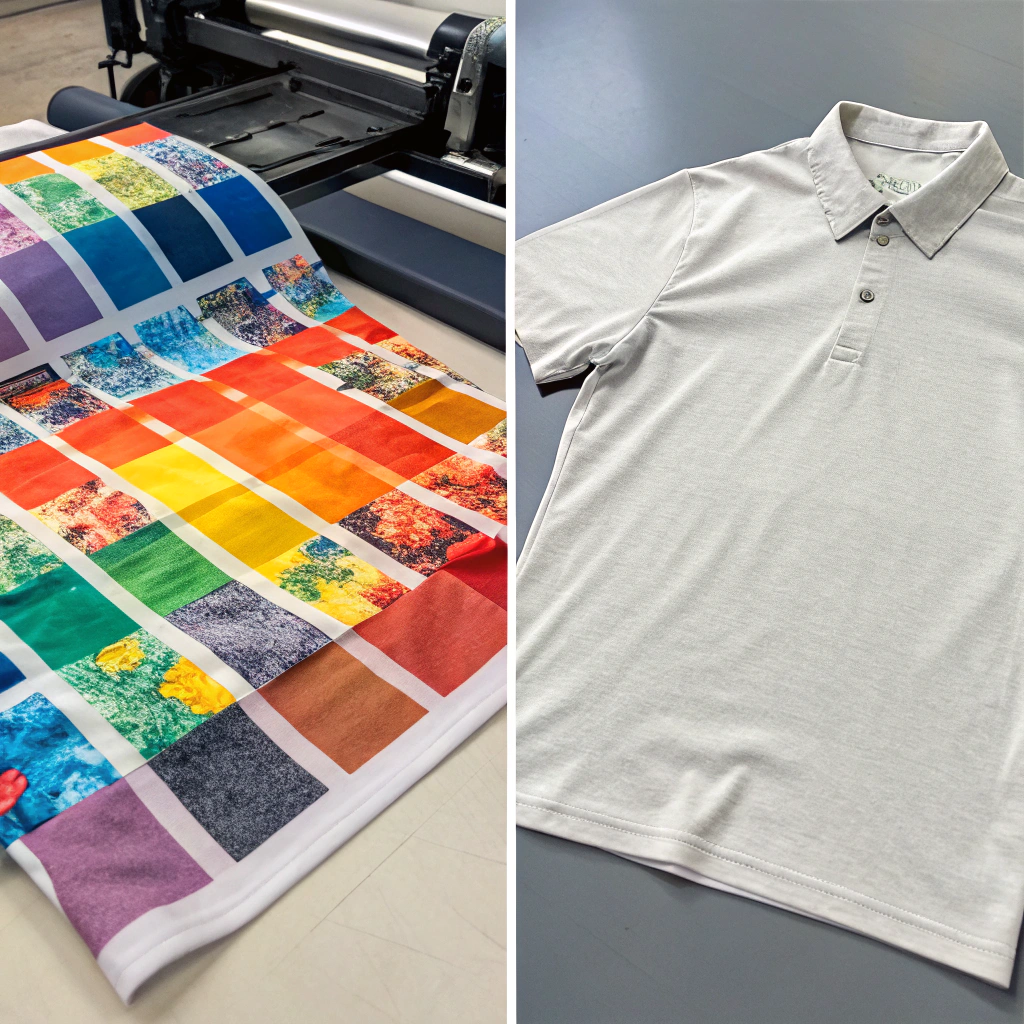
As a print expert, I explain the choice like this: DTG is like printing on a piece of paper—the ink becomes part of the shirt. It feels amazing, but it works best on smooth cotton. DTF is like an advanced sticker that fuses with the fabric under high heat. It is incredibly sharp and colorful, and it doesn't care if the fabric is cotton, polyester, or heavy canvas.
For corporate gifts like custom sports bags or windbreakers, DTF is usually the winner because those items are synthetic. If I am printing a high-end fashion tee, I prefer DTG for that premium, soft-hand texture. My job is to look at your design and your fabric choice, and then point you to the method that will stay vibrant without cracking or peeling over time.
Feature | DTG (Direct-to-Garment) | DTF (Direct-to-Film) |
|---|---|---|
Best Fabric | 100% Cotton | Any material (Nylon, Poly, Canvas) |
Texture | Ultra-soft, no feel | Smooth plastic-like layer |
Color Vibrancy | Soft, vintage look on darks | High contrast, bright pops |
Durability | High (fades naturally) | Very High (stretches with fabric) |
I recall a complex order for a shipping company that needed logos on heavy canvas work bags. DTG would have looked faded on that rough texture, so we used DTF. The prints came out incredibly bright, and the rugged bags went straight to work without any peeling issues. It proved that matching the right technology to the right material is the secret to a successful product.
Conclusion
Custom printing on apparel transforms ordinary clothing into a powerful channel for identity and team pride. By understanding the benefits and choosing between modern methods like DTF and DTG, you can create high-quality, long-lasting gear that elevates your brand story.