Aug 24, 2026News & Insights
What Is the Best Baseball Cap Material for Your Custom Branding?
Custom baseball caps combine cotton, polyester, nylon, and blends, with quality materials and construction ensuring comfort, durability, and effective branding.
What Is the Best Baseball Cap Material for Your Custom Branding?
Do your custom branded caps sit forgotten in closets because they feel scratchy and uncomfortable? Poor fabric choices ruin great designs and waste your marketing budget on unwearable swag.
Baseball caps are primarily made from cotton, polyester, nylon, and blended fabrics, with cotton providing soft casual comfort, polyester offering sweat-wicking athletic durability, and nylon delivering lightweight weather protection for outdoor gear.
When I worked on the printing factory floor years ago, clients often focused only on front logo colors while ignoring fabric choices. Let us break down how baseball cap materials work so you can pick the right build for your audience.
What Material Are Baseball Caps Made Of?
Do you struggle to pick the right cap fabric because every supplier catalog lists so many synthetic and natural choices? Choosing the wrong material can leave your recipients hot, sweaty, and annoyed.
Baseball caps are made of cotton, polyester, nylon, wool, and blended twills, with each specific fabric offering distinct benefits for daily casual comfort, sports performance, weather protection, and custom embroidery stability.
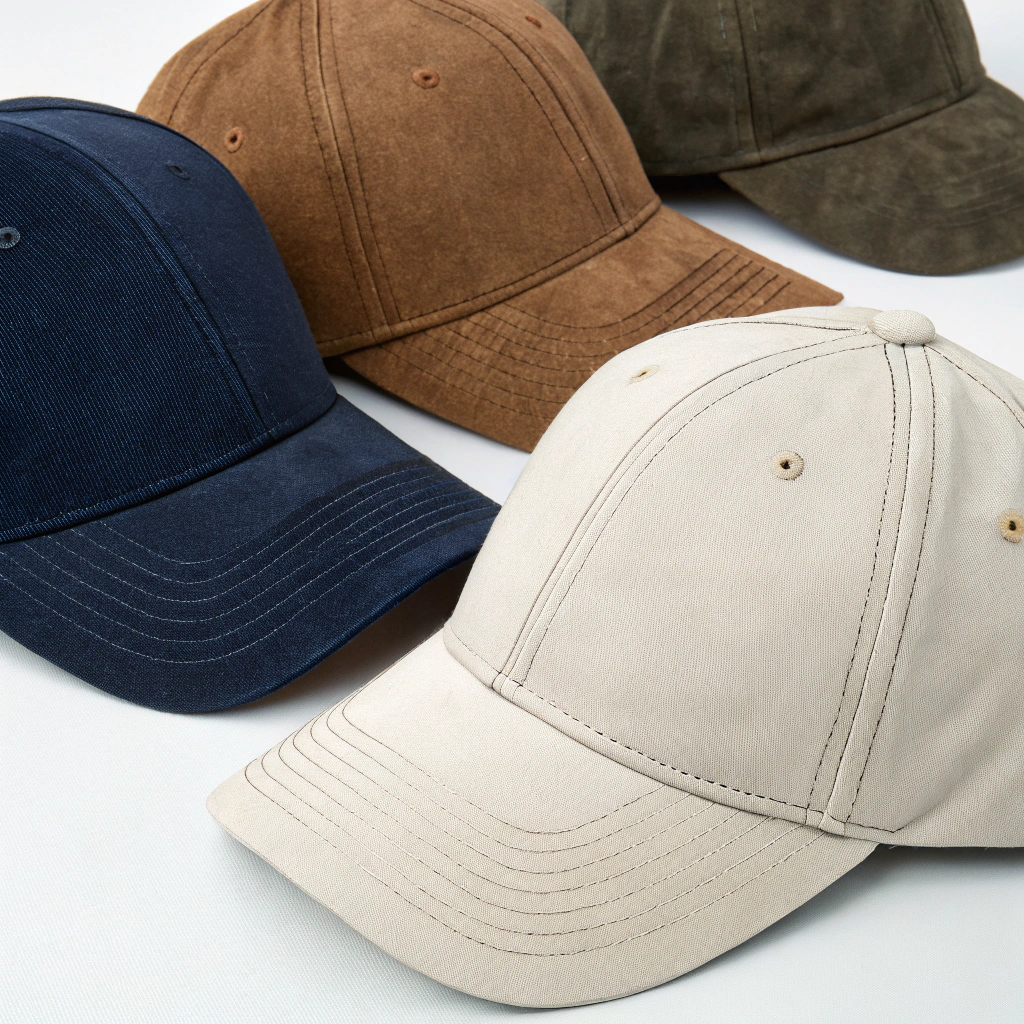
Comparing Main Cap Fabrics
In my experience, many buyers look at style first and fabric second. That is backwards. The design only determines how the cap looks on day one. The material determines how the cap feels, performs, and lasts over months of wear.
Polyester works best when performance and moisture control matter most. It is light, resists wrinkles, and handles sweat well during active outdoor events. Nylon is great for travel and running caps because it resists tears while remaining very light. Blended fabrics, like cotton-poly twill, combine the softness of natural fibers with the strength of synthetics.
Material Type | Key Characteristics | Best Use Case | Decoration Compatibility |
|---|---|---|---|
100% Cotton Twill | Soft, breathable, natural texture | Casual daily wear, corporate lifestyle | 3D embroidery, flat stitching, woven patches |
100% Polyester | Moisture-wicking, fast drying, durable | Sports teams, outdoor marathons | Screen printing, heat transfer, silicone badges |
Performance Nylon | Ultra-light, water-repellent, tear-resistant | Hiking, trail running, travel | Flat embroidery, laser-cut heat seal patches |
Cotton-Poly Blend | Balanced comfort, shape-retentive, tough | Uniforms, high-volume giveaways | Standard embroidery, printed patches |
Are Baseball Caps Made Out of Cotton?
Are you worried that a cotton baseball cap might trap sweat and lose its neat shape after heavy use? Pure cotton caps feel soft on skin, but they might not suit high-sweat athletic events.
Yes, many baseball caps are made out of 100% cotton or cotton canvas because cotton offers high breathability, natural skin comfort, and a stable surface for detailed embroidery, though it absorbs sweat in humid weather.
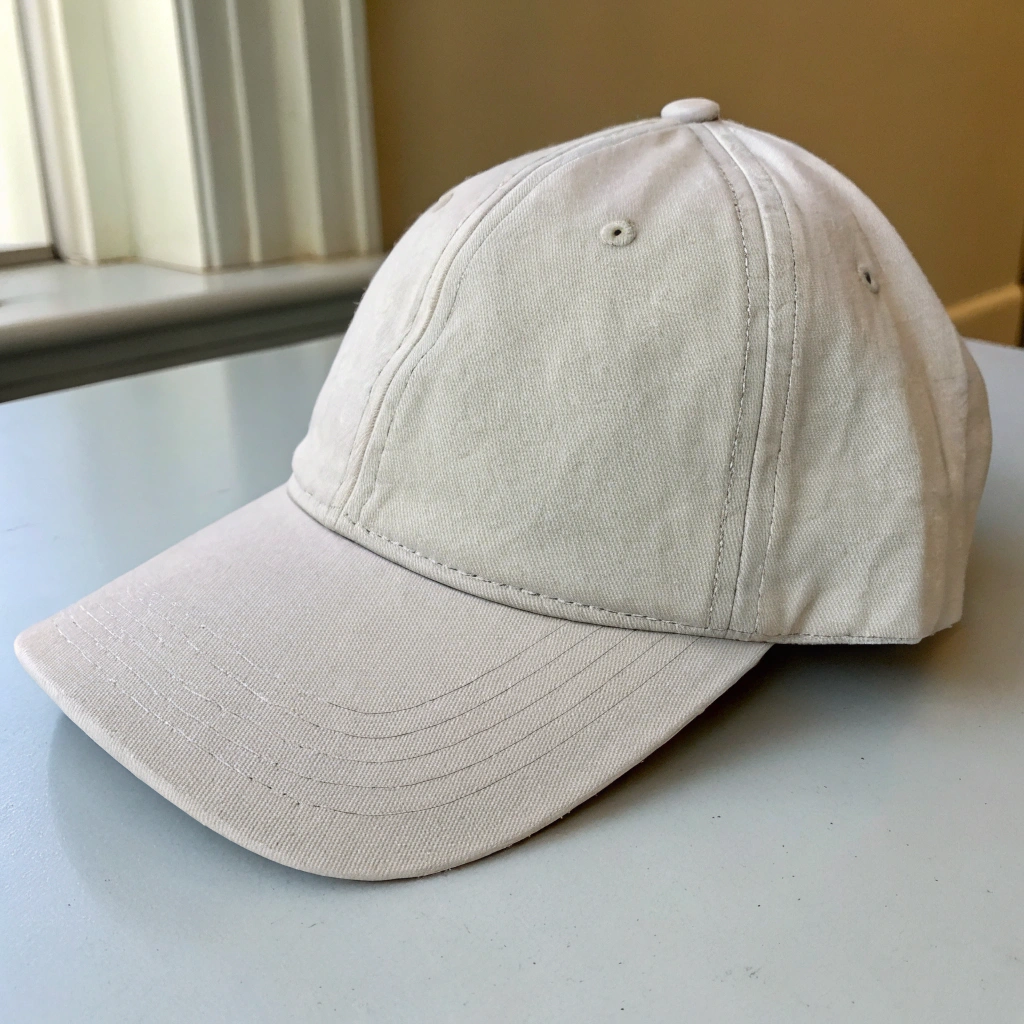
The Benefits and Limits of Cotton Caps
I often recommend heavy cotton twill or cotton canvas to marketing managers like Jacky when they need premium corporate lifestyle caps. Cotton has a classic matte finish and holds its shape well across structured front panels. This makes it an ideal base for thick 3D embroidery and corporate branding.
However, pure cotton absorbs water and takes time to dry. If your team works under direct sun or plays intense sports, cotton will absorb sweat and may develop salt stains over time. For hot and humid conditions, I advise using cotton panels on the front with a breathable polyester mesh back to keep the wearer cool.
Cotton Construction | Fabric Weight | Primary Advantage | Main Limitation |
|---|---|---|---|
Heavy Cotton Canvas | 280-320 gsm | Holds rigid shape, supports heavy embroidery | Feels warm in hot weather |
Washed Cotton Twill | 200-240 gsm | Soft vintage feel, zero break-in time needed | Less structural rigidity |
Cotton-Mesh Trucker | Variable | Excellent back-of-head ventilation | Casual look, not for formal business |
What Makes a Good Quality Cap?
Have you ever received a cheap promotional cap that felt stiff, pinched your temples, and gave you a headache? Cheap construction causes caps to end up in the trash, destroying your promotional investment.
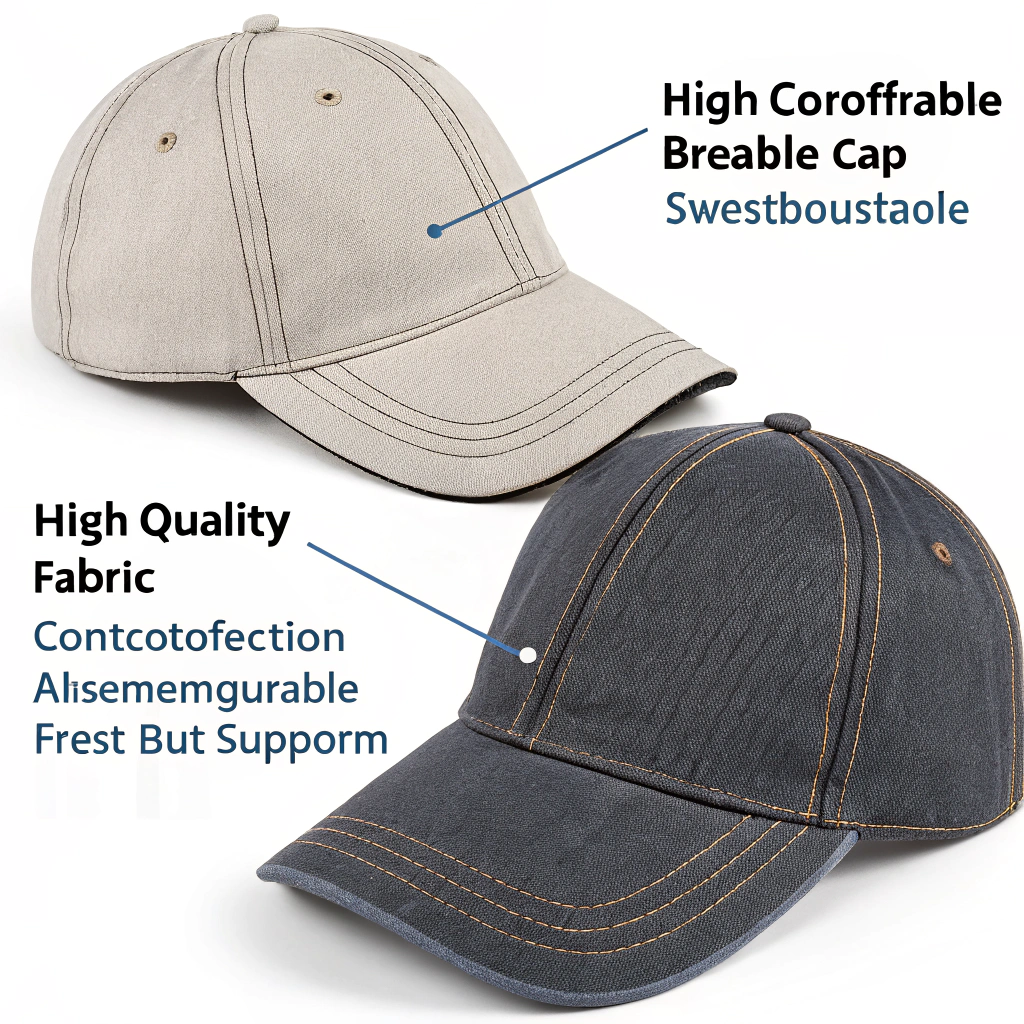
A good quality cap combines breathable fabric, durable six-row brim stitching, a moisture-absorbing inner sweatband, sturdy buckram panel support, and an adjustable, rust-free closure that provides a comfortable all-day fit.
Key Details in Cap Construction
A strong cap is never just about the main exterior fabric. When I evaluate headwear quality for corporate clients, I inspect the internal sweatband and the crown structure first. A cap can use expensive outer fabric, but it will still fail if the sweatband scratches the forehead or traps heat.
For corporate gifts, the best promotional cap is one that people would gladly wear even without your company logo on it. You must check the crown panels, the ventilation eyelets, and the rear buckle. Metal slide buckles and clean strap closures always look more professional than cheap plastic snap tabs.
Cap Component | Standard / Cheap Build | Premium Quality Build | Impact on Wearer |
|---|---|---|---|
Inner Sweatband | Thin single-layer polyester | Padded cotton or quick-dry anti-odor band | Stops forehead irritation and absorbs sweat |
Crown Structure | Weak plastic mesh backing | Fused double-buckram cotton lining | Keeps front logo upright and wrinkle-free |
Visor / Brim | Cardboard insert | High-density polyethylene (HDPE) core | Maintains clean curve and survives rain |
Rear Closure | Fragile plastic snaps | Embossed metal buckle with tuck-in strap | Delivers sleek look and flexible sizing |
Conclusion
Select baseball cap materials that fit your audience’s daily habits, balance comfort with durability, and invest in solid interior construction to create branded headwear people love to wear.