News & Insights
What Is the Best Bullet Journal Spread You Have Ever Made?
The best bullet journal spread balances weekly priorities, daily energy, and flexible planning in a durable, high-quality notebook.
What Is the Best Bullet Journal Spread You Have Ever Made?
Many people spend hours drawing intricate bullet journal spreads, only to abandon them a few days later. You build elaborate mood trackers and decorative calendars that look stunning on social media, yet fail to make your busy daily schedule any easier. You can solve this planning trap by building a practical, utility-first layout.
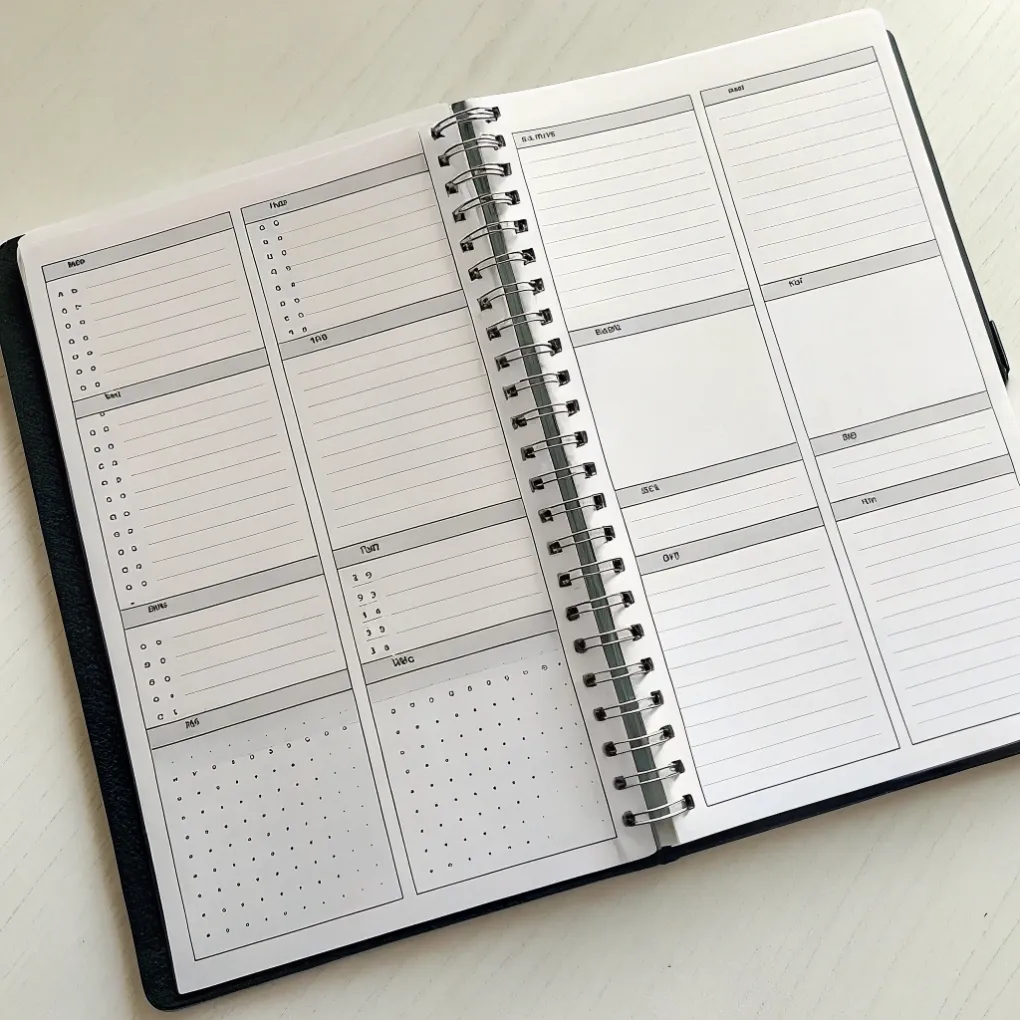
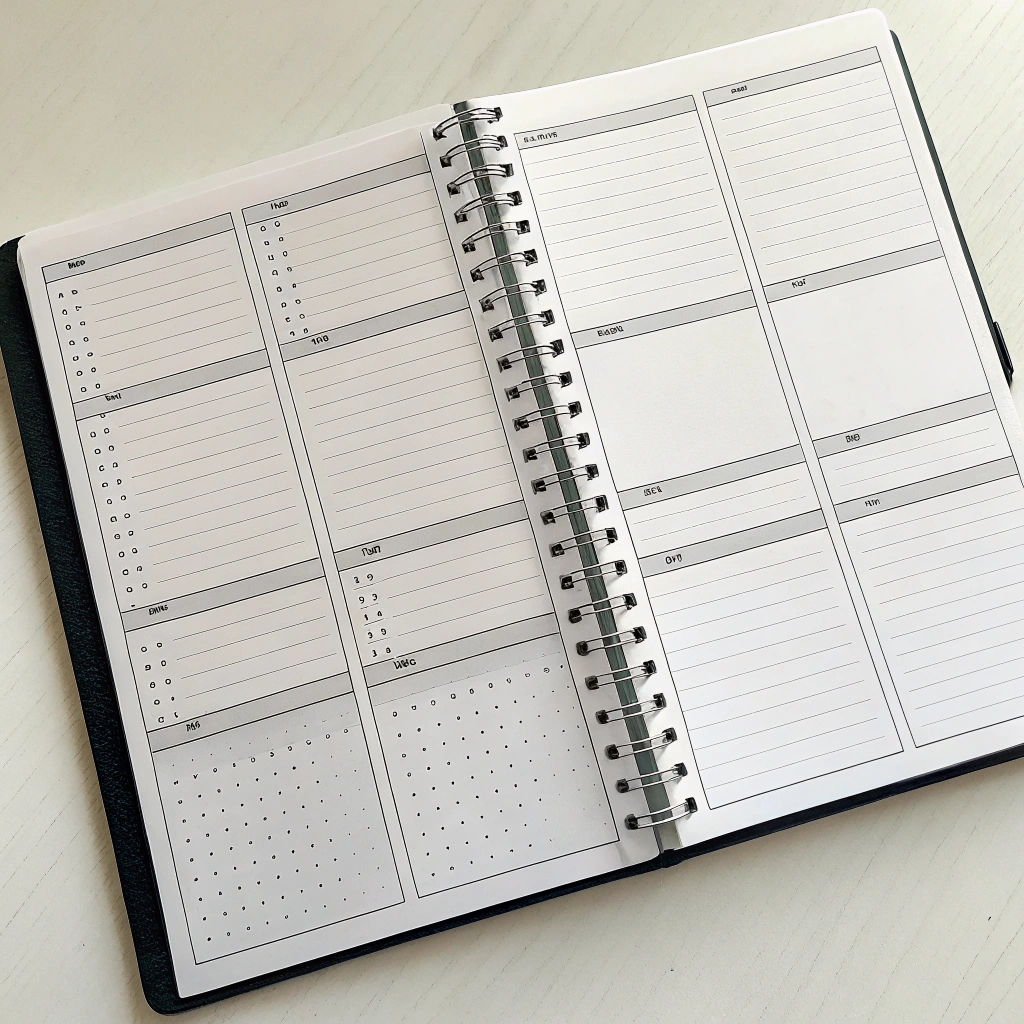
The best bullet journal spread is the Weekly Energy & Priority Spread. It combines a 7-day calendar, 3 core weekly outcomes, a task parking lot, a daily 1-5 energy tracker, and a weekly reflection box to match your planning with your actual physical and mental capacity.
I spent my early career on printing factory floors inspecting paper thickness, notebook bindings, and journal finishing before founding Latitude Experience. I saw how physical stationery shapes daily human habits. Marketing managers like Jacky in Singapore often ask me for practical productivity tools and customized notebooks to keep their busy teams organized. I wrote this guide to share my absolute favorite bullet journal layout and show you how to build a functional, stress-free planning routine.
What Are Some Ideas for Spreads in a Bullet Journal?
Stepping into bullet journaling without clear ideas can leave you staring at blank pages in confusion. Copying overly complex layouts from creative blogs often leads to burnout when you realize you lack the time to maintain them. You can pick functional spreads that solve real daily problems.
Top bullet journal spread ideas include monthly master calendars, weekly energy and priority layouts, habit trackers for daily routines, expense logs, book reading lists, and mental brain-dump pages for clearing stress.
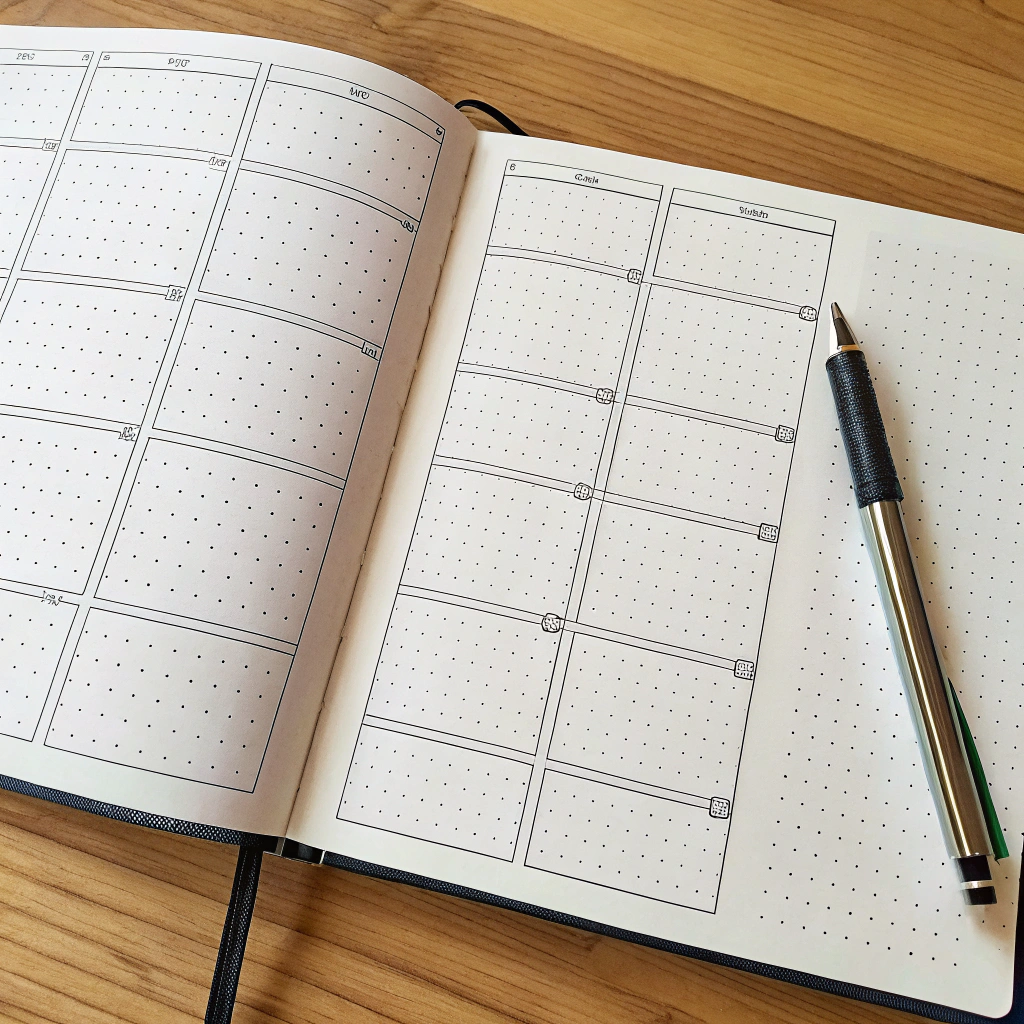
My factory production background taught me that form must always follow function. When Jacky organizes his weekly tasks, he does not need artistic watercolor drawings; he needs a clear view of deadlines and priorities. A monthly overview spread helps you capture big project deadlines without getting lost in daily micro-tasks. Habit trackers monitor repetitive routines like drinking water or exercising. Brain dump pages give you a safe space to unload unorganized thoughts when work gets overwhelming. Starting with a few foundational layouts prevents notebook fatigue and keeps your planning sustainable.
Essential Bullet Journal Spreads Comparison
Spread Type | Primary Structural Purpose | Best Practical Application | Recommended Frequency |
|---|---|---|---|
Monthly Overview | Tracks big dates, project milestones, and deadlines | Long-term schedule visibility | Once per month |
Weekly Energy Spread | Balances task lists with daily energy levels | Managing work output without burnout | Once per week |
Habit Tracker | Monitors consistent daily personal routines | Building fitness or hydration habits | Monthly or weekly |
Brain Dump Page | Clears mental clutter and unorganized ideas | Processing sudden project stress | As needed |
I always recommend thread-sewn A5 notebooks with 120 GSM paper for bullet journaling. Good paper prevents ink ghosting and ensures your spreads survive daily bag travel.
Is Bujo Good for ADHD?
Traditional planners often overwhelm neurodivergent individuals with rigid grids and endless task lists. Staring at a massive wall of unorganized tasks can trigger executive dysfunction and task avoidance. You can adapt bullet journaling to support neurodivergent minds effectively.
Yes, bullet journaling is exceptionally good for ADHD because its blank-page flexibility allows for rapid logging, externalizing working memory, breaking large projects into tiny steps, and adapting layouts as your focus needs change.
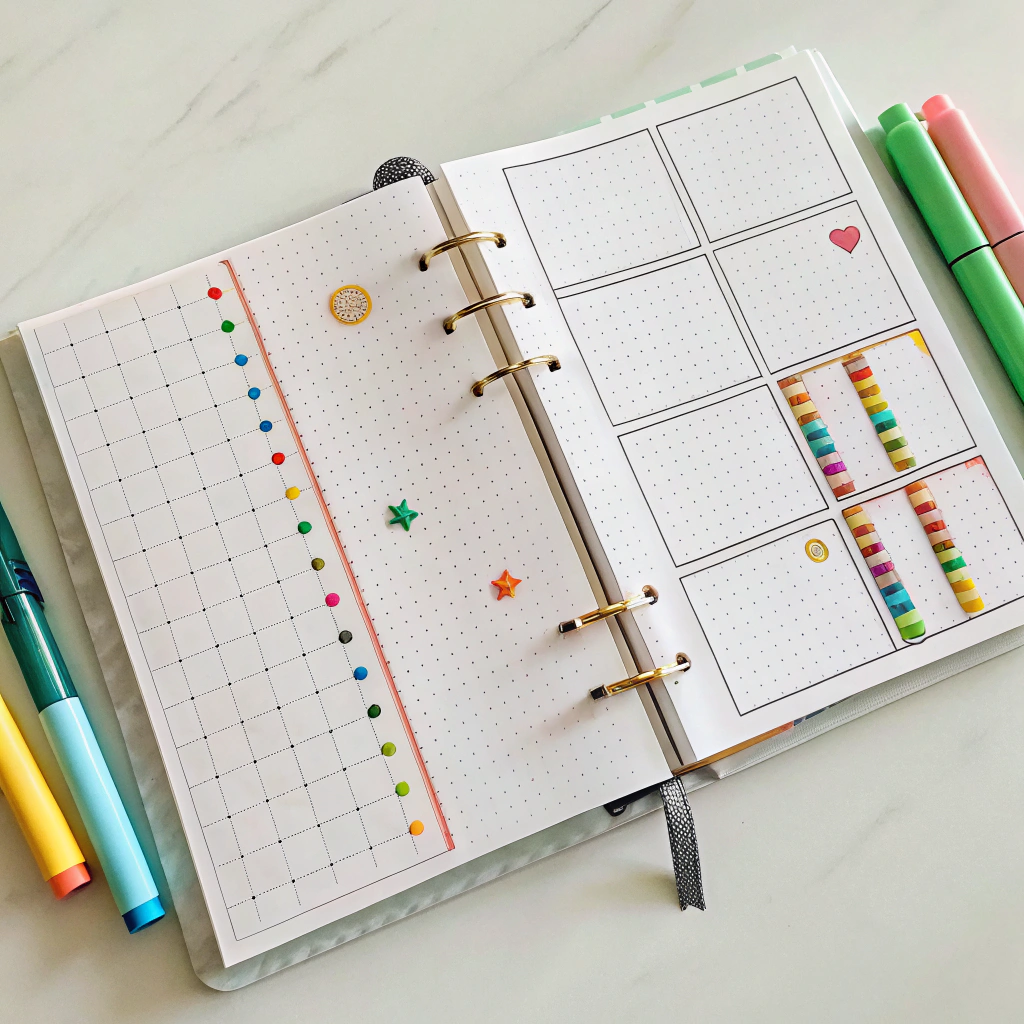
During my years producing custom stationery, I learned that rigid planners fail people who think non-linearly. Standard planners force you into pre-printed boxes that do not match how your brain processes time. Bullet journaling acts as an external hard drive for your working memory. If you get distracted, you can drop a task into a rapid daily log without ruining a rigid schedule. Using color-coded symbols and energy tracking helps you spot hyperfixation loops and energy crashes before you burn out. The key for ADHD management is keeping your spreads forgiving, flexible, and completely free of artificial aesthetic perfectionism.
Bujo Adaptations for Neurodivergent Focus
ADHD Challenge | Traditional Planner Flaw | Bullet Journal Solution |
|---|---|---|
Time Blindness | Rigid hourly grids that ignore real energy | Energy tracking columns matching tasks to capacity |
Task Paralysis | Overwhelming lists of fifty small chores | “Top 3 Priorities” section filtering core actions |
Boredom Burnout | Monotonous layouts that lose attention | Flexible spread redesigns every single week |
I design my personal journals to be forgiving. Missing three days of logging should never make you feel like you failed your planning system.
What Is the Highest Quality Journal?
Buying cheap notebooks with flimsy paper and weak bindings ruins the journaling experience instantly. Farcical paper quality causes fountain pen ink to bleed straight through to the opposite side, rendering your pages unusable. You can invest in durable writing tools by recognizing key paper standards.
The highest quality journals feature 120 to 160 GSM thick paper, durable Smyth-sewn lay-flat bindings, vegan leather or cloth hardcovers, numbered pages, and acid-free archival paper.
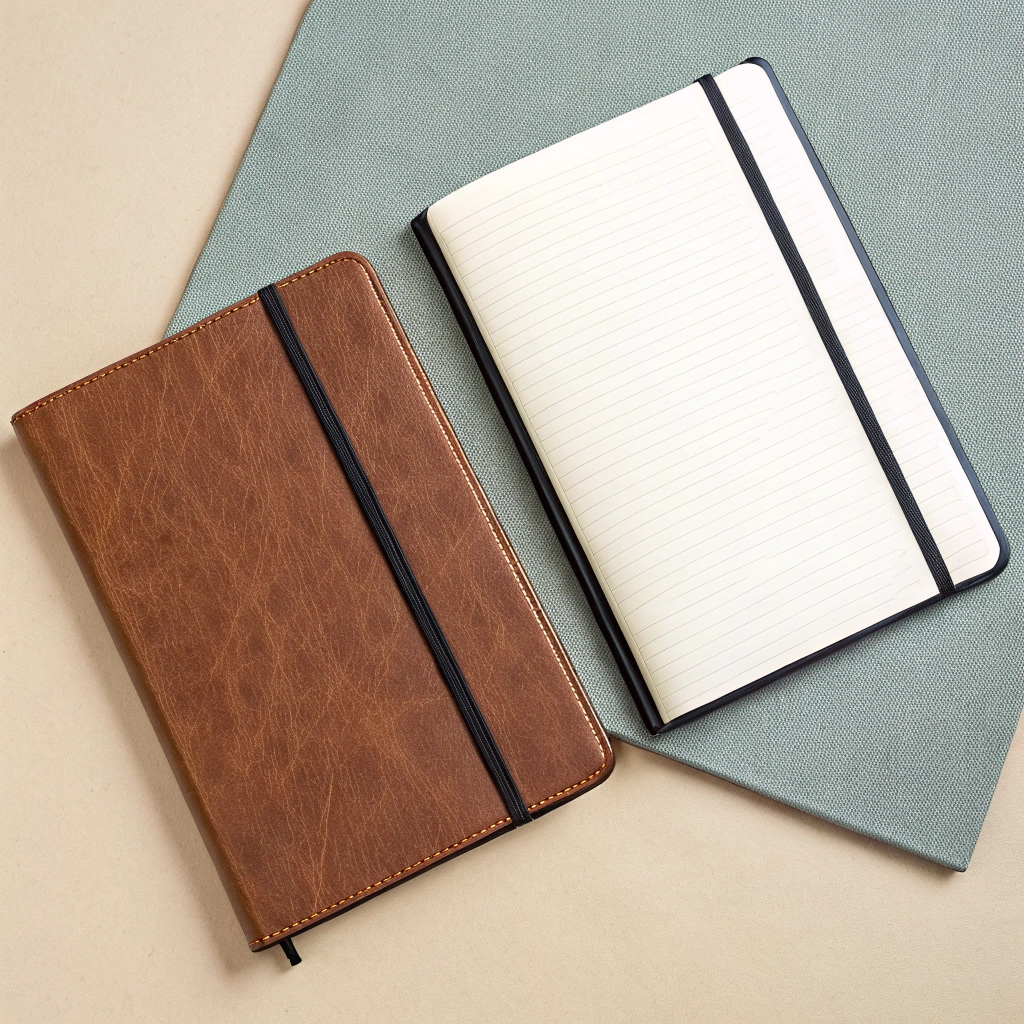
My manufacturing background gives me a strict eye for bookbinding standards. A cheap glued paperback notebook snaps along the spine within weeks of daily desk opening. In contrast, a Smyth-sewn binding stitches signatures together with thread, allowing the book to lay completely flat on your desk without cracking the spine. Paper weight also dictates your pen choices. While 80 GSM paper handles standard ballpoints, 120 GSM to 160 GSM paper lets you use wet fountain pens, brush markers, and highlighters without ghosting. When choosing a journal, look for archival-grade acid-free paper so your thoughts survive for decades.
Journal Quality Benchmarks
Quality Indicator | Low-Quality Notebook | Premium High-Quality Journal | Why It Matters |
|---|---|---|---|
Binding Type | Glued spine (Perfect binding) | Smyth-sewn thread binding | Allows notebook to lay flat; prevents loose pages |
Paper Weight | 70–90 GSM (Thin copy paper) | 120–160 GSM (Heavy cardstock feel) | Stops ink bleed-through and ghosting |
Cover Material | Thin laminated card stock | Durable cloth or thick vegan leather | Withstands daily drops and backpack wear |
I inspect sample notebooks at Latitude Experience by testing how flat the center pages sit under hand pressure. True lay-flat bindings make writing effortless across both page edges.
Conclusion
The best bullet journal spread combines weekly tasks with energy tracking and clear priorities, and choosing a high-quality Smyth-sewn notebook ensures your planning system remains durable and effective.