Jul 8, 2026Success Stories
What Is the Best Enamel to Use for Pins?
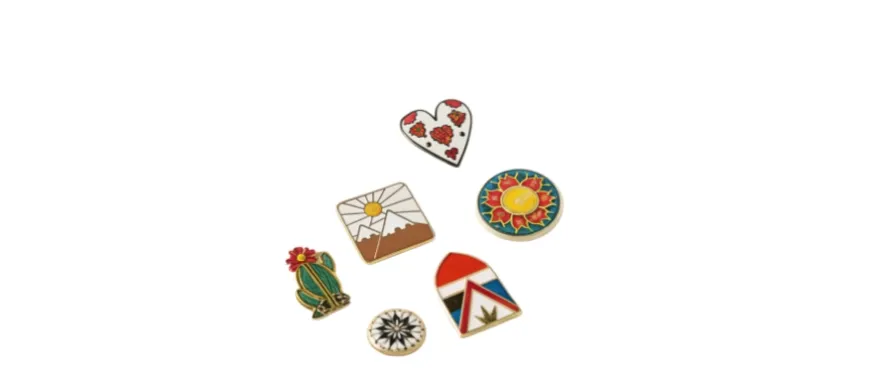
The best enamel for pins depends on the desired finish, with hard enamel offering a smooth, premium look and soft enamel providing textured detail, vibrant colors, and lower production costs.
What Is the Best Enamel to Use for Pins?
At first glance, custom enamel pins seem like simple decorative accessories. They are small, affordable, and easy to produce. Yet from my perspective, their enduring popularity comes from something much deeper: enamel pins allow people and brands to communicate identity, belonging, and values in a highly visible but non-intrusive way.
The best enamel to use for pins depends on your design goals: hard enamel is best for a premium, durable, jewelry-like finish, while soft enamel is best for detailed artwork, textured designs, and budget-friendly production.
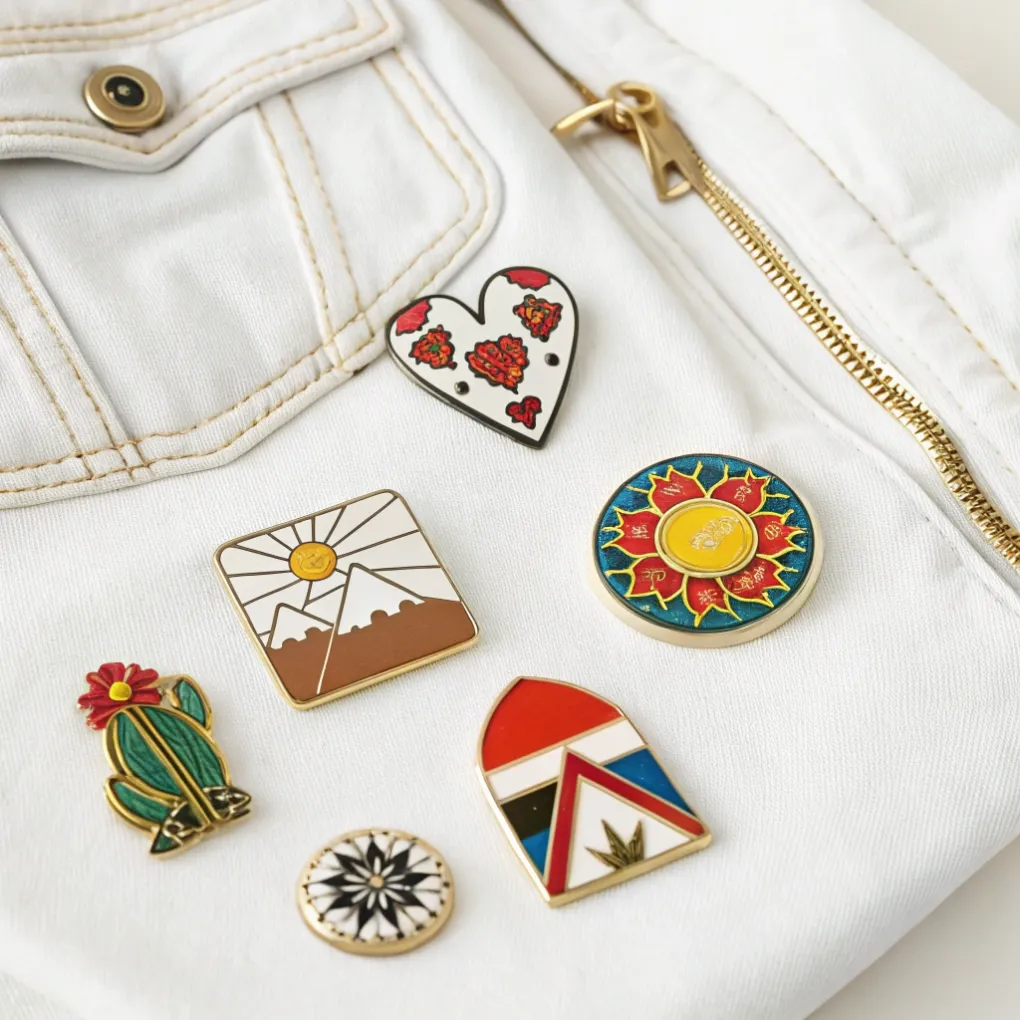
Unlike many promotional products that exist primarily for utility, enamel pins function as symbols. A well-designed pin can represent a company culture, a community, a personal achievement, a creative movement, or even a shared sense of humor. Because of their size, pins force designers to distill an idea into its most recognizable form. This simplicity often makes the message more memorable than larger, more complex marketing materials.
What makes custom enamel pins particularly effective is their balance between collectibility and self-expression. People rarely wear pins because they need them; they wear them because they want to communicate something about themselves. Whether attached to backpacks, jackets, hats, or tote bags, pins become small visual statements that invite conversation without demanding attention.
Many businesses underestimate this emotional aspect. They treat custom enamel pins as inexpensive giveaways, focusing mainly on logo placement. However, the most successful pins are not advertisements—they are objects people genuinely want to keep. A creative design, meaningful story, or connection to a community often generates far more engagement than a logo alone. When a pin feels collectible rather than promotional, it gains lasting value.
There is also an interesting contrast between enamel pins and modern digital branding. Much of today's communication happens through screens, where content is constantly replaced and forgotten. Enamel pins offer a physical, tangible experience. They create a sense of permanence that digital interactions often lack. A pin collected years ago can still evoke memories, affiliations, and experiences long after a social media post has disappeared.
Another reason custom enamel pins remain relevant is accessibility. Unlike expensive merchandise, pins allow organizations, artists, nonprofits, and small businesses to create branded products without significant cost barriers. This makes them powerful tools for community building as well as marketing.
My take is that custom enamel pins succeed because they transform branding into belonging. They are not simply accessories; they are miniature symbols of identity, connection, and shared experiences. And in a world increasingly saturated with digital noise, small physical objects that carry genuine meaning often create the strongest and most lasting impressions.
Why Are Custom Enamel Pins So Expensive?
When buyers look at a tiny piece of decorated metal, they often experience sticker shock when reviewing initial bulk pricing. If you only look at the physical size of the product, you might think the manufacturing costs are heavily inflated.
Custom enamel pins are expensive because they require a custom-engraved steel mold for every design, and the coloring process involves painstaking, manual hand-filling of individual paint cells.
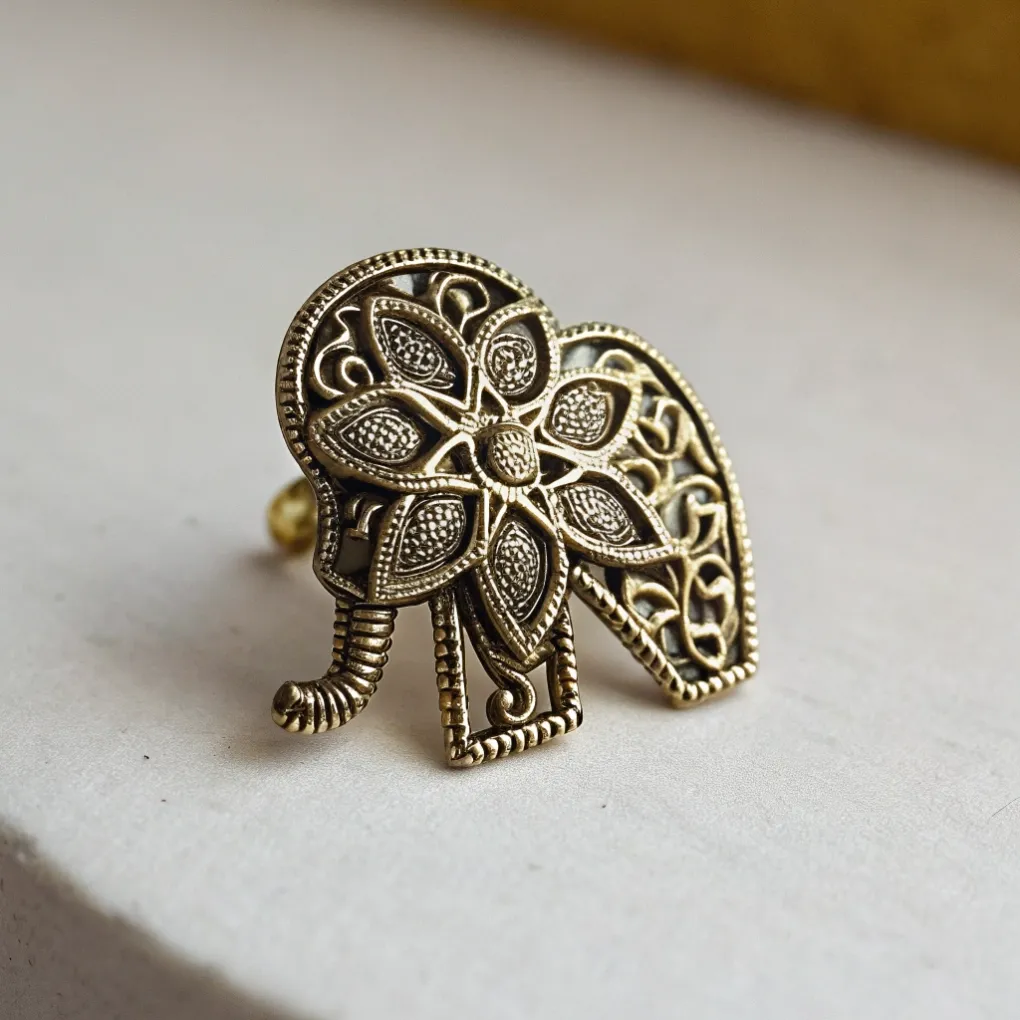
When I worked in production design, I saw firsthand how much labor goes into small custom items. People do not realize that every pin design requires a brand new industrial mold. A machine must carve your exact graphic line work into a solid block of steel. This setup step creates a high initial fixed cost, which means ordering just a few pieces makes each individual pin very pricey.
Furthermore, the coloring stage is not automated by high-speed printers. Real human workers sit at factory benches using specialized syringes to inject liquid colored enamel into the tiny metal cavities one by one. If your design has seven colors, a worker must fill seven separate cells by hand, bake the pin in an industrial oven to harden the material, and then polish the surface. This heavy reliance on human skill and manual labor drives the production cost up.
Production Step | Labor Type | Cost Impact | Why It Matters |
|---|---|---|---|
Mold Creation | Machine + CNC Engineering | High Fixed Cost | One-time fee to stamp your unique metal base shape |
Color Enameling | 100% Manual Hand-Filling | High Variable Cost | Workers inject liquid pigment cell by cell with precision |
Polishing & Plating | Mechanical + Hand Finish | Medium Cost | Buffs away rough edges to create smooth gold or silver metal lines |
Can You Make Custom Enamel Pins?
Many independent artists and corporate marketing teams want to launch their own custom merchandise lines but do not know where to begin. If you try to build a factory setup at home, you will quickly find that industrial metal stamping is impossible without massive commercial equipment.
You can easily make custom enamel pins by partnering with a specialized corporate gift manufacturer who manages the industrial mold creation, hand-enameling, and quality checking for you.
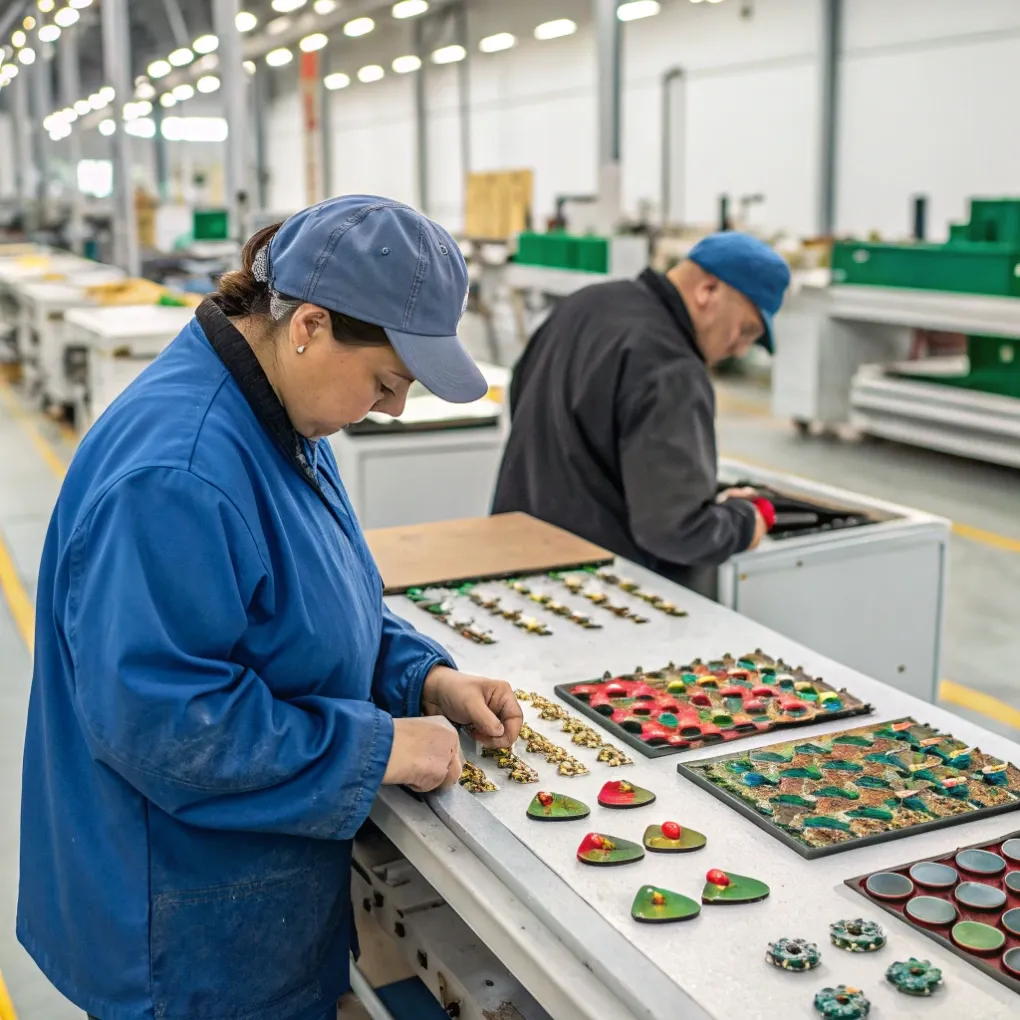
You do not need to own heavy machinery or industrial ovens to create your own professional pins. Your primary job is to create a clean, vector digital artwork file with distinct, closed lines that separate your color choices. When I assist clients with product development, I tell them to think about their design like a coloring book. Each solid color must be fully enclosed by a raised metal border so the liquid enamel does not bleed into the next section.
Once your artwork is finalized, you send it to a trusted partner like Latitude Experience. We translate your digital drawing into industrial factory specifications, select your metal plating finishes like polished gold, dye black, or antique bronze, and handle the manufacturing from start to finish. This ensures you receive a retail-ready product without dealing with the complex chemical and mechanical steps yourself.
Design Choice | Hard Enamel Finish | Soft Enamel Finish | Die Struck (No Color) |
|---|---|---|---|
Surface Feel | Completely flat and smooth | Textured with recessed color walls | Sculpted metal ridges only |
Durability | Scratch-resistant, jewelry quality | Moderate scratch resistance | Indestructible metal body |
Best Used For | Luxury brands, corporate lapel pins | Detailed comic art, vibrant colors | Classic military or academic crests |
Conclusion
Custom enamel pins serve as powerful physical symbols of identity and community, combining intricate manual craftsmanship with either hard or soft enamel finishes to create lasting branding value.