Aug 21, 2026News & Insights
What Is the Best Fabric Material for Cotton Canvas Tote Bags?
The best canvas tote fabric is 10–14oz cotton duck canvas, offering excellent durability, strength, shape retention, comfort, and long-term value.
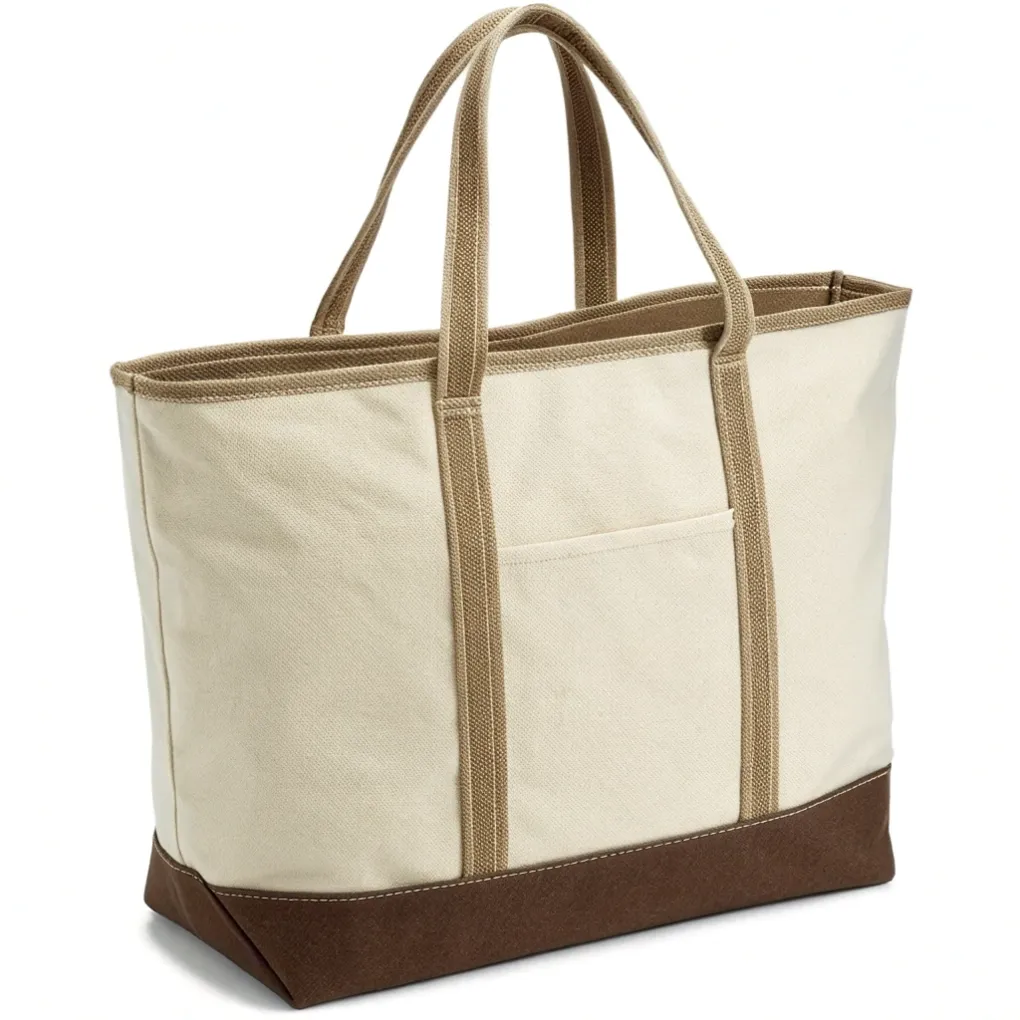
What Is the Best Fabric Material for Cotton Canvas Tote Bags?
Are you tired of custom tote bags that sag, tear under heavy groceries, or fray at the seams after just a few weeks of use? Choosing the wrong fabric weight and yarn grade leads to flimsy bags that fail to protect belongings and reflect poorly on your brand.
The best fabric material for cotton canvas tote bags is 10oz to 14oz ring-spun 100% natural cotton duck canvas. It delivers the ultimate balance of structural rigidity, abrasion resistance, soft-hand comfort, and printability, ensuring the bag holds its shape under heavy daily loads while lasting for years of continuous reuse.
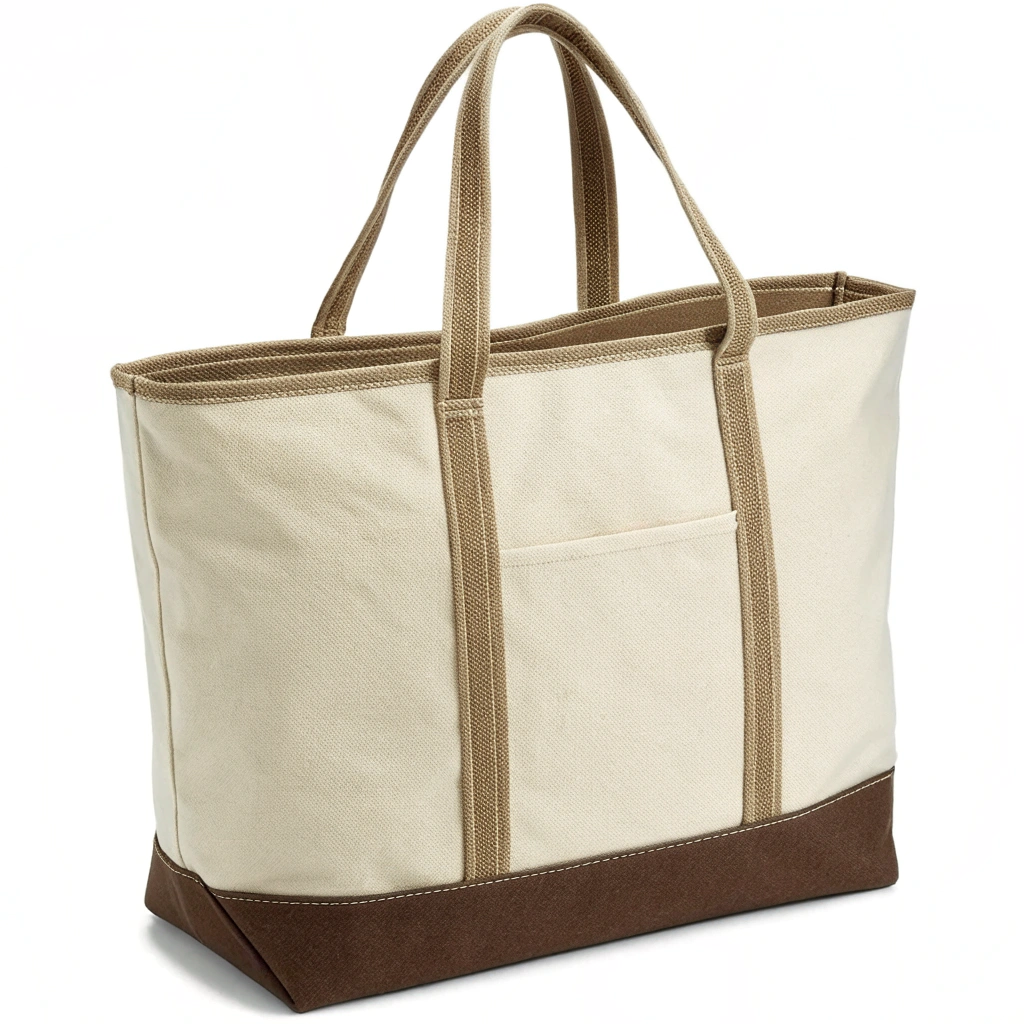
When I started my career in a humble printing factory, I saw businesses purchase lightweight cotton calico bags that shredded under the weight of basic product catalogs at trade shows. Later, I founded Latitude Experience Pte Ltd to help marketing managers and business owners navigate textile sourcing, material science, and custom corporate gifts with complete confidence. Selecting the ideal fabric for a canvas tote is not just about choosing something marked “100% cotton”—it requires understanding fabric weights, weave densities, and handle reinforcement. Keep reading to learn which cotton canvas fabric works best for bag-making, how cotton totes differ from canvas totes, and what fabrics are standard across the industry.
What Is the Best Type of Cotton Canvas Fabric for Making Bags?
Are you confused by fabric terms like duck canvas, sheeting, drill, and twill when designing custom bags? Sourcing the wrong weave structure can result in bags that stretch out of shape, snag easily, or reject screen-printing inks.
The best type of cotton canvas fabric for making bags is Cotton Duck Canvas (specifically #10 Duck or 12oz single-fill / double-fill duck). Cotton duck features a tight, plain-woven structure made with plied yarns, giving it exceptional tensile strength, smooth surface texture for clean logo printing, and high resistance to snagging and tearing.
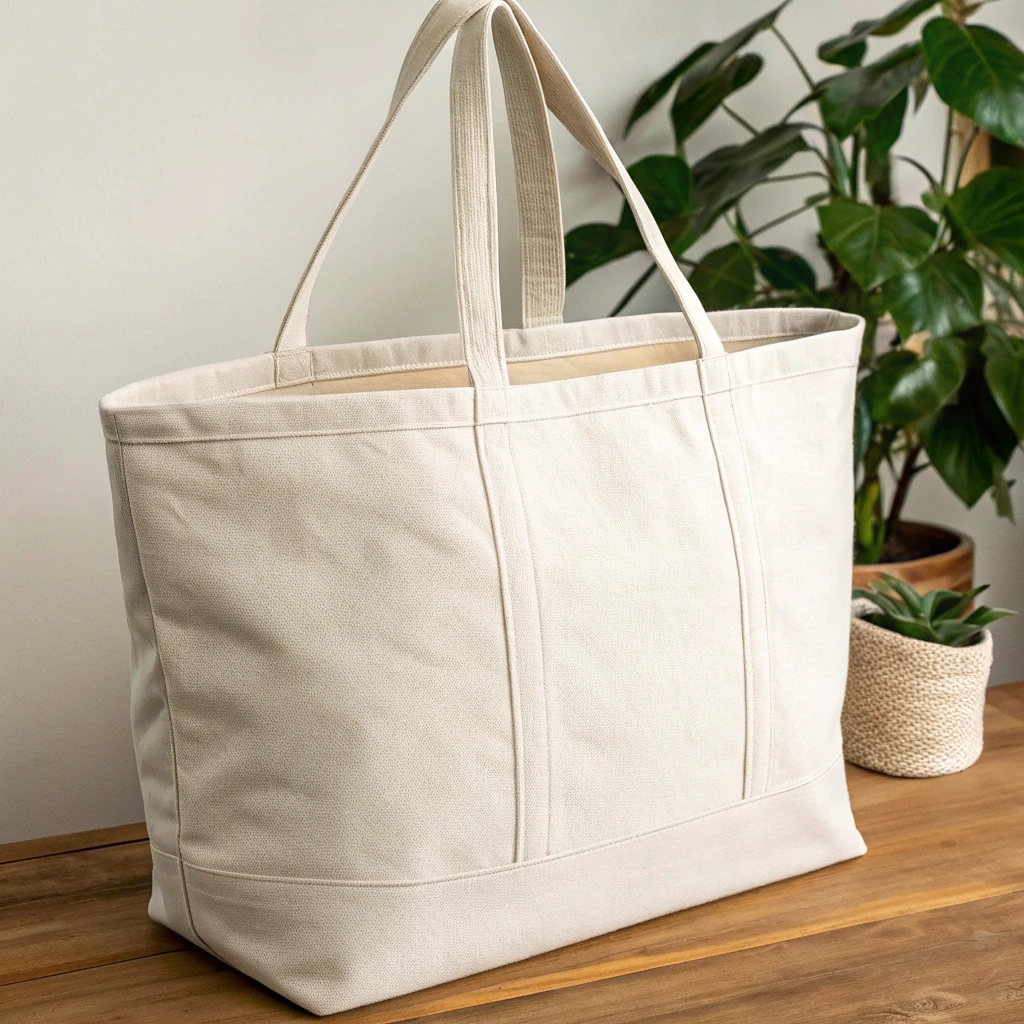
Comparing Cotton Canvas Grades and Weaves
During my decades in product customization and textile inspection, I have evaluated dozens of canvas grades. Canvas is traditionally classified either by weight in ounces per square yard (oz/yd²) or by the traditional numbered duck system (#1 through #12).
For everyday work totes, shopping bags, and premium corporate merchandise, single-fill 10oz to 12oz canvas or #10 double-fill duck provides the ideal structural integrity. Double-fill canvas uses two yarns twisted together in both the warp and weft directions, creating an ultra-dense, stiff barrier that stands upright on counters without collapsing during packing.
Canvas Fabric Type | Fabric Weight (oz / GSM) | Weave Structure | Key Characteristics | Best Application |
|---|---|---|---|---|
Light Cotton Sheeting | 4oz – 6oz (135–200 GSM) | Loose plain weave | Soft, lightweight, semi-sheer, crinkles | Dust bags, cheap single-event giveaways |
Medium Cotton Sheeting / Calico | 7oz – 9oz (240–300 GSM) | Standard plain weave | Flexible, lightweight, moderate durability | Casual shopping totes, book bags |
Standard Duck Canvas (Single-Fill) | 10oz – 12oz (340–400 GSM) | Tight plain weave | Sturdy, holds boxy shape, excellent print base | All-purpose work totes, retail merch, groceries |
Heavy Numbered Duck (#10 / #8) | 14oz – 18oz (475–610 GSM) | Double-fill plied weave | Ultra-rigid, maximum tear resistance, rugged | Premium heavy-duty totes, boat bags, tool bags |
Choosing a 10oz to 12oz duck canvas ensures your finished tote feels substantial and premium in the user’s hand without being overly heavy or stiff to carry over the shoulder.
What Are the Key Differences Between a Cotton Tote Bag and a Canvas Tote Bag?
Are you wondering why a cotton tote bag and a canvas tote bag have completely different price tags and physical lifespans? Treating these two terms as identical causes businesses to buy flimsy bags when they actually need rugged carryalls.
The key differences between a cotton tote bag and a canvas tote bag lie in fabric weight, weave density, and structural durability. A basic cotton tote is made from lightweight cotton sheeting or calico (4oz to 8oz) with a loose weave, whereas a canvas tote is made from heavy-weight, tightly woven plain cotton or linen canvas (10oz to 16oz+), providing far greater shape retention, load capacity, and multi-year longevity.
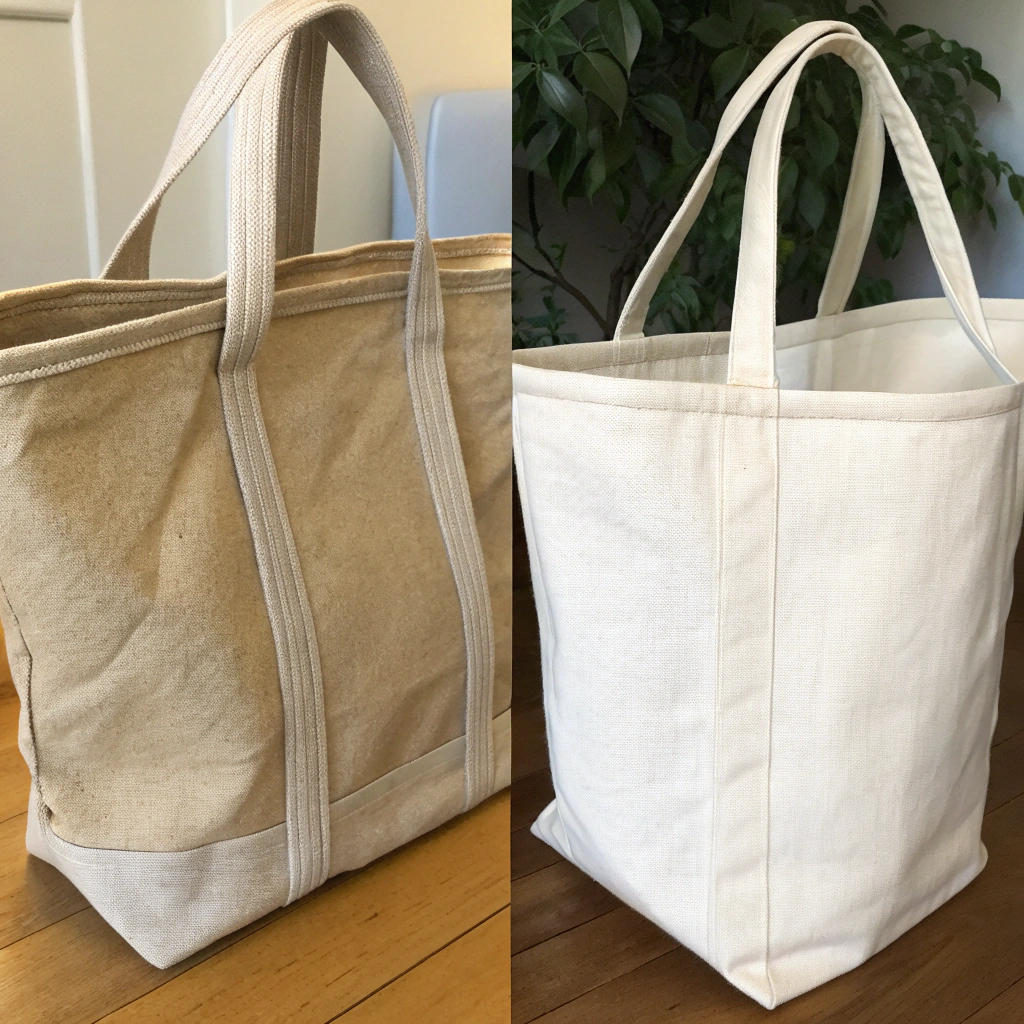
Structural, Aesthetic, and Performance Breakdown
At Latitude Experience Pte Ltd, clients like Jacky frequently ask me whether they should invest in lightweight cotton or heavy-duty canvas for their company’s promotional campaigns. In my early factory days, I watched how thin cotton totes stretched and distorted under the weight of a single heavy binder.
While both bags originate from natural cotton fibers, their manufacturing processes produce vastly different user experiences. Lightweight cotton totes fold down into tiny pockets, making them convenient for emergency groceries, but canvas totes function as structured, standalone fashion accessories and daily work bags that carry laptops and heavy files effortlessly.
Feature Comparison | Basic Cotton Tote Bag | Heavy-Duty Canvas Tote Bag |
|---|---|---|
Fabric Weight Range | 4oz – 8oz (135 – 270 GSM) | 10oz – 16oz+ (340 – 540+ GSM) |
Weave Tightness | Looser, flexible plain weave | High-density, tightly packed duck weave |
Shape & Structure | Slouchy, collapses flat, no rigidity | Self-standing, maintains boxy structure |
Weight Capacity | 5 to 10 lbs (2.5 – 4.5 kg) | 30 to 50+ lbs (14 – 23 kg) |
Average Lifespan | 6 months to 2 years | 5 to 10+ years with proper care |
Perceived Value | Casual promotional giveaway | Premium lifestyle & corporate accessory |
If your goal is creating a long-lasting brand asset that customers will use for work, gym, and travel, upgrading to a true canvas tote provides significantly higher return on investment.
What Fabric Are Tote Bags Usually Made Of?
Are you curious about the full spectrum of materials used in tote bag manufacturing across the global retail and promotional markets? Understanding alternative fabrics helps you choose the right blend of eco-friendliness, water resistance, and price.
Tote bags are usually made of cotton canvas, organic cotton calico, jute (burlap), juco (jute-cotton blend), polyester, nylon, non-woven polypropylene (NWPP), and recycled PET (rPET). Natural cotton canvas remains the most popular choice for retail apparel and corporate gifts due to its durability, washability, and natural touch.
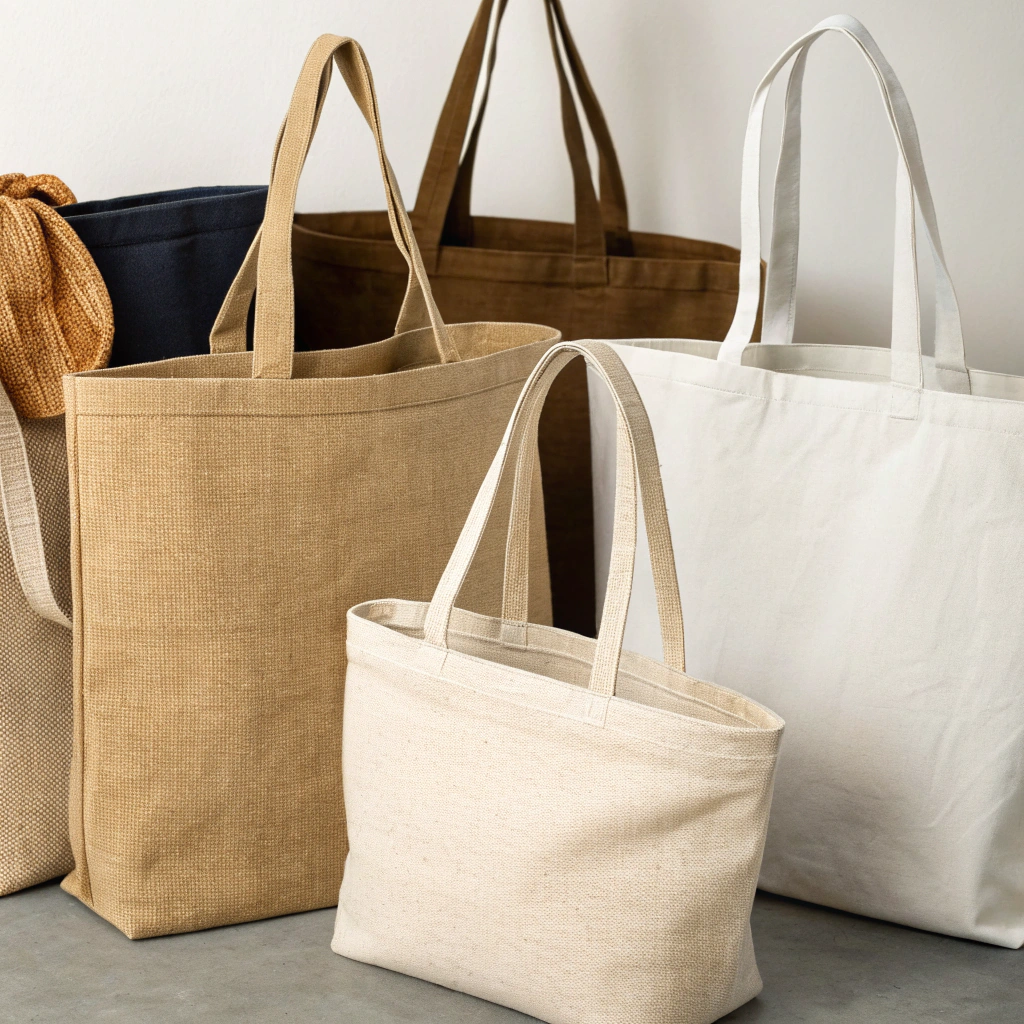
Overview of Common Tote Bag Materials
In my factory inspection experience, every fabric serves a specific market niche based on functionality, water resistance, and budget:
Tote Bag Material | Key Material Origin | Primary Advantage | Typical Retail / Commercial Use |
|---|---|---|---|
100% Cotton Canvas | Natural cellulose cotton fiber | Soft, highly durable, machine-washable, premium look | Daily work totes, fashion retail, corporate gifting |
Jute / Burlap | Natural plant bast fibers (Corchorus) | Highly rigid, rustic earthy texture, high tensile strength | Farmer’s market bags, wine totes, eco-promotions |
Juco (Jute + Cotton) | 75% Jute / 25% Cotton blend | Blends jute’s rigidity with cotton’s smooth print surface | Gourmet food stores, boutique shopping bags |
Non-Woven Polypropylene | Spun-bonded synthetic plastic | Extremely low unit cost, lightweight | Budget trade show giveaways, quick grocery sacks |
Polyester / Nylon | Synthetic petrochemical fibers | Water-resistant, tear-proof, easy to wipe clean | Foldable pocket totes, gym bags, beach totes |
Recycled PET (rPET) | Recycled post-consumer plastic bottles | Eco-conscious, water-resistant, durable | Sustainable corporate merchandise, active lifestyle |
While synthetic and blended options offer specialized water resistance, natural cotton canvas remains the industry gold standard for creating timeless, high-utility bags that people genuinely love to carry every day.
Critical Construction Details for Canvas Tote Bags
Even the highest-quality 14oz cotton duck canvas will fail if the bag’s assembly and hardware are neglected. When manufacturing or ordering custom canvas totes, ensure your supplier includes these vital construction specifications:
- Cross-Stitched “X” Box Handle Reinforcement: Handles endure the greatest mechanical stress. Stitching handles with a reinforced box-and-cross (${\boxtimes}$) pattern distributes heavy weight evenly and prevents handles from ripping off the top hem.
- Overlocked Inner Seams: Ensure all internal raw edges are finished with serged overlock stitching or bias tape binding to prevent the heavy canvas threads from unraveling after repeated laundry cycles.
- Bottom Gusset Construction: Adding a 3-inch to 5-inch bottom gusset (expandable base) provides flat surface area, allowing the tote to stand upright and accommodate bulky items like lunch containers and laptops.
- Heavy Webbing Handles: Choose 1.5-inch wide woven cotton or poly-cotton webbing straps to prevent the handles from digging uncomfortably into the wearer’s shoulder under heavy loads.
Conclusion
The best fabric material for cotton canvas tote bags is 10oz to 14oz natural cotton duck canvas, combining dense plain weaving, heavy-duty load capacity, and lasting aesthetic appeal to transform simple everyday carryalls into durable, high-value brand ambassadors.