Sep 4, 2026News & Insights
What Is the Best Size for a Writing Journal?
A5 journals offer the ideal balance of writing space and portability, while A6 suits quick notes and B5 supports detailed writing.
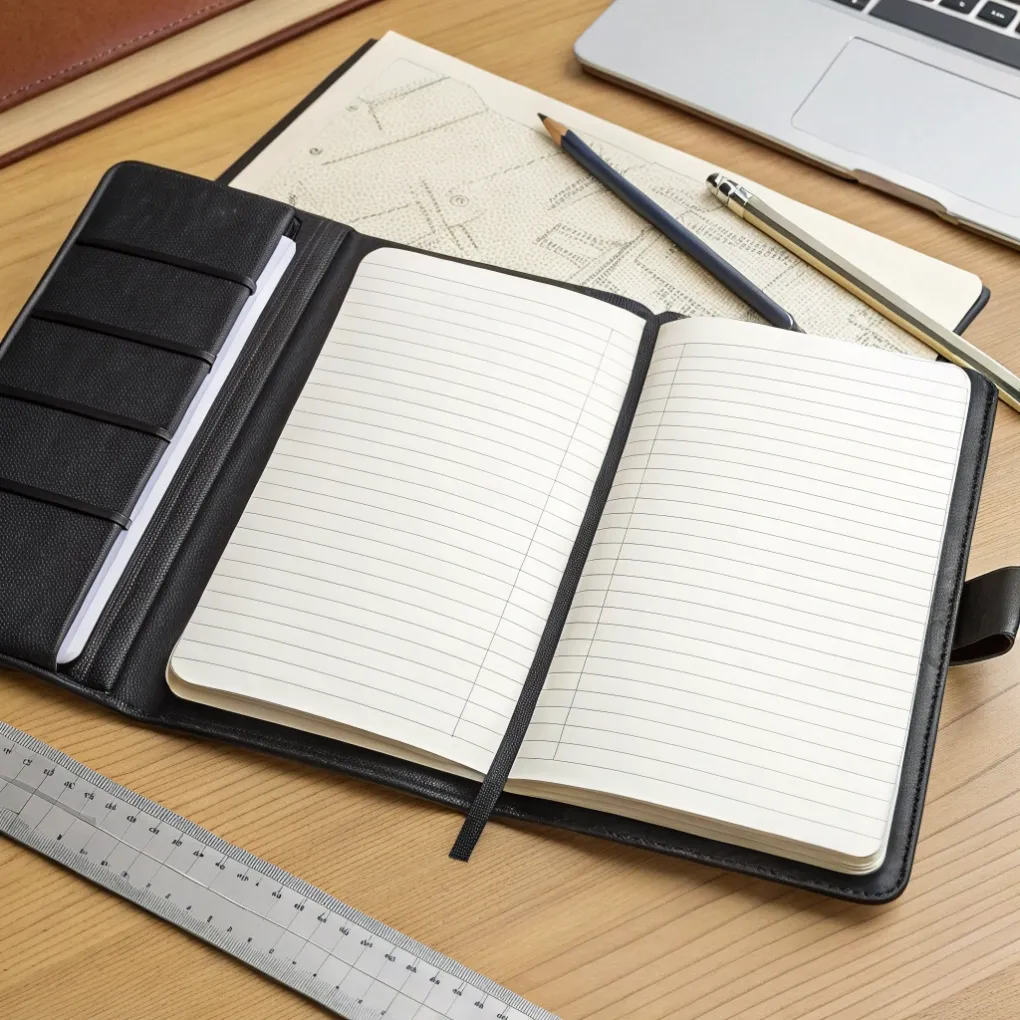
What Is the Best Size for a Writing Journal?
Do you buy beautiful large journals only to leave them blank because carrying them feels like an exhausting chore? Picking the wrong notebook size creates writing friction and kills your journaling habit.
The best size for a writing journal is A5 (148 × 210 mm) because it provides the ideal balance between generous page space for long-form thoughts and compact portability for everyday bags.
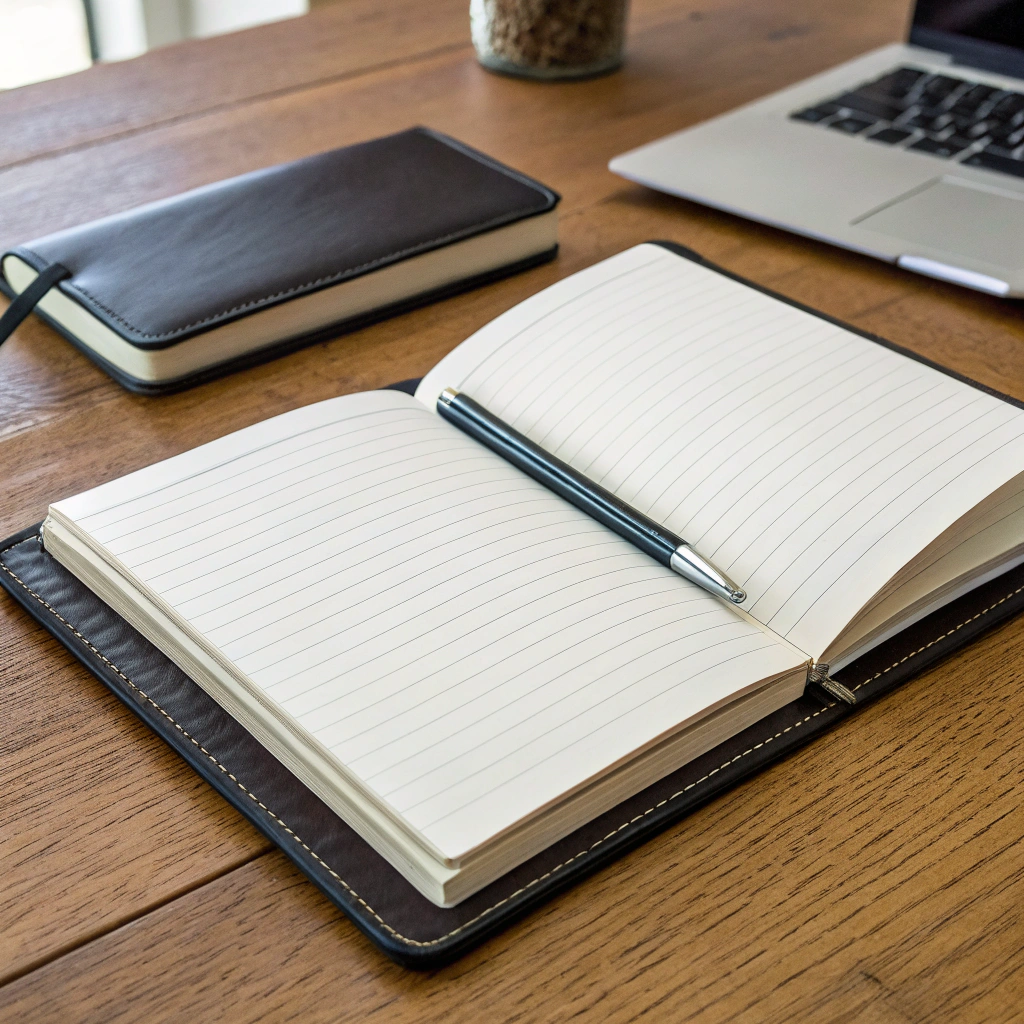
When I worked in a printing factory years ago, I watched thousands of notebooks run through the binding lines every day. A journal can have the finest cover, but if the dimensions do not match your daily routine, it will sit unused on a shelf. Let us break down how notebook sizes compare so you can choose the best companion for your writing.
Is A5 or B5 Better for Journaling?
Do you struggle to decide between the compact feel of an A5 notebook and the roomy pages of a B5 pad? Picking the wrong page format can leave your handwriting cramped or your backpack overloaded.
A5 is better for personal daily journaling and portable everyday carry, while B5 is better for desk-bound writers, extensive project planning, study notes, and combining sketches with long paragraphs.
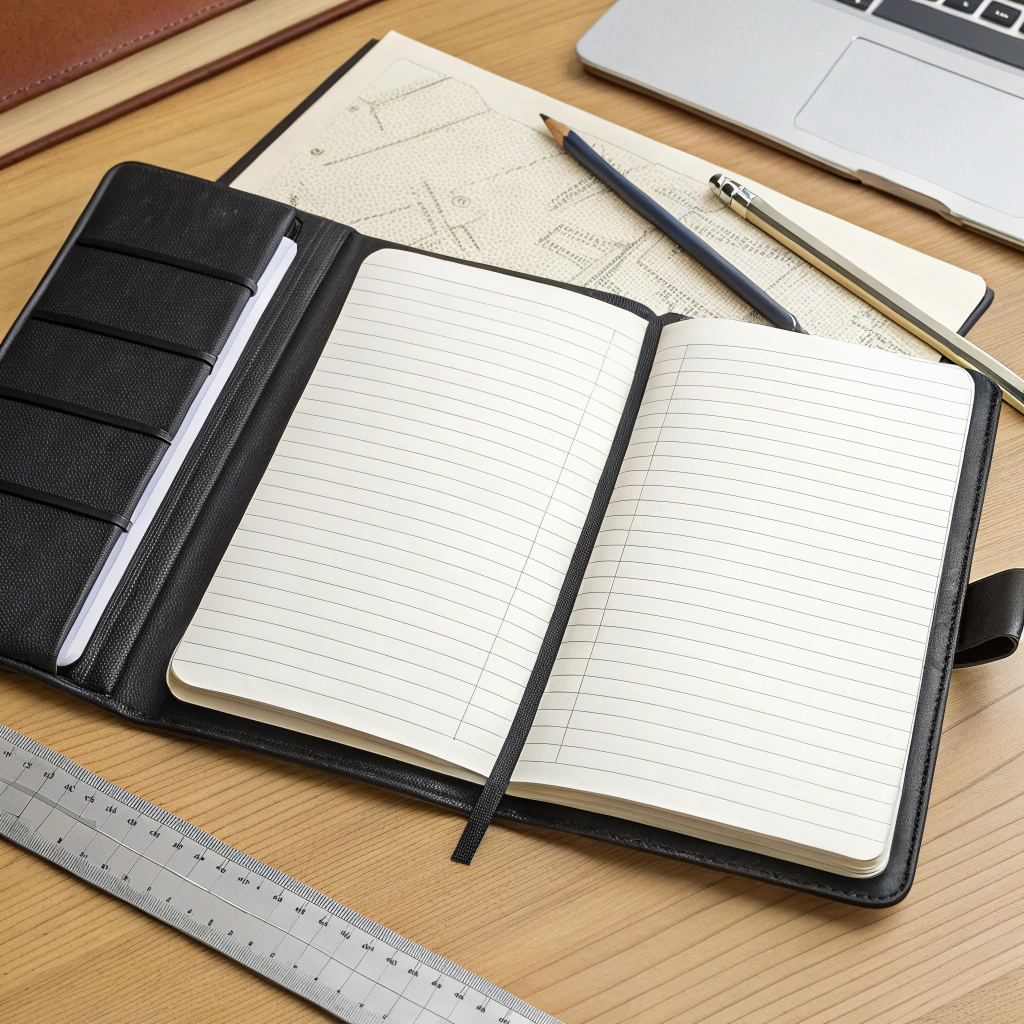
Comparing Ergonomics, Writing Space, and Portability
Choosing between A5 and B5 comes down to where you write and how much space your mind needs. A5 measures 148 × 210 mm (roughly 5.8 × 8.3 inches). It fits into work bags, backpacks, and medium totes without adding awkward weight. It provides enough lines to explore complex emotions, log daily gratitude, or track work tasks without making the blank page feel overwhelming.
B5 measures 176 × 250 mm (about 6.9 × 9.8 inches), sitting right between A5 and standard A4 office paper. For brand managers like Jacky who map out marketing campaigns or creative writers who draft long essays, B5 provides breathing room. However, that extra surface area turns the notebook into a desk item. If you write in cafes, on trains, or during quick lunch breaks, B5 can feel cumbersome.
Feature Comparison | Standard A5 Journal | Composition B5 Journal | Practical Writing Impact |
|---|---|---|---|
Exact Dimensions | 148 × 210 mm (5.83 × 8.27 in) | 176 × 250 mm (6.93 × 9.84 in) | B5 offers about 40% more writing area per page |
Portability Profile | High; slips into everyday bags | Moderate; best suited for backpacks or desks | A5 encourages daily carry and consistent writing |
Psychological Comfort | Approachable; easy to fill daily | Demanding; large blank pages require more words | A5 reduces the fear of facing empty pages |
Best Application | Daily diary, bullet journaling, habits | Meeting minutes, lecture notes, complex logs | Match format to whether you write on the move |
What Is a Good Size for a Journal?
Have you ever opened a massive notebook and felt instantly frozen by how much empty paper you had to fill? Staring at huge blank pages creates unnecessary performance pressure that makes people quit.
A good size for a journal matches your personal writing volume, with A5 serving as the most versatile standard, pocket A6 fitting quick thoughts on the go, and B5 supporting detailed desk work.

Matching Journal Dimensions to Your Writing Routine
A good journal size creates the least resistance between having a thought and putting your pen to paper. If your entries consist of quick three-sentence gratitude lists or sudden ideas, a pocket-sized notebook like A6 (105 × 148 mm) is ideal. It eliminates the pressure to write lengthy essays and travels effortlessly in a jacket pocket.
If you enjoy stream-of-consciousness journaling, morning pages, or structured goal setting, A5 remains the gold standard. It gives your hand room to move across the page naturally without bumping into the spine. Before buying, evaluate your physical environment. A writer sitting at a spacious office desk has very different needs from someone scribbling notes on a crowded subway commute.
Writing Routine Style | Typical Entry Length | Recommended Journal Size | Key Operational Benefit |
|---|---|---|---|
Quick Idea Capture | 1 to 3 bullet points or phrases | Pocket / A6 (105 × 148 mm) | Maximum portability; capture thoughts anywhere |
Daily Reflection & Dairy | 1 to 2 pages of structured text | Medium / A5 (148 × 210 mm) | Perfect balance of page room and comfort |
Project Planning & Study | Multi-page notes with diagrams | Semi-Large / B5 (176 × 250 mm) | Generous margins for charts and side annotations |
Long-Form Creative Drafts | Continuous narrative writing | Full / A4 (210 × 297 mm) | Broadest canvas for expansive desk work |
What Are the Typical Sizes of Journal Notebooks?
Are you confused by international paper terms like A-series, B-series, and North American sizing when ordering notebooks online? Sizing confusion can lead to buying covers and refills that do not fit together.
The typical sizes of journal notebooks are A4 (letter size), B5 (composition size), A5 (standard medium notebook), A6 (pocket memo pad), and traveler formats (narrow vertical booklets).
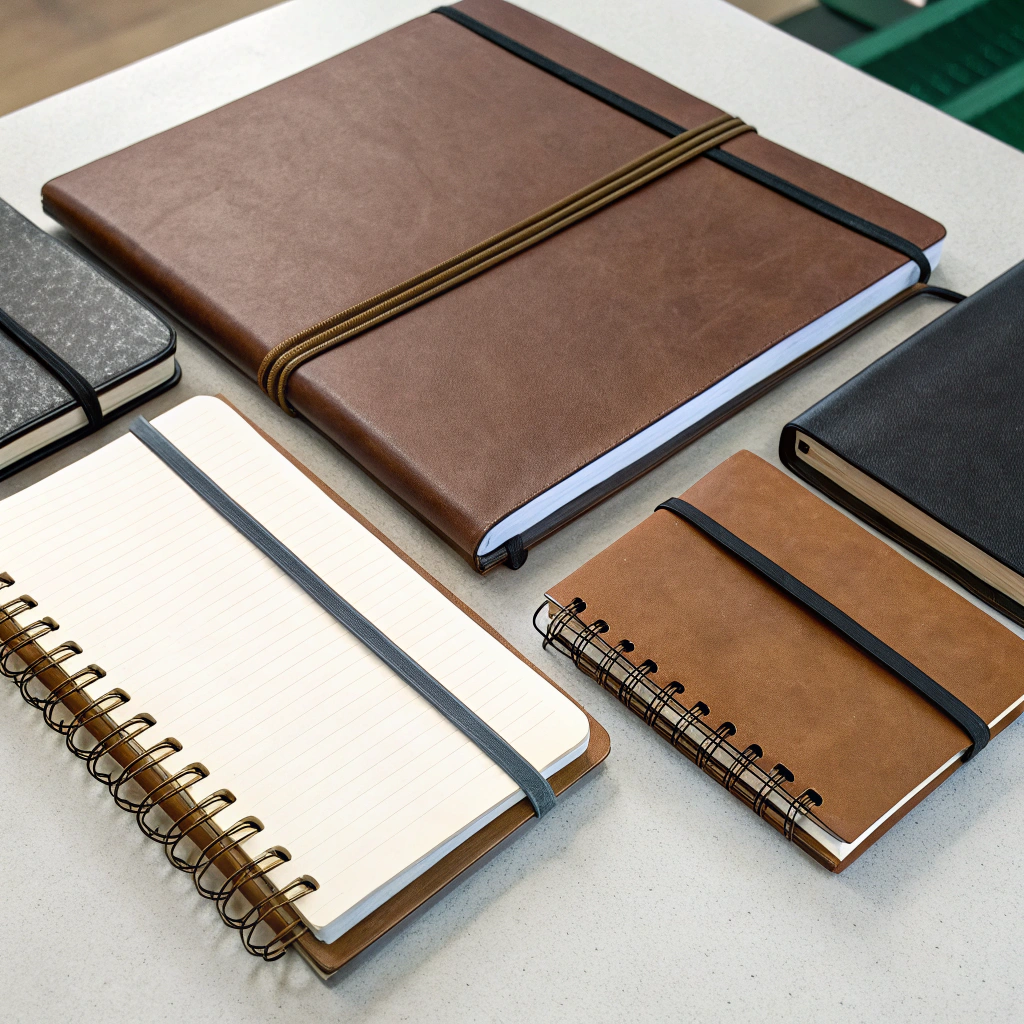
Standard Formats, Refill Standards, and Page Rulings
In the printing and stationery industry, standardized dimensions ensure that paper blocks fit securely inside protective covers, portfolios, and gift boxes. The international ISO 216 standard defines the A-series, where folding an A4 sheet in half gives you A5, and folding A5 gives you A6. North American stationery often relies on Letter (8.5 × 11 inches) or Junior Legal sizes, which are slightly wider.
When corporate buyers source custom journals, checking standard paper formats ensures smooth long-term supply. Standard A5 and B5 sizes make sourcing replacement inserts simple. You must also pair the outer dimensions with the right internal page ruling. Dotted grids offer flexibility for bullet journals, lined rulings keep long-form handwriting tidy, and blank pages give artists total visual freedom.
Standard Format Name | Metric Measurements | Imperial Measurements | Common Functional Role |
|---|---|---|---|
A4 (Desk Journal) | 210 × 297 mm | 8.27 × 11.69 in | Formal business logs, portfolios, art sketches |
B5 (Executive / Composition) | 176 × 250 mm | 6.93 × 9.84 in | Strategy notebooks, conference logs, study pads |
A5 (Medium Standard) | 148 × 210 mm | 5.83 × 8.27 in | Everyday personal journals, company planners |
Traveler / Slim Format | 110 × 210 mm | 4.33 × 8.27 in | Travel itineraries, flight logs, narrow lists |
A6 (Pocket / Field Size) | 105 × 148 mm | 4.13 × 5.83 in | Rapid field notes, daily checklists, reminders |
Conclusion
Choose an A5 journal for the best balance of writing comfort and portability, or select smaller pocket formats to ensure your journal travels with you everywhere.