News & Insights
What Is the Best Water Bottle to Keep Water Cold?
Choose a double-wall stainless steel water bottle with an insulated lid, proper ice preparation, and reliable sealing for all-day cold hydration.
What Is the Best Water Bottle to Keep Water Cold?
Most people fill their drinkware with ice water in the morning, only to find it lukewarm by mid-afternoon. You spend money on sleek bottles that sweat across your desk, leave water rings on your furniture, and fail to keep drinks cold under direct sunlight. You can enjoy crisp, ice-cold water all day by choosing the right insulation technology.
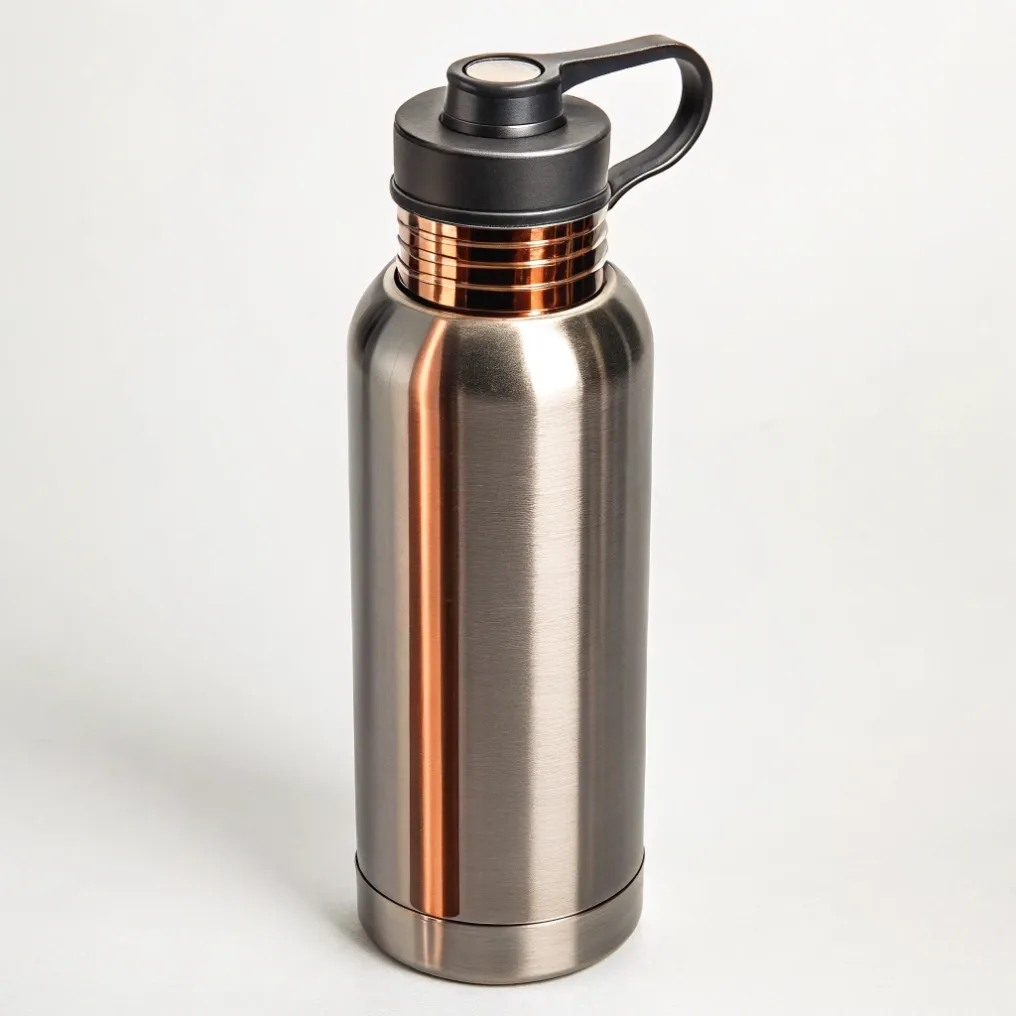
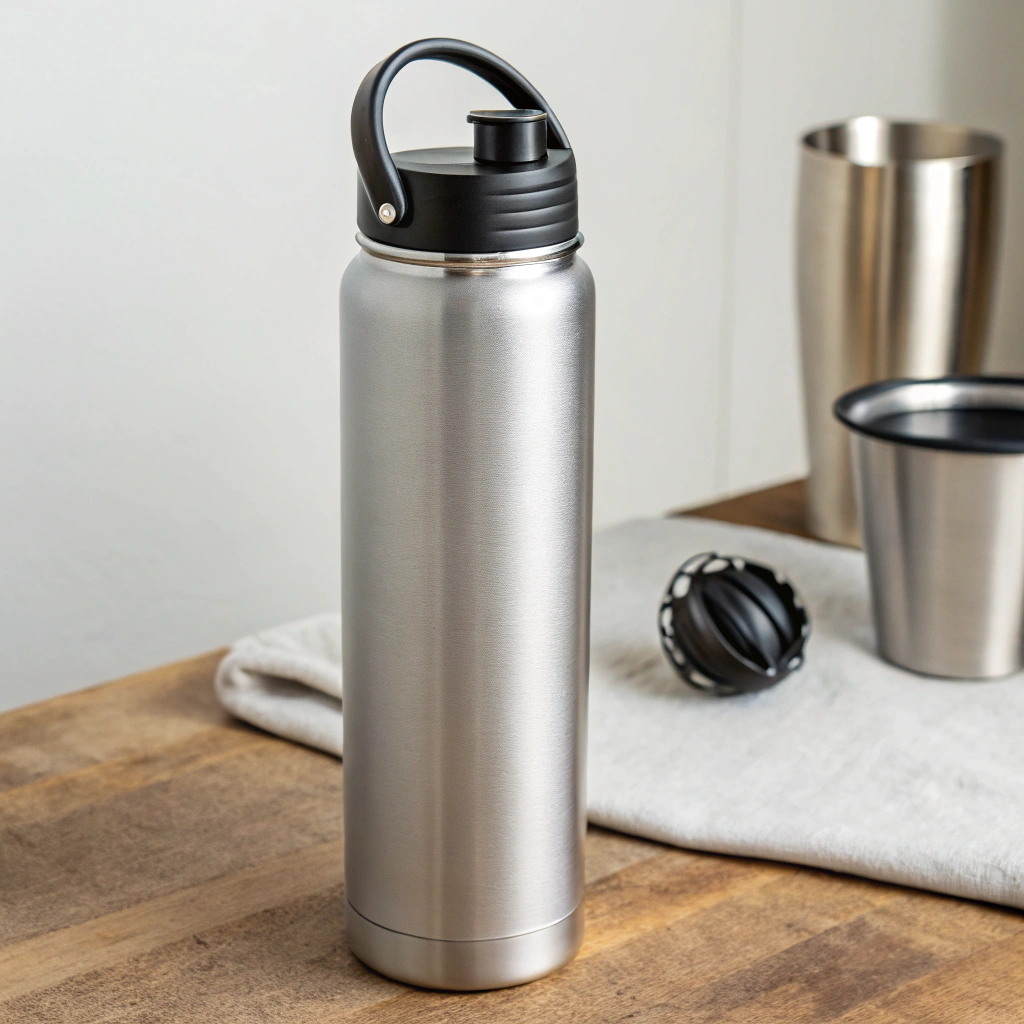
The best water bottle to keep water cold is a double-wall vacuum-insulated 18/8 stainless steel bottle paired with an insulated lid. This construction blocks conductive, convective, and radiant heat transfer, keeping water icy for up to 24 hours regardless of external temperatures.
I spent my early career on printing shop floors and factory lines testing powder coatings and vacuum sealing before founding Latitude Experience. I saw how tiny gaps in manufacturing quality lead to total insulation failure. Marketing managers like Jacky in Singapore ask me regularly how to select high-performance corporate drinkware for major events. They need reliable bottles that reflect their company’s high standards. I wrote this guide to show you what insulation features actually keep your water cold during long, hot days.
What Water Bottle Keeps Water Cold the Longest?
Many product descriptions claim 24-hour cold retention, but cheap single-wall metals and unsealed lids lose temperature rapidly. Relying on vague product marketing leaves you with warm drinks and melted ice during outdoor commutes. You can identify top-performing designs by evaluating thermal construction.
The bottle that keeps water cold the longest is a heavy-duty, double-wall vacuum-insulated stainless steel vessel featuring an insulated screw cap, narrow spout, and copper-lined internal thermal barrier that stops radiant heat transfer.
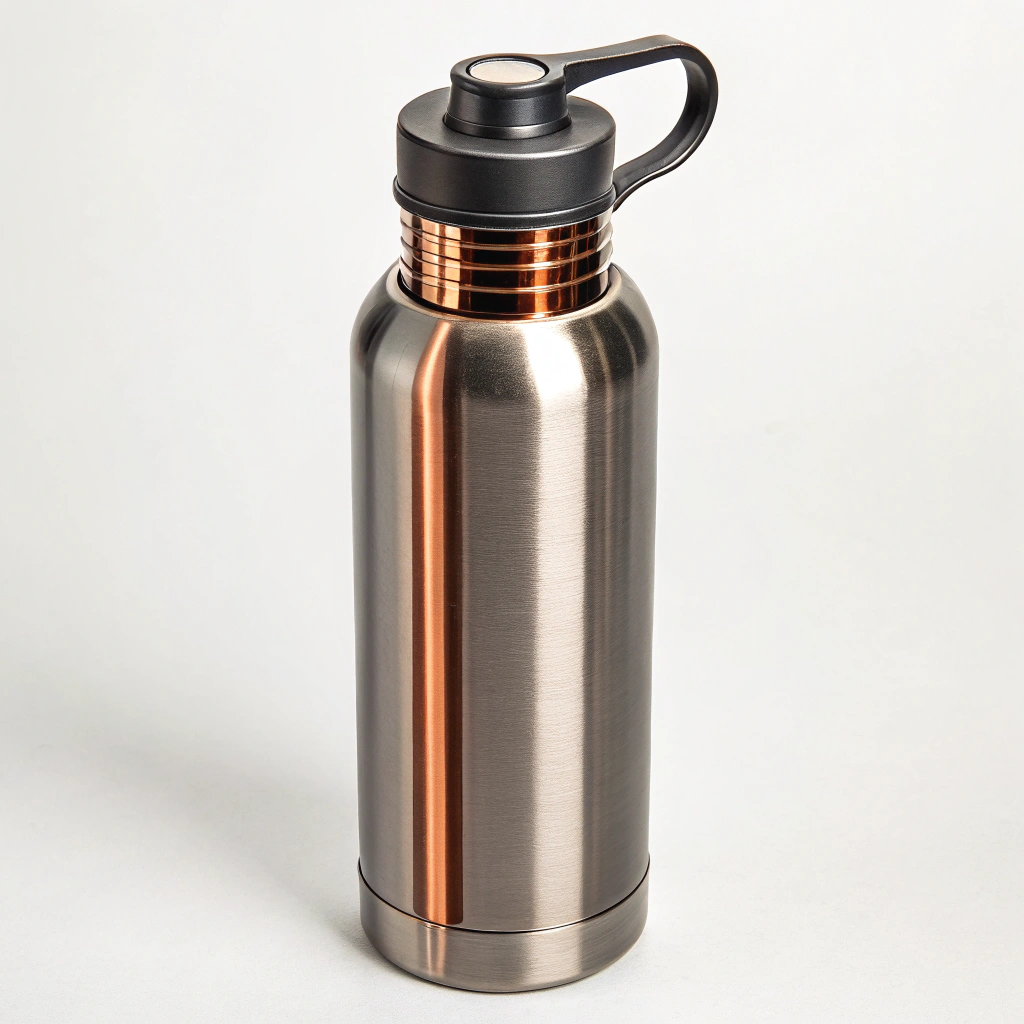
My factory quality-control experience taught me that real temperature retention depends on the vacuum gap and lid seal. When two steel walls are welded together and air is removed from the internal chamber, conductive heat transfer drops to near zero. Top manufacturers also apply a thin copper layer inside the vacuum gap to reflect radiant heat away from your cold water. However, the lid remains your bottle’s biggest thermal weakness. If your cap uses thin, uninsulated plastic, warm air penetrates the bottle neck quickly. Choosing a bottle with an insulated, deep-threaded lid ensures your ice lasts through intense outdoor heat.
Thermal Insulation Performance Matrix
Bottle Construction Type | Cold Retention Duration | Primary Heat Transfer Pathway | Ideal Usage Environment |
|---|---|---|---|
Double-Wall Vacuum Steel (Copper Lined) | 24 to 36 Hours | Minimal loss through top lid threads | Long outdoor events, beach trips, all-day travel |
Standard Double-Wall Vacuum Steel | 12 to 24 Hours | Slight loss through uninsulated cap | Daily office work, indoor gym sessions, commuting |
Single-Wall Stainless Steel | 1 to 2 Hours | Direct conduction through metal wall | Short indoor workouts, quick refills near water coolers |
Tritan Plastic / Borosilicate Glass | 1 to 3 Hours | Direct conduction and radiation | Supervised desk use, lightweight casual carry |
I inspect sample drinkware at Latitude Experience by testing surface condensation. A true vacuum-insulated bottle never sweats on the outside, proving that internal cold stays locked inside.
How Can I Keep My Water Bottle Cold All Day?
Even the best insulated bottle struggles when filled with room-temperature tap water and left in direct sunlight. Small preparation mistakes melt your ice quickly and ruin your drinking experience before lunchtime. You can maximize cold retention using simple preparation habits.
You keep your water bottle cold all day by pre-chilling the interior with ice water for five minutes before filling, loading at least 30 to 50 percent of the capacity with solid ice, keeping the lid tightly closed, and storing the bottle in the shade.
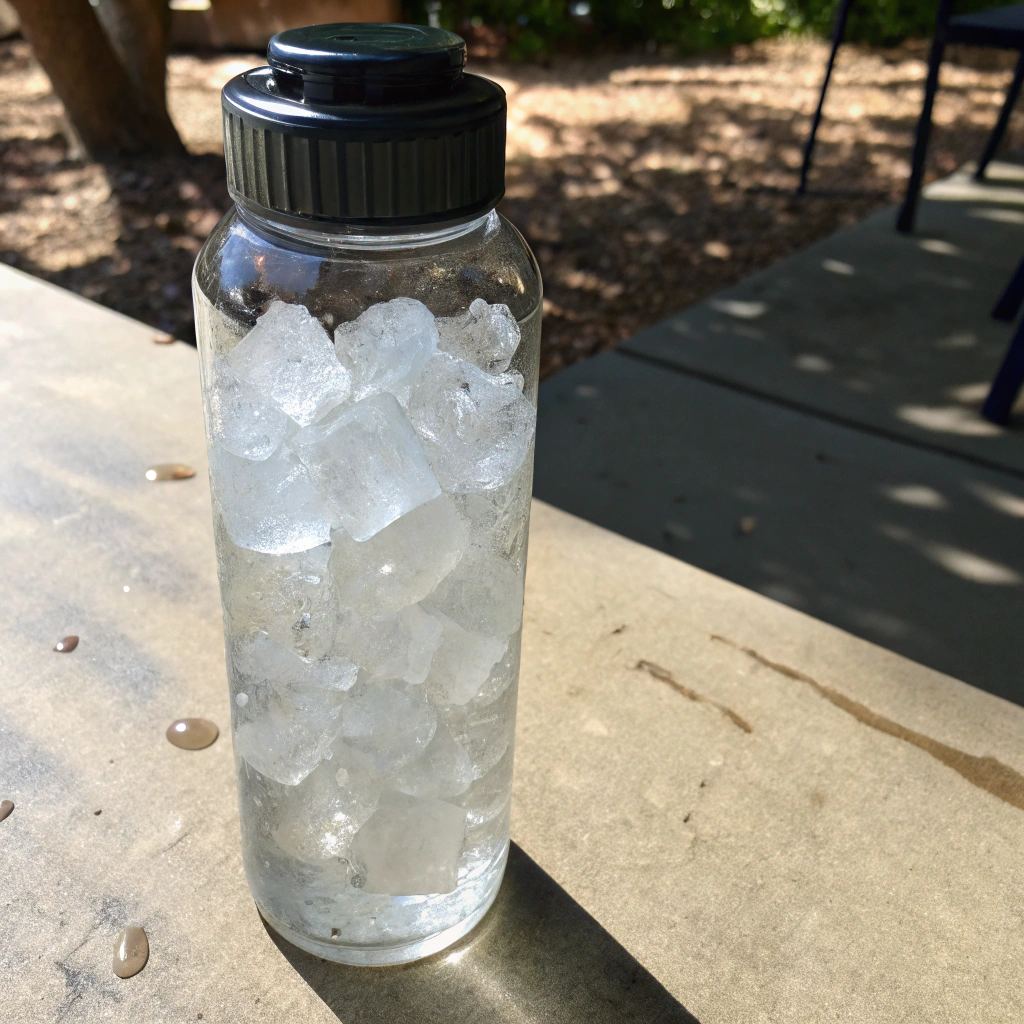
During my years testing consumer products, I learned that pre-conditioning metal surfaces makes a massive thermal difference. If your stainless steel bottle sits inside a warm kitchen cabinet, the internal steel walls absorb ambient heat. When you pour cold water inside, the warm steel immediately melts your initial ice. To stop this, fill your bottle with ice water for five minutes to cool the inner lining, dump that water out, and then pack your bottle with fresh ice cubes and chilled water. Using larger ice cubes also slows down melting because large ice blocks have less surface area exposed to liquid than crushed ice. These simple habits keep your drink cold through long workdays.
Maximum Cold Preservation Checklist
Preparation Step | Operational Action Required | Thermal Effect Delivered |
|---|---|---|
Step 1: Pre-Chill Vessel | Fill with ice water for 5 minutes before packing | Neutralizes internal wall temperature |
Step 2: Ice Ratio | Fill 30% to 50% of internal volume with solid ice | Provides melting thermal buffer all day |
Step 3: Liquid Temperature | Pour pre-chilled water from the fridge, not warm tap water | Prevents immediate ice melting upon filling |
Step 4: Sun Protection | Keep bottle inside a bag or under shaded desks | Blocks radiant solar heat absorption |
I always recommend using narrow-mouth spouts for all-day cold retention. Narrow openings expose less surface area to warm ambient air whenever you take a sip.
Is Coldest Better Than Stanley?
Choosing between popular drinkware brands like Coldest and Stanley confuses many buyers. Picking a bottle based on social media trends rather than thermal utility leads to awkward carrying, leaks, or insufficient insulation. You can pick the right brand by comparing their core design strengths.
Coldest is better for extreme ice retention and leak-proof sports performance due to its ultra-insulated caps and triple-wall technology. Stanley is better for high-capacity daily desk hydration, convenient car cup-holder fit, and built-in handle ergonomics.
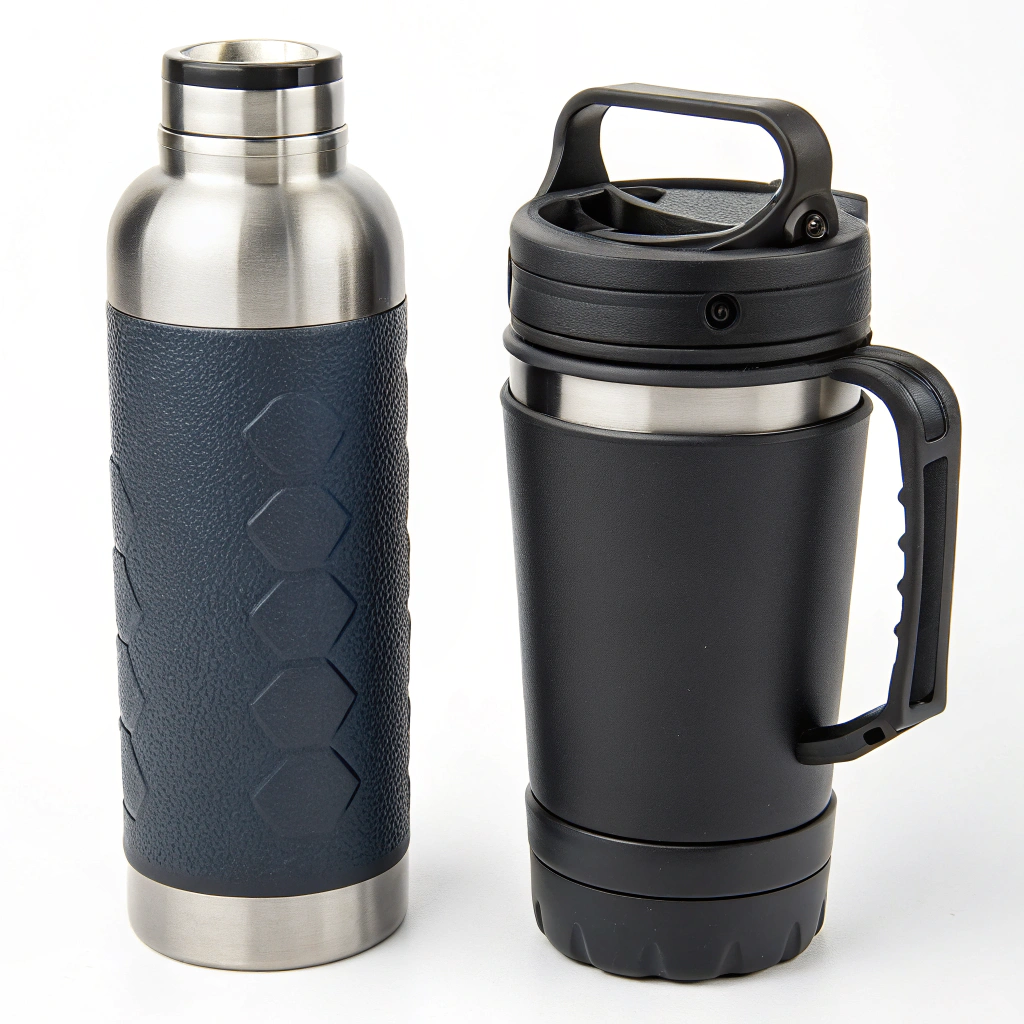
When I analyze commercial drinkware builds, I look at practical usage scenarios rather than brand names. The Coldest built its reputation on extreme insulation, utilizing thicker vacuum walls and heavy rubber-sealed lids designed for athletes and outdoor workers exposed to extreme heat. However, their bottles are heavy and bulky. Stanley excels in daily lifestyle convenience, offering wide handles, integrated straws, and tapered bases that fit standard automobile cup holders perfectly. However, Stanley tumblers with straw lids will leak if tipped sideways inside a backpack. When Jacky selects branded gifts for corporate clients, I help him choose based on lifestyle needs: Coldest for rugged field activities, and Stanley-style tumblers for office desk environments.
Coldest vs. Stanley Brand Comparison
Performance Factor | Coldest Water Bottle | Stanley Quencher Tumbler |
|---|---|---|
Primary Focus | Maximum ice retention and durability | Daily desk hydration and vehicle commuting |
Lid Seal System | 100% leak-proof screw cap options | Splash-resistant rotating straw lid |
Cup Holder Fit | Only on specialized narrow models | Fits standard car cup holders via tapered base |
Carry Ergonomics | Heavy rubber handles or lid loops | Large rigid side handle for comfortable grip |
Insulation Power | Extreme (up to 36+ hours cold) | High (up to 11–12 hours cold with ice) |
I advise buyers to match the bottle design to their daily movement. If you throw your bottle into a gym bag, pick a leak-proof Coldest style. If you sit at an office desk all day, a handle-equipped Stanley style offers better convenience.
Conclusion
The best water bottle to keep water cold is a double-wall vacuum-insulated stainless steel vessel, and you can maximize its performance by pre-chilling the interior, using solid ice, and keeping the insulated lid tightly sealed.