Jul 8, 2026Services Overview
What Is the Future of Paper Bags?
The future of paper bags lies in sustainable innovation, with recyclable materials, reusable designs, and eco-friendly manufacturing driving their growing role in modern packaging.
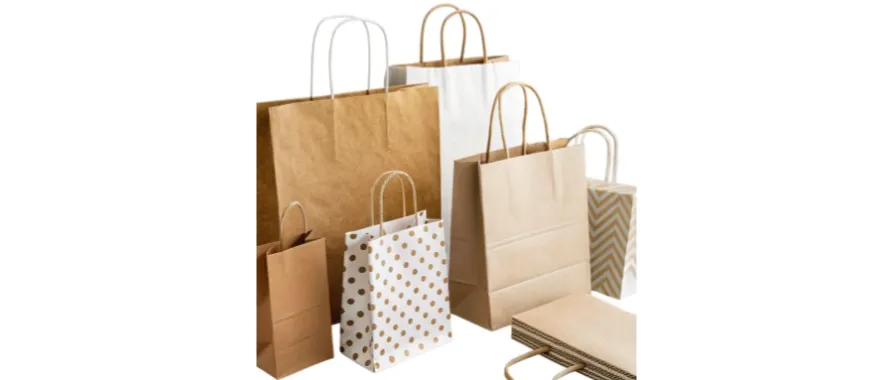
What Is the Future of Paper Bags?
When businesses purchase bulk kraft paper shopping bags, the decision is often driven by cost, storage efficiency, and operational convenience. But from my perspective, focusing only on unit price misses the real value these bags can create. In today's retail environment, kraft paper bags are no longer just packaging—they are one of the few marketing tools customers willingly carry away from the store.
The future of paper bags lies in heavy-duty reusability, smart water-resistant coatings, fully circular biodegradable materials, and custom structural designs that double as long-term mobile branding assets.
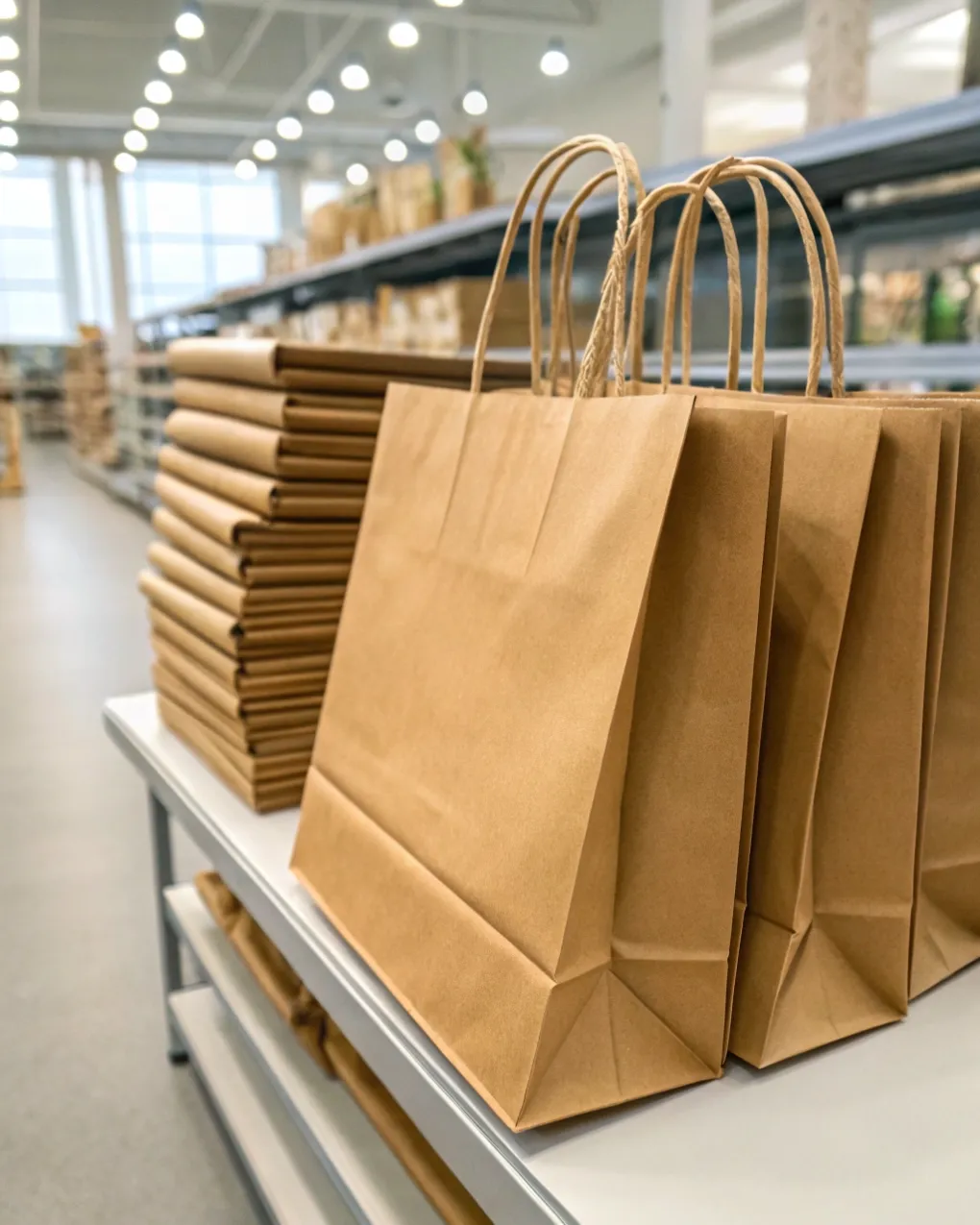
The appeal of kraft paper lies in its honesty. Unlike glossy packaging that can sometimes feel excessive or artificial, kraft paper communicates simplicity, practicality, and authenticity. Consumers increasingly associate natural-looking materials with transparency and responsible business practices. Whether that perception is entirely accurate or not, it has become an important factor in how brands are evaluated.
What makes bulk purchasing particularly interesting is the balance between economics and customer experience. Businesses often view packaging as an expense to minimize, but customers experience it as part of the product itself. A sturdy kraft paper bag with comfortable handles can elevate the perceived value of a purchase, while a flimsy bag can undermine an otherwise positive shopping experience. In many cases, packaging becomes the final quality check in the customer's mind.
Another overlooked advantage of kraft paper shopping bags is their visibility. Unlike shipping boxes that disappear into homes, shopping bags move through public spaces, offices, public transport, and events. Every reused bag becomes a subtle form of brand exposure. The businesses that benefit most are often not those with the largest logos, but those that create bags durable enough for customers to keep using long after the initial purchase.
There is also a broader shift in consumer expectations. Sustainability conversations have pushed businesses to rethink disposable packaging, but customers are becoming more sophisticated. They are no longer impressed simply because a bag is made of paper. They increasingly care about durability, reusability, material quality, and whether the packaging genuinely reduces waste rather than merely appearing eco-friendly.
What many companies misunderstand is that the most successful kraft paper bags are designed for a second life. When customers reuse a bag for groceries, storage, gifts, or everyday carrying needs, the bag generates value far beyond its original purpose. At that point, packaging transforms into a functional product.
My take is that bulk kraft paper shopping bags should be viewed less as operational supplies and more as customer experience tools. Their true value isn't measured by the cost per bag—it's measured by how effectively they reinforce trust, extend brand visibility, and encourage reuse. In a competitive market where every customer interaction matters, even a simple paper bag can become a surprisingly powerful business asset.
What Is the Price of a Kraft Paper Bag?
When procurement teams look to purchase retail packaging, they are often surprised by the wide range of wholesale price quotes. If you do not understand the manufacturing variables, you might overpay for basic sacks or buy weak bags that break under weight.
The price of a wholesale kraft paper bag ranges from 0.80 per unit, with the final cost determined by order volume, paper thickness, handle type, and printing complexity.
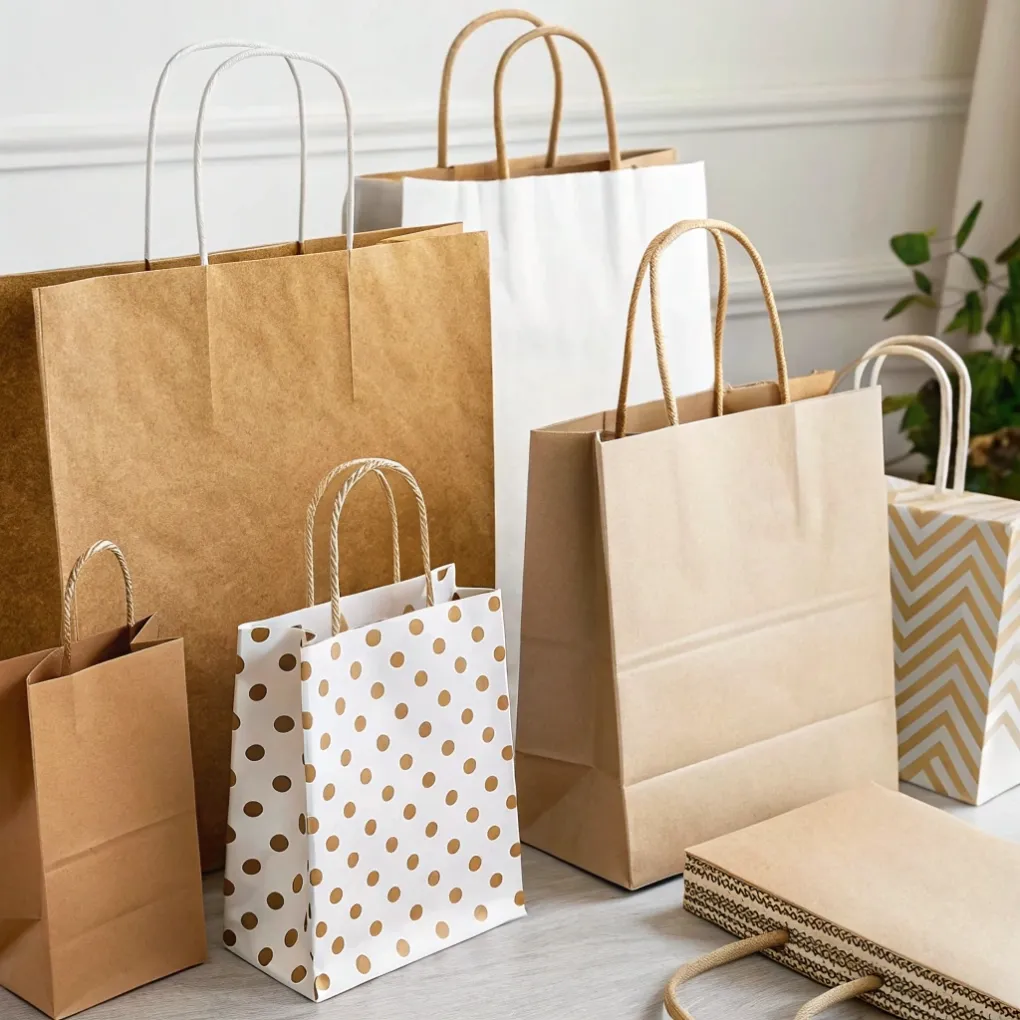
When I managed product orders in a printing facility, I learned that bulk scaling completely changes your unit price. For a standard medium-sized shopping bag, your order size is the biggest price driver. Buying a small batch of 500 bags means a high setup fee per piece. Buying a large run of 10,000 bags allows the high-speed machinery to lower your individual bag cost down to pennies.
You must also consider the paper weight, which is measured in grams per square meter (GSM). A thin 80 GSM bag costs very little but tears easily under a heavy load. A heavy-duty 150 GSM kraft bag costs significantly more, but it offers a sturdy structure that customers will reuse multiple times. Adding custom logos via one-color silkscreen printing or multi-color machine printing will also add to your final invoice.
Bag Specification | Average Unit Price (Bulk) | Paper Thickness (GSM) | Recommended Use Case |
|---|---|---|---|
Basic Takeout Bag | | 70 - 90 GSM | Bakeries, light fast food, delivery |
Standard Retail Bag | | 100 - 120 GSM | Apparel shops, bookstores, gift items |
Heavy-Duty Premium Bag | | 130 - 150+ GSM | High-end retail, florists, heavy corporate gifts |
Is the Paper Bag Business Profitable?
Many entrepreneurs look at the massive global push against single-use plastics and think about starting a local packaging company. If you jump in without a clear B2B client acquisition strategy, you can easily get crushed by tight margins and giant international factories.
The paper bag business is highly profitable if you specialize in high-margin custom logo printing, offer low minimum order quantities (MOQs) to small businesses, and maintain high machine automation.
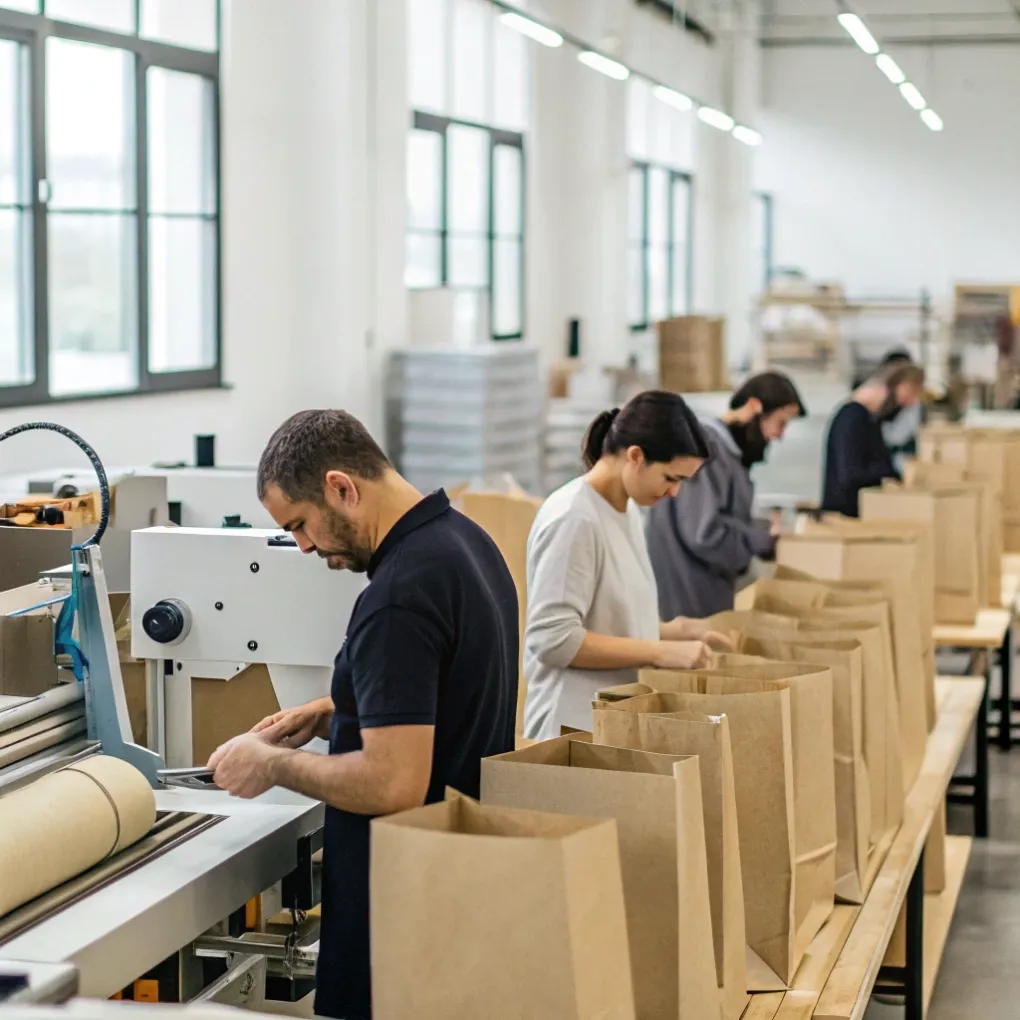
Success in the modern packaging industry requires a shift away from generic commodity manufacturing. If you only produce plain, unprinted brown bags for supermarkets, your profit margin will remain extremely low. You will be forced to compete solely on price against massive overseas factories that run millions of units daily.
The real profitability hides in value-added customization. Small business owners, local boutique brands, and corporate marketing teams are eager to pay a premium for custom-branded packaging that features their specific colors and logo dimensions. By investment in high-speed, automated printing equipment and offering realistic lower order limits, you can capture mid-market accounts that need fast delivery and reliable quality checks.
Business Model | Profit Margin Potential | Capital Investment | Key Success Factor |
|---|---|---|---|
Generic Bulk Supply | Low (3% - 8%) | Extremely High (Massive machinery) | Running lines 24/7 at maximum speed |
Custom Retail Branding | High (20% - 35%) | Medium | Exceptional graphic design support and fast delivery |
Niche Luxury Packaging | Very High (40%+) | Medium | Unique handle options, hot foil stamping, premium textures |
Conclusion
Bulk kraft paper shopping bags provide highly cost-effective mobile marketing opportunities, with strong future market growth driven by custom brand enhancements and a global shift toward durable reusability.