Jul 8, 2026Services Overview
What Is the Number One Insulated Water Bottle?
The best insulated water bottle offers excellent temperature retention, durability, and everyday convenience, with stainless steel designs leading the way for reliable, long-lasting hydration.

What Is the Number One Insulated Water Bottle?
When people shop for insulated water bottles, they often compare products based on one headline feature: how long the bottle can keep drinks hot or cold. While insulation performance is important, I believe this focus misses the bigger picture. The best insulated water bottle is not necessarily the one with the longest temperature-retention claim—it’s the one that people actually enjoy using every single day.
The number one insulated water bottle is the one that fits perfectly into your daily lifestyle, balances vacuum-insulation performance with ergonomic design, is easy to clean, and built with durable food-grade materials.
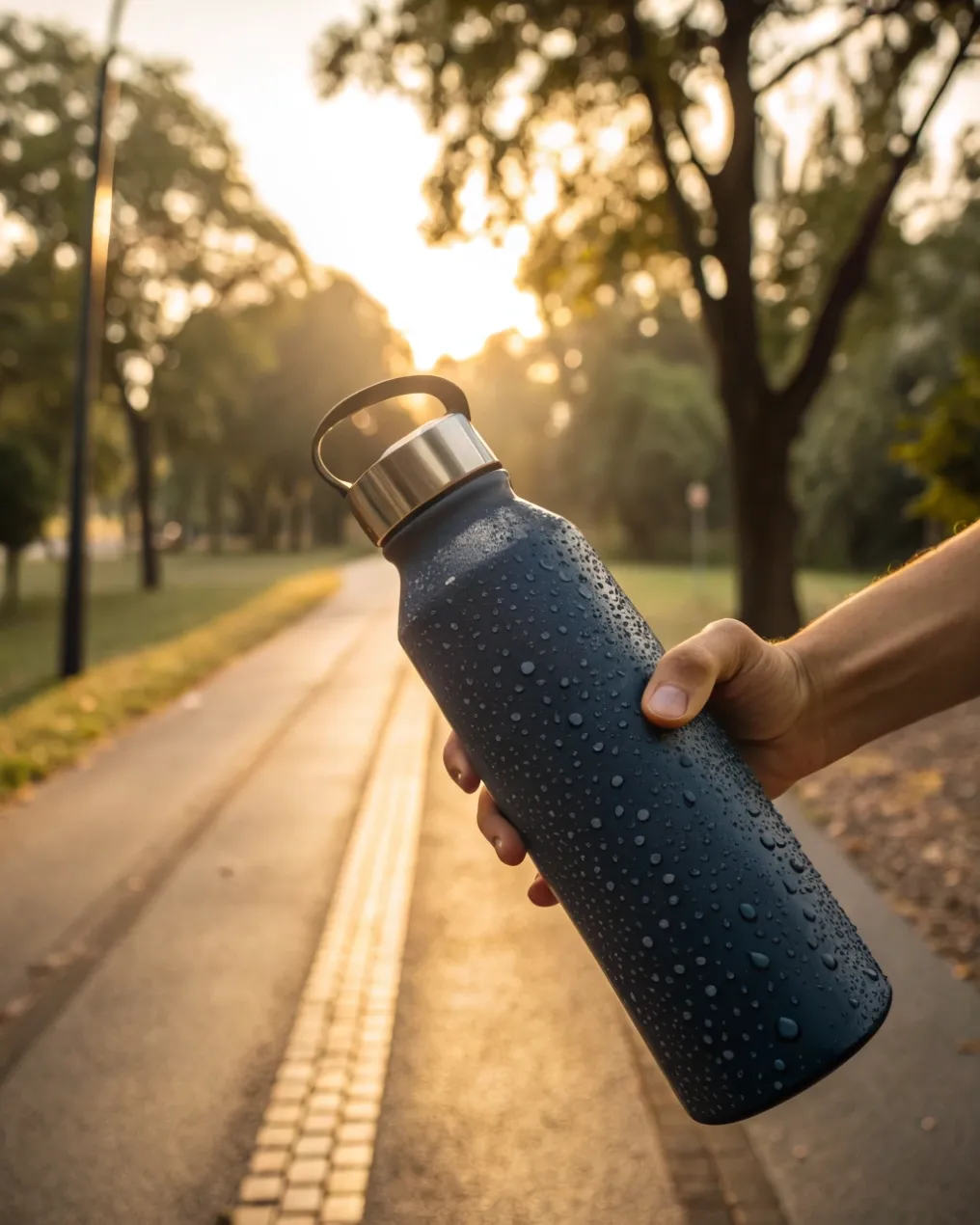
The water bottle market has matured significantly over the past decade. Most quality insulated bottles now offer more than enough performance for commuting, office work, travel, fitness, and outdoor activities. As a result, consumers are increasingly making decisions based on factors that affect everyday experience: comfort, portability, cleaning convenience, durability, and design.
What many brands overlook is that hydration is driven by behavior, not technology. A bottle that is too heavy, difficult to wash, or awkward to carry may stay in a cupboard regardless of how advanced its insulation is. Meanwhile, a bottle that fits naturally into a backpack, car cup holder, or daily routine is far more likely to be used consistently. In practical terms, usability often creates more value than extreme performance specifications.
There is also an emotional element behind the popularity of insulated bottles. Unlike many household products, water bottles are highly visible and travel everywhere with their owners. They appear in offices, gyms, airports, classrooms, and coffee shops. Because of this, consumers increasingly view them as lifestyle accessories rather than simple drink containers. Material finish, color, texture, and overall design now influence purchasing decisions almost as much as functionality.
Another interesting shift is the growing demand for longevity. Consumers are becoming more conscious about buying fewer but better products. A high-quality insulated bottle that lasts for years can create stronger environmental and economic value than repeatedly replacing cheaper alternatives. In this sense, durability has become part of the sustainability conversation.
What truly separates great insulated bottles from average ones is their ability to disappear into daily life. The best designs require little thought: they do not leak, they are easy to clean, they feel comfortable in the hand, and they reliably maintain drink temperature. Their success comes from removing small inconveniences rather than showcasing technical complexity.
My take is that shopping for insulated water bottles should be less about chasing the highest performance numbers and more about finding a product that supports everyday habits. Because ultimately, the bottle that gets used every day is far more valuable than the bottle with the most impressive specifications on paper.
Can a Warm Water Bottle Help with Cramps?
When dealing with muscle soreness or menstrual cramps, people often seek quick, drug-free comfort at home. If you rely solely on medication, you might miss out on a natural, highly effective way to relieve localized pain.
Yes, a warm water bottle helps with cramps because external heat relaxes contracted uterine or abdominal muscles, increases blood circulation, and blocks pain signals from reaching the brain.
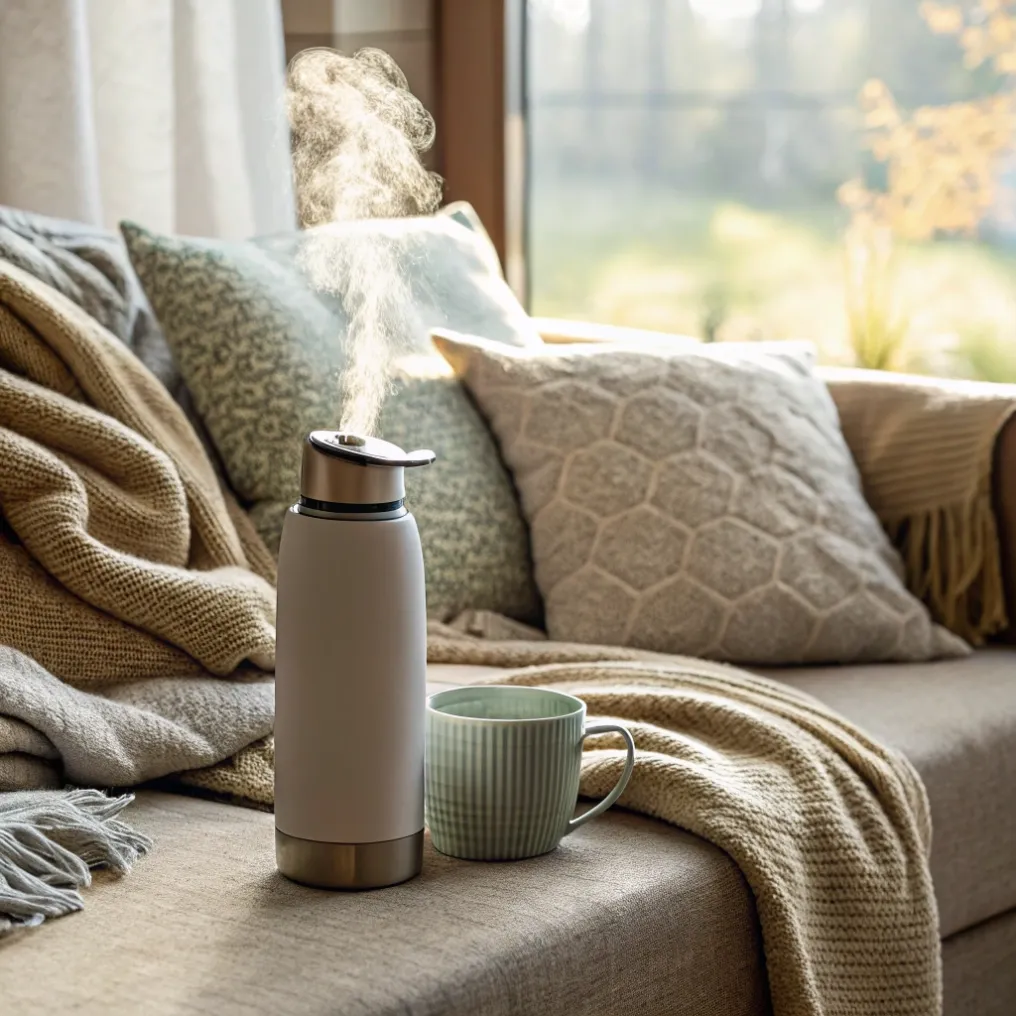
Applying a warm container to your abdomen mimics the exact effects of a heating pad. When you experience cramps, your muscles contract tightly, restricting blood flow and triggering pain receptors. The continuous warmth from a bottle dilates your blood vessels, which immediately boosts oxygen delivery to the affected tissue and forces the tense muscles to relax.
While traditional rubber hot water bags are built specifically for this purpose, a high-quality single-wall stainless steel bottle can also work in an emergency if wrapped securely in a towel. However, you must never use a double-wall vacuum-insulated bottle for external heat therapy. Vacuum-insulated bottles are specifically designed to trap heat inside the flask, meaning the outer shell will remain cold to the touch and will not radiate any soothing warmth to your skin.
Method Type | Heat Transfer Efficiency | Safety Level | Convenience Factor |
|---|---|---|---|
Traditional Rubber Hot Bag | High (Conforms to the body) | High (Soft material) | Medium (Requires boiling water) |
Single-Wall Steel Bottle | Extremely High (Heats fast) | Medium (Must wrap in cloth) | High (Dual-use for drinking) |
Double-Wall Insulated Bottle | Zero (Traps heat inside) | High (Stays cold outside) | Poor (Cannot transfer heat to skin) |
Electric Heating Pad | Constant (Adjustable settings) | Medium (Electrical risk) | Low (Tethered to a wall outlet) |
How to Choose an Insulated Water Bottle?
Walking down the hydration aisle can be confusing because every manufacturer promises indestructible materials and infinite ice retention. If you pick a bottle based purely on aesthetics or brand hype, you may end up with a leaky lid or an uncomfortably heavy container.
To choose the right insulated water bottle, evaluate your daily environment, select the appropriate capacity, match the lid type to your activity, and prioritize wide-mouth designs for easy cleaning.
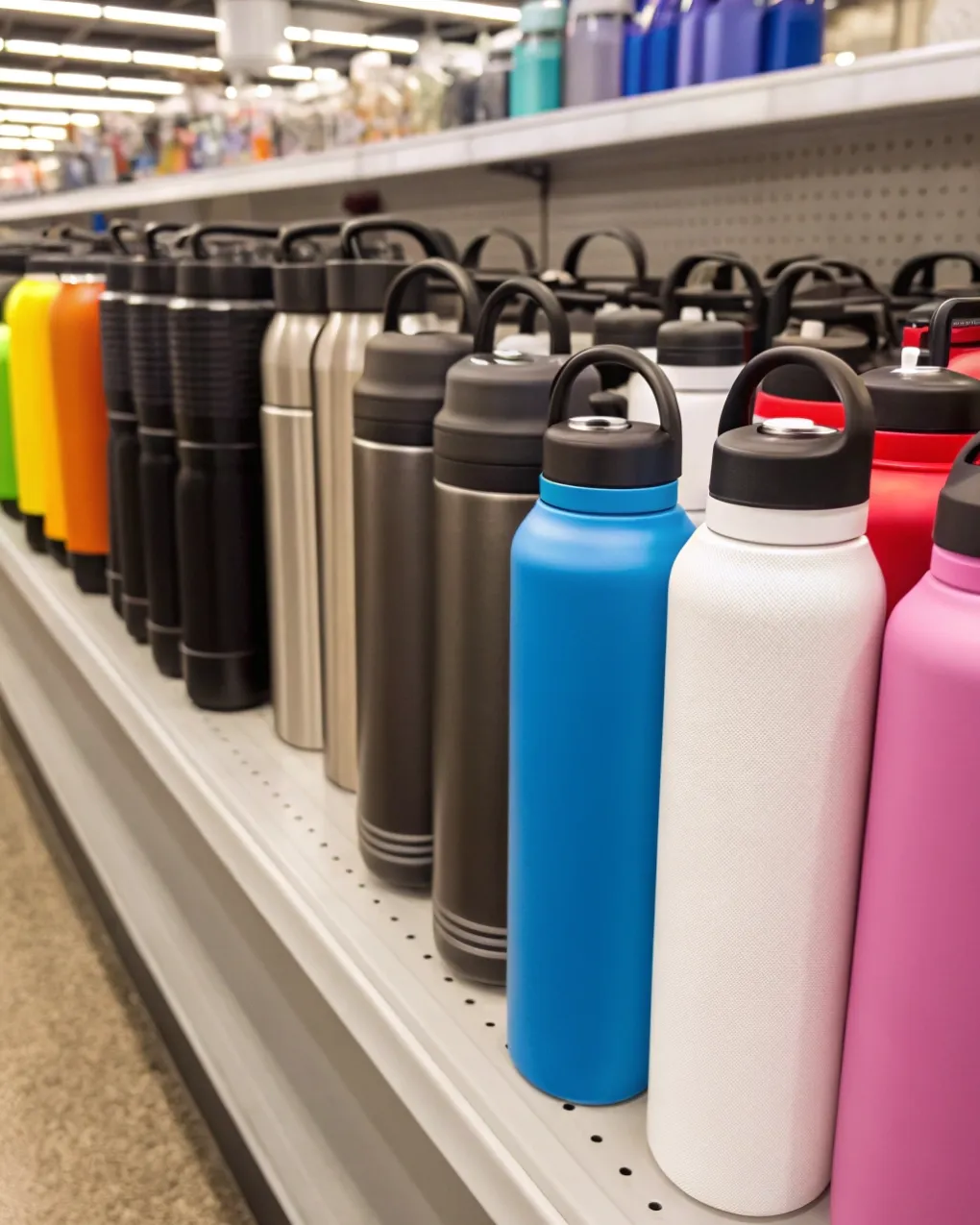
Your choice must begin with how you move through your day. If you spend your hours at an office desk, a large, heavy 32-ounce bottle with a straw lid works perfectly because it cuts down your trips to the water cooler. On the other hand, if you are a commuter who navigates crowded trains, a slim, leak-proof loop lid that fits inside your backpack side pocket is a much wiser selection.
You must also consider the physical weight of double-wall vacuum insulation. The extra layer of steel and the vacuum seal add significant weight before you even fill it with water. If you walk long distances, look for lightweight alloy designs. Finally, never compromise on maintenance; always buy a wide-mouth bottle so you can scrub the deep interior corners easily with a bottle brush to prevent mold growth.
Priority Feature | Best Fit For | Recommended Lid | Avoid If |
|---|---|---|---|
Slim & Lightweight | Commuters, travelers | Leak-proof screw cap | You need massive water volume |
Large Volume (32oz+) | Gym goers, long outdoor trips | Straw lid or sports cap | Your car cup holders are narrow |
Rugged Powder Coating | Hikers, site workers | Heavy-duty loop handle | You prefer a sleek, metallic look |
Wide-Mouth Opening | Easy cleaning, ice lovers | Chug lid or wide cap | You want to drink while driving |
Conclusion
Choosing the number one insulated water bottle requires looking past basic temperature specifications and selecting a durable, easily cleaned design that seamlessly supports your daily hydration habits.