Oct 23, 2026News & Insights
What Is the Purpose of a Tote Bag?
Tote bags offer versatile storage, durable construction, convenient carrying, and reusable sustainability, making them practical everyday essentials for shopping, commuting, travel, and branding.
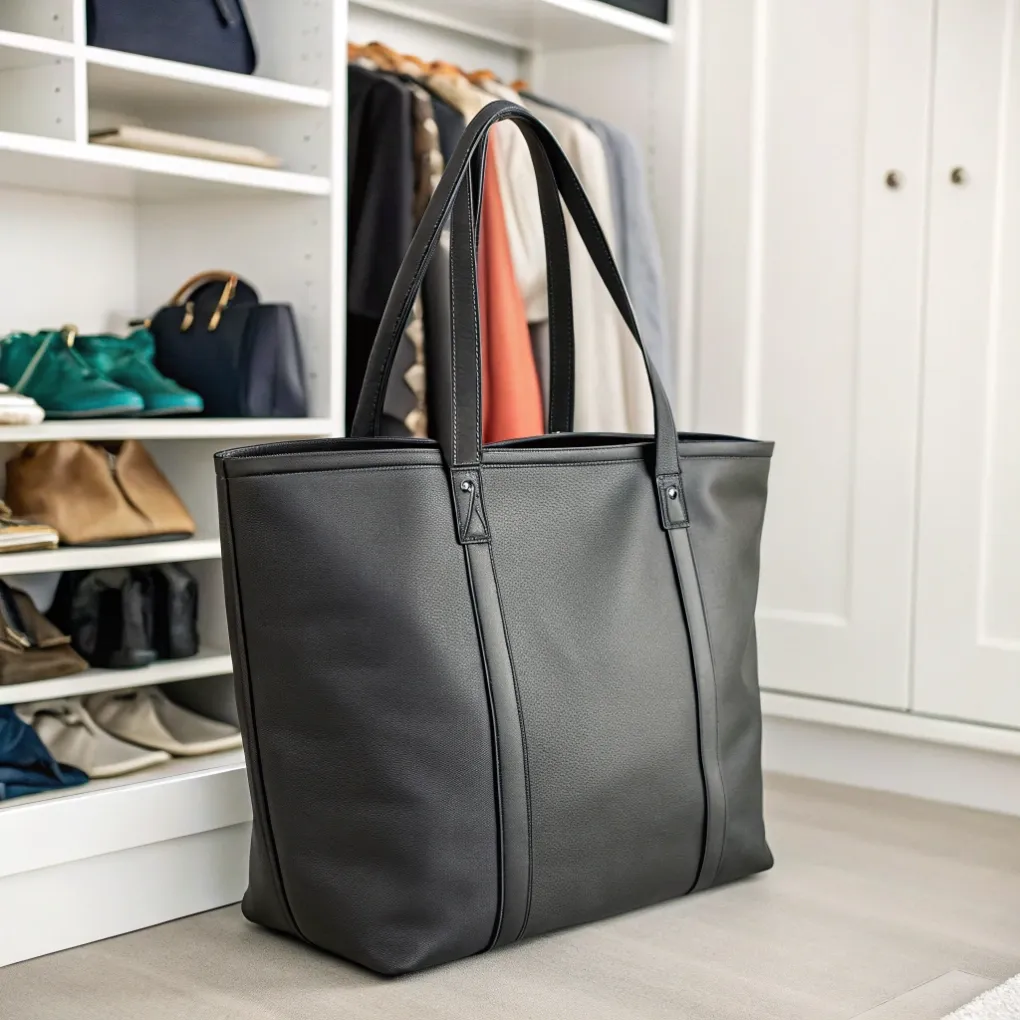
What Is the Purpose of a Tote Bag?
Most bags clutter your closet while failing to hold everyday items. You buy bulky totes that snap under heavy loads or leave your belongings disorganized. You can solve your daily carry problems with a well-made tote bag.
The main purpose of a tote bag is to provide a versatile, spacious, and reusable way to carry everyday essentials. It replaces single-use plastic bags, transports work documents securely, and serves as an accessible travel companion across different daily activities.
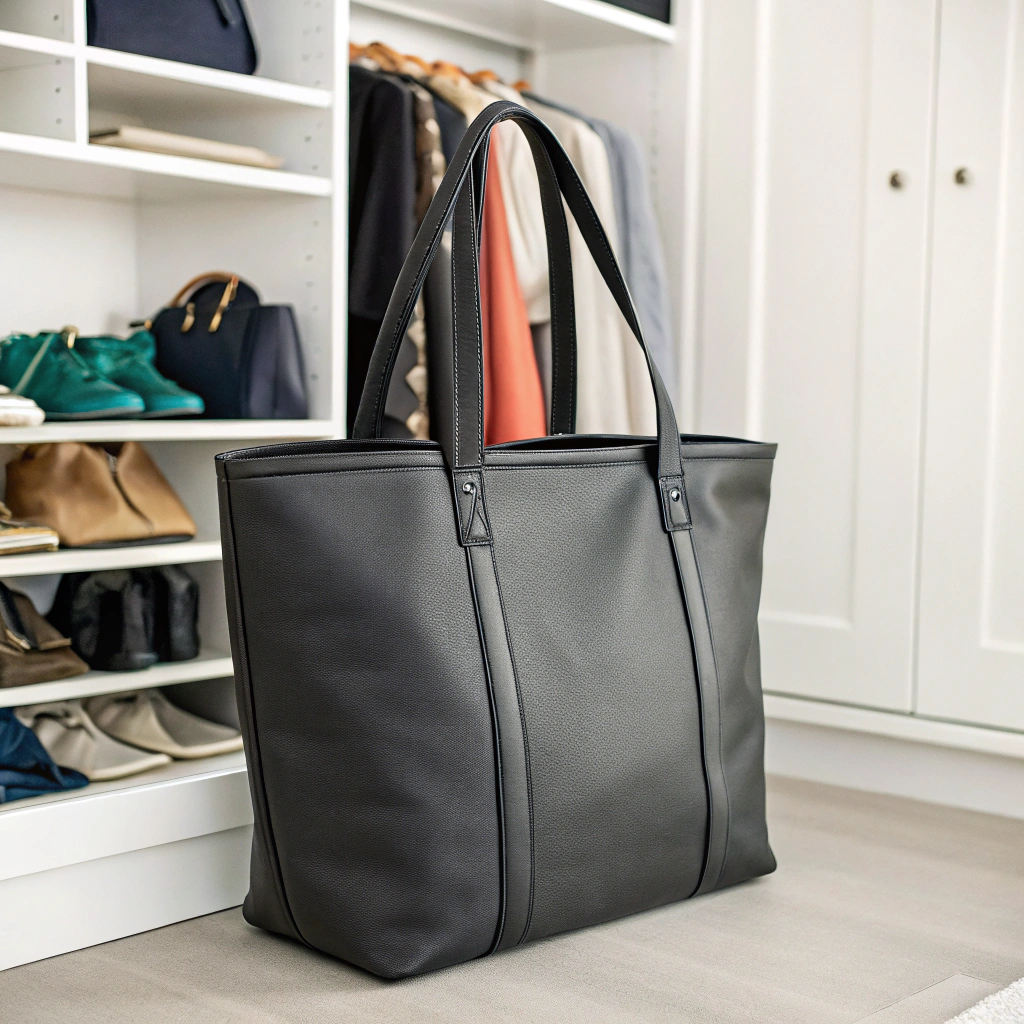
I spent years on textile production floors inspecting stitched seams and fabric weight before founding Latitude Experience. I saw how a simple piece of canvas transforms into a daily necessity when constructed with care. Marketing managers like Jacky in Singapore often order corporate tote bags for trade shows and brand campaigns. They need items that recipients will carry for months rather than throw away. I wrote this guide to show you how a tote bag solves real transport problems while building authentic brand utility.
What Is a Tote Bag Used For?
People often struggle to find one reliable bag for work, errands, and leisure. Carrying separate bags for laptops, groceries, and personal items creates unnecessary daily stress. You can simplify your routine using a functional tote bag.
A tote bag is used for carrying groceries, transporting work materials like laptops and notebooks, organizing travel essentials, and making daily commutes effortless while replacing disposable plastic options.
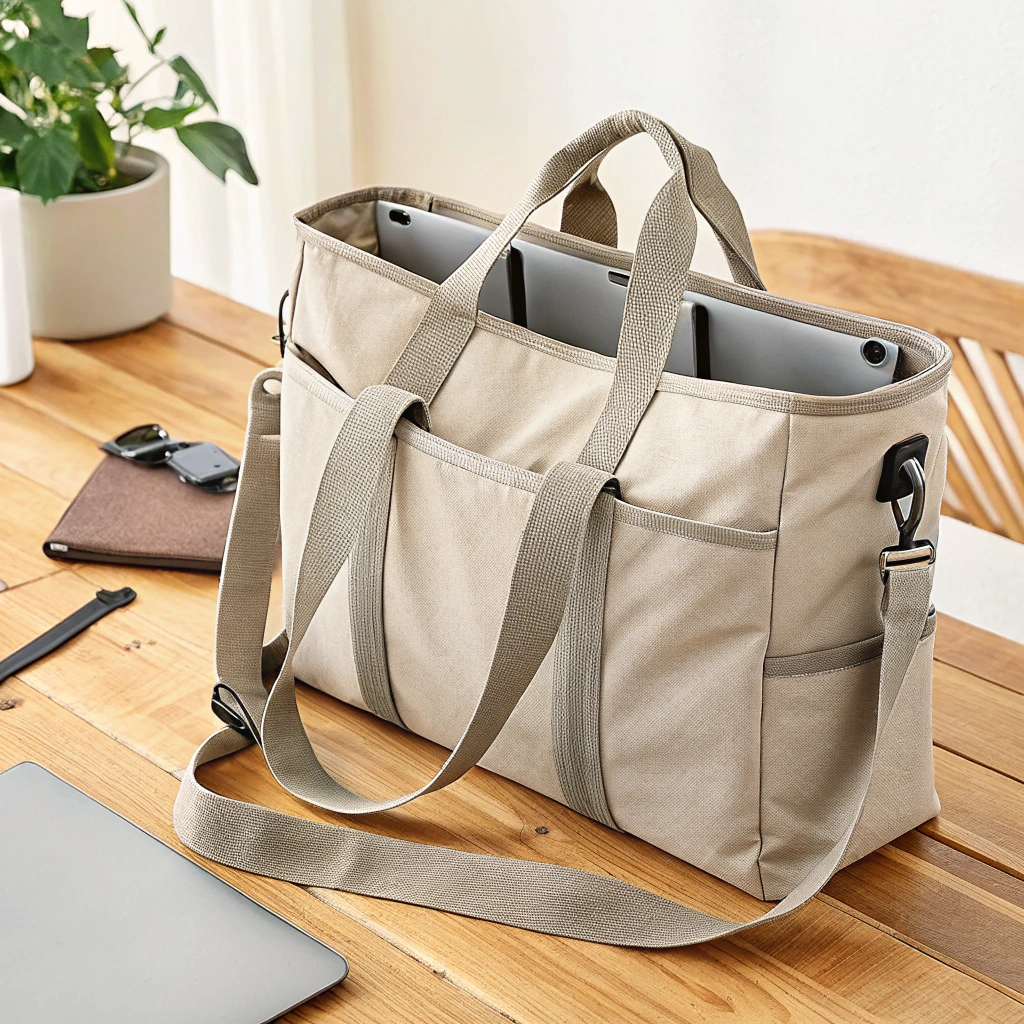
I learned through decades of manufacturing that versatility makes a product indispensable. A good tote bag adapts to your daily routine instantly. In the morning, it holds your laptop sleeve, lunch containers, and water bottle for the office commute. By evening, that same bag carries fresh groceries or gym clothes without needing a change of gear. When I inspect custom totes for corporate clients, I test the handle drop length and base width carefully. If the handles press uncomfortably into your shoulder, you will stop using the bag regardless of how good the logo looks. Functional design keeps your items organized and accessible throughout the day.
Common Daily Uses for Tote Bags
Usage Category | Key Items Carried | Essential Structural Feature | Practical Benefit Delivered |
|---|---|---|---|
Daily Office Commute | Laptops, planners, chargers, water bottles | Reinforced base and padded interior sleeve | Protects electronics and keeps documents flat |
Grocery Shopping | Fresh produce, dry goods, dairy cartons | Boxed bottom gusset and heavy canvas weave | Replaces single-use plastics with high load capacity |
Travel & Day Trips | Jackets, books, travel documents, snacks | Top zipper closure and quick-access side pocket | Keeps travel items secure and accessible on the go |
I always recommend choosing a tote with a structured base for heavy loads. A flat bottom prevents books and lunch boxes from tipping over during your commute.
Why Is It Called a Tote Bag?
Many people wonder where the unique name comes from when buying everyday bags. Understanding product history helps you appreciate why certain designs endure across decades of use. You can trace its origins back to a simple verb.
It is called a tote bag because the word “tote” means “to carry” or “to transport by hand.” Originating in the 17th century, the term was officially applied to large, open-topped canvas carryalls in the mid-20th century.
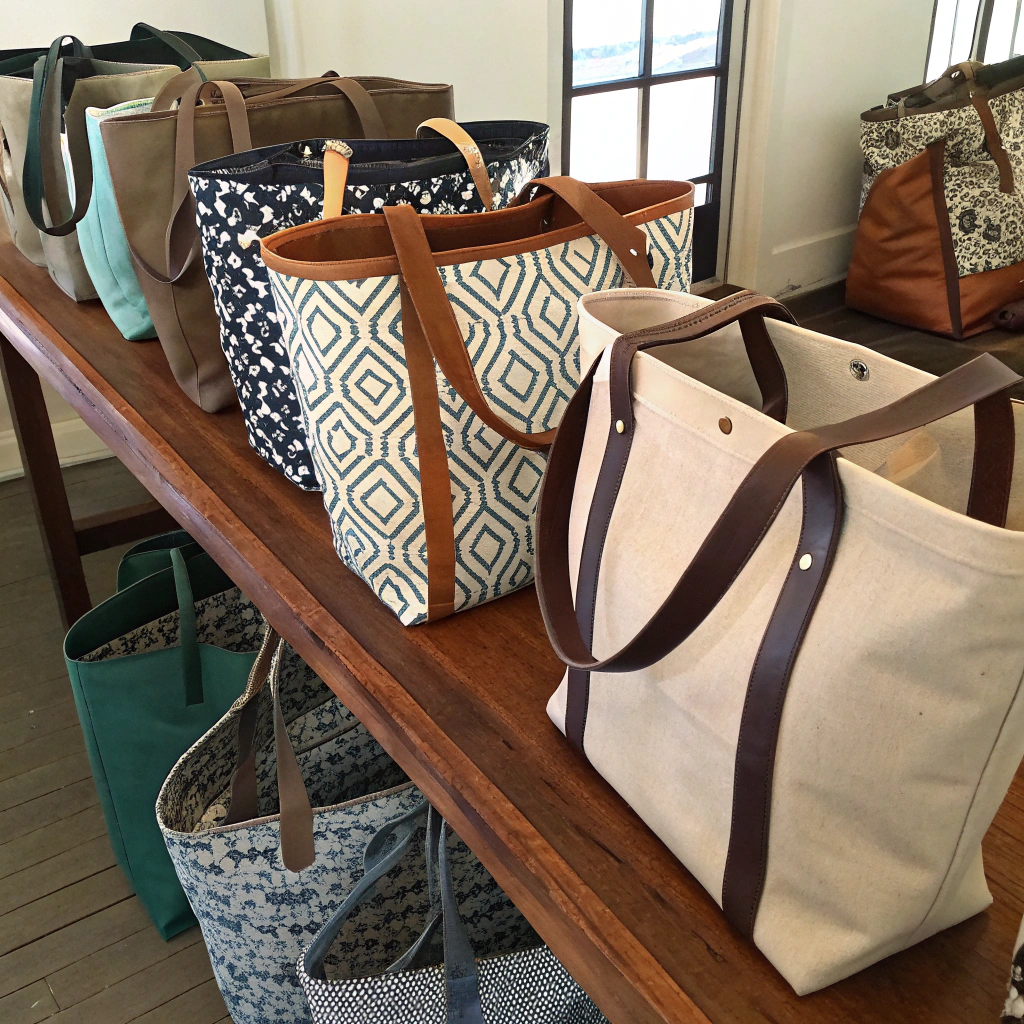
My time in textile history and factory production showed me how functional names stick to practical tools. The verb “tote” entered the English language centuries ago to describe hauling heavy loads manually. In 1944, L.L. Bean introduced a heavy-duty ice carrier made of stiff canvas, which people quickly adopted for general transport. That simple design feature—parallel handles emerging from the sides of an unzipped pouch—defined the modern tote bag layout. Today, the name represents any spacious bag built for quick loading and comfortable carrying. Understanding this history proves that durability and utility have always been the core purpose of a true tote bag.
Evolution of the Tote Bag Design
Historical Era | Primary Material Used | Original Functional Purpose | Modern Equivalent Use |
|---|---|---|---|
17th–19th Century | Coarse hemp and raw cotton cloth | Manual hauling of farm produce and ice | Bulk agricultural transport |
1940s–1950s | Heavy-gauge canvas duck | Carrying heavy blocks of ice from trucks | Rugged utility and beach totes |
1960s–Present | Canvas, rPET fabric, vegan leather | Everyday commuting, fashion, and branding | Versatile corporate and lifestyle carryall |
I respect designs that retain their original strength while adapting to modern needs. A classic tote relies on simple geometry to maximize internal carrying volume.
What Are 10 Benefits of a Tote Bag?
Disposable bags harm the environment, while flimsy handbags break under heavy loads. You waste money replacing cheap bags that lack space and comfort. You can enjoy long-term reliability by switching to a well-constructed tote bag.
The 10 key benefits of a tote bag are high storage capacity, eco-friendly reusability, long-term durability, effortless accessibility, cost-effective pricing, versatile styling, easy maintenance, strong corporate brand visibility, compact foldability, and comfortable carrying.
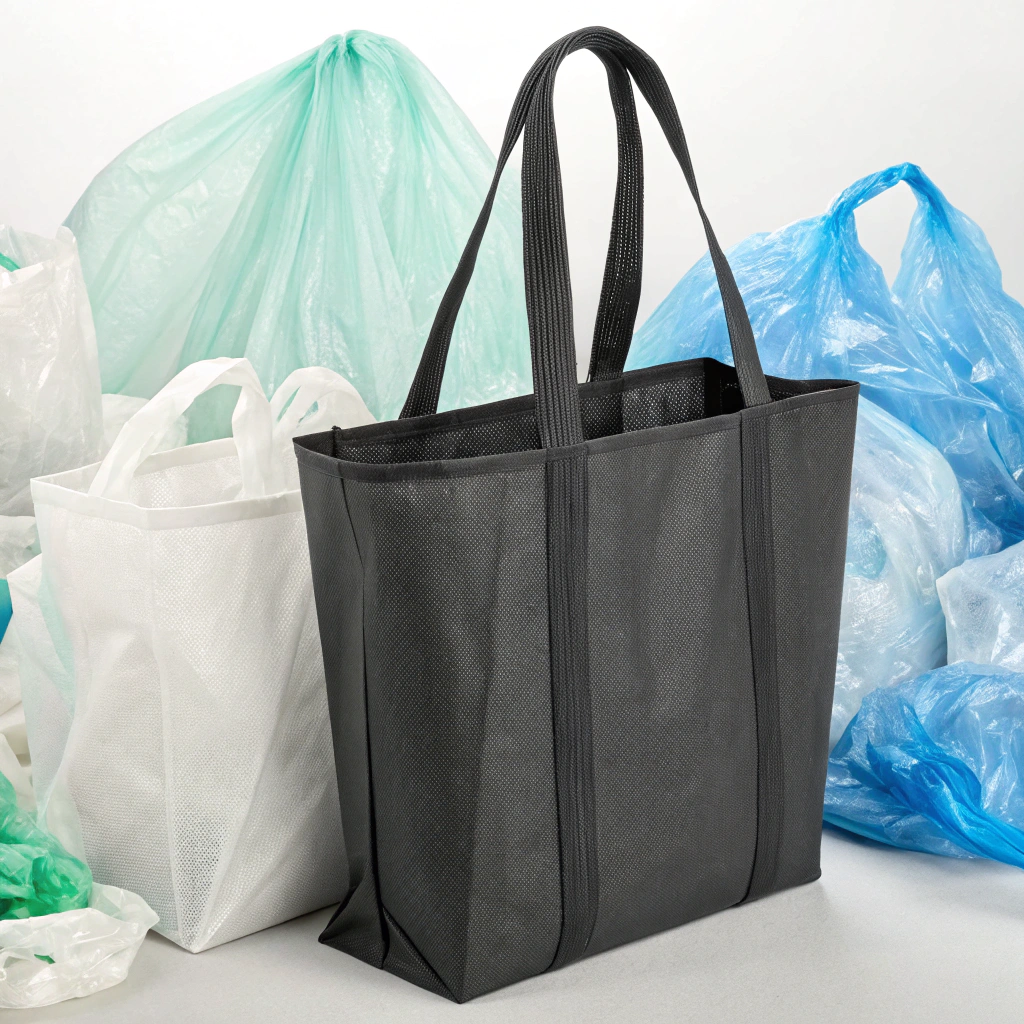
I build promotional products every day, and canvas totes consistently deliver the best value for both users and brands. When Jacky orders customized totes for a Singapore marketing launch, he gives recipients a practical item that lasts for years. A high-density canvas tote replaces hundreds of single-use plastic bags over its lifetime. The wide top opening allows you to pack and unpack items in seconds without struggling with complex buckles. Furthermore, thick cotton fabric washes easily in standard machines, making maintenance simple. Whether you need an affordable giveaway or a durable work companion, a good tote bag balances utility, style, and environmental responsibility better than almost any other accessory.
The 10 Primary Benefits Breakdown
Benefit Number | Core Advantage | Real-World Application | Impact on User Experience |
|---|---|---|---|
Benefit 1 | Generous Storage Capacity | Fits oversized binders, laptops, and groceries | Eliminates the need to carry multiple small bags |
Benefit 2 | Eco-Friendly Reusability | Replaces single-use retail plastic bags | Reduces household waste and supports green living |
Benefit 3 | Superior Material Durability | Sturdy canvas seams hold heavy weight | Prevents sudden handle snaps and dropped items |
Benefit 4 | Effortless Top Accessibility | Quick open access without restrictive zips | Saves time when grabbing keys or transport passes |
Benefit 5 | High Cost-Effectiveness | Long lifespan at an affordable purchase price | Delivers exceptional long-term utility per dollar |
Benefit 6 | Versatile Aesthetic Styling | Pairs easily with casual or business attire | Seamlessly transitions from office to weekend use |
Benefit 7 | Easy Cleaning & Maintenance | Machine washable or easy spot cleaning | Keeps your daily bag fresh and presentable |
Benefit 8 | Mobile Brand Exposure | Spacious flat panels display logos cleanly | Acts as a walking billboard for business campaigns |
Benefit 9 | Compact Travel Foldability | Packs flat inside suitcases or car gloveboxes | Provides instant spare storage whenever needed |
Benefit 10 | Comfortable Shoulder Carry | Wide flat straps distribute heavy loads evenly | Reduces shoulder strain during long daily commutes |
I inspect handle stitching across every batch we produce at Latitude Experience. Cross-stitching at stress points guarantees that your tote carries heavy loads comfortably without tearing.
Conclusion
A tote bag provides a practical, durable, and eco-friendly solution for carrying daily belongings while serving as a powerful branded accessory that simplifies everyday routines.