Oct 19, 2026News & Insights
What Kinds of Gifts Do Rich People Appreciate? The Art of Gifting When Money Is No Object
Wealthy individuals appreciate thoughtful gifts featuring personalized details, exceptional craftsmanship, practical utility, exclusive experiences, and understated elegance over extravagant price tag
What Kinds of Gifts Do Rich People Appreciate? The Art of Gifting When Money Is No Object
Do you freeze in frustration when selecting a gift for a high-net-worth individual, corporate VIP, or mentor because you know they can effortlessly purchase whatever they desire? Defaulting to recognizable luxury brand labels or expensive designer trinkets often backfires, turning what should be a thoughtful gesture into transactional, generic clutter.
Rich people appreciate gifts that offer bespoke personalization, friction-reducing daily utility, curated artisan craftsmanship, exclusive access, or time-saving experiences—prioritizing personal relevance, tactile provenance, and thoughtful restraint over conspicuous luxury price tags.

When I started my career working in a printing and corporate merchandise factory years ago, I handled orders for ultra-high-net-worth private banking clients, luxury conglomerates, and executive boardrooms. The gifts that earned a permanent place in their private offices and daily lives were never the ones screaming with golden logos or mass-market designer emblems. They were the items that solved subtle daily friction points, told a compelling human story, or reflected an intimate understanding of their personal routines. Let us examine what to give someone who already has everything, explore truly unique gifts that cut through luxury noise, and analyze what high-net-worth recipients genuinely value.
What to Gift a Rich Person Who Has Everything?
Are you wondering how to impress someone whose lifestyle already includes five-star hospitality, bespoke tailoring, and high-end tech? Trying to out-spend a wealthy recipient at retail is a losing strategy; the answer lies in shifting from commercial accumulation to emotional resonance and friction elimination.
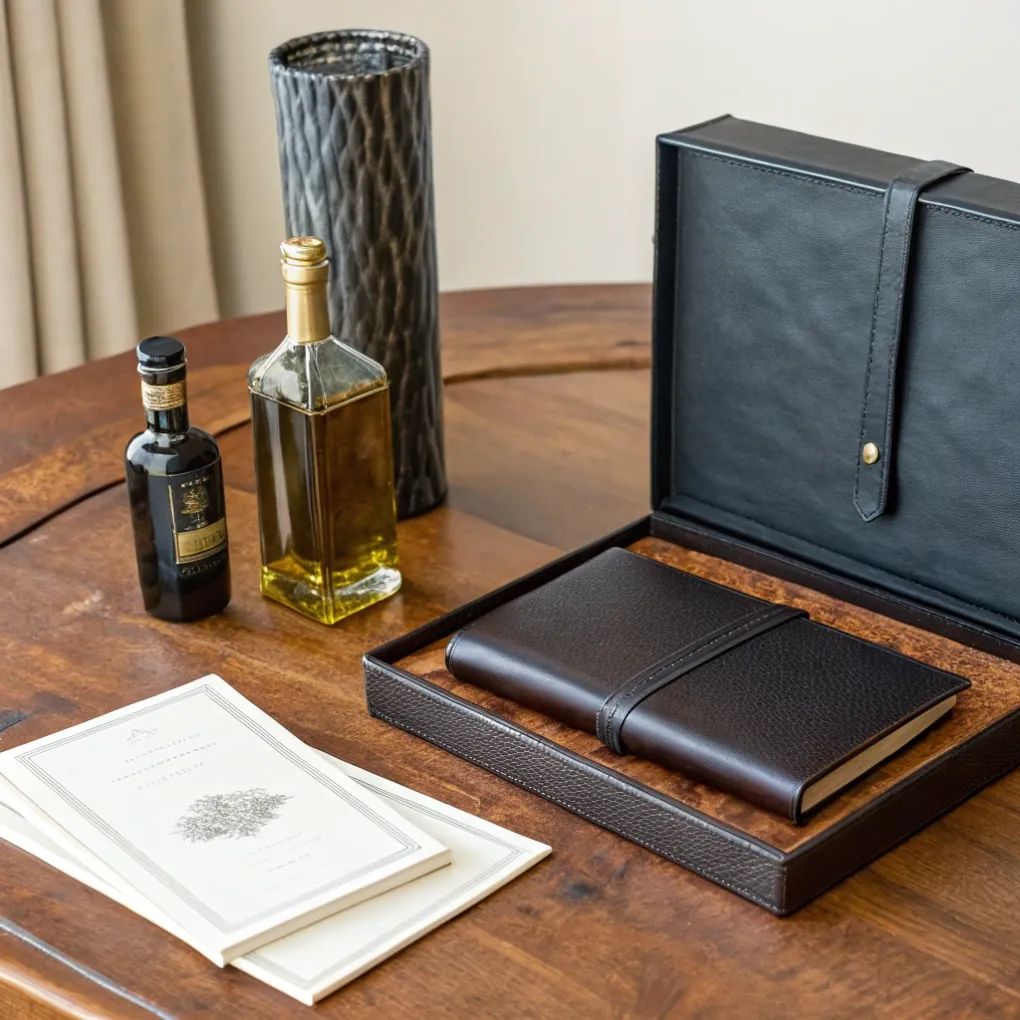
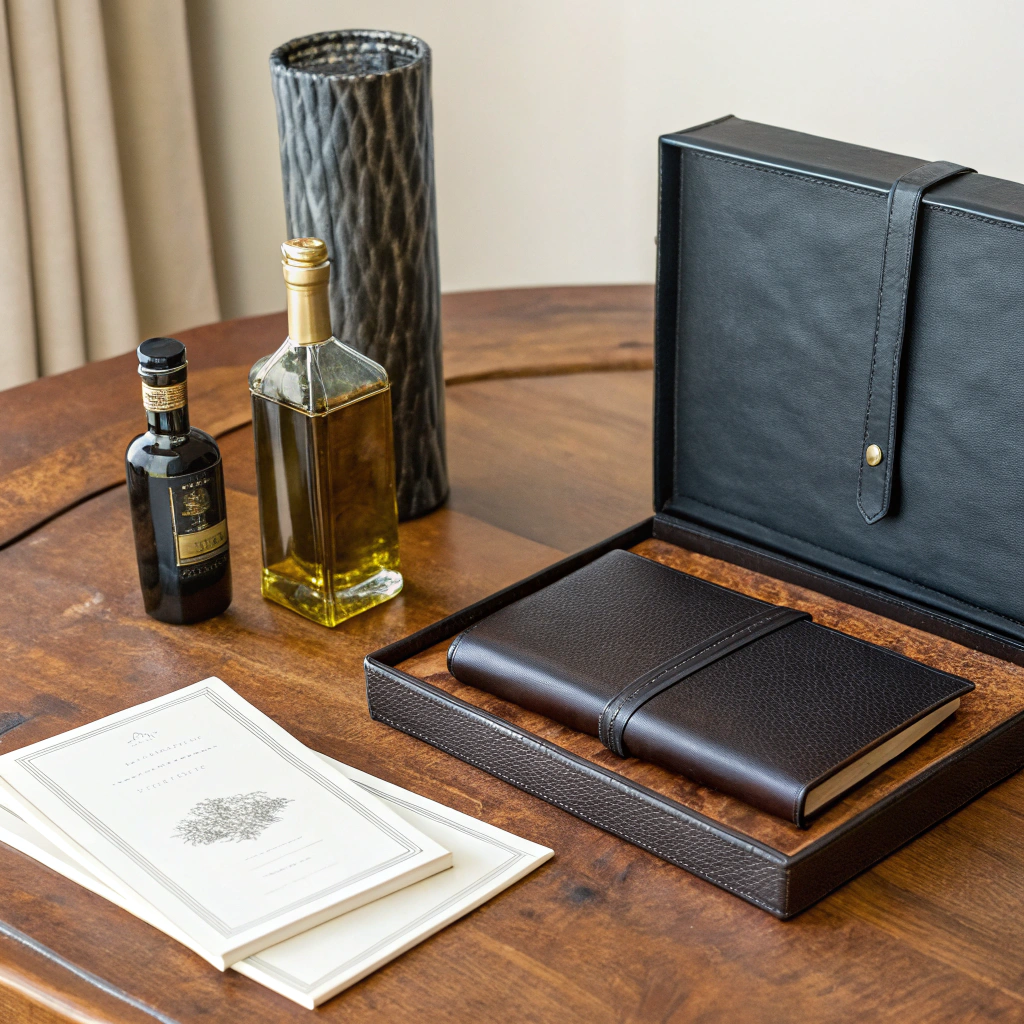
To gift a rich person who has everything, choose rare intellectual or sensory items—such as a first-edition or out-of-print book connected to their passion, an artisanal single-estate olive oil harvest, a custom archival leather document folio, or a charitable donation to an initiative they champion.
Time Reclamation, Intellectual Resonance, and Frictionless Curation
When financial constraints disappear, the scarcest resources become time, privacy, and authentic human connection. A high-net-worth entrepreneur or executive does not need another Swiss watch or department store crystal decanter. They value gestures that show you invested mental effort, research, and discernment:
- Archival & Curated Provenance: Sourcing a vintage, out-of-print architectural monograph, a verified first edition of a foundational literature piece, or a framed antique regional map from their hometown communicates deep personal attention. It is a gift money cannot buy with a simple click on a luxury e-commerce site.
- Consumable Terroir & Ephemeral Delights: Ultra-wealthy households often minimize physical clutter. Rare, small-batch gastronomic goods with verifiable provenance—such as an estate-bottled single-grove Tuscan olive oil harvested within the month, rare aged balsamic vinegar from Modena, or direct-trade ceremonial grade Uji matcha—deliver exquisite sensory delight without taking up permanent shelf space.
- Bespoke Time Restoration: Giving a service that eliminates operational friction, such as white-glove archival digitizing of family heirlooms or organizing home library catalogs, buys back their most irreplaceable asset: hours of focused living.
For marketing directors and brand consultants like Jacky structuring tier-one client gifting programs, pairing these high-touch choices with an understated, blind-debossed leather envelope transforms corporate appreciation into an enduring personal relationship.
High-Net-Worth Profile | Conventional Mistake to Avoid | Thoughtful High-Impact Alternative | Core Emotional Value Delivered |
|---|---|---|---|
C-Suite Executive / Founder | Flashy designer pen with massive logo | Machined brass rollerball + archival refill | Tactile, ergonomic daily writing pleasure |
Avid World Traveler | Bulky monogrammed leather duffel | Slim water-resistant Cordura cable folio | Eliminates airport bag clutter instantly |
Cultured Fine-Dine Enthusiast | Commercial supermarket champagne | Single-origin micro-lot olive oil / sea salt | Artisanal culinary purity; zero clutter |
Philanthropic Investor | Unnecessary crystal desk sculpture | Direct grant to their private family foundation | Validates shared human values & vision |
Unique Gifts for Rich People
Have you ever searched online for “luxury gifts,” only to find the same predictable roundups of designer luggage, watches, and smart gadgets? Finding an unforgettable gift requires moving away from assembly-line luxury and looking toward small-batch artisanal craftsmanship.
Unique gifts for rich people center on singular master-craftsman objects, bespoke commissions, custom heritage bindings, handmade studio ceramics, and hyper-curated private experiences tailored precisely to their niche intellectual hobbies.
Craftsmanship Over Brand Recognition: The “Quiet Craft” Principle
Conspicuous consumption is driven by the desire to project status to strangers through visible branding. High-net-worth individuals, by contrast, increasingly practice “stealth wealth” or “quiet luxury”—favoring exceptional material mastery that only someone with a trained eye can appreciate:
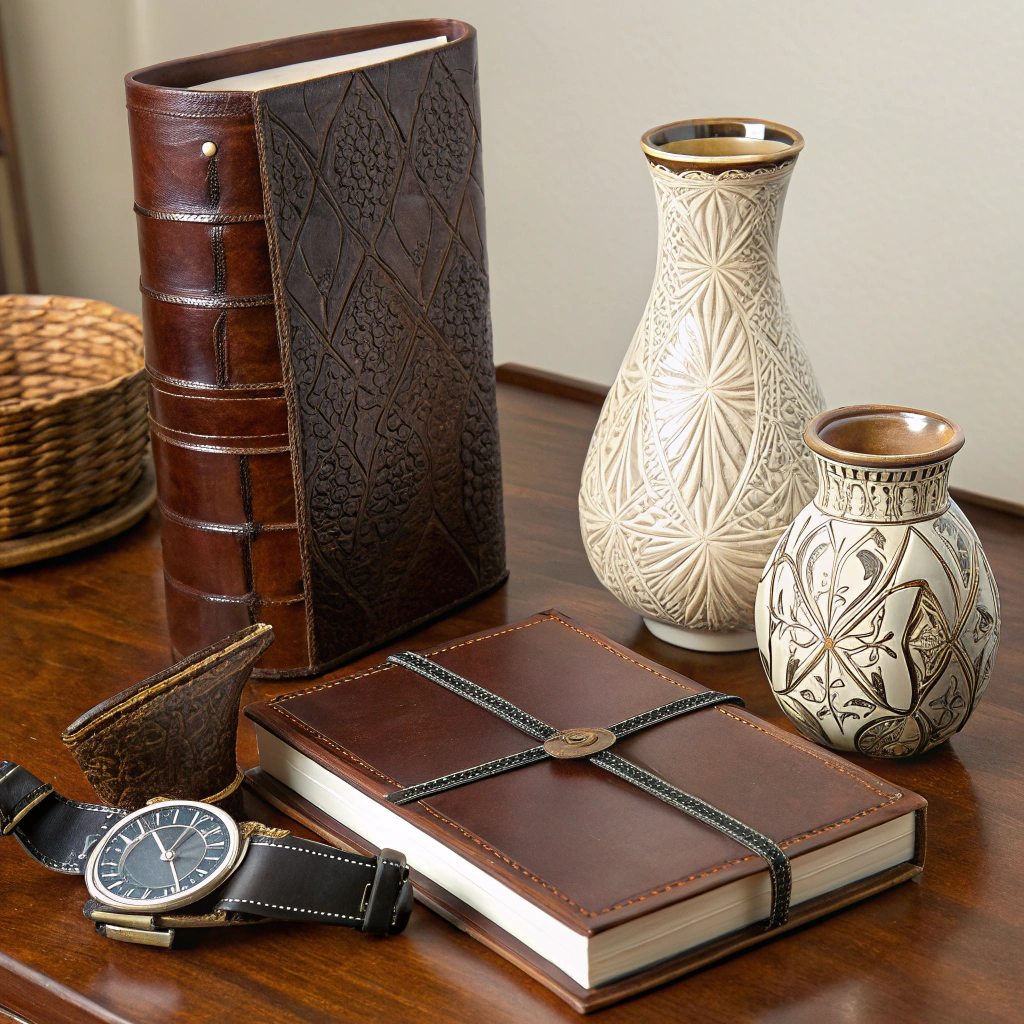
- Smyth-Sewn Custom Bookbinding: Commissioning a master bookbinder to bind an executive’s personal journal, speech manuscripts, or strategy notes using 120 GSM deckle-edge archival cotton paper wrapped in vegetable-tanned calfskin.
- One-of-a-Kind Studio Ceramics: A hand-thrown, wood-fired stoneware tea bowl or pour-over dripper crafted by an independent ceramic artist. The subtle imperfections, mineral glaze crystallization, and wabi-sabi texture offer an authentic character that industrial ceramic factories cannot replicate.
- Private Master-Class Access: Arranging a private session with an expert—such as a one-on-one pruning masterclass with an award-winning bonsai master, a closed-door gallery tour with a senior museum curator, or an evening tasting with a master tea sommelier.
- Custom Machined Desk Artifacts: Heavy, solid-block aluminum or brass desk tools—such as an analog mechanical hourglass calibrated to thirty minutes for uninterrupted deep-work sprints—bring architectural calm to busy digital workstations.
Unique Gift Concept | Material / Craft Benchmark | Production Scale | Distinction Factor |
|---|---|---|---|
Custom Bound Desk Ledger | Full-grain Nappa leather + hand-sewn spine | Bespoke / Single unit | Ages with an organic patina over decades |
Hand-Forged Gardening Tool | High-carbon Swedish steel + ash hardwood | Small-batch artisan forge | Perfectly balanced tool built to last a lifetime |
Estate Micro-Lot Tea Flight | Single-harvest wild Arbor tea cakes | Limited harvest (Numbered tins) | Untainted sensory terroir; zero artificial additives |
Curator-Guided Gallery Tour | Private after-hours institutional access | Exclusive single booking | Completely private intellectual enrichment |
What Kind of Gifts Do Rich People Like?
Are you wondering what structural criteria tie together the gifts that wealthy recipients keep, use, and remember? Across diverse industries and personal styles, successful gifting follows five core principles.
Rich people like gifts that solve subtle ergonomic problems, respect their physical and mental space, feature understated and unbranded aesthetics, provide flawless functional reliability, and arrive with a heartfelt, handwritten note of appreciation.
The Five Universal Pillars of High-Net-Worth Gifting
Evaluating any potential gift through these five criteria ensures your selection lands with elegance and grace:
- Pillar 1: Absolute Discretion (The Zero-Logo Rule): Never present an executive with an item dominated by corporate branding or loud designer logos. If branding is necessary for corporate compliance, place a micro-laser mark on the base or rely entirely on a removable, custom-printed packaging sleeve. The object itself should stand on its own design merits.
- Pillar 2: Ergonomic Superiority: True luxury is tactile comfort. A double-wall vacuum tumbler must feature a food-grade 18/8 stainless steel interior passivated to prevent metallic off-flavors, paired with a ceramic interior glaze and a balanced center of gravity that feels effortless in the hand.
- Pillar 3: Zero Obligation or Maintenance Friction: Avoid living gifts (like exotic pets or high-maintenance plants) or massive decorative furniture that forces the recipient to reorganize their home or office. A gift should never feel like a chore.
- Pillar 4: Emotional Specificity: The accompanying card is often the most valuable element in the box. A handwritten note on heavy, watermarked cotton stock detailing a specific memory, a lesson learned under their mentorship, or gratitude for their guidance transforms an understated physical object into a treasured keepsake.
- Pillar 5: Compliance and Ethics: In institutional corporate environments, ensure the gift value complies with internal corporate anti-bribery policies (such as the FCPA, UK Bribery Act, or Singapore CPIB limits). A modest, beautifully curated $75 artisan gift accompanied by a sincere message will be warmly accepted, whereas an ostentatious $1,000 gift may be refused by compliance officers.
Operational Dimension | What to Choose (High Appreciation) | What to Avoid (Friction & Clutter) |
|---|---|---|
Branding Placement | Blind deboss, tone-on-tone, or unbranded core | Massive high-contrast corporate screen prints |
Product Form Factor | Compact, portable, everyday functional essentials | Bulky decorative statues, large framed prints |
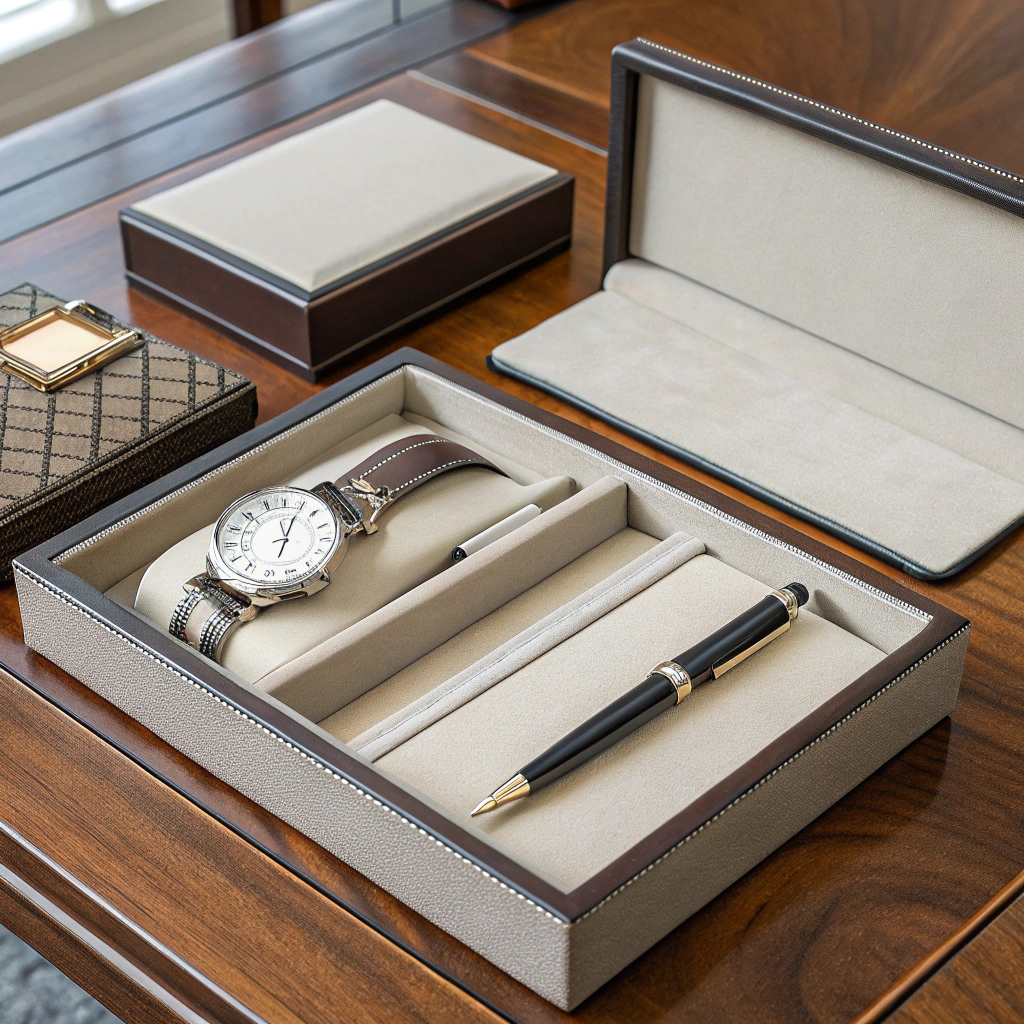
Packaging Experience | Rigid presentation box with linen texture & wax seal | Cheap plastic blister packs or glossy shrink-wrap |
Accompanying Note | Sincere, handwritten note citing specific moments | Pre-printed corporate holiday template card |
Product Origin | Verifiable independent artisan with a clear story | Mass-market department store assembly-line items |
Conclusion
Rich people appreciate gifts that reflect genuine human discernment, understated craftsmanship, and daily functional utility over price-tag extravagance, proving that true value lies in how thoughtfully an object enriches the recipient’s life.