Sep 22, 2026News & Insights
What Makes a Handmade Canvas Bag Truly Valuable?
A handmade canvas bag combines durable fabric, reinforced stitching, practical design, and artisan character for reliable everyday use.
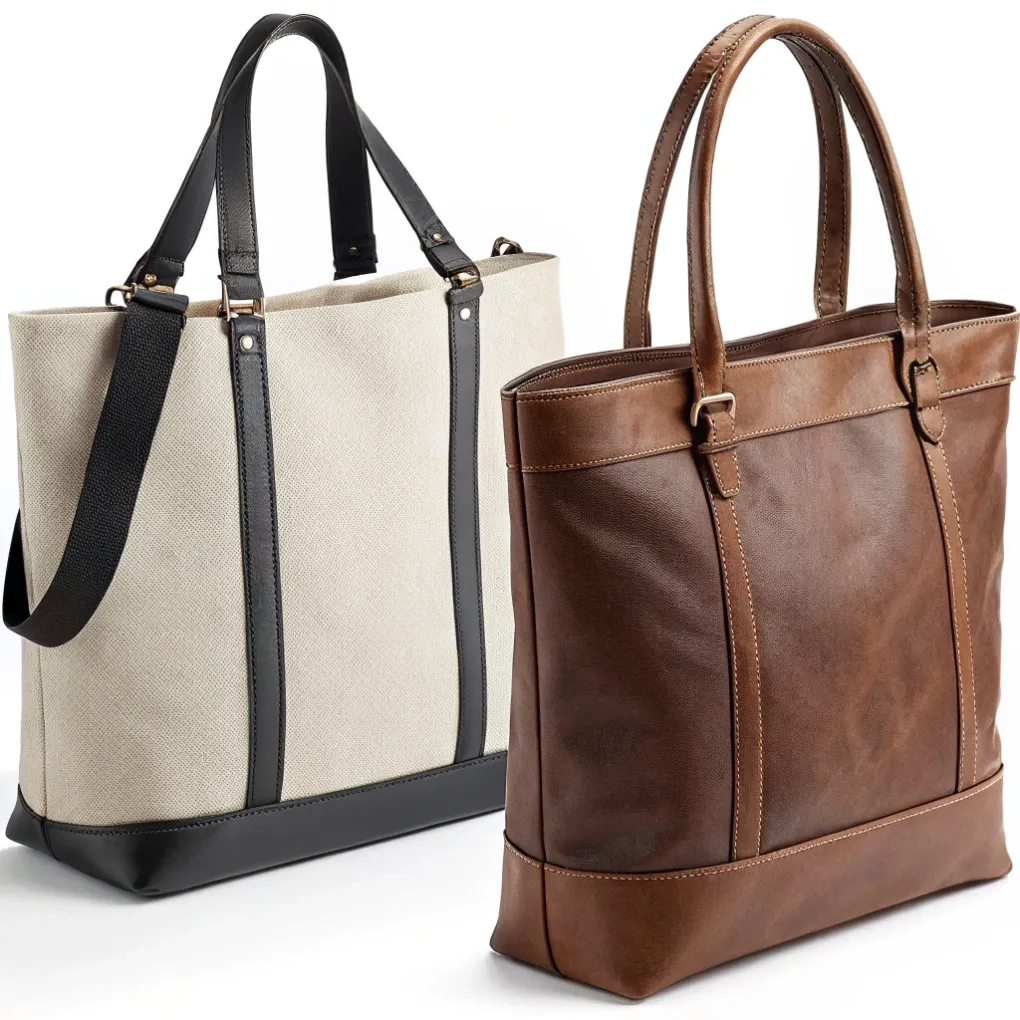
What Makes a Handmade Canvas Bag Truly Valuable?
Do you pick handmade canvas totes expecting artisanal longevity, only to have seams unravel under grocery weight or handles snap at the seams? Assuming every handmade item is automatically durable leads to frustration and wasted investment.
A handmade canvas bag earns its value through purposeful textile selection, heavy-duty load-bearing stitching, functional pattern architecture, and an authentic human touch that softens and develops unique character over years of daily use.
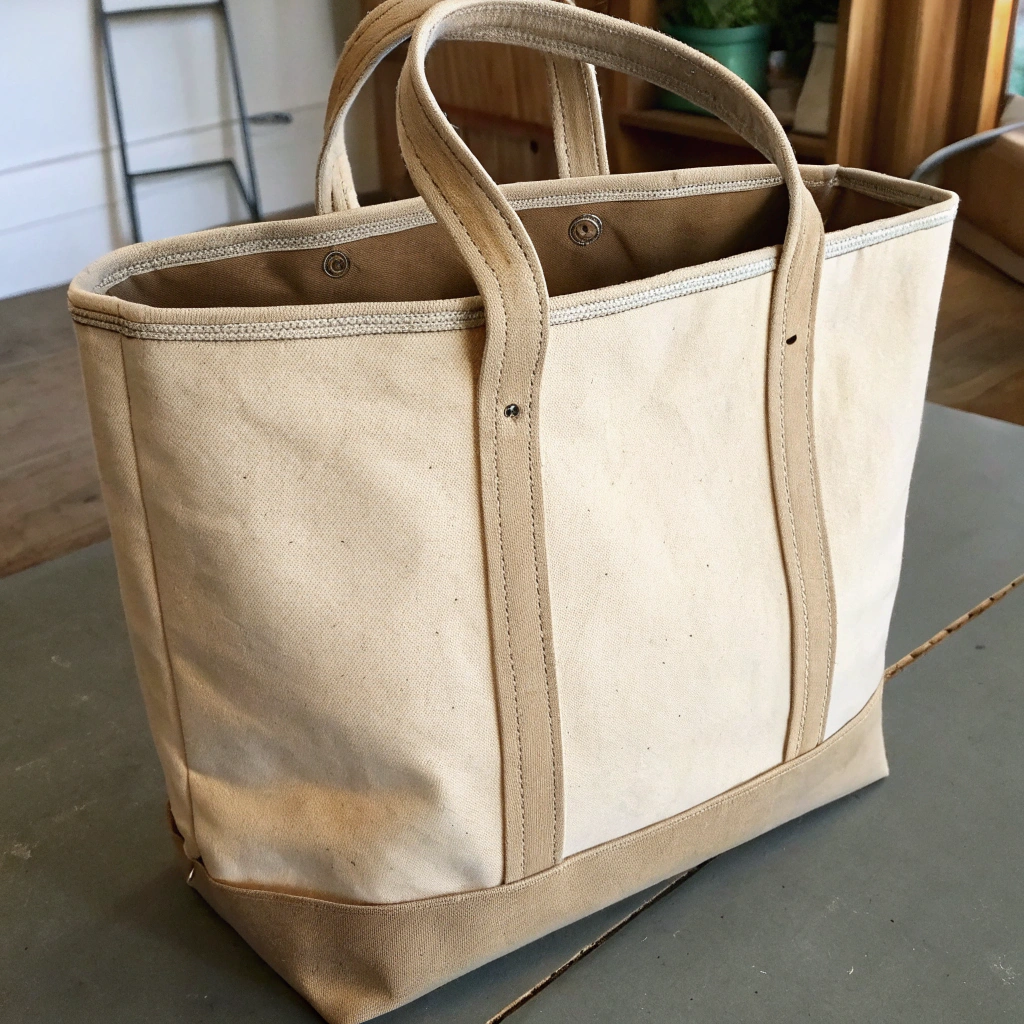
When I started my career working in a printing and textile fabrication factory years ago, I handled thousands of automated production runs alongside bespoke artisan orders. Mass production excels at speed and micrometer consistency, but a skilled maker crafts with structural intention. A genuine handmade bag is not just an accessory; it is a mechanical tool designed to transport your daily life. Let us explore whether you can craft your own canvas bag, evaluate the real-world downsides of canvas, and compare canvas against traditional leather.
Can I Make a Bag Out of Canvas?
Are you wondering if a standard home sewing setup can handle dense, tightly woven canvas without breaking needles or jamming thread bobbins? Jumping into heavy textile construction without the right tools leads to warped panels and failed seams.
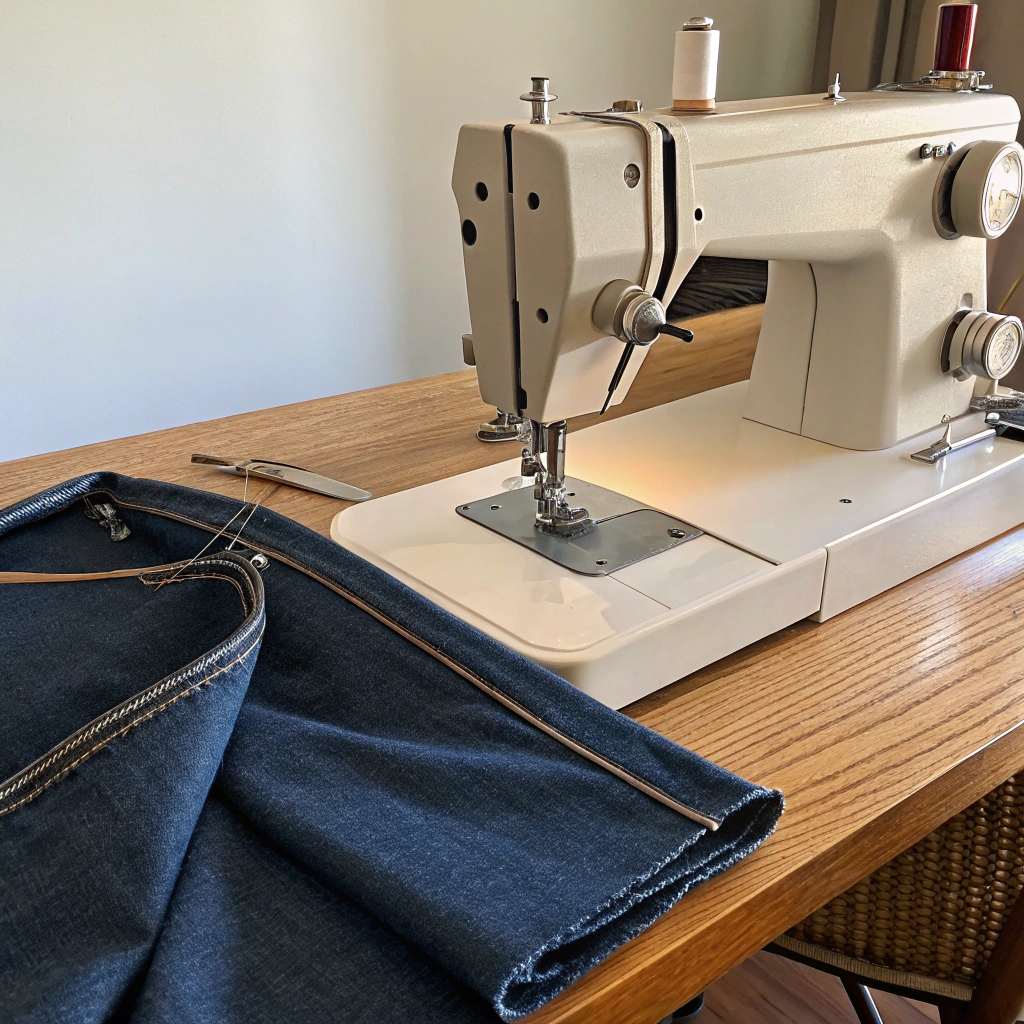
Yes, you can easily make a bag out of canvas at home using a heavy-duty domestic sewing machine, size 100/16 to 110/18 jeans needles, bonded nylon or heavy polyester thread, and pre-washed 10 to 12 oz duck canvas.
Machine Tolerances, Needle Mechanics, and Structural Joinery
Crafting a durable canvas bag requires matching machine mechanics to textile thickness. Standard 80/12 universal sewing needles bend and snap when penetrating multi-layer canvas seams. You must use specialized denim or jeans needles (size 100/16 or 110/18), which feature a sharp, reinforced shaft and a modified point designed to pierce dense duck weaves without deflecting.
Thread selection is equally critical. Standard cotton dressmaking thread rots when exposed to rain and snaps under heavy tension. Instead, select bonded nylon or heavy-duty all-purpose polyester thread (Tex 60 to Tex 70). When joining the handles to the body, never rely on a single horizontal row of stitches; use an industrial “box-and-cross” (X-box) stitch. This geometry distributes the downward payload evenly across 16 square centimeters of fabric, preventing handle tear-out under heavy laptop or grocery loads.
Tool / Material Component | Beginner Mistake to Avoid | Recommended Maker Specification | Structural Why / Functional Benefit |
|---|---|---|---|
Sewing Needle | Standard 80/12 Universal needle | Size 100/16 or 110/18 Jeans Needle | Pierces dense 12 oz duck canvas without breaking |
Thread Type | Weak 100% spun cotton sewing thread | Bonded polyester or Tex 70 nylon | Resists abrasion and UV rot; holds 15 kg tension |
Handle Stitching | Single straight horizontal seam | Reinforced Box-and-Cross (X-Box) Join | Disperses stress across multiple load paths |
Internal Seams | Raw open-cut fabric edges | French seams or cotton twill bias binding | Encapsulates raw fibers to prevent internal fraying |
What Are the Downsides of Canvas Bags?
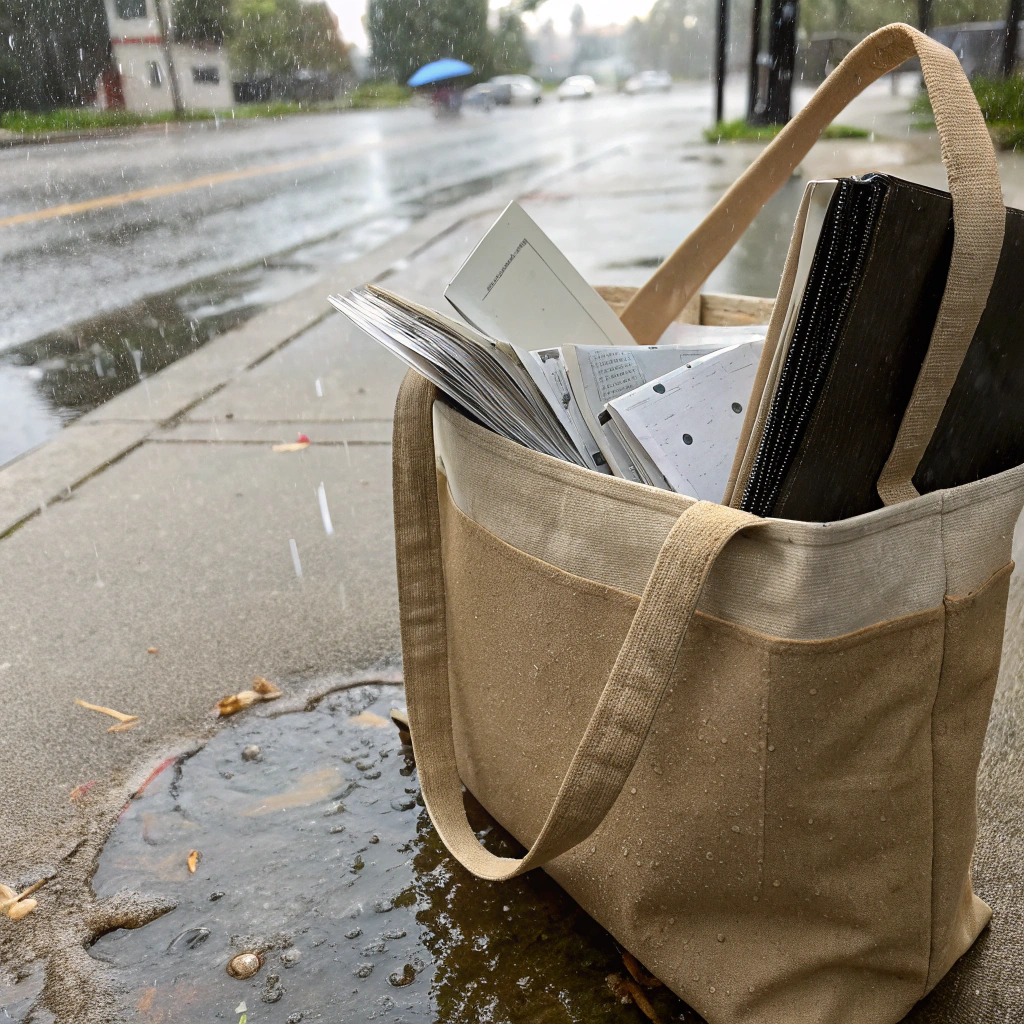
Do you carry an untreated canvas tote during sudden rainstorms, only to find your documents soaked and the bottom panel stained with watermarks? Understanding the physical limitations of woven cotton allows you to maintain and protect your gear properly.
The main downsides of canvas bags are lack of natural water resistance, vulnerability to dirt and coffee stains, longer air-drying times, and an unstructured, floppy body that can make finding small items difficult.
Moisture Absorption, Soil Penetration, and Structural Collapse
The very quality that makes untreated cotton canvas breathable—its open, absorbent cellulose fiber structure—also makes it a sponge for moisture. In heavy rain, raw canvas absorbs water, becoming heavy and exposing internal electronics to water damage. Furthermore, once oily coffee stains or road grime penetrate raw cotton fibers, hot-water machine washing can cause the natural cotton duck to shrink by 5% to 8% and lose its crisp body.
To mitigate these drawbacks, experienced makers and brands apply paraffin or beeswax coatings to create traditional “waxed canvas,” which forces rain to bead off the surface like a raincoat. For corporate merchandise managers like Jacky designing executive gifts, adding internal lining fabrics—such as 210D water-repellent nylon—and incorporating recessed top zippers solves the water vulnerability while preserving the timeless, organic aesthetic of the canvas exterior.
Physical Limitation | Root Material Cause | Real-World User Impact | Practical Prevention / Solution |
|---|---|---|---|
Water Permeability | Porous cellulose fibers absorb liquids | Soaked laptops and stained base panels | Apply canvas wax or water-repellent DWR spray |
Stain Susceptibility | Open basketweave traps dirt and oils | Difficult spot cleaning; water rings form | Select dark natural dyes or paraffin wax finishes |
Textile Shrinkage | Unsanforized raw cotton shrinks in heat | Bag warps and puckers if machine dried | Always pre-wash fabric; air-dry only |
Lack of Rigidity | Soft woven drape without internal stiffeners | Bag collapses; keys sink to bottom | Add structured base-boards and zip organizer pockets |
Which Is Better, a Canvas Bag or a Leather Bag?
Are you debating between the relaxed utility of a canvas bag and the executive polish of a full-grain leather tote? Comparing material performance helps you select the right companion for your commuting and gifting needs.
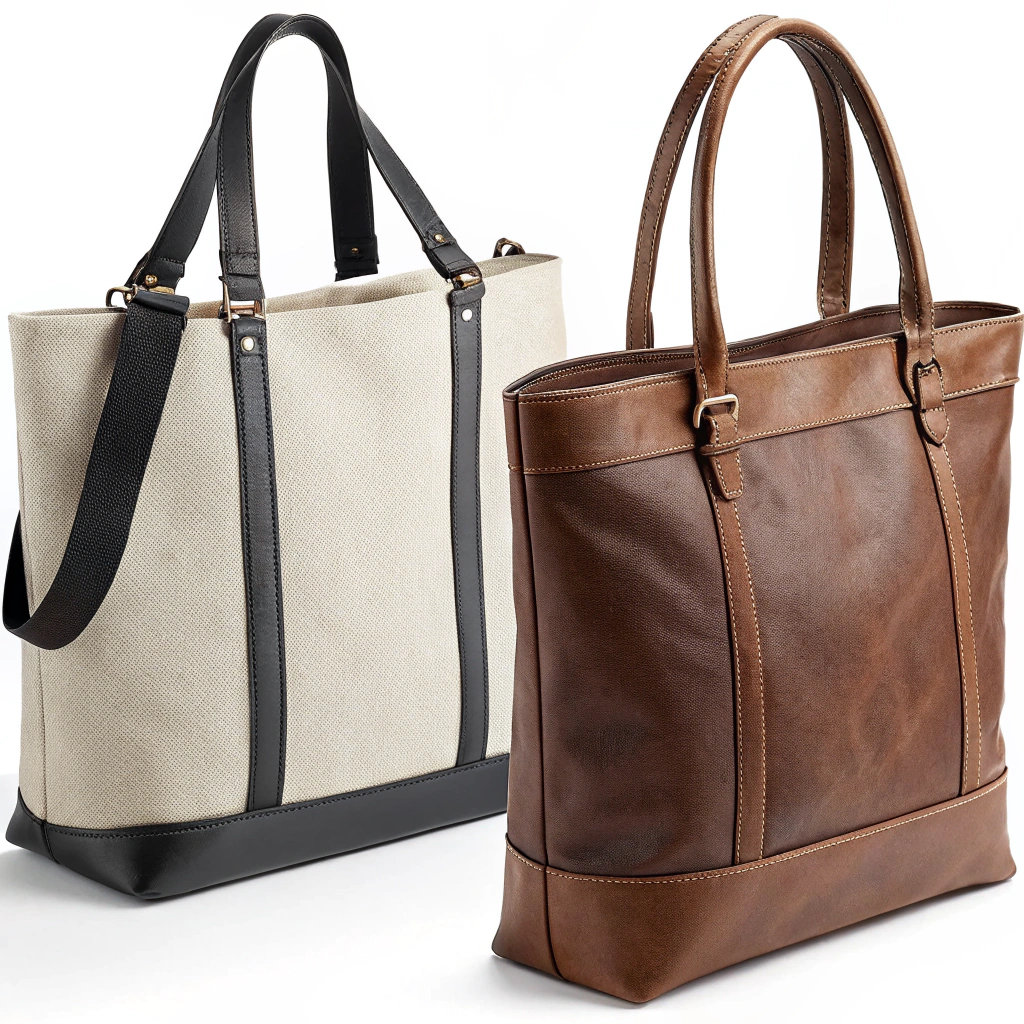
A canvas bag is better for lightweight everyday commuting, casual weekend errands, and machine washability, while a leather bag is better for formal corporate environments, weather resistance, and long-term executive prestige.
Weight Profiles, Maintenance Rituals, and Contextual Formality
The decision between canvas and leather comes down to daily weight and professional setting. A 14 oz cotton duck canvas tote weighs approximately 400 to 500 grams empty, making it an effortless shoulder carry during long subway commutes or market strolls. An equivalent full-grain leather bag often weighs 1.2 to 1.8 kilograms empty, placing noticeable strain on shoulders before you even pack a laptop and water bottle.
However, leather provides unmatched structure, natural water resistance, and executive formality. In corporate boardrooms and high-stakes B2B negotiations, a leather folio communicates permanence and authority. Canvas, conversely, excels in creative, agile, and casual lifestyle spaces. When brands want the best of both worlds, hybrid construction—pairing a heavy waxed canvas body with vegetable-tanned leather handles and brass rivets—delivers rugged elegance at a manageable carry weight.
Comparison Metric | Heavyweight Cotton Duck Canvas (14 oz) | Full-Grain Bovine Leather | Winner by Context |
|---|---|---|---|
Empty Carry Weight | Ultra-lightweight (350 to 550 g) | Substantially heavy (1,200 to 1,800 g) | Canvas: Superior comfort for walking |
Workplace Formality | Casual, creative, and relaxed | Formal, authoritative, executive | Leather: Essential for C-suite settings |
Weather Resistance | Low (Unless treated with paraffin wax) | High (Naturally resists rain showers) | Leather: Better protection for electronics |
Maintenance Routine | Simple spot-wash with mild soap | Regular conditioning with leather balms | Canvas: Low-maintenance daily care |
End-of-Life Biodegradability | 100% Biodegradable (Pure natural cotton) | Biodegradable (If vegetable-tanned) | Canvas: Lower carbon footprint |
Conclusion
A handmade canvas bag succeeds when craftsmanship prioritizes reinforced load-bearing construction and appropriate fabric density over purely decorative details, creating a durable, personal companion that gains character through years of reliable daily use.