Sep 22, 2026News & Insights
What Makes Insulated & Stainless Steel Water Bottles the Gold Standard for Daily Hydration?
Insulated stainless steel water bottles combine vacuum insulation, food-grade steel, durability, and safe design to deliver reliable temperature control for everyday hydration.
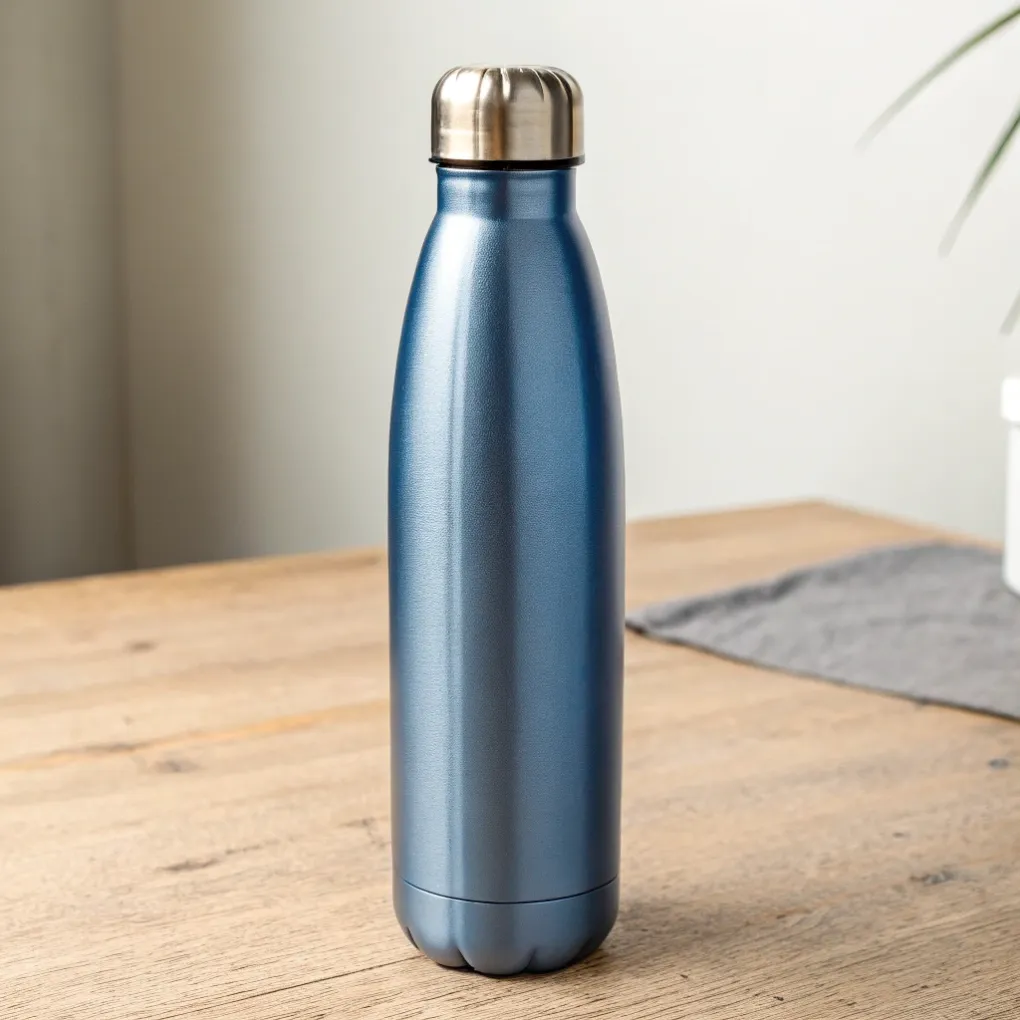
What Makes Insulated & Stainless Steel Water Bottles the Gold Standard for Daily Hydration?
Do you fill a bottle in the morning only to find your water lukewarm and stale by lunch, or worry that synthetic containers are degrading into your drink? Relying on single-wall bottles leaves your drinks vulnerable to ambient heat and compromises your daily hydration routine.
Insulated stainless steel water bottles are the gold standard for everyday carry because their double-wall vacuum chambers lock in beverage temperatures for 12 to 24 hours, while food-grade 18/8 (304) steel offers lifetime durability, odor resistance, and pure taste.
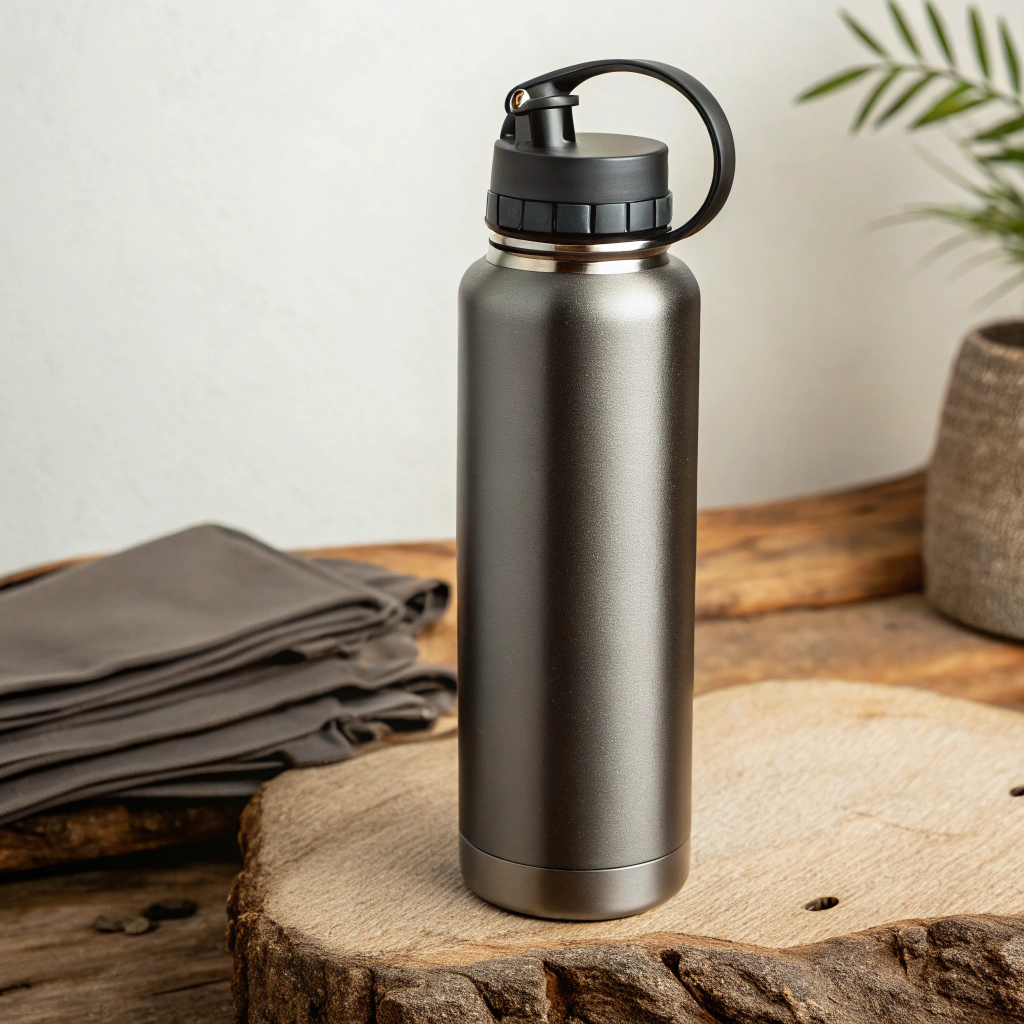
When I started my career working in a printing and corporate merchandise factory years ago, I handled thousands of promotional drinkware units. The difference between a cheap souvenir and an indispensable daily companion comes down to vacuum engineering and metal integrity. A bottle earns its place in your routine when it keeps ice solid during long commutes and survives accidental drops onto pavement. Let us examine what makes a bottle truly exceptional, evaluate health safety profiles, and check whether boiling water can be safely used.
What Is the Best Insulated Stainless Steel Water Bottle?
Are you overwhelmed by hundreds of lookalike metal flasks online, unsure which internal specifications deliver true vacuum performance? Choosing an under-engineered bottle results in sweaty exterior walls, dented bases, and failing seals.
The best insulated stainless steel water bottle combines a double-wall vacuum chamber with internal copper lining, food-grade 304/316 steel construction, a wide-mouth opening for thorough cleaning, and a leak-proof insulated cap.
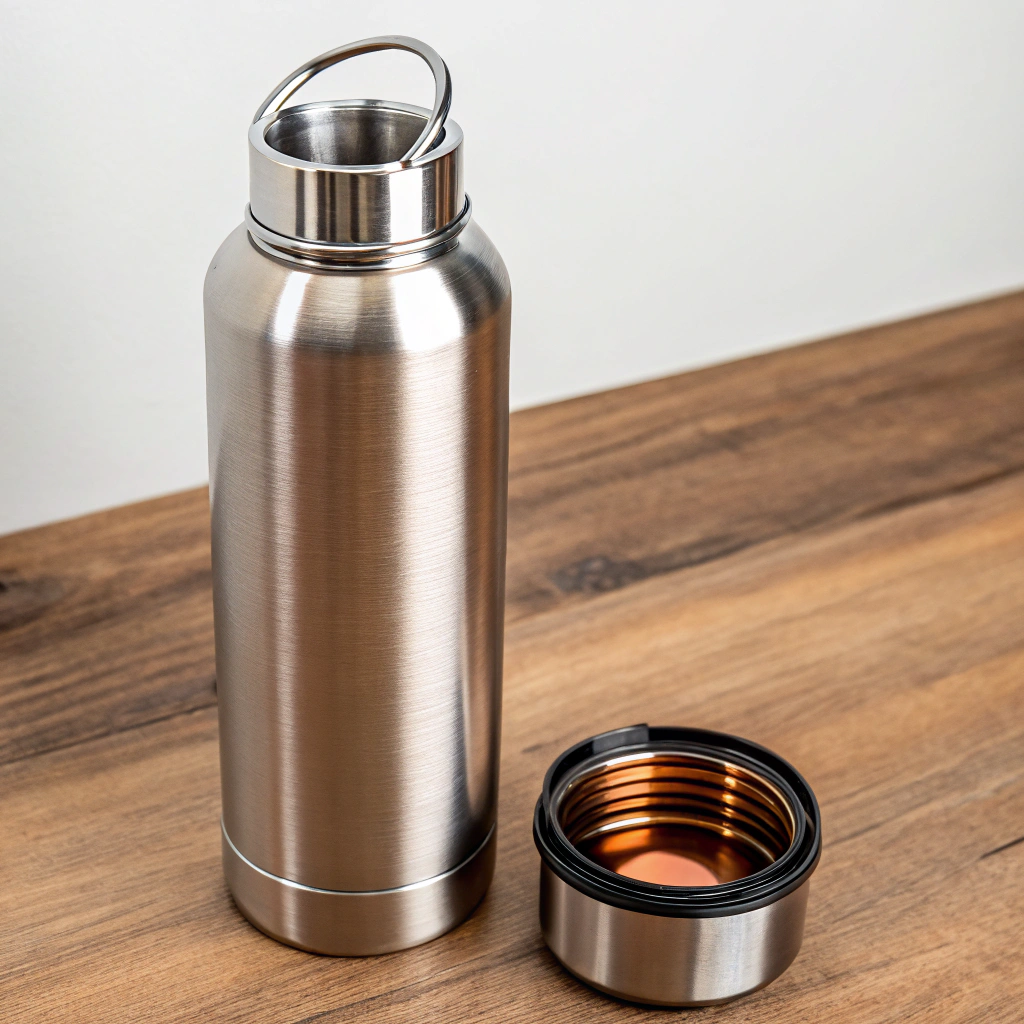
Vacuum Chambers, Copper Plating, and Thermal Engineering
The secret behind exceptional thermal retention is the vacuum seal between two stainless steel walls. Conduction and convection require air molecules to transfer heat; removing that air creates a thermal barrier that stops temperature transfer. Premium models add an electrolytic copper coating onto the outer surface of the inner steel wall to reflect infrared thermal radiation back into the liquid, keeping water ice-cold for 24 hours or steaming hot for 12 hours.
For brand managers like Jacky planning corporate merchandise, physical ergonomics matter as much as thermal ratings. Look for bottles with an electropolished interior to prevent mineral scale build-up and a tactile powder-coat finish on the exterior for secure grip. Skip complicated multi-spring flip spouts that collect mold in favor of wide-mouth openings paired with food-grade silicone gaskets. A simple, well-engineered lid ensures effortless cleaning and dependable leak-proof transport inside commuter bags.
Engineering Factor | Low-Cost Single-Wall Metal | Standard Double-Wall Flask | Premium Vacuum Insulated (Copper Coated) |
|---|---|---|---|
Cold Retention | 1 to 2 Hours (Condensation forms) | 12 to 18 Hours | 24+ Hours (Zero exterior sweat) |
Hot Retention | Ineffective (Exterior burns hands) | 6 to 8 Hours | 12 to 16 Hours (Cool-touch exterior) |
Metal Specification | Cheap 201 Industrial Grade | Food-Grade 304 (18/8) Steel | Marine-Grade 316 or 304 Electropolished |
Exterior Coating | Thin gloss paint (Chips easily) | Basic matte spray coat | Durable electrostatic powder coating |
Is It Healthy to Drink Water From a Stainless Steel Bottle?
Have you ever worried that drinking from metal containers might expose you to heavy metals or impart a lingering metallic taste to your water? Understanding metal grades helps you confirm the safety of your daily drinkware.
Yes, it is exceptionally healthy to drink from a stainless steel bottle because food-grade 18/8 (304) and 316 stainless steel are chemically inert, non-toxic, resistant to chemical leaching, and completely free of BPA, phthalates, and microplastics.
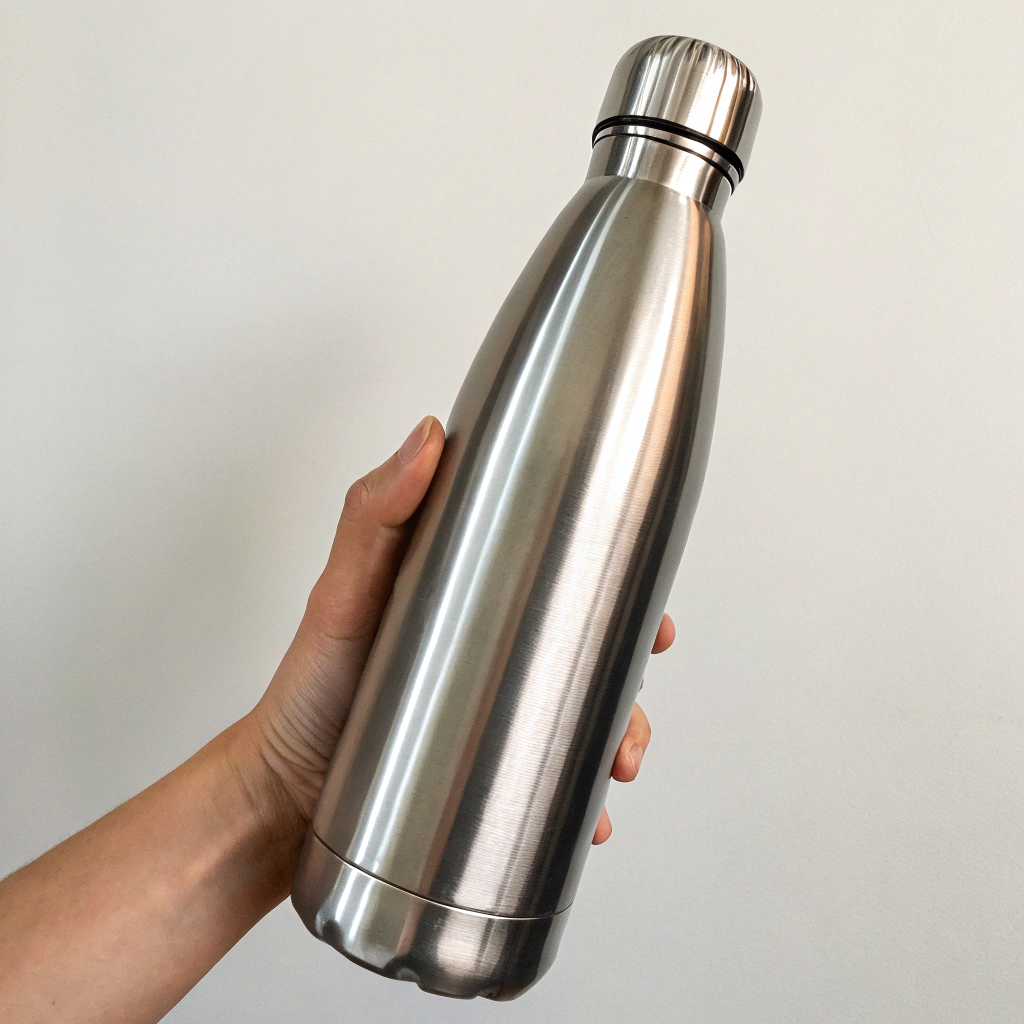
Chromium Oxide Passivation, Chemical Inertness, and Hygiene
Food-grade stainless steel (commonly labeled 18/8, meaning 18% chromium and 8% nickel) forms an invisible, self-healing chromium oxide passive layer. This microscopic barrier prevents iron molecules from oxidizing into rust and stops the steel from reacting with water, citrus slices, or electrolyte drinks. Unlike aluminum bottles, which require epoxy or resin inner linings that can crack and leach chemicals, stainless steel requires no synthetic liners whatsoever.
Hygiene depends heavily on surface roughness. High-quality bottles undergo an electropolishing treatment that removes microscopic metal peaks and valleys inside the container, leaving a smooth, mirror-like finish. This non-porous surface prevents bacterial biofilms from anchoring and stops flavors from lingering after washing. When properly cleaned, a stainless steel bottle maintains pure liquid taste without odor retention or chemical migration.
Health & Safety Metric | Food-Grade 304/316 Steel | Coated Aluminum Bottle | Low-Grade 201 Steel |
|---|---|---|---|
Internal Barrier Layer | Natural chromium oxide film | Synthetic resin/epoxy liner | Weak oxide (Prone to spot rust) |
Microplastic Shedding | Completely Zero | Zero (Until inner liner flakes) | Completely Zero |
Acidic Drink Compatibility | Safe for lemon water and tea | Hazardous if inner lining scratches | Can leach trace metals over time |
Bacterial Adhesion Risk | Ultra-low (Smooth electropolished) | Moderate (Rough porous resin) | High (Micro-abrasions trap mold) |
Can I Put Boiling Water in a Stainless Steel Bottle?
Do you hesitate before pouring boiling water into your flask, worried that the high heat could warp the metal or damage the vacuum seal? Knowing how thermal shock affects drinkware allows you to brew hot coffee and tea safely.
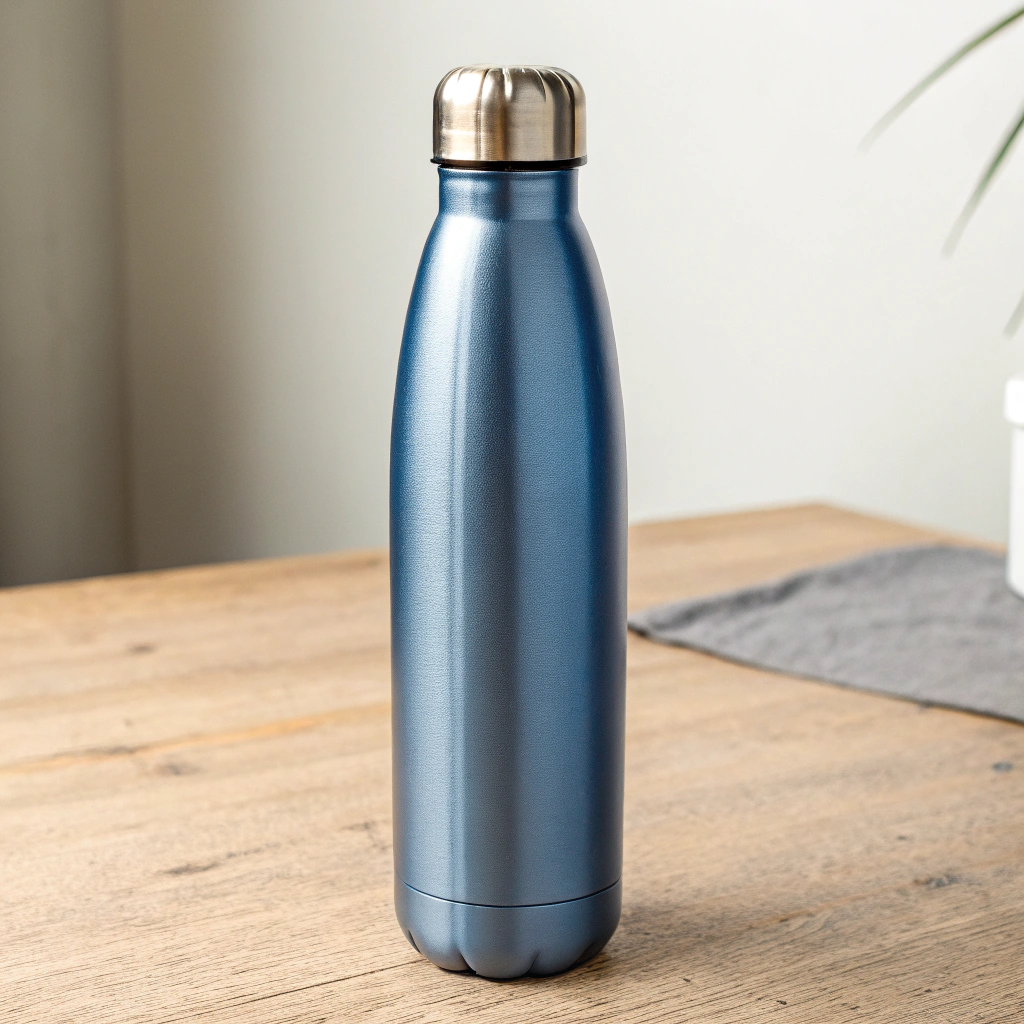
Yes, you can safely put boiling water into a double-wall insulated stainless steel bottle because the high-melting-point steel easily handles boiling temperatures, while the vacuum chamber keeps the exterior cool and comfortable to hold.
Pressure Buildup, Seal Maintenance, and Thermal Shock
Stainless steel melts at temperatures exceeding 1400°C (2550°F), so pouring boiling water at 100°C (212°F) poses zero risk to the metal body or the vacuum seal. The exterior shell remains cool to the touch because the vacuum completely stops heat conduction outward. This makes double-wall flasks ideal for brewing loose-leaf tea, carrying hot soup, or transporting boiling water for baby formula while traveling.
However, caution is essential when closing the lid immediately after filling. Sealing boiling liquid inside creates rapid steam pressure expansion as trapped air heats up. When using a flip-straw or push-button lid, opening the spout can cause hot liquid or steam to spray outward under pressure. For boiling drinks, always use a simple screw-top insulated cap, let boiling water rest for two minutes before sealing tightly, and open the bottle facing away from your face.
Boiling Water Consideration | Operational Risk | Physical Cause | Safe Usage Recommendation |
|---|---|---|---|
Internal Vapor Pressure | Hot liquid sprays upon opening | Air inside cap expands rapidly | Wait 2 to 3 minutes before securing lid |
Plastic Straw Spout Lids | Hot liquid fountains up straw | Pressure pushes liquid up tube | Never use flip-straw caps for hot drinks |
Silicone Gasket Longevity | Gaskets harden and leak over time | Extreme heat cycling accelerates wear | Specify food-grade platinum silicone seals |
Single-Wall Bottle Risk | Severe scalding skin burns | Metal conducts 100°C heat instantly | Never pour boiling water in single-wall steel |
Conclusion
Insulated stainless steel water bottles deliver exceptional hydration performance by combining double-wall vacuum insulation, food-grade 304 steel purity, and durable construction that keeps drinks at optimal temperatures every single day.