Sep 10, 2026Services Overview
What Makes the Best Baby Baseball Cap for Comfort and Sun Protection?
Discover what makes the best baby baseball caps, focusing on comfort, sun protection, breathable materials, secure fits, and practical designs for babies and young children.
What Makes the Best Baby Baseball Cap for Comfort and Sun Protection?
Do you pick baby baseball caps based only on cute animal ears or tiny logos, only to find red pressure marks on your infant's forehead? Rigid panels and scratchy closures cause discomfort, leading babies to pull their hats off within minutes.
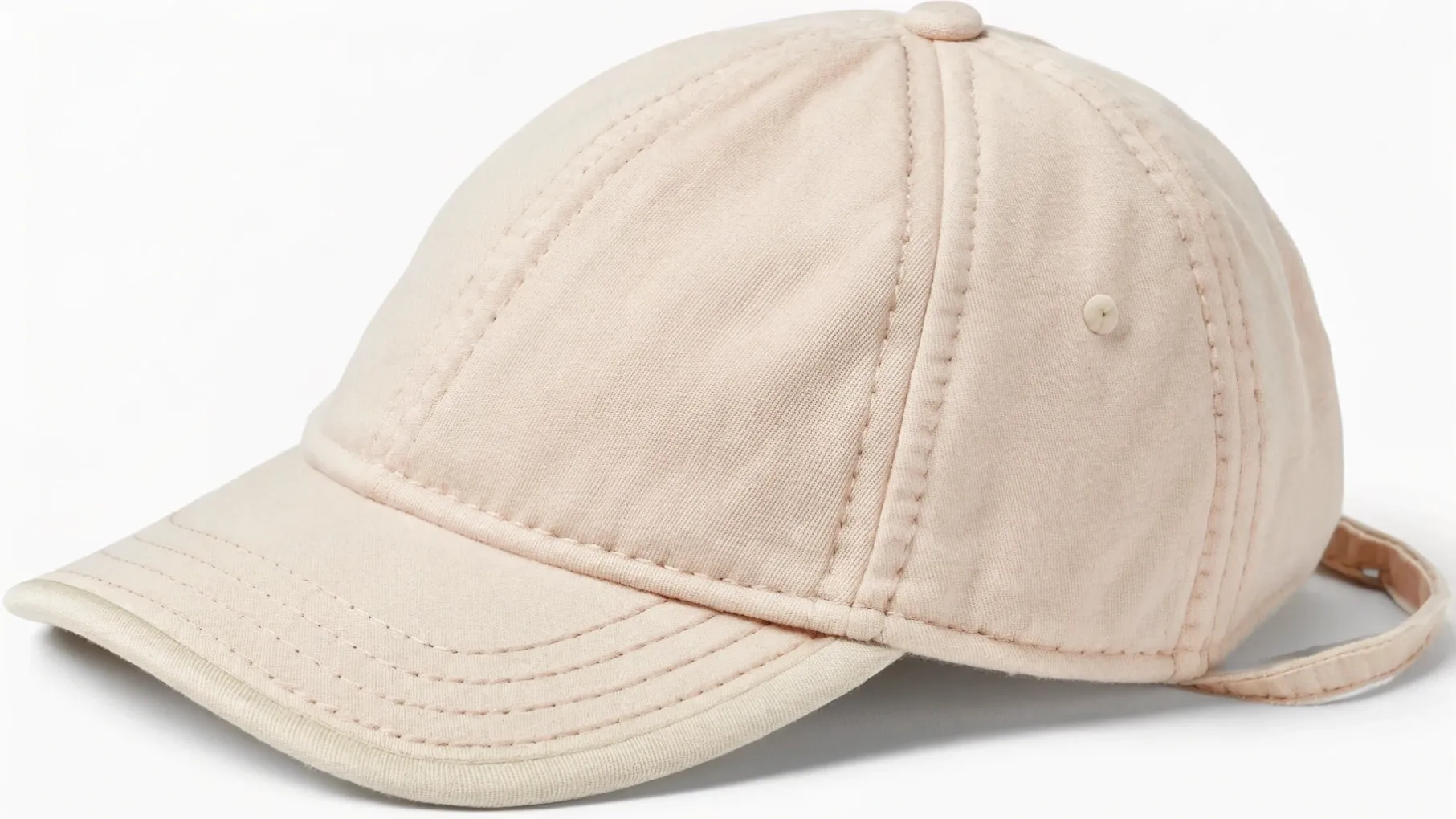
The best baby baseball cap uses soft, unstructured, breathable organic cotton, gentle hook-and-loop or soft elastic closures, and a lightweight flexible curved brim that provides sun shading without blocking the child's field of vision.
When I worked in a printing and garment embroidery factory years ago, I saw many brands treat infant headwear as simply adult caps shrunk down on a grading table. A baby's scalp is delicate, and their head-to-body proportions require specialized engineering. Designing headwear for infants demands a focus on soft textures, skin safety, and gentle fit. Let us examine when infants can safely wear baseball caps, determine proper sizing, and review essential newborn headwear guidelines.
Can Infants Wear Baseball Caps?
Are you wondering if it is safe to put a structured baseball cap on an infant, or if the weight and stiff brim create unnecessary strain? Putting rigid, heavily buckram-backed caps on babies can cause irritation and restrict head movement.
Yes, infants can wear baseball caps starting around 3 to 6 months of age, provided the cap is completely unstructured, made from soft, non-toxic cotton, features a flexible brim, and does not contain small choking hazards like metal rivets or loose buttons.
Pediatric Safety, Crown Structure, and Skin Sensitivity
Infants under three months old spend most of their time lying flat on their backs in cribs or strollers. A traditional stiff baseball cap with a hard back buckle will press uncomfortably into the back of their skull. Furthermore, infants cannot regulate their body temperature as efficiently as adults. Trapping heat under dense polyester blends or synthetic foam crowns can lead to overheating and prickly heat rashes.
Once babies reach three to six months and develop head control to sit upright in strollers, a lightweight baseball cap becomes a practical tool for outdoor family walks. For brand managers like Jacky designing family merchandise or corporate parental gift sets, the cap must be soft enough to crumple easily in a parent's fist. Skip metal eyelets and hard plastic top buttons in favor of embroidered eyelets and flat-stitched fabric tops to protect the child's fontanelle.
Safety & Comfort Feature | Standard Adult Miniature Cap | Purpose-Built Infant Cap Spec | Pediatric Comfort Benefit |
|---|---|---|---|
Crown Reinforcement | Stiff fused plastic buckram mesh | Unstructured soft-washed cotton | Conforms naturally without pressure points |
Top Crown Button | Sharp metal prong clamp inside | Flat-sewn fabric or omitted entirely | Prevents accidental pressure against the fontanelle |
Rear Closure Mechanism | Hard plastic snapback or metal buckle | Ultra-soft micro-Velcro or soft elastic band | Lies flat and soft when the child reclines in a stroller |
Ventilation Method | Punched brass or metal grommets | Soft embroidered eyelets or cotton mesh | Zero hard metal parts that can scratch delicate skin |
What Size Hat Should a 1-Year-Old Baby Wear?
Do you struggle to pick the right baby hat size because age labels like "12 Months" vary wildly across different apparel brands? Sizing solely by age charts leads to caps that slide over eyes or pinch sensitive ears.
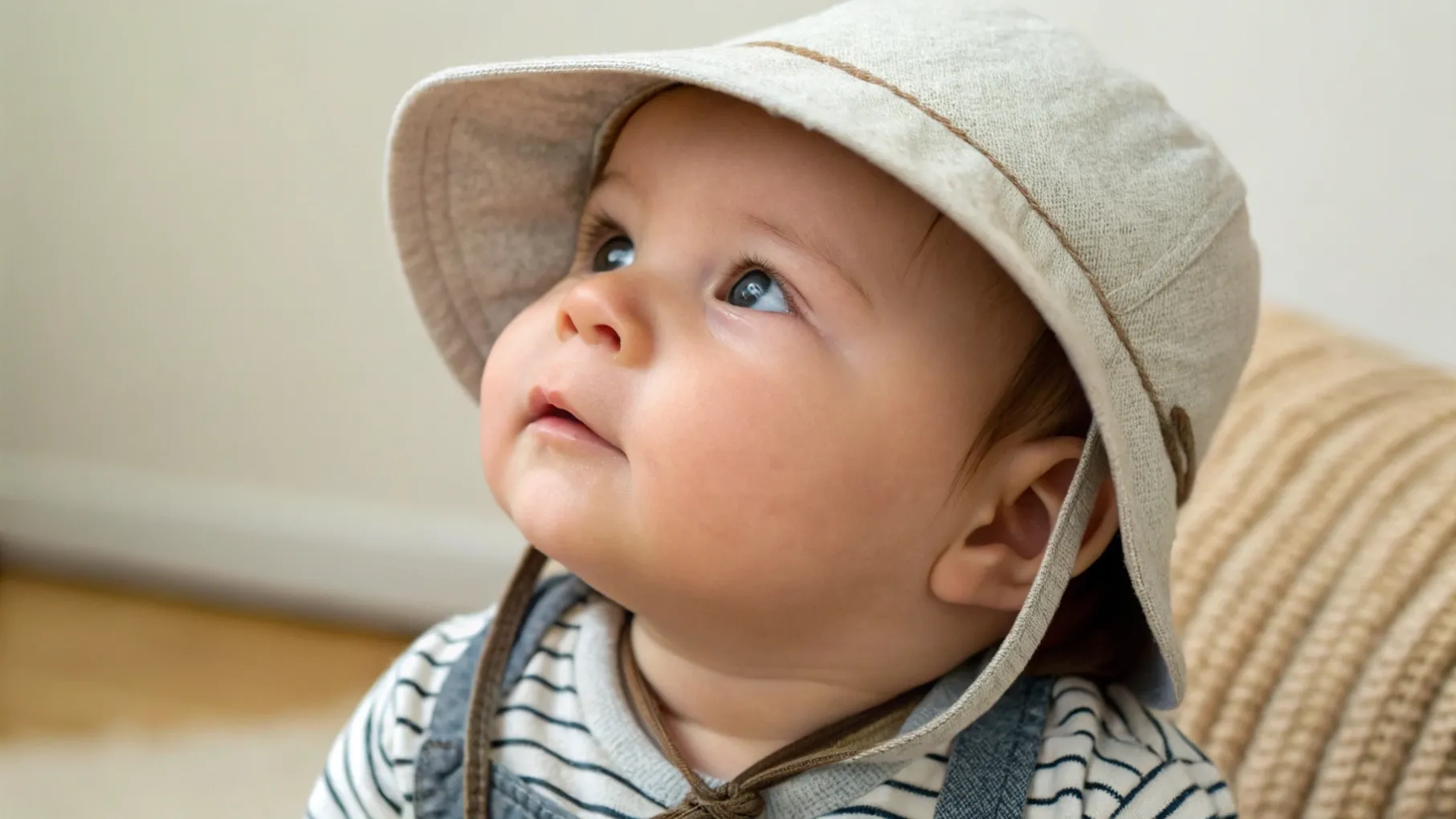
A 1-year-old baby typically wears a hat size between 46 and 48 centimeters (roughly 18 to 19 inches) in head circumference, usually categorized commercially as size 12-18M.
Head Circumference Measurement, Sizing Tiers, and Growth Room
Infant cranial growth is rapid during the first eighteen months of life. Rather than guessing based on birth age, parents and merchandise buyers should measure the baby’s head circumference using a flexible measuring tape. Position the tape just above the eyebrows and ears, wrapping around the widest part of the back of the skull.
Because babies grow quickly, adjustable baby baseball caps offer the highest utility. An integrated rear micro hook-and-loop closure or an enclosed, ruched elastic band provides one to two centimeters of expandable give. This ensures the cap stays snug during windy park strolls without leaving red elastic marks across the forehead. For corporate buyers creating custom gift packs, providing an adjustable 46 to 48 cm specification ensures the cap fits comfortably throughout the child's entire first year.
Age Bracket | Head Circumference (Metric) | Head Circumference (Imperial) | Common Commercial Label | Recommended Closure Style |
|---|---|---|---|---|
0 to 3 Months | 36 to 40 cm | 14.0 to 15.5 in | Newborn / Preemie | Soft stretch cotton knot beanies only |
3 to 6 Months | 40 to 44 cm | 15.5 to 17.5 in | 3-6M Infant | Enclosed soft-stretch elastic back band |
6 to 12 Months | 44 to 46 cm | 17.5 to 18.0 in | 6-12M Baby | Low-profile snag-free micro hook-and-loop |
12 to 18 Months (1 Year) | 46 to 48 cm | 18.0 to 19.0 in | 12-18M Toddler | Adjustable fabric slide strap with soft Velcro |
18 to 24 Months | 48 to 50 cm | 19.0 to 19.7 in | 18-24M Toddler | Adjustable soft cotton strap with low-profile slide |
When Should a Newborn Baby Wear a Hat?
Have you seen conflicting advice on whether newborns must wear hats around the clock, even inside a climate-controlled nursery? Overdressing newborns indoors can trap excess heat and interfere with natural temperature regulation.
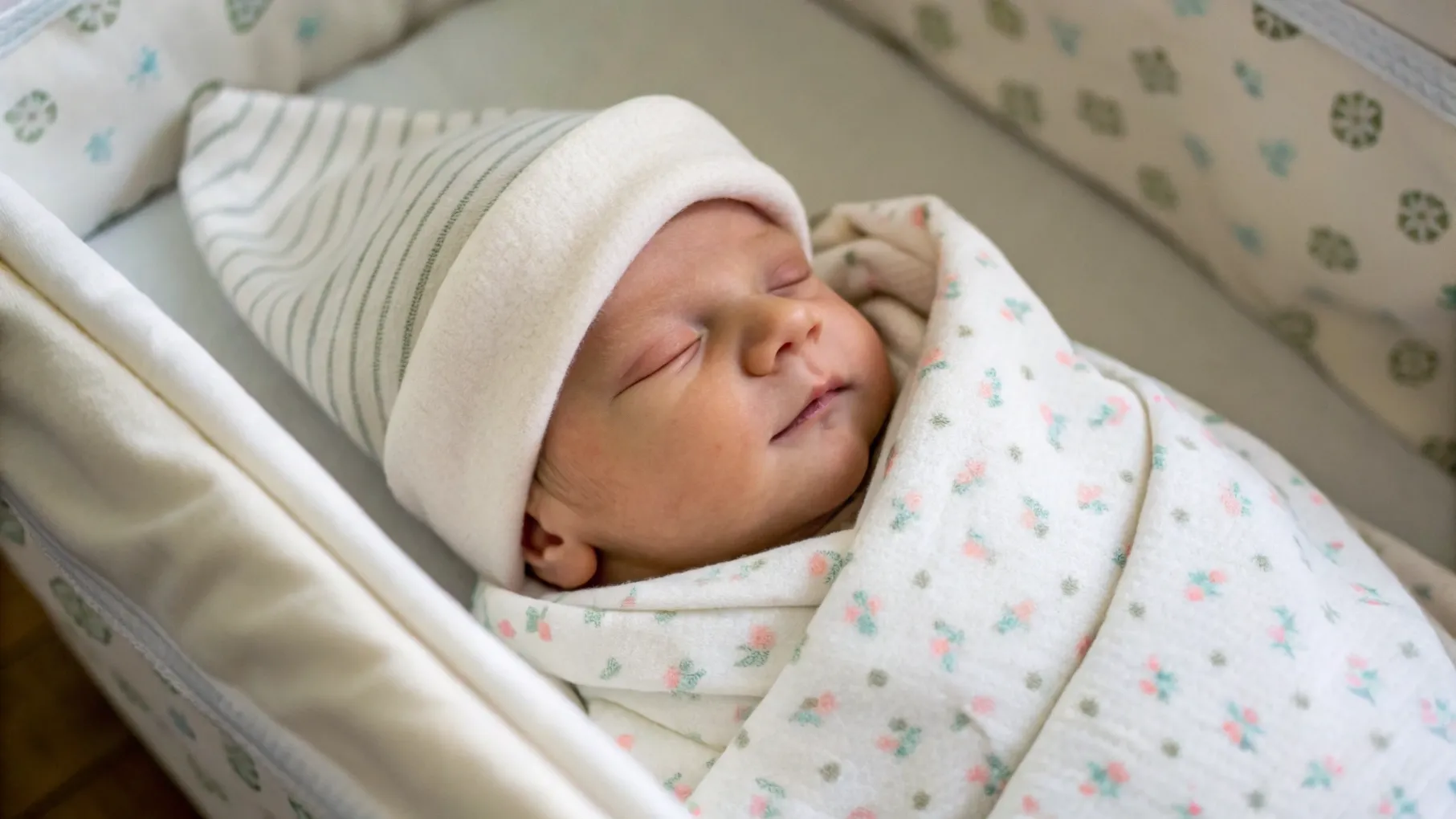
A newborn baby should wear a soft beanie immediately after birth in the delivery room and during cool outdoor travel, but they should not wear hats indoors once stabilized or while sleeping to prevent overheating.
Hospital Delivery Rooms, Outdoor Thermoregulation, and Safe Sleep
In the delivery room, a newborn arrives wet from amniotic fluid into a cool hospital environment, losing heat quickly through their scalp. Medical staff place a lightweight tubular cotton knit beanie on the infant's head to prevent hypothermia during initial skin-to-skin transitions. Once the infant's body temperature stabilizes and they return home, continuous indoor hat-wearing is generally unnecessary in climate-controlled rooms kept between 20°C and 22°C (68°F to 72°F).
Pediatric sleep guidelines specifically advise against putting any hat—whether a beanie or a baseball cap—on a sleeping baby inside a crib or bassinet. Hats can slip loose during sleep, posing a suffocation hazard, or cause the infant's body temperature to rise dangerously. Keep baseball caps reserved for active daytime outdoor outings in strollers, carrier slings, or parks where the brim provides valuable face and eye shading against direct UV exposure.
Scenario / Environment | Recommended Headwear | Safety Purpose | Critical Caution to Note |
|---|---|---|---|
Hospital Delivery Room | Single-layer ribbed cotton knit beanie | Prevents immediate hypothermic heat drop | Remove once core temperature stabilizes |
Daytime Outdoor Stroller Walk | Soft unstructured cotton baseball cap | Shades sensitive eyes and facial skin | Ensure brim does not obstruct baby's field of vision |
Climate-Controlled Home | No hat required (Bare head) | Encourages natural thermoregulation | Check nape of the neck to monitor comfort |
Overnight Sleeping in Crib | Strictly no hats or caps permitted | Essential safe-sleep protocol to avoid suffocation | Hats can shift over the face or cause overheating |
Conclusion
The best baby baseball caps combine soft unstructured cotton, non-scratchy adjustable closures, and flexible shading brims that keep infants comfortable, cool, and safely protected under the sun.