News & Insights
What’s the Best Bullet Journal to Buy?
Discover how to choose the best bullet journal by comparing paper quality, layout, size, and features to match your planning, creativity, and daily organization needs.
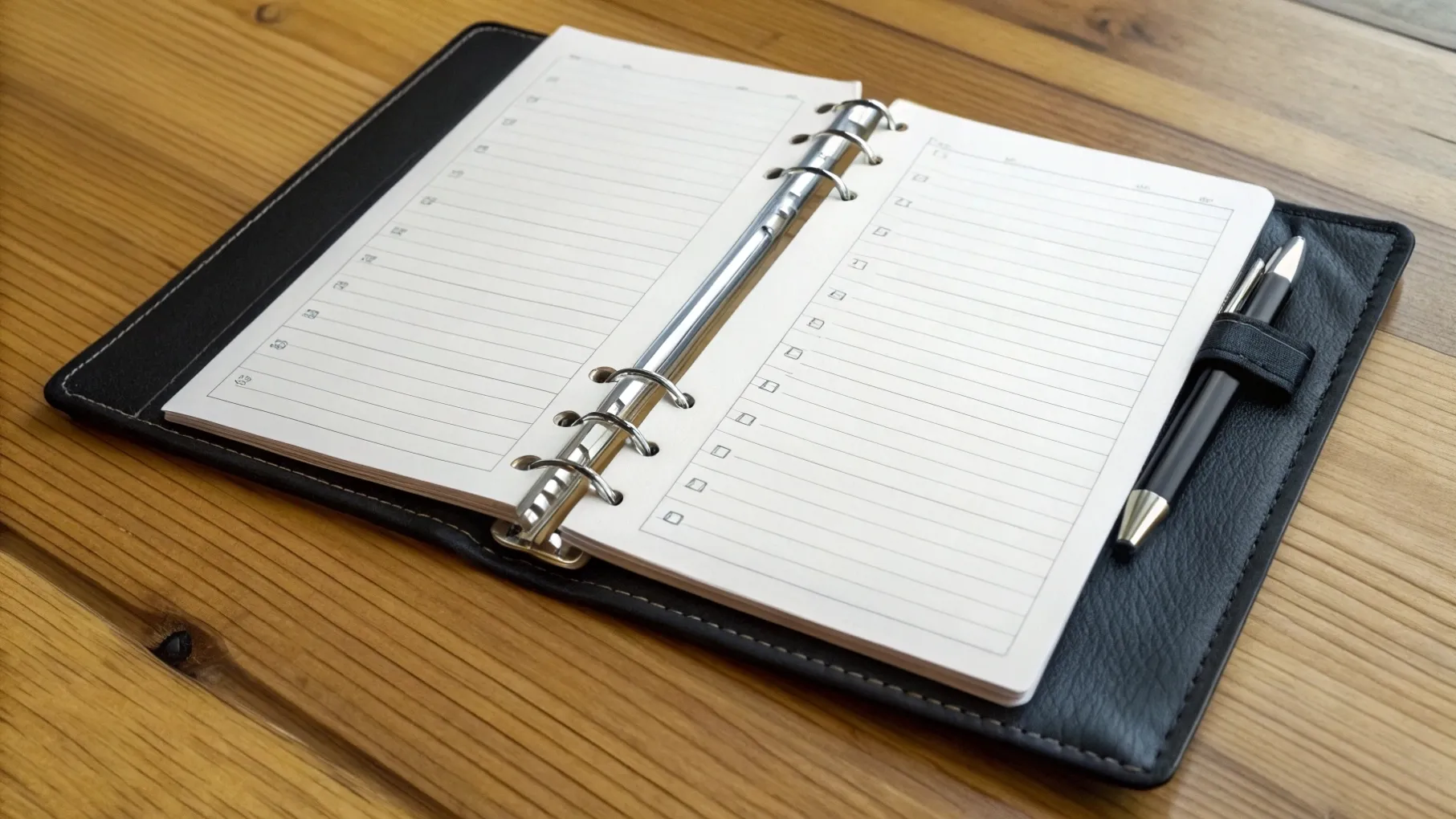
What's the Best Bullet Journal to Buy?
Thinking about starting a bullet journal? With so many choices, it can feel confusing. How do you pick the right one?
The best Bullet Journal to buy depends on your personal needs. Key factors to consider are the notebook's size, paper quality, page layout, and any extra features it might have.

I often see how people like to organize their thoughts and plans. Bullet journals are a popular way to do this. For businesses, giving a good quality bullet journal can be a smart gift. It helps people be more productive. But choosing the "best" one means knowing what to look for.
How Do I Choose a Bullet Journal?
You want to start a bullet journal, but the choices are overwhelming. How do you decide which one is right for you?
To choose a bullet journal, think about how you will use it. Then, look at the notebook's size, the quality of its paper, the layout of its pages, and any special features it offers.

My insights clearly state that when buying your first Bullet Journal, you need to consider notebook size, paper quality, page layout, and additional features. I agree completely. These points are key to finding a journal you will actually use and enjoy. It is like finding the right tool for a specific job. For companies choosing these as gifts, thinking about these points helps ensure the gift is useful and valued.
Key Factors for Choosing
- Notebook Size:
- This matters for how portable your journal is. A smaller size is good for carrying everywhere. A larger one gives more space for notes. Common sizes are A5 (medium), A6 (small), and B5 (large).
- Paper Quality:
- This is about how good the paper feels and how pens work on it. Look for paper that is thick enough (often measured in GSM, like 100gsm or 120gsm). Thicker paper helps stop ink from bleeding through or showing on the other side. Smooth paper makes writing easy and nice.
- Page Layout:
- Bullet journals often use specific page types.
- Dot Grid: This is most popular. The dots give you guides for writing, drawing, and making lists, but they are light enough to disappear when you don't need them.
- Lined: Good for pure writing.
- Squared (Grid): Good for graphs or very neat lists.
- Blank: For free drawing or very open layouts.
- Additional Features:
- Some journals have nice extras. Page numbers are very helpful for making an index. An elastic band keeps the journal closed. A pen loop holds your pen. Pockets at the back can hold loose papers. These small things make the journal more useful every day.
When helping a business select journals for their team, I focus on matching these features to the likely use. For example, a creative team might like dot grid or blank pages. A sales team might prefer a more structured layout.
Factor | Why it Matters | Common Options |
|---|---|---|
Notebook Size | Portability vs. Writing Space | A5, A6, B5 |
Paper Quality | Ink behavior, Writing feel | 80gsm, 100gsm, 120gsm+ |
Page Layout | Structure for writing/drawing | Dot Grid, Lined, Squared, Blank |
Added Features | Convenience, Organization | Pen loop, Pockets, Index, Elastic |
Picking the right combination of these factors makes the bullet journal a tool that someone will love to use daily.
What are the 2 Most Important Items in Bullet Journaling?
You are ready to start bullet journaling. What are the absolute must-have things you need to get going?
The two most important items in bullet journaling are a good quality notebook and a reliable pen. These two tools are the foundation for creating your organized system.

I believe in keeping things simple, especially when starting something new. For bullet journaling, you really just need two core things. Everything else is extra. If a business wants to give a useful gift that helps people get organized, a quality notebook and pen set is perfect. It is functional and thoughtful.
The Foundation: The Notebook
Your notebook is where all your thoughts, plans, and ideas live. It is the core of your bullet journal system.
- Quality Matters: A notebook with good paper (as we talked about before, like 100gsm) makes writing more enjoyable. If the paper is too thin, ink can bleed through. This frustrates users. A sturdy cover and binding mean the notebook will last as you use it daily.
- Layout Choice: While a dot grid is popular, any layout can work. What matters is that it feels right for the user. A good notebook means you have a reliable space for all your planning.
The Tool: The Pen
You cannot bullet journal without writing! A pen that feels good in your hand and writes smoothly is essential.
- Smooth Writing: A pen that glides across the paper makes journaling a pleasure, not a chore. This encourages more use.
- No Smearing or Bleeding: You want a pen that dries quickly and does not bleed through the paper. This keeps your pages neat and tidy.
- Consistency: A pen that works every time you pick it up helps keep your flow going.
While people might use highlighters, markers, or stencils later, the notebook and pen are the starting point. They are the workhorses. For a corporate gift, pairing a quality notebook with a smooth-writing pen makes a powerful, practical duo that encourages organization and creativity. It is a gift that truly helps someone get started.
Item | Why it's Important | Key Features for Bullet Journaling |
|---|---|---|
Notebook | The core system, holds all info | Good paper quality, durable binding |
Pen | How you record thoughts | Smooth ink, no bleed-through, comfort |
These two items are all you need to begin. They offer a simple, effective start to a new habit.
What is the Best Size for a Bullet Journal?
You know you need a notebook and pen. But notebooks come in many sizes. Which size is best for a bullet journal?
The best size for a bullet journal is often A5. This size balances being easy to carry around with enough space for writing and creating layouts. It is a popular choice for most people using a bullet journal daily.

Choosing the right size is important for how much you use your journal. If it is too big, you might not carry it. If it is too small, you might not have enough space. I find that A5 is a very versatile size for bullet journals. It is often the default choice I recommend for clients when they want a general-purpose journal for their staff or customers.
A5: The Popular Choice
- Balance: A5 notebooks (about 5.8 x 8.3 inches or 14.8 x 21 cm) are a good middle ground. They are big enough to plan your days, weeks, and months. You can make good-sized lists and drawings.
- Portability: They fit well into most bags, backpacks, and even larger purses. This means you can take your journal with you to work, meetings, or coffee shops.
- Common: Because A5 is so popular, it is easy to find bullet journals, covers, and accessories in this size.
Other Sizes
While A5 is very common, other sizes might fit specific needs.
- A6 (Pocket Size): (About 4.1 x 5.8 inches or 10.5 x 14.8 cm) This is a smaller, very portable size. Good for quick notes on the go. Less space for detailed layouts.
- B5 (Larger Size): (About 6.9 x 9.8 inches or 17.6 x 25 cm) This gives you more writing space, similar to a standard school notebook. Good for people who need lots of room or use their journal mostly at a desk. Less portable.
When advising businesses on gift journals, I consider the likely user. An A5 journal is a safe bet for general use. It fits most lifestyles well. It ensures the gift is useful and easy to carry.
Size | Dimensions (approx.) | Portability | Writing Space | Ideal User Type |
|---|---|---|---|---|
A5 | 5.8 x 8.3 inches | High | Good for layouts | Most daily users, students |
A6 | 4.1 x 5.8 inches | Very High | Limited | On-the-go notes, quick lists |
B5 | 6.9 x 9.8 inches | Medium | Very High | Desk users, detailed planners |
Choosing the right size helps the bullet journal feel like a natural extension of the user's daily life.
Conclusion
The best bullet journal depends on your needs, but look at its size, paper, and layout. You just need a good notebook and pen to start. A5 is a very popular size.