Jun 26, 2026Services Overview
What's the Best Way to Print Designs Onto T-Shirts in Bulk?
Screen printing is the best method for bulk T-shirt printing because it offers lower costs per unit, consistent quality, and long-lasting designs for large orders.
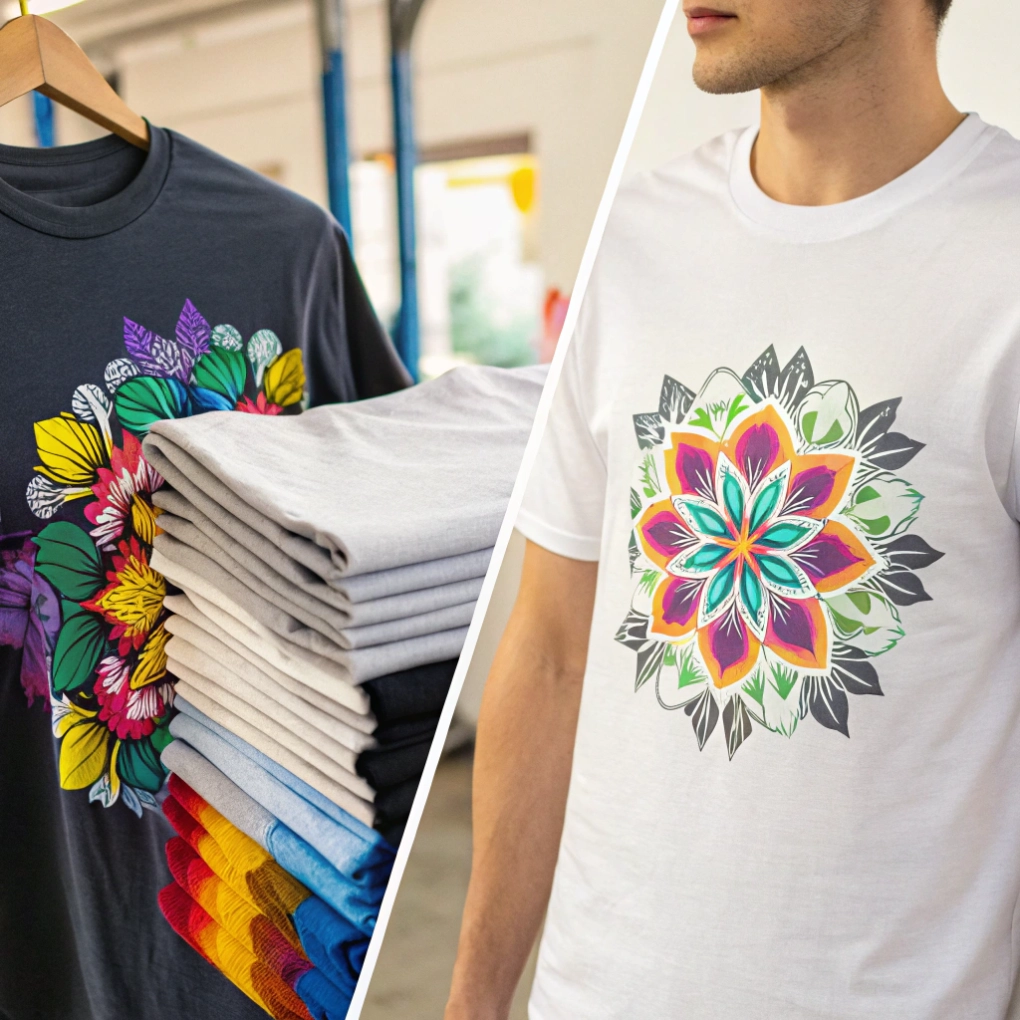
What's the Best Way to Print Designs Onto T-Shirts in Bulk?
Placing a massive order for custom shirts only to have the logos peel or fade after a single wash is a nightmare. Bulk production often forces a compromise between low costs and real-world durability.
The best way to print designs onto T-shirts in bulk is through traditional screen printing for large volumes with simple artwork, or Direct-to-Film (DTF) transfer printing for complex, multi-colored designs. These methods offer the lowest per-unit cost, fastest production speeds, and highest wash durability at scale.
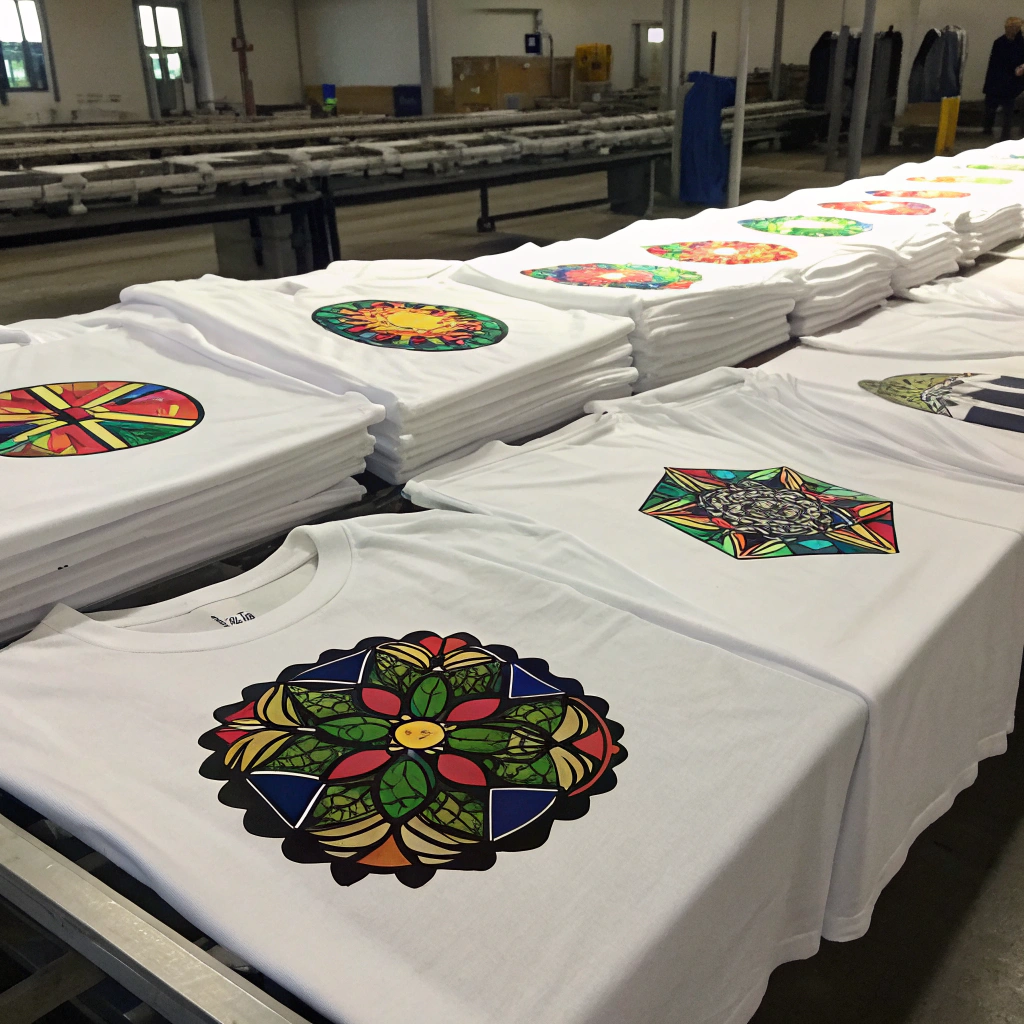
I have spent ten years on production floors and in branding offices, and I know that bulk printing requires a clear strategy. When clients come to Latitude for thousands of shirts, they usually ask about the cheapest price. I always pull them back to the bigger picture: how will this shirt look after twenty washes? If the print cracks, your brand looks cheap. Let's break down the best bulk printing options to keep your team or clients looking sharp.
Which Is Better, DTG or Screen Printing?
Are you trying to decide between the high-tech precision of digital printing and the old-school reliability of a press? The answer comes down to a simple math problem involving your total order volume and design complexity.
Screen printing is better for large bulk orders (over 50 pieces) with fewer colors because it offers massive volume discounts and unmatched durability. DTG is better for small, detailed orders or single prototypes because it requires zero setup time and prints complex photo-realistic graphics easily.
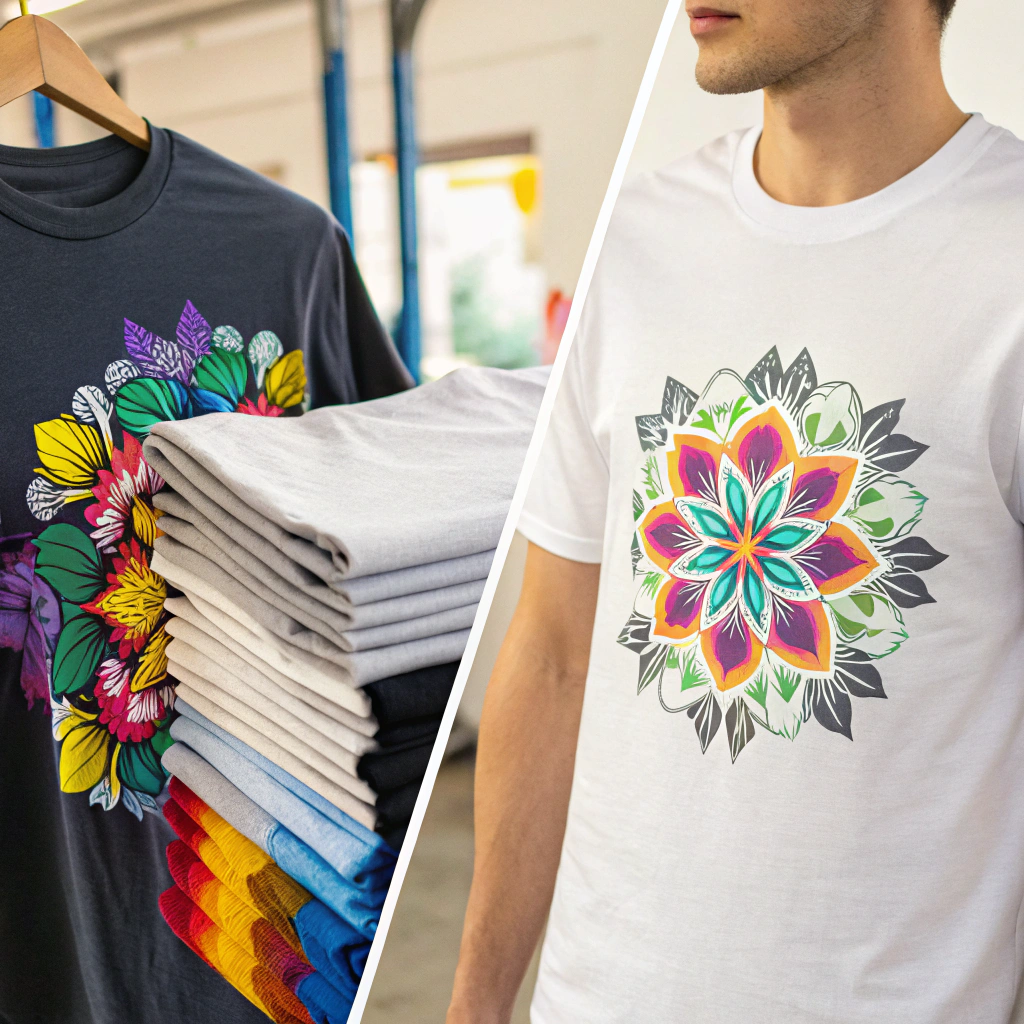
In my early factory days, I mixed ink for screen printing setups by hand. It takes time to build the stencils and prep the screens, which is why small orders are expensive. But once that press starts spinning, it moves incredibly fast. For bulk orders, screen printing is the king of efficiency. The ink is pushed deep into the fibers, creating a solid, vibrant layer that can survive years of heavy use without losing its color.
DTG, on the other hand, is essentially a giant inkjet printer for clothing. It is fantastic if you have a colorful design with gradients and shading. But printing one shirt at a time takes a few minutes. If you try to print 1,000 shirts using DTG, it will take too long and cost a fortune. From my perspective as a marketing manager, I use DTG for testing designs and screen printing when it is time to scale up for an entire company launch.
Factor | DTG (Direct-to-Garment) | Screen Printing |
|---|---|---|
Minimum Order | 1 piece (No setup needed) | Usually 50+ pieces (High setup) |
Color Capacity | Unlimited (Full gradients) | Limited (Each color needs a screen) |
Bulk Cost | Stays high per unit | Drops significantly as volume grows |
Texture Feel | Very soft, sinks into cotton | Thick, durable ink layer |
I remember a project where a trading firm wanted 500 employee polo shirts with a simple two-color logo. Another vendor suggested DTG, but I shifted them to screen printing. We saved them 30% of their budget, and the logos still look brand new today. It shows that matching the volume to the right process is the best way to protect your wallet.
What Is the Best Printing Method for T-Shirts?
Are you looking for a universal solution that works for every fabric type, color, and budget? While there is no single "perfect" method, you can find the best match by looking at how the shirt will be used.
The best printing method for T-shirts depends on your primary goal: screen printing is best for large corporate or event orders, DTF is best for vibrant logos on synthetic or dark fabrics, and DTG is best for soft-hand fashion merchandise with intricate artwork.
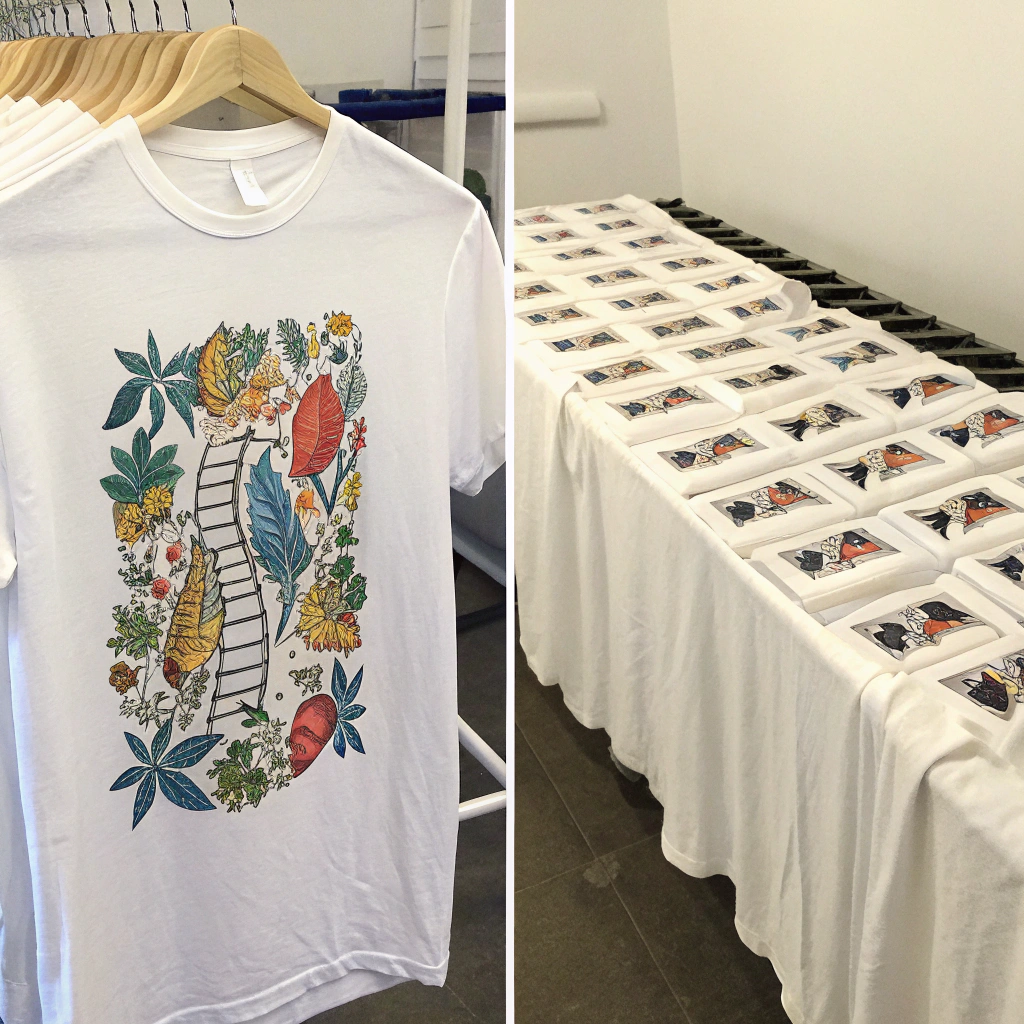
When I analyze a bulk project, I look past the printing machine. I look at the blank shirt itself. A premium print cannot save a bad, scratchy fabric. If you use a cheap blank shirt, it will shrink or twist in the wash, and your beautiful logo will look distorted. I always recommend spending a bit more on combed cotton or premium blends. It gives the ink a flat, stable surface to fuse with, which ensures a cleaner finish.
You also need to think about the purpose of the shirt. Is it for a one-day marathon, or is it a daily uniform for your field staff? For uniforms, you need maximum durability, which means screen printing or heavy-duty DTF transfers. For high-end retail merchandise, you want a premium, soft feel, which makes DTG or water-based screen inks the better choice.
Project Goal | Recommended Method | Fabric Type |
|---|---|---|
Mass Event / Giveaway | Plastisol Screen Printing | 100% Cotton / Blends |
High-End Fashion Line | DTG or Water-based Screen | Premium Combed Cotton |
Sports Teams / Outerwear | DTF (Direct-to-Film) | Polyester / Nylon / Canvas |
Variable Staff Names | Digital Vinyl Heat Transfer | Any Material |
I once helped a corporate client design hoodies for their regional team. We used a heavy 12oz cotton fabric and paired it with a clean, centered screen print. The feedback was incredible because the shirt felt like a high-end streetwear piece rather than a cheap promotional item. People wore them outside of work, which gave the brand massive public visibility.
How Long Does DTF Last vs Screen Printing?
Are you worried that modern digital transfer methods won't hold up compared to traditional factory printing? Testing fabric durability over long periods helps us understand which technique offers the best long-term value.
Screen printing generally lasts the longest, often outliving the fabric of the T-shirt itself without cracking or peeling. Modern DTF (Direct-to-Film) transfers are highly durable and can last between 50 to 80 washes before showing minor wear, making them an excellent high-quality alternative for bulk orders.
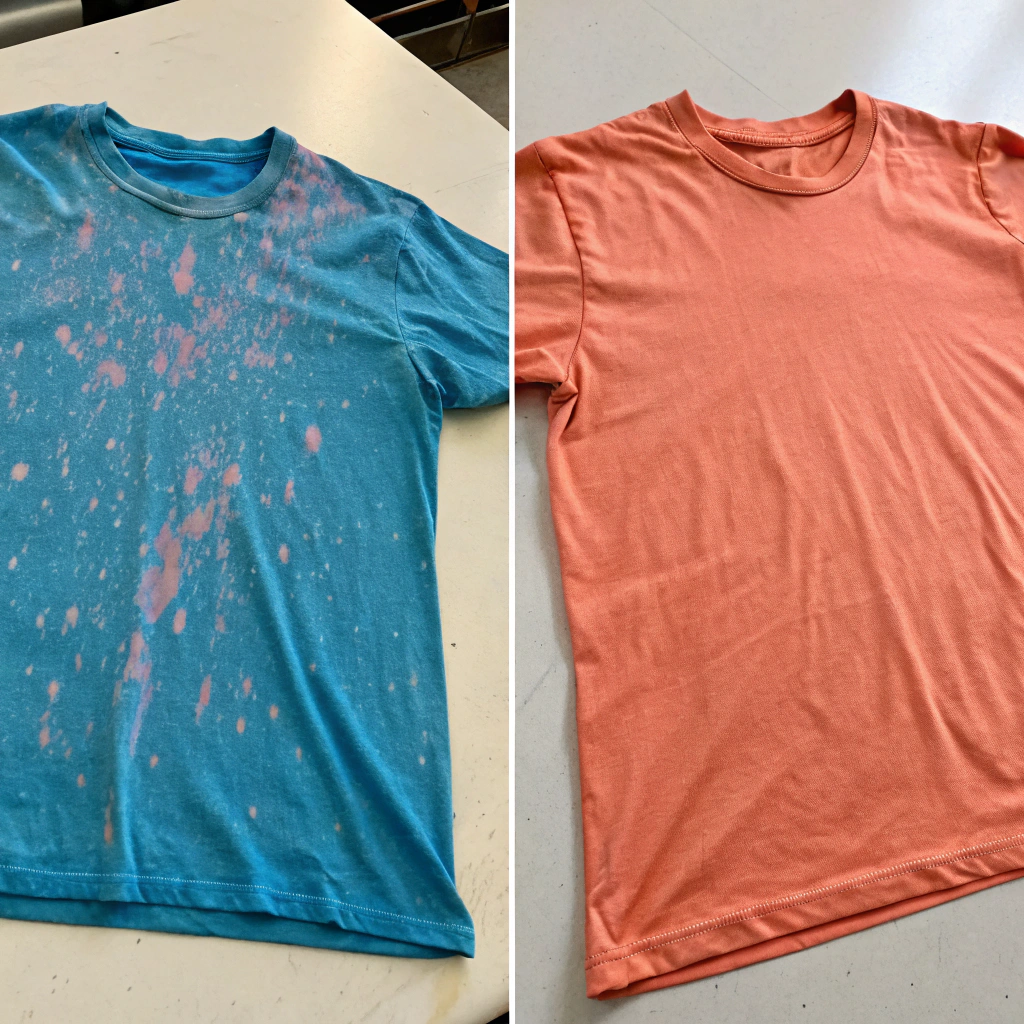
In my years of quality control testing, I have seen digital methods improve dramatically. Older transfer methods used to feel like thick sheets of plastic that cracked the first time you bent them. Modern DTF uses a specialized powder adhesive that allows the print to stretch and move with the fabric. It can easily handle the daily hustle of a busy employee. However, under extreme heat or rough commercial washing, screen printing still holds the absolute edge in longevity.
When I manage layouts for dark or textured fabrics like heavy canvas bags and jackets, DTF is a lifesaver. Screen printing dark colors requires a thick base layer of white ink first, which can feel heavy and stiff. DTF transfers are printed on a film and pressed down cleanly, giving you bright colors with a smooth finish that stays flexible. It bridges the gap between digital flexibility and factory strength.
Durability Metric | DTF Transfers | Screen Printing |
|---|---|---|
Average Wash Lifespan | 50 - 80 washes (High) | 100+ washes (Outlasts garment) |
Stretch Recovery | High (Flexes with knit fabric) | Excellent (Becomes part of fiber) |
Risk of Peeling | Low (If pressed at correct heat) | Zero (Ink is cured into fabric) |
Color Fading | Extremely Low | Low (Fades naturally over years) |
I remember an outdoor event where the staff wore shirts printed with DTF transfers. They worked in the sun and rain for weeks, and the shirts went through heavy hot-water washing cycles. The logos stayed vibrant and sharp without a single edge lifting. It proved to me that modern digital transfers are fully capable of handling real-world wear at a professional standard.
Conclusion
The best way to print T-shirts in bulk is to match your order size and design style to the right factory method. Choosing screen printing for simple high-volume runs or DTF for complex colors ensures your brand stays visible and durable for years.