Jun 26, 2026News & Insights
What's the Cheapest Way to Print a Custom Shirt?
The cheapest way to print a custom shirt is often screen printing for bulk orders or heat transfer for small batches, balancing affordability, quality, and design flexibility.
What's the Cheapest Way to Print a Custom Shirt?
Trying to get custom shirts made on a tight budget can feel impossible. Many people choose the lowest upfront price, only to have the design peel off or shrink into an unwearable rag after a single wash.
The cheapest way to print a single custom shirt is using digital heat transfer paper or Direct-to-Film (DTF) printing because they require no setup fees. For bulk production, traditional screen printing with a single ink color is the most cost-effective method overall, driving the unit price down significantly as the quantity grows.
I have spent ten years on production lines and in branding offices, starting my journey on a humble factory floor. I have learned that the absolute lowest price can be a trap. If a shirt becomes unwearable after one event, it is not truly cheap; you just bought a disposable item. At Latitude, I help clients balance their budget with actual durability so their money isn't wasted. Let's look at how to get the most value out of every dollar you spend on custom clothing.
What Is the Most Cost-Effective Way to Print Shirts?
Are you struggling to decide how to manage a small batch of event shirts without overspending? The trick to saving money is matching your total shirt count to the right factory setup.
The most cost-effective way to print shirts is determined by volume: choose digital DTF transfers for orders under 50 pieces to bypass screen setup costs, and switch to screen printing for larger runs to unlock steep volume discounts on materials and labor.
When I look at printing costs, I always analyze the setup time. In my early factory days, setting up a screen press meant manual alignment and color separation. If you only want ten shirts, that labor makes the price skyrocket. For small groups, a digital transfer method is the smartest way to keep costs low. You pay a flat rate per shirt, which keeps your initial investment low and risk-free.
However, once you hit fifty shirts or more, the balance changes. Screen printing becomes incredibly efficient because the ink is cheap and the press moves fast. To get the absolute lowest price in bulk, I always give my clients two rules: use a single ink color and print in only one location, like the center chest. Every extra color or print location requires a separate setup, which quickly eats into your marketing budget.
Order Volume | Best Budget Method | Primary Cost Saver |
|---|---|---|
1 - 20 Pieces | Heat Transfer Paper / DTF | Zero setup fees, fast turn |
21 - 50 Pieces | Direct-to-Film (DTF) Gang Sheets | Shared film space reduces cost |
51+ Pieces | 1-Color Screen Printing | Low bulk ink price per unit |
100+ Pieces | High-Volume Screen Printing | Maximum economy of scale |
I remember a client who needed 200 shirts for a local volunteer group. They originally wanted a complex design with five different colors. I showed them how a clean, minimalist white design on a navy shirt would cut their costs in half while looking even more professional. They saved money and the shirts looked like high-end retail gear.
Which Is Better, DTF or DTG?
Are you torn between the two most popular digital printing methods for your small custom order? While they look similar on a computer screen, they behave very differently on fabric and carry distinct price tags.
DTF is better for general utility, vibrant contrast, and printing on synthetics or dark canvas fabrics because it applies a solid color layer onto any material. DTG is better for premium fashion items because it injects water-based ink directly into 100% cotton fibers for a completely seamless, breathable texture.
As a print specialist, I see DTF as a massive win for flexibility. DTF works by printing your design onto a plastic film first, which is then heat-pressed onto the shirt. It doesn't care if your shirt is cotton, polyester, or a heavy 12oz canvas bag. The color stays bright and sharp. From my perspective as a marketing manager, this versatility makes it the better option for mixed corporate gift bundles that include both shirts and outerwear.
DTG acts more like a high-end office printer for textiles. It requires a 100% cotton base to work correctly because the natural fibers need to absorb the liquid ink. The quality is beautiful for complex artwork with shading, but it can look dull on dark fabrics if the pre-treatment step isn't done perfectly. My job is to look at your fabric choice first, and then pick the machine that will give you the cleanest finish without peeling.
Feature Trait | DTF (Direct-to-Film) | DTG (Direct-to-Garment) |
|---|---|---|
Fabric Range | Excellent (Cotton, Poly, Nylon, Canvas) | Limited (Must be 100% Cotton base) |
Print Texture | Smooth, thin flexible layer | Zero texture, merges with fabric |
Small Text Detail | Extremely sharp and clean | Good, but can blur on rough textures |
Eco-Friendliness | Uses plastic carrier films | Water-based inks, less plastic waste |
I recall a project for a fitness club that needed logos on moisture-wicking synthetic shirts. DTG was out of the question because the polyester would repel the ink. We used DTF transfers instead, and the logos turned out incredibly vibrant and survived months of heavy sweat and washing. It proved that understanding material limits is the key to a successful product.
Which Is More Expensive, DTG or DTF?
Are you trying to squeeze the absolute most out of a tiny budget for a colorful, detailed logo design? The internal maintenance costs and ink prices of these machines dictate what the print shop will charge you.
DTG is generally more expensive than DTF because the specialty inks are higher in cost and the process requires an extra liquid pre-treatment step on dark shirts. DTF is significantly cheaper per print because it utilizes lower-cost consumables and allows printers to gang multiple designs onto a single roll of film.
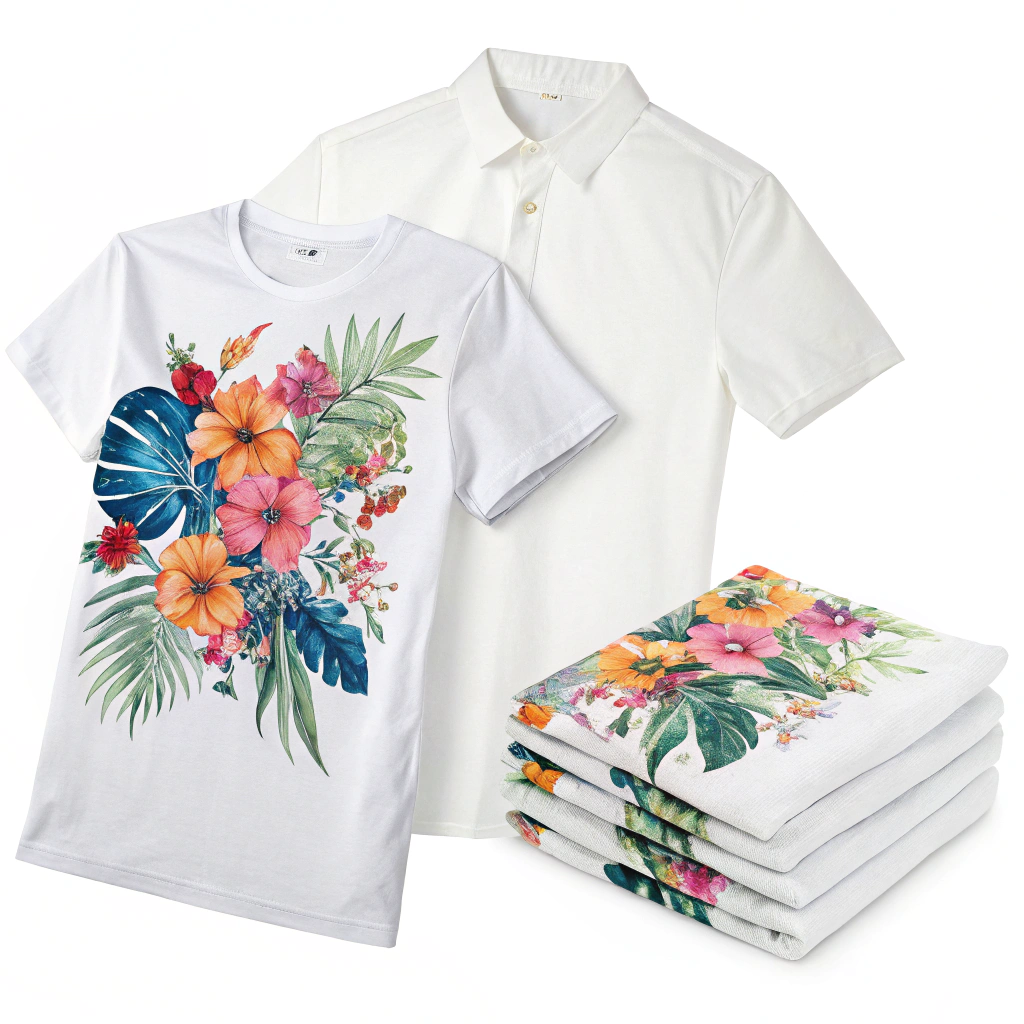
In the commercial printing industry, we look closely at running costs. DTG machines are expensive to buy and require daily cleaning to prevent the print heads from clogging with thick white ink. The print shop has to pass that maintenance cost onto the consumer, which makes single prints pricier. DTF uses a dry powder adhesive and automated film rolls, which dramatically speeds up the factory workflow and cuts down on labor time.
If you have a design with many colors or gradients and you want to keep costs low, DTF is almost always the winner over DTG. A shirt printed with DTG can often cost more per unit than a DTF equivalent, especially on dark garments where the DTG machine has to print a double layer of white ink first. By choosing DTF, you get the same bright colors without paying a premium for luxury ink consumption.
Cost Element | DTF Transfer Printing | Direct-to-Garment (DTG) |
|---|---|---|
Equipment Upkeep | Low to Medium | High (Frequent head cleaning) |
Consumable Cost | Low (Film sheets + powder) | High (Specialized textile inks) |
Labor Requirement | Low (Print rolls automatically) | Medium (Manual pre-treatment spray) |
Average Unit Cost | Lower ($) | Higher ($$) |
I once assisted a startup that wanted to launch a limited-edition line of graphic tees. They initially insisted on DTG because they heard it was the industry standard for fashion. I set up a blind test with a DTF sample on the same fabric. They couldn't tell the difference in visual quality, but the DTF option saved them money on their initial order. It allowed them to invest that extra cash back into growing their brand identity.
Conclusion
The cheapest way to print a custom shirt requires balancing your total volume with the right technology. Using digital DTF transfers for small batches or simple screen printing for bulk runs ensures you get the lowest price without sacrificing durability.