Sep 14, 2026Services Overview
What's the Cheapest Way to Print a Shirt?
Discover the cheapest ways to print a shirt, comparing screen printing, heat transfer, DTG, and other methods to balance printing costs, quality, order quantity, and design needs.
What's the Cheapest Way to Print a Shirt?
Printing custom shirts without overspending often leads buyers toward misleading unit prices. Many customers order the lowest-quoted option only to receive stiff garments and cracking ink.
The cheapest way to print a custom shirt depends on quantity: screen printing is cheapest for bulk orders (over 24–50 shirts) with simple designs, while Direct-to-Garment (DTG) or Direct-to-Film (DTF) is most cost-effective for single shirts or small runs because they bypass screen setup fees.
In my early factory days, I watched businesses waste thousands by picking options that looked cheap on paper. Real affordability is never about picking the lowest price tag; it requires balancing your garment, design, quantity, and print method.
How Much Does It Cost to Get a Custom T-Shirt Printed?
Quotation sheets often contain hidden fees that catch first-time buyers off guard. You might see a 20 bill at checkout.
A custom t-shirt typically costs between 10 per unit for bulk orders of 100 or more pieces, while a single shirt printed on demand runs between 35 due to setup labor and individual handling fees.
Breaking Down the Production Cost Drivers
When clients ask me for a fast quote, I always explain that t-shirt pricing consists of distinct components. The blank garment serves as your base floor price. Standard carded cotton blanks cost less, while combed ring-spun cotton costs a few dollars more. Decoration technique forms the second layer. Traditional screen printing requires physical stencil creation for every separate ink color. If your graphic features four distinct colors, the print shop builds four individual screens. That setup cost distributes across a large order, but it makes a small batch prohibitively expensive.
Digital printing approaches like DTG and DTF operate like specialized desktop inkjets. They handle dozens of shades and gradients without extra tooling, keeping single-shirt prices reasonable. Finally, additional print placements, such as sleeve prints or dual-sided designs, double the press labor and drive costs upward.
Order Size | Recommended Print Method | Typical Cost Per Shirt | Primary Cost Drivers |
|---|---|---|---|
1–11 Shirts | DTG / DTF Digital | | Labor per unit, individual packaging, shipping |
12–49 Shirts | DTF / 1-Color Screen Print | | Screen setup balance, transition volume discounts |
50–100 Shirts | 1–2 Color Screen Print | | Bulk garment pricing, reduced press setup share |
100+ Shirts | Traditional Screen Print | | Economies of scale, wholesale fabric volume |
Can I Print My Own T-Shirts at Home?
You might consider making shirts yourself at home to skip commercial markup. However, equipment costs and steep learning curves often turn casual DIY into an expensive chore.
Yes, you can print t-shirts at home using heat transfer paper, HTV vinyl cutters, or DIY screen printing kits, but it is only cheaper for small craft batches, not for commercial-grade durability or larger volume runs.
The Practical Economics of DIY Printing
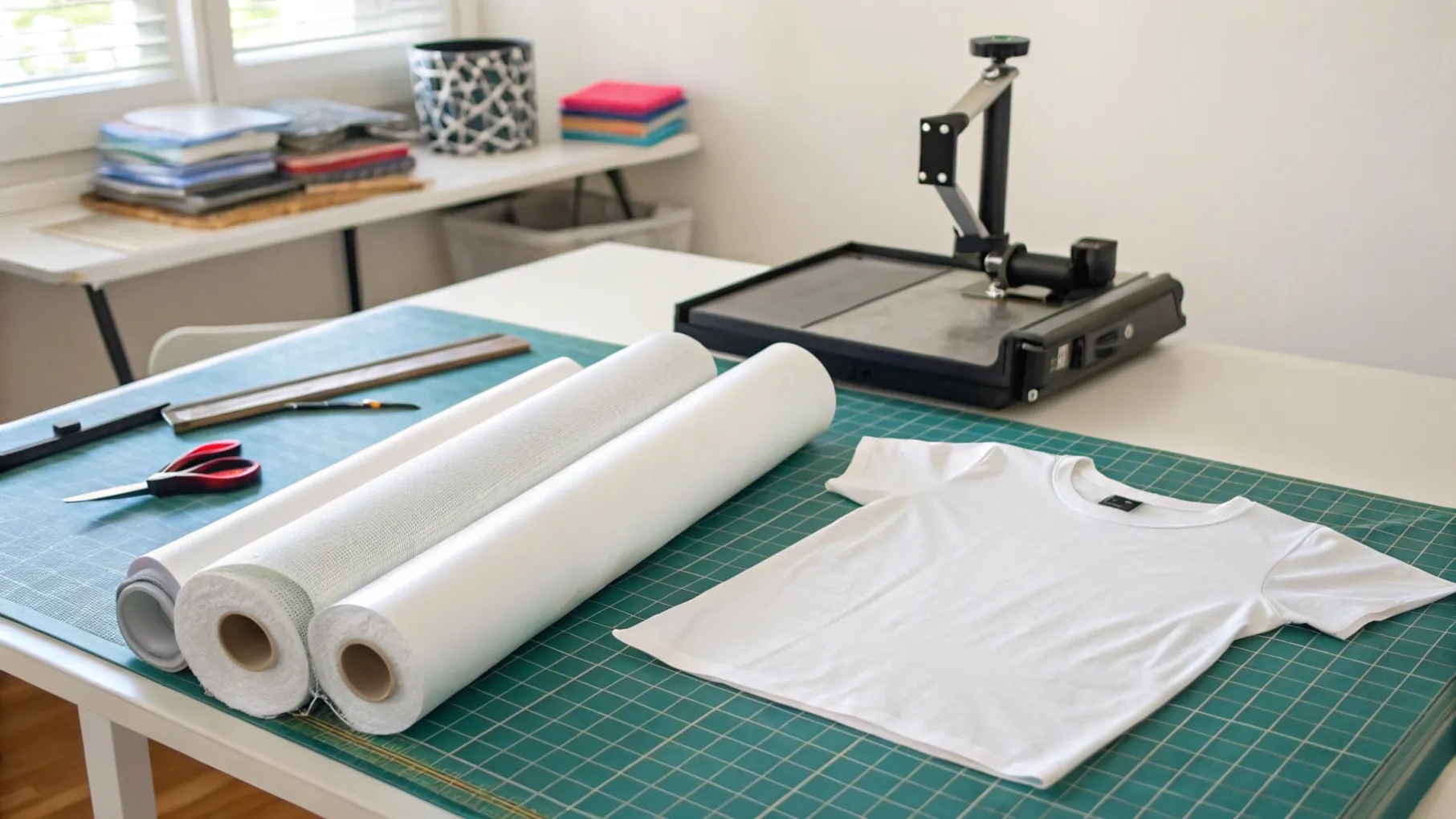
I have tested almost every home decoration technique over my career. Squeezing ink on an iron-on transfer sheet in a living room works for a quick family reunion or a costume party. You can purchase an inexpensive craft cutter or iron-on transfer sheets at an art store. The catch lies in the wash lifespan and production speed. Standard domestic irons lack even heat distribution and consistent pressure, causing graphics to peel after two washes.
To produce durable shirts at home, you need a dedicated heat press, cutting plotter, weeding tools, and blank stock. That equipment package easily crosses hundreds of dollars before you press your first piece. If you ruin three blank shirts while dialing in printer temperatures, your unit cost skyrockets. For business apparel, corporate gifts, or retail merchandise, partnering with a commercial facility produces higher quality at lower financial risk.
DIY Method | Upfront Gear Investment | Skill Level Needed | Durability & Longevity | Best Practical Application |
|---|---|---|---|---|
Iron-On Transfer Paper | Under $30 | Beginner | Low (peels after 3–5 washes) | Single-day events, novelty wear |
Heat Transfer Vinyl (HTV) | | Intermediate | Moderate (20–40 washes) | Simple text, jersey names, numbers |
DIY Screen Print Kit | | Advanced | High (long-lasting ink) | Craft hobbyists, artistic small runs |
Commercial Shop Order | $0 (Outsourced) | None | High (commercial wash grade) | Team wear, retail brands, work uniforms |
What Is the Secret to Finding the Lowest Total Cost?
Chasing the absolute lowest quote usually leaves you with cardboard-feeling shirts that nobody wears. When a recipient throws a promotional tee away, your entire marketing spend is lost.
The secret to finding the lowest total cost is optimization: select a soft mid-weight blank, limit your design to a clean one-color graphic, match the printing method to your order volume, and order all units in a single batch.
Optimizing Quality and Cost Efficiency
Real value comes from avoiding unnecessary specifications. If you cut garment quality to save sixty cents, the shirt shrinks and twists after one cycle in the dryer. A garment that stays in someone's active wardrobe provides ten times more visibility than a scratchy tee pushed into the back of a closet. You save the most money by simplifying your graphic layout rather than degrading the garment.
A sharp, bold one-color logo printed on the chest looks modern and intentional while keeping setup charges at the absolute minimum. Avoid oversized designs that require special jumbo pallets, and avoid multiple print locations like back and sleeve prints unless strictly necessary. Finally, calculate your sizes in advance and order all units together. Re-ordering ten extra units later triggers a brand-new production run with higher individual setup fees.
Production Factor | High-Cost Choice | Cost-Optimized Alternative | Practical Savings Benefit |
|---|---|---|---|
Artwork Colors | 5+ Colors with gradients | 1–2 Solid PMS spot colors | Cuts setup fees and screen burn charges |
Print Locations | Front, back, and sleeve | Single front chest placement | Eliminates multiple machine press setups |
Garment Blank | Heavy coarse uncombed cotton | Mid-tier ring-spun cotton | High softness, better ink absorption, no churn |
Order Cadence | Small monthly re-orders | Single consolidated batch | Captures maximum wholesale volume discount |
Conclusion
The cheapest custom shirt combines smart artwork design, durable blank fabric, and the right printing method for your quantity. Focus on overall value rather than the lowest initial bid.