Sep 22, 2026News & Insights
What Would Be the Best Water Bottle for Daily Refilling?
The ideal daily water bottle balances 500–750 ml capacity, easy cleaning, durable stainless steel construction, and convenient refilling for safe, practical hydration.
What Would Be the Best Water Bottle for Daily Refilling?
Do you constantly purchase oversized, heavy tumblers only to abandon them because they don’t fit under your office water dispenser or take twenty minutes to scrub clean? Over-engineering your hydration gear creates daily friction that discourages consistent water intake.
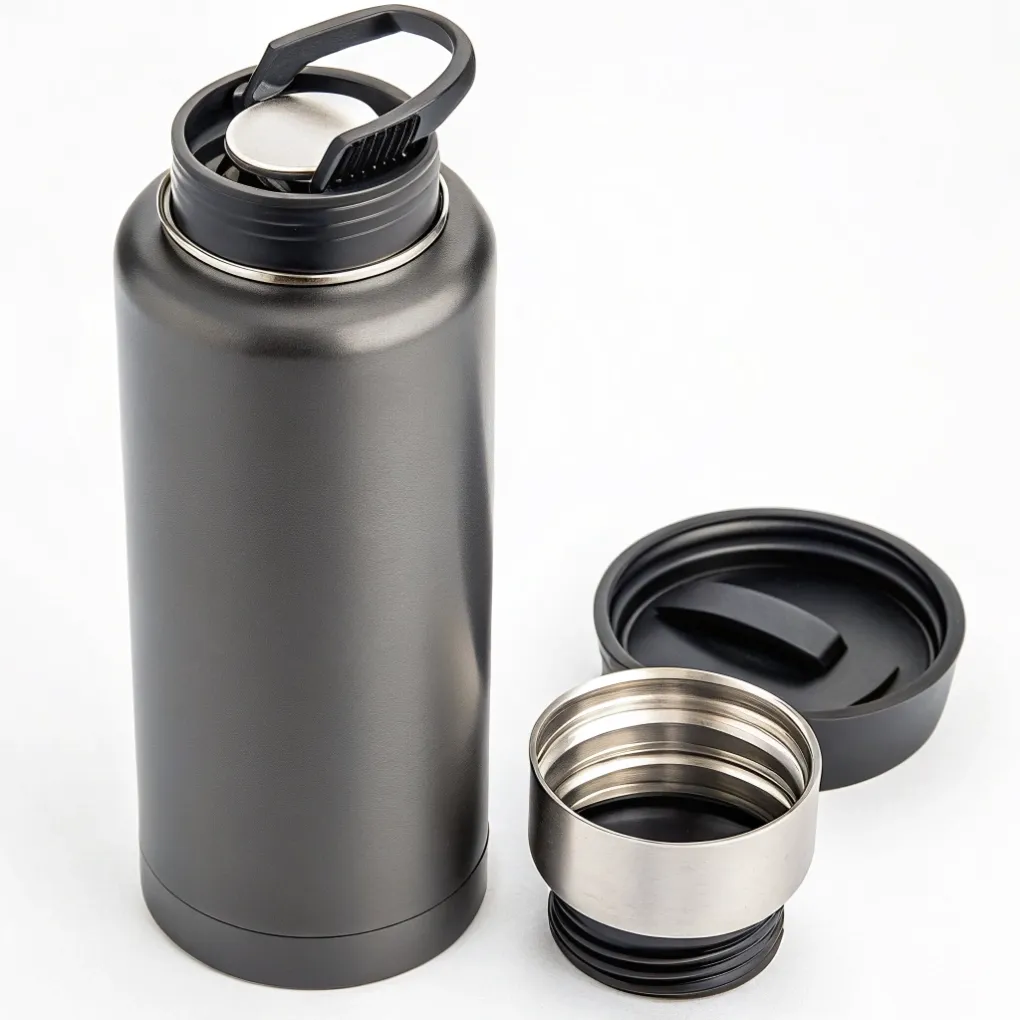
The best water bottle for daily refilling is a 500 to 750 ml double-wall vacuum-insulated stainless steel or food-grade Tritan bottle featuring a wide-mouth opening for effortless tap refilling, a simple modular lid with removable silicone seals, and a diameter that fits standard cup holders.
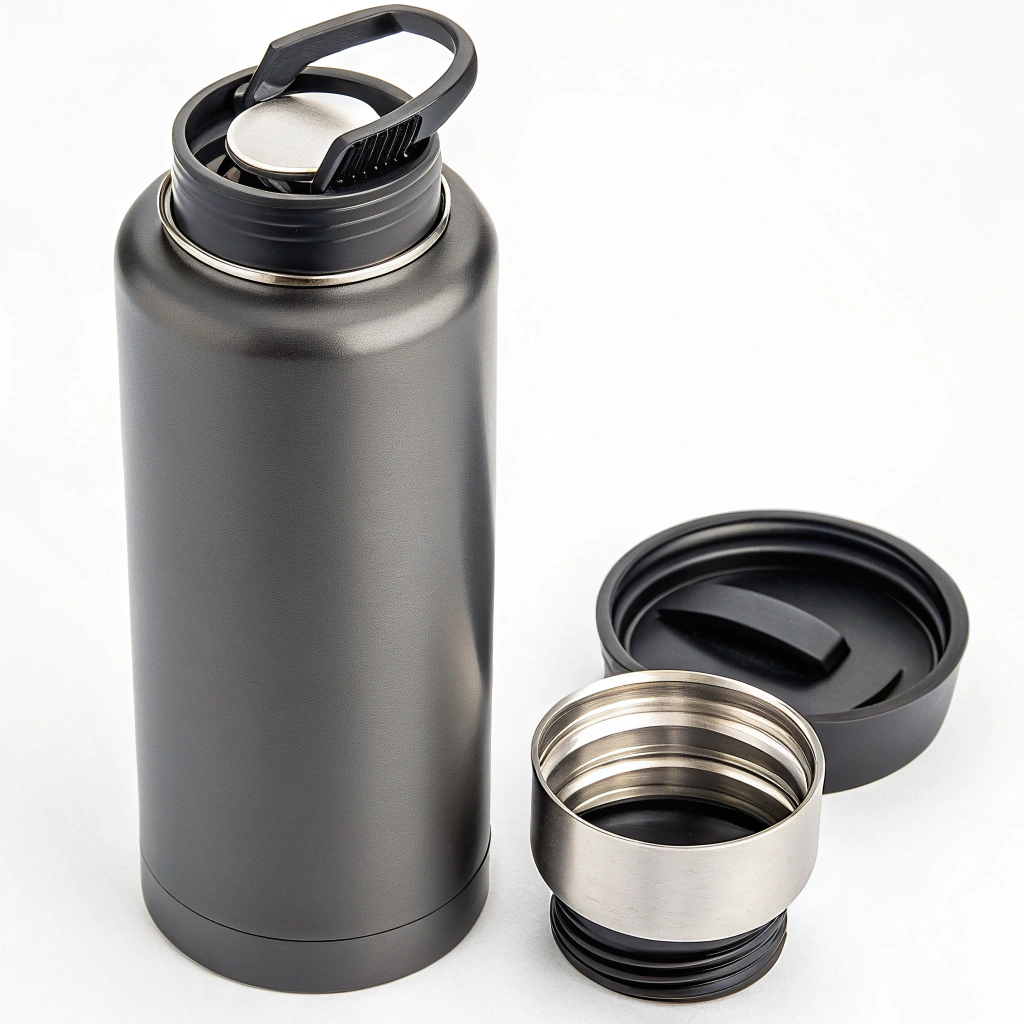
When I started my career working in a printing and corporate merchandise factory years ago, I handled thousands of promotional bottles. The products that stayed on desks for years were never the ones with the most gadgets, clips, or massive volumes; they were the bottles that removed small daily annoyances. A daily bottle must clear the clearance height of standard office water coolers, wash easily with a kitchen sponge, and stay leak-proof inside a commuter bag. Let us evaluate optimal refill sizing, review bottled water health considerations, and examine why cardiologists urge caution regarding disposable plastic bottles.
Which Bottled Water Is Best for Drinking Daily?
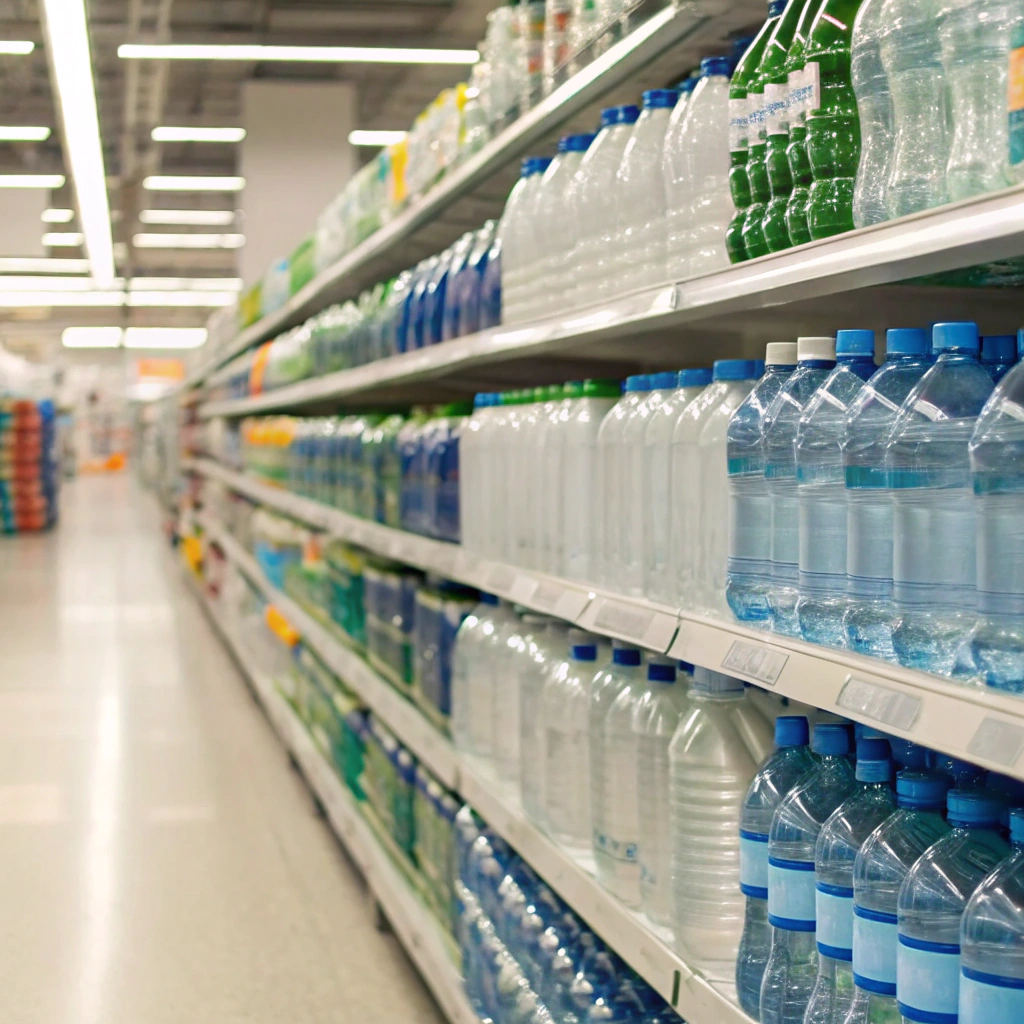
Are you confused by grocery aisles packed with alkaline, spring, purified, and mineral bottled waters claiming superior health benefits? Navigating water marketing makes it difficult to distinguish genuine purity from commercial packaging claims.
The best bottled waters for daily drinking are certified natural spring waters or mineral waters with a balanced, neutral-to-slightly-alkaline pH (7.2 to 7.8) and a natural Total Dissolved Solids (TDS) range between 150 and 300 mg/L, packaged in glass or BPA-free recyclable aluminum.
Natural Spring, Reverse Osmosis, and Electrolyte Balance
Not all bottled waters provide the same physiological benefit. Standard “purified” tap water undergoes reverse osmosis (RO) or deionization, which strips away contaminants but also removes essential alkaline minerals like calcium, magnesium, and potassium. Consuming pure demineralized water over long periods can leave the palate flat and does not contribute to daily dietary mineral intake.
In contrast, natural artesian and spring waters—such as Mountain Valley or Fiji—filter naturally through subterranean rock layers, picking up trace electrolytes and silica that provide a smooth, refreshing mouthfeel and natural alkalinity. However, relying on single-use bottled water creates substantial economic and environmental costs. For corporate teams and daily desk hydration, filtering municipal tap water through an NSF-53 certified carbon block filter into a reusable vessel provides identical mineral purity without recurring plastic bottle waste.
Bottled Water Classification | Source & Filtration Process | Mineral Content (TDS) | Typical pH Range | Daily Usability Assessment |
|---|---|---|---|---|
Natural Spring Water | Protected underground aquifers | Moderate (150–300 mg/L) | 7.2 to 7.8 (Balanced) | Optimal: Balanced natural minerals and taste |
Purified / RO Water | Municipal tap filtered via reverse osmosis | Very Low (Under 25 mg/L) | 5.5 to 6.8 (Slightly acidic) | Acceptable: Lacks natural trace electrolytes |
Natural Mineral Water | Geologically verified thermal springs | High (500–1,500+ mg/L) | 6.0 to 7.5 (Variable) | Good for Hydration: Strong mineral flavor profile |
Enhanced Alkaline Water | Ionized tap water with chemical additives | Low to Moderate | 8.5 to 9.5+ (Artificially high) | Overrated: Unnecessary for healthy kidney function |
What Size Water Bottle Is Best for Daily Use?
Do you find yourself hauling a massive 2-liter jug that strains your wrist, or carrying a tiny 350 ml flask that runs dry after three sips? Choosing an unbalanced capacity disrupts your focus with constant refilling or excessive carry weight.
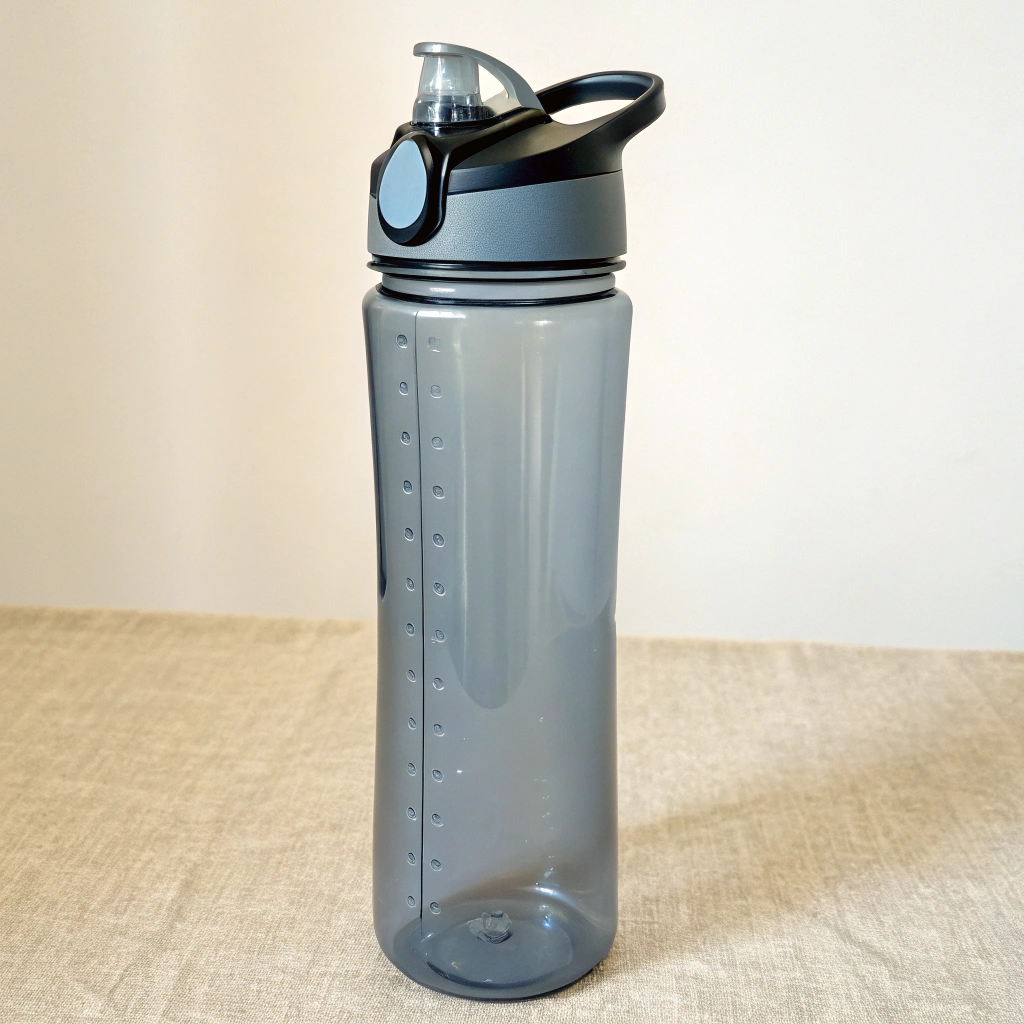
The best water bottle size for daily use is 500 to 750 ml (17 to 25 oz) because it strikes the perfect balance between adequate hydration volume, manageable carry weight under 1 kg when full, and compatibility with standard dispensers.
Dispensary Clearance, Ergonomics, and Daily Payload
Selecting bottle capacity requires evaluating your actual daily environment rather than theoretical hydration targets. A 1-liter (32 oz) or 1.5-liter bottle weighs over 1.5 kg when filled; it tips over easily on crowded conference tables, stretches backpack side pockets, and is often too tall to fit under standard office water cooler spouts, forcing you to tilt the bottle awkwardly and spill water.
A 500 to 750 ml bottle fits naturally within everyday corporate and transit routines. For marketing managers like Jacky designing corporate employee onboarding kits, the 600 ml profile represents the industry sweet spot. It sits comfortably inside automotive cup holders, slides into commuter tote bags, and encourages short, refreshing desk breaks every two to three hours to refill and stretch.
Capacity Tier | Fluid Volume | Total Weight (Full) | Physical Height Profile | Daily Workstation Verdict |
|---|---|---|---|---|
Compact Carry | 350 to 450 ml (12–15 oz) | ~0.55 kg | 16 to 19 cm (Very low profile) | Great for brief meetings; runs dry too fast |
Everyday Sweet Spot | 500 to 750 ml (17–25 oz) | ~0.85 to 1.1 kg | 22 to 26 cm (Universal fit) | Ideal: Fits under cooler taps, car holders, bags |
High-Volume Growler | 1,000 to 1,500 ml (32–50 oz) | ~1.6 to 2.2 kg | 28 to 34 cm (Heavy & tall) | Too heavy for commutes; awkward to refill under taps |
Multi-Liter Jug | 2,000+ ml (64+ oz) | Over 2.6 kg | Bulky footprint | Only suited for outdoor construction or field athletics |
Why Do Cardiologists Say Avoid Bottled Water?
Have you seen recent medical advisories warning against drinking from disposable commercial bottled water? Clinical research has revealed significant cardiovascular risks linked to invisible chemical compounds in single-use plastics.
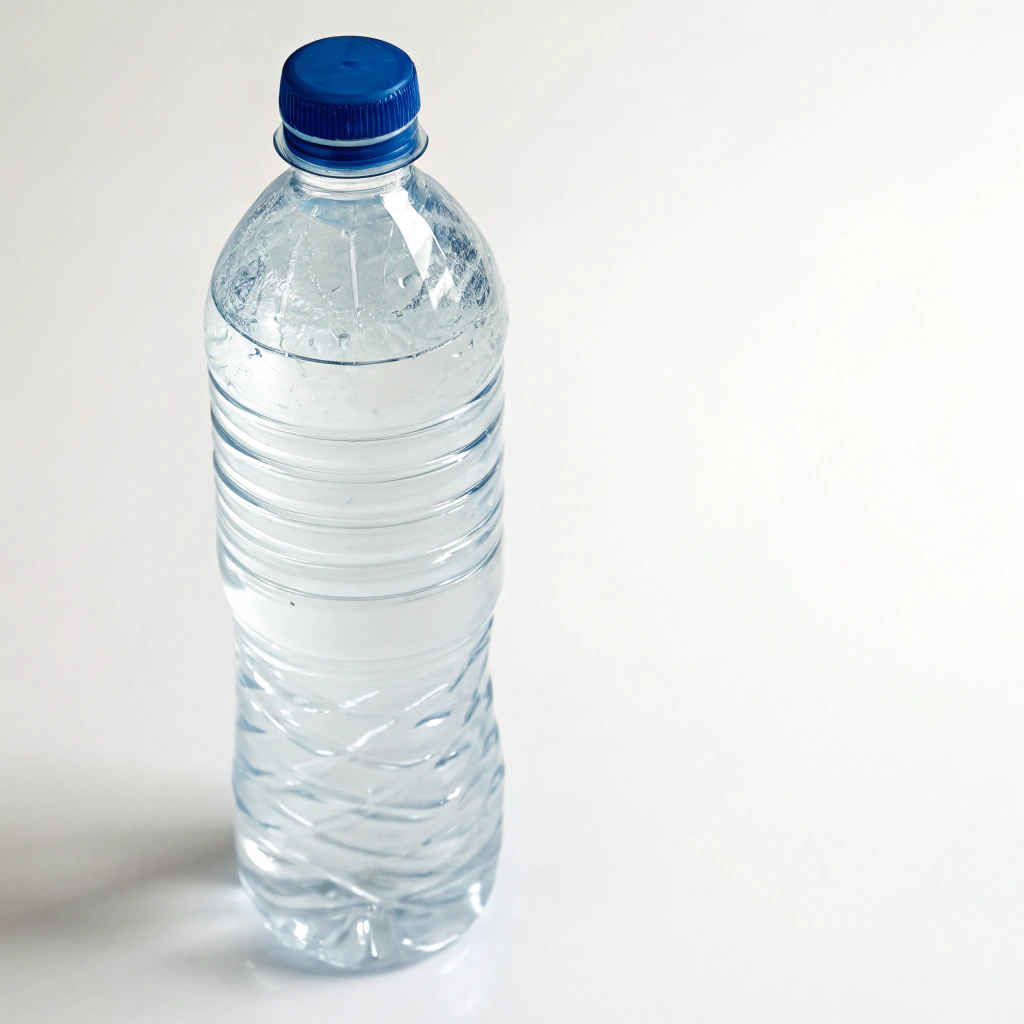
Cardiologists advise avoiding disposable bottled water because single-use PET bottles leach hundreds of thousands of nanoplastics and endocrine-disrupting phthalates into the water, which can enter the bloodstream, trigger vascular inflammation, and increase the risk of plaque build-up.
Nanoplastics, Endocrine Disruption, and Arterial Plaque
Recent landmark medical studies published in leading clinical journals utilizing stimulated Raman scattering microscopy have identified that an average liter of commercial bottled water contains roughly 240,000 detectable plastic fragments—90% of which are microscopic nanoplastics. Because nanoplastics measure less than 1 micrometer in size, they pass directly through intestinal linings and lung tissue, penetrating cellular membranes and entering the human bloodstream.
Once inside the vascular system, plasticizers like phthalates and bisphenols (BPA/BPS) act as endocrine disruptors that induce chronic systemic inflammation and oxidative stress across the endothelial cells lining arterial walls. Clinical research published in the New England Journal of Medicine revealed that patients with microplastics and nanoplastics detected inside their carotid artery plaque had a significantly higher risk of myocardial infarction (heart attack), stroke, or all-cause mortality compared to those with clean arterial tissue. Switching to an electropolished 304/316 stainless steel bottle eliminates plastic leaching entirely, safeguarding cardiovascular health.
Cardiovascular Risk Driver | Chemical / Physical Agent | Biological Mechanism | Long-Term Health Concern |
|---|---|---|---|
Nanoplastic Infiltration | Sub-micron PET and Polyamide particles | Crosses cell walls directly into bloodstream | Systemic inflammation & micro-thrombi risk |
Endocrine Disruption | Phthalate esters (DEHP, DBP) plasticizers | Mimics human hormones; damages vascular tone | Elevated blood pressure & endothelial stiffness |
Atherosclerotic Progression | Macrophage phagocytosis of plastics | Traps plastic in arterial fat deposits | Rupture-prone unstable cardiovascular plaque |
Thermal Chemical Release | Leached antimony catalyst residues | Accelerates when bottles sit in warm cars/trucks | Heavy metal vascular and renal toxicity |
Conclusion
The best water bottle for daily refilling combines a 500 to 750 ml capacity, an easy-to-clean wide mouth, and food-grade 304 stainless steel construction, keeping your daily hydration safe, free from microplastic contamination, and effortless to maintain.