Aug 3, 2026Services Overview
Which Bullet Journal Is Best For Me If I Am Not Creative?
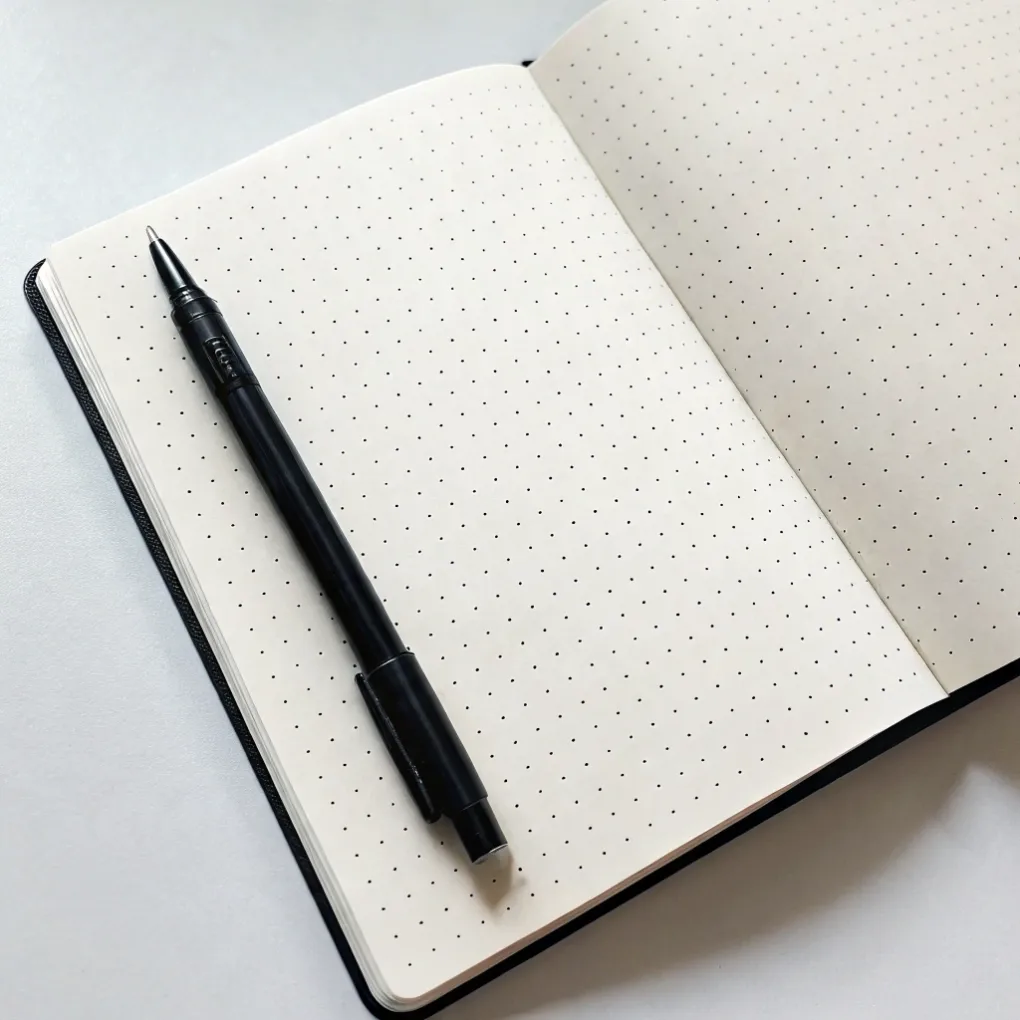
The best bullet journal for non-creative users focuses on simplicity, structure, and easy organization, helping anyone build productive habits without needing advanced design skills.
Which Bullet Journal Is Best For Me If I Am Not Creative?
Feeling intimidated by artistic bullet journals on social media can stop you from getting organized. You might worry that you need drawing skills, colorful brush pens, or complex page spreads just to plan your week. Using a minimalist, practical bullet journal helps you achieve total clarity without taking up hours of your time.
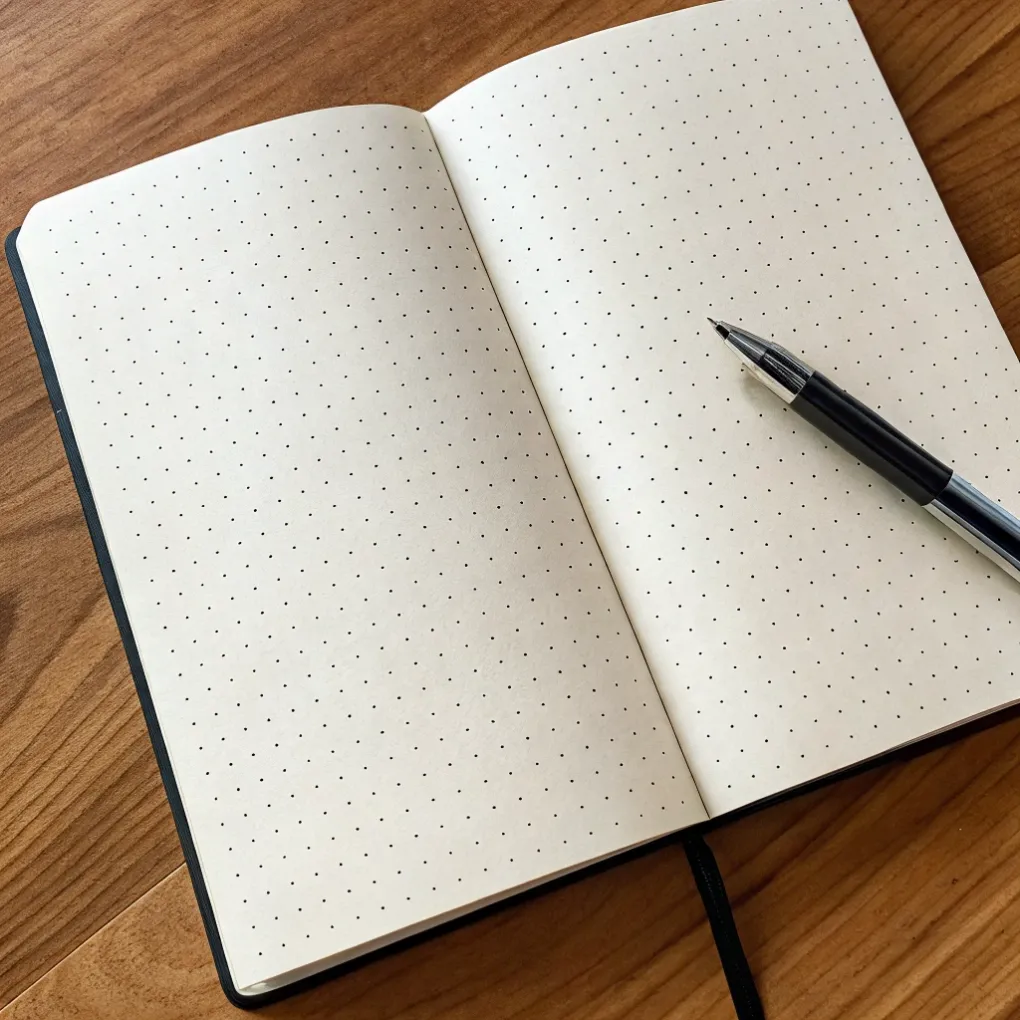
The best bullet journal for non-creative individuals is a simple dot-grid notebook paired with a single black pen. Focusing on minimalist bullet journaling prioritizing rapid logging, clean task lists, and habit tracking delivers maximum productivity with zero artistic skills required.
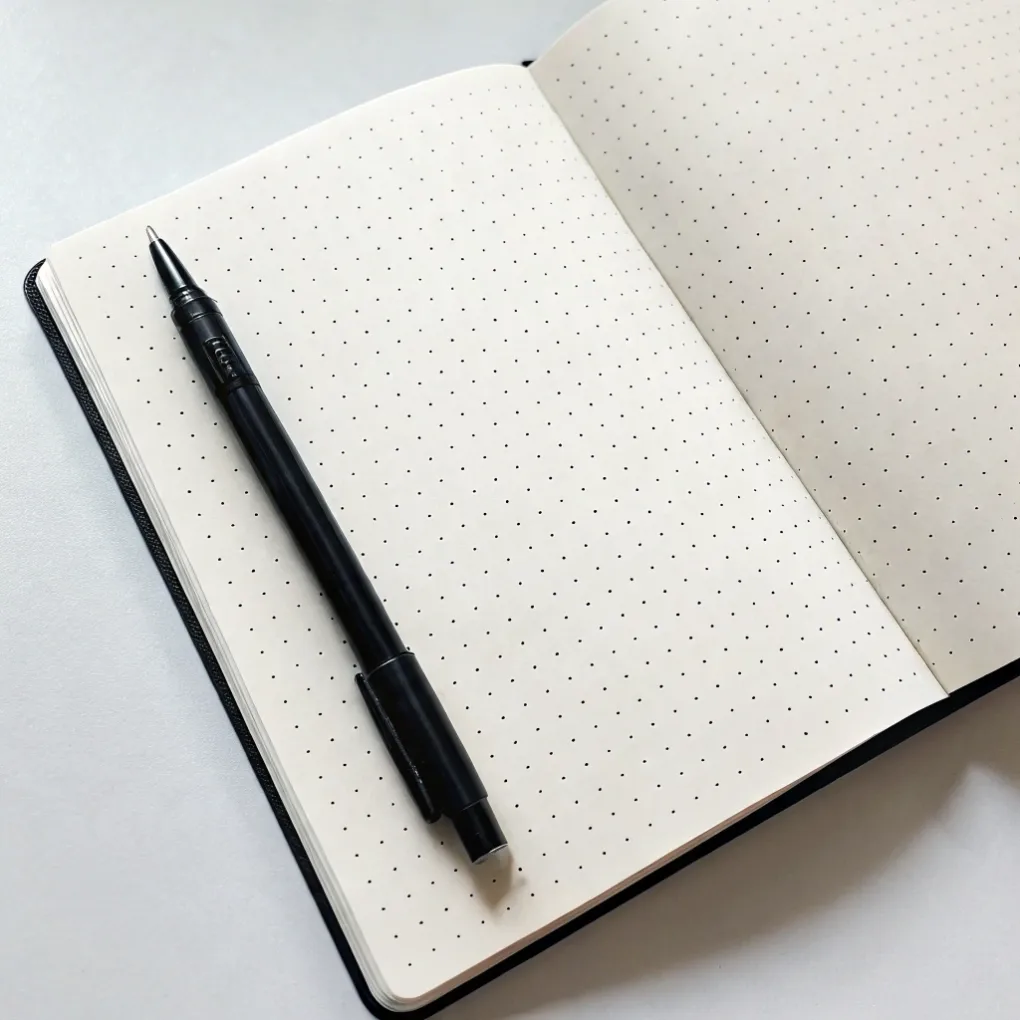
I spent years on factory floors managing bookbinding, paper density, and custom stationery production before founding Latitude. I saw firsthand how a clean, functional notebook with sturdy paper transforms daily productivity far better than decorative artwork ever could. Keep reading to learn how you can start a highly effective journal without drawing a single line.
What Type Of Journaling Is Best For Me?
Navigating different journaling styles often leaves beginners feeling overwhelmed by choices. You risk picking a rigid method that feels like a dull chore rather than a helpful tool. Matching a journaling style to your natural personality makes maintaining daily habits simple.
The best type of journaling for non-creative individuals is minimalist bullet journaling or structured rapid logging. These functional methods focus on brief bullet points, clear task management, and simple reflection rather than long-form writing or elaborate artistic spreads.
Selecting A Functional Journaling Style
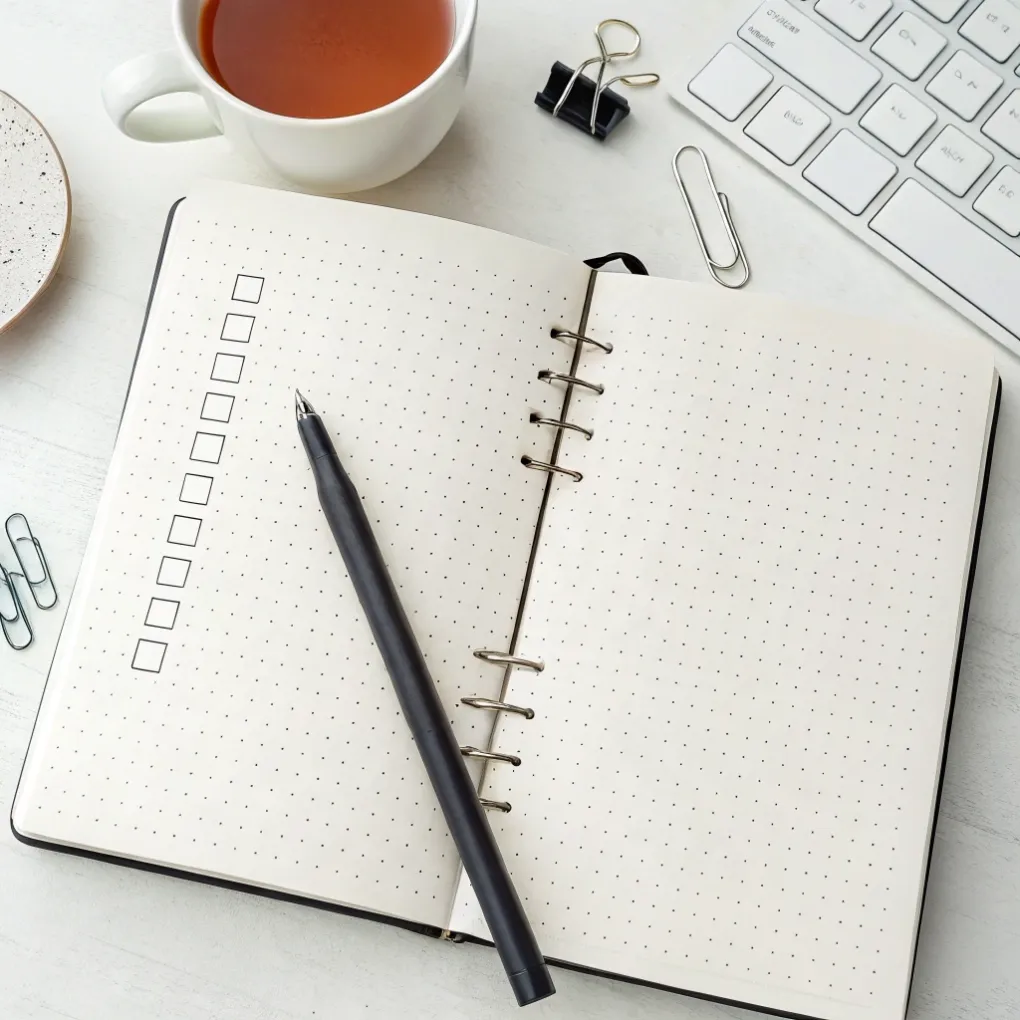
During my ten years running Latitude, I tested numerous journaling methods to manage factory production schedules and corporate projects. I noticed that artistic journaling often leads to burnout because maintaining complex layouts requires significant effort. Minimalist rapid logging, created originally by Ryder Carroll, uses simple symbols to track tasks, events, and quick notes efficiently.
If you prefer structured routines, combining minimalist bullet journaling with a basic daily gratitude list provides mental clarity. This approach keeps your journaling habit fast, functional, and stress-free.
Journaling Style | Main Focus | Ideal Personality Match |
|---|---|---|
Minimalist Bullet Journal | Rapid task logging & planning | Pragmatic, goal-oriented, non-creative |
Artistic / Decorative | Visual layouts & illustrations | Creative, hobbyists, artists |
Stream-of-Consciousness | Long-form daily thought dumps | Writers, deep thinkers, verbal processors |
Structured Gratitude | Quick daily reflections & prompts | Busy professionals seeking mindfulness |
Choosing a functional journaling style ensures you build a sustainable daily habit that supports your personal productivity.
How To Bullet Journal If You Can't Draw?
Believing you need artistic talent to keep a bullet journal is a common misconception. You might worry that messy handwriting or uneven lines will ruin your notebook. Following simple structural techniques allows you to create clean, professional pages without any artistic skill.
To bullet journal without drawing, use a ruler to draw straight lines, rely on pre-printed dot-grid paper for spacing, use simple bullet symbols, and keep your layouts focused purely on clear text headers and organized task lists.
Simple Tools For Non-Artistic Journaling
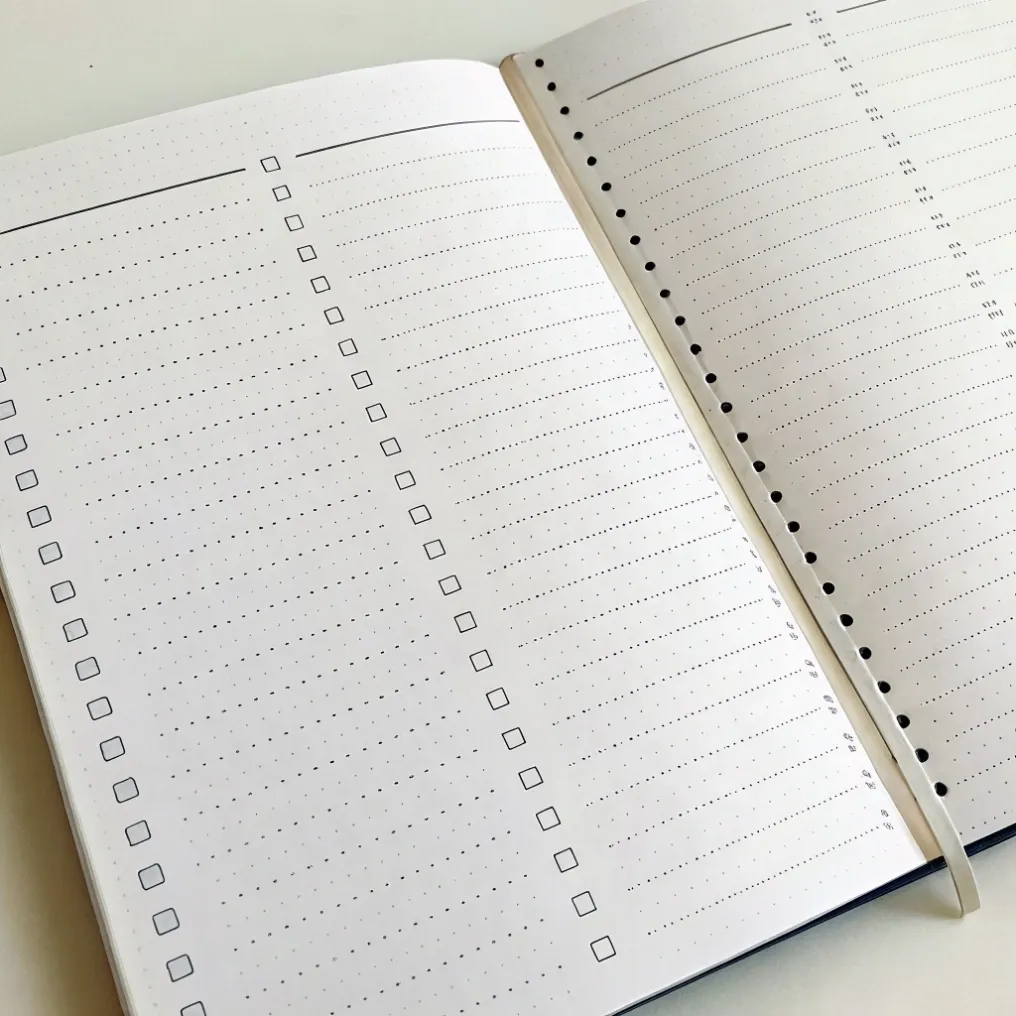
In my bookbinding days, I always recommended dot-grid paper to clients who felt insecure about their handwriting. The subtle dots spaced 5mm apart act as an invisible grid guide. This allows you to write straight lines, align check boxes, and divide pages evenly without needing drawing talent.
You can also use basic tools like wooden rulers, minimalist stencils, or functional sticky notes to divide your pages. Using a single black gel pen creates an executive, polished aesthetic that looks intentional, elegant, and modern.
Non-Artistic Tool | How It Helps | Productivity Benefit |
|---|---|---|
Dot-Grid Paper (5mm) | Guides alignment and line spacing | Keeps handwriting straight and neat |
Simple Ruler | Creates clean section dividers | Divides weekly layouts in seconds |
Minimalist Stencils | Shapes boxes and icons instantly | Eliminates hand-drawing errors |
Single Black Pen | Maintains uniform clean look | Keeps setup fast with zero fuss |
Leveraging these basic tools lets you maintain a clean, organized notebook that looks great without drawing skills.
How Do I Start A Bullet Journal For Beginners?
Starting a new journal can feel intimidating when facing a blank front page. You risk overcomplicating your initial setup with too many complex trackers that you abandon after a week. Keeping your beginner setup simple guarantees long-term success.
To start a bullet journal for beginners, pick a quality dot-grid notebook, create a basic Index page, set up a simple Monthly Log with dates, and begin daily rapid logging with short bullet points for immediate tasks.
Step-By-Step Beginner Framework
When I consult with corporate clients at Latitude on custom planner design, I always emphasize starting with core basics. You only need four fundamental spreads to run a successful bullet journal system: an Index, a Future Log for upcoming months, a Monthly Log for immediate goals, and Daily Logs for daily tasks.
Spend ten minutes every morning writing down your daily to-do items using simple bullet symbols. At the end of the day, review your list: mark completed items with an X, and migrate unfinished tasks forward. This simple daily reflection builds strong focus and momentum over time.
Core Beginner Page | Setup Method | What To Write |
|---|---|---|
Index Page | First 2 pages of notebook | Table of contents listing page numbers |
Future Log | 2 to 4 pages divided in thirds | Key events & deadlines for upcoming months |
Monthly Log | Single page listing month dates | Monthly calendar view & main goals |
Daily Log | Dated section for today | Rapid task lists, notes, & quick events |
Mastering these four basic pages gives you a complete, highly effective organization system without unnecessary complexity.
Conclusion
The best bullet journal for someone who is not creative is a clean dot-grid notebook paired with a black pen, focusing on minimalist task logging and simple daily consistency over decorative artwork.