Sep 14, 2026News & Insights
Which Is Better: Stainless Steel or Plastic Water Bottle?
Stainless steel bottles offer durability, insulation, and clean taste, while BPA-free plastic provides lightweight convenience, making each suitable for different daily hydration needs.
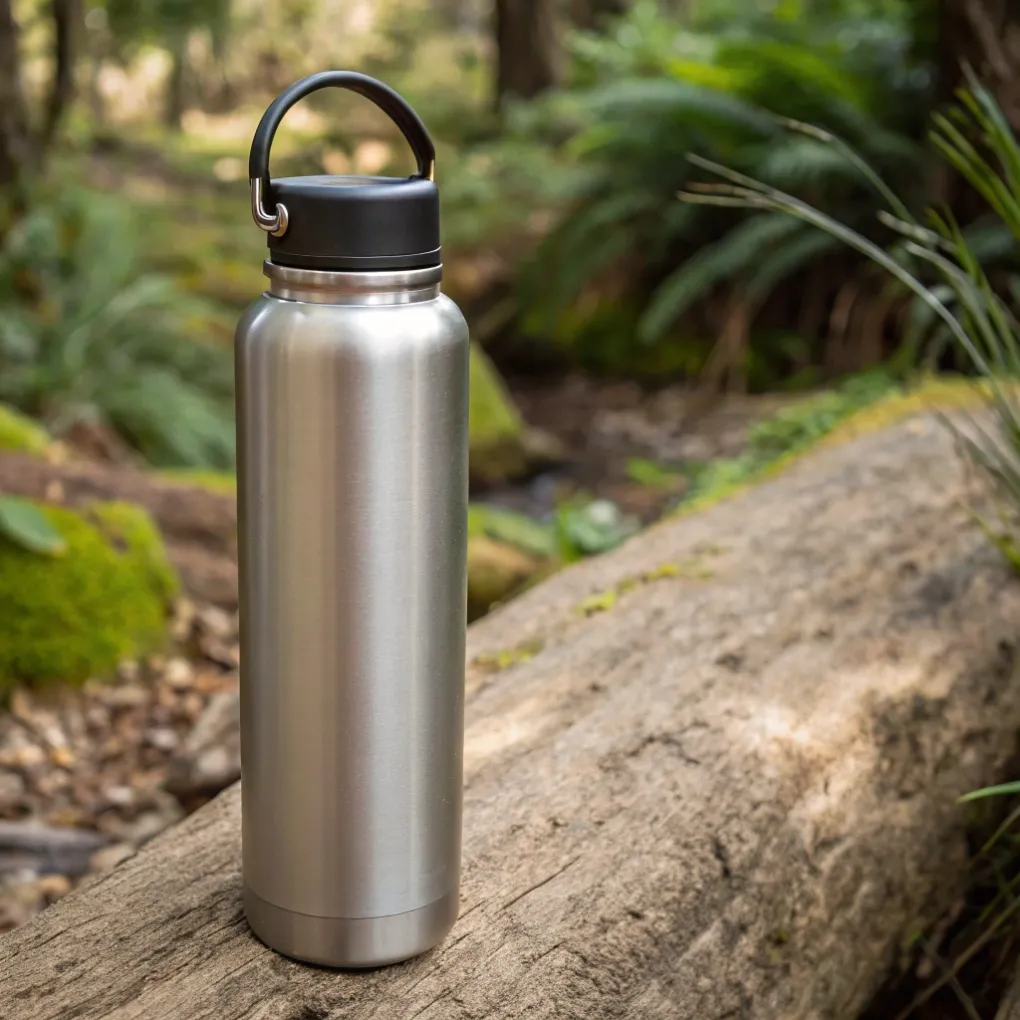
Which Is Better: Stainless Steel or Plastic Water Bottle?
Do you struggle to decide between a rugged stainless steel flask and an ultra-lightweight plastic bottle when heading out the door? Choosing the wrong material can leave you with uncomfortably heavy bags or warm, stale water by midday.
Stainless steel is better for long-term daily desk and commute use due to superior thermal insulation, lifetime durability, and pure taste, while food-grade plastic is better for high-intensity sports, hiking, and children where minimal carry weight is the priority.
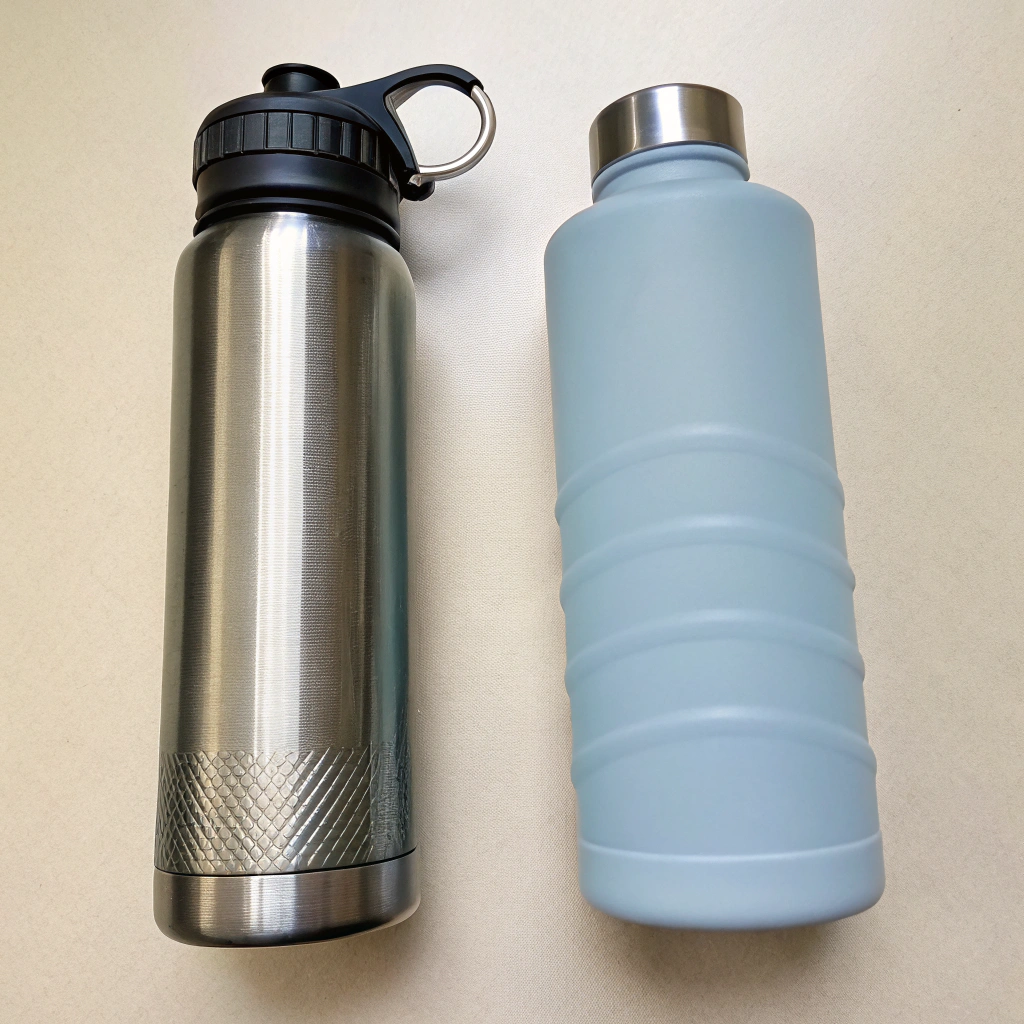
When I started my career working in a printing and corporate merchandise factory years ago, I saw millions of drinkware units roll off the lines. The reality is that there is no single “perfect” container for every situation. A bottle only delivers value if its weight, insulation, and durability match your daily physical routine. Let us examine the health implications of each material, evaluate their safety profiles, and determine the best bottle for your everyday lifestyle.
Is It Better to Drink Water From Stainless Steel or Plastic?
Are you worried that drinking from reusable containers might expose you to lingering chemical odors or synthetic compounds over time? Understanding how liquids interact with bottle interiors helps you protect your daily health.
It is generally better to drink water from food-grade stainless steel because it is chemically inert, non-porous, does not leach chemicals even under intense heat, and never retains lingering flavors or odors from acidic beverages.
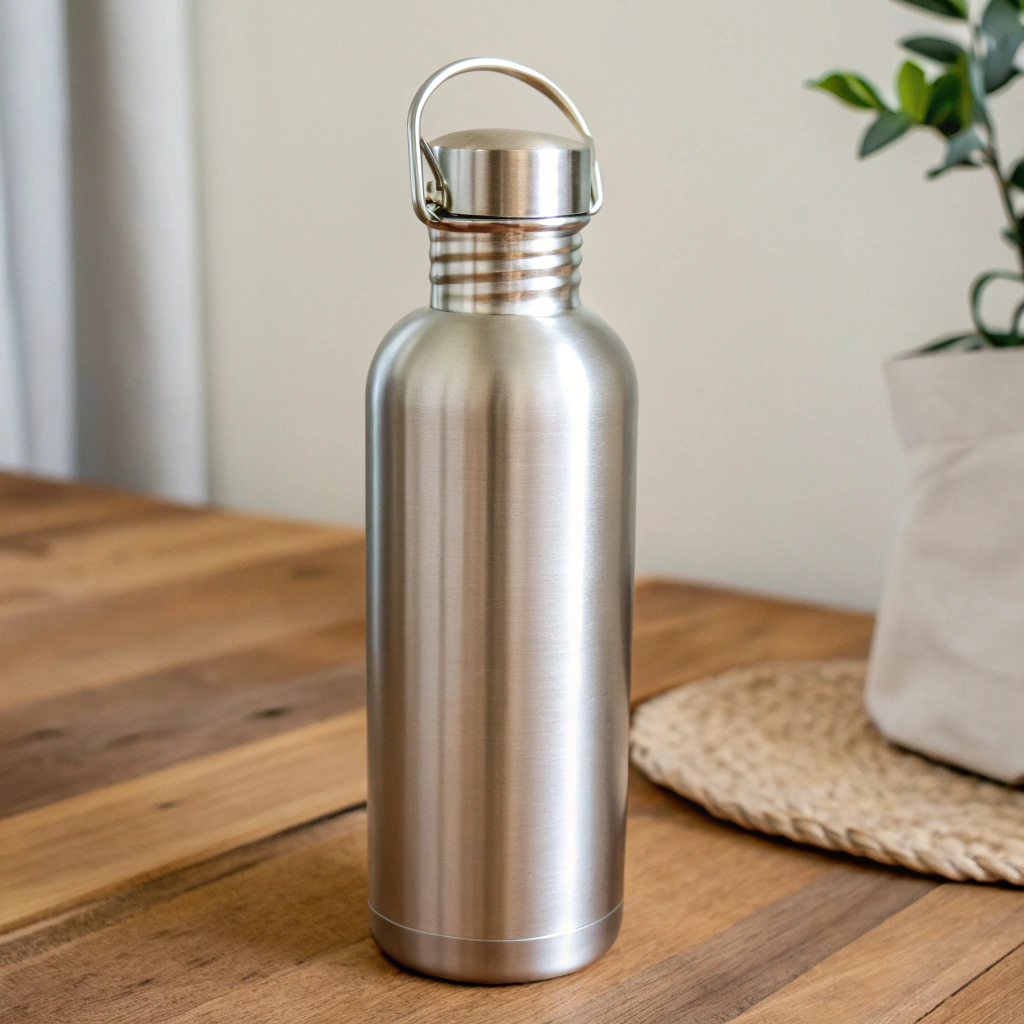
Chemical Inertness, Flavor Retention, and Temperature Resistance
The primary advantage of food-grade 18/8 (304) or marine-grade 316 stainless steel is chemical stability. Stainless steel contains a natural chromium oxide passive layer that prevents rust and stops the metal from reacting with liquids. Whether you fill your flask with boiling water, iced lemon water, or hot tea, the interior will not degrade, absorb stains, or impart a metallic aftertaste.
Plastic behaves differently over extended lifecycles. Even premium BPA-free polymers are softer and more porous than steel. Over months of heavy use, scrubbing brushes create microscopic surface abrasions inside plastic bottles where bacterial biofilms and old beverage aromas can settle. Furthermore, leaving a reusable plastic bottle inside a hot car during the summer accelerates material aging. For corporate gift planners like Jacky, providing double-wall stainless steel guarantees an executive-tier drinking experience that remains fresh after hundreds of refills.
Comparison Category | Food-Grade 18/8 (304) Stainless Steel | BPA-Free Co-Polyester (e.g., Tritan) | Impact on Daily Hydration |
|---|---|---|---|
Chemical Leaching | Completely non-reactive and inert | Low; certified food-safe without BPA | Steel withstands direct boiling water safely |
Flavor Retention | Zero retention; washes clean instantly | Tends to absorb citrus, protein, or coffee smells | Steel allows switching drinks without ghosting |
Structural Longevity | Decades of daily drop resistance | Can crack or haze after high-heat dishwasher cycles | Steel survives years of demanding daily commutes |
Empty Vessel Weight | Heavier (Approx. 320 to 450 g) | Ultra-lightweight (Approx. 120 to 180 g) | Plastic excels for running and cycling |
What Is the Healthiest Water Bottle Material?
Have you ever wondered which drinkware material ranks highest among health professionals and environmental toxicologists? Navigating marketing labels like “BPA-Free” can make it challenging to identify genuinely safe containers.
The healthiest water bottle materials are medical-grade borosilicate glass, food-grade 304/316 stainless steel, and unlined food-contact ceramics because they are entirely non-toxic, chemically inert, and free from synthetic additives.
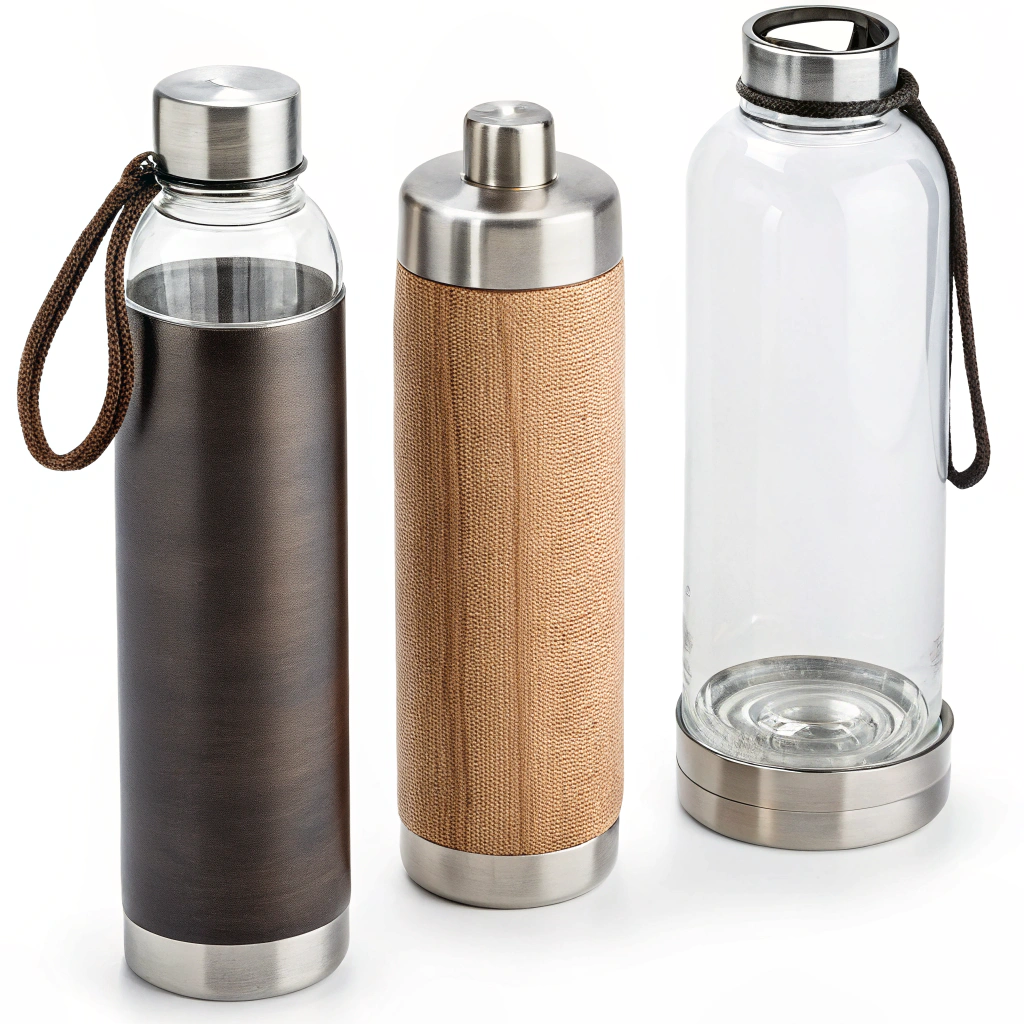
Evaluating Glass, Steel, Ceramic, and Engineered Plastics
Evaluating bottle safety requires looking at how materials behave under heat, UV exposure, and mechanical abrasion. Borosilicate glass and glazed ceramics represent the purest possible hydration vessels; they contain zero synthetic additives, do not leach minerals, and wash completely clean. However, glass and ceramic carry severe fragility risks during fast-paced transit.
Stainless steel provides the health purity of glass with the structural resilience of metal. In contrast, while modern plastics like Eastman Tritan or polypropylene (PP #5) are certified free of bisphenol-A (BPA) and bisphenol-S (BPS), they remain synthetic petroleum-derived polymers that can degrade over time when exposed to harsh detergents and UV sunlight.
Hydration Material | Chemical Purity Rating | Thermal Safety Limit | Physical Impact Resistance | Everyday Health Verdict |
|---|---|---|---|---|
18/8 or 316 Stainless Steel | Exceptional (Non-porous metal) | Resists temperatures over 400°C | Dent-resistant; will not shatter | Gold Standard: Extremely safe and durable |
Borosilicate Glass | Maximum (100% inert mineral) | High thermal shock resistance | Fragile; shatters on hard tile drops | Purest Taste: Ideal for home and desk use |
Ceramic-Coated Metal | Maximum (Mineral inner shield) | Withstands boiling beverages | Inner lining can chip if dropped hard | Optimal Flavor: Eliminates any metal feel |
Tritan Co-Polyester (BPA-Free) | High (Modern food-grade plastic) | Top-rack dishwasher safe (Up to 90°C) | High impact and drop shatter-proof | Safe for Sport: Great when low weight rules |
Cheap Polycarbonate (PC #7) | Poor (Potential BPA/chemical trace) | Degrades rapidly under heat | Brittle over extended lifespans | Avoid: Prone to chemical breakdown |
What Is the Best Water Bottle for Daily Use?
Do you find yourself carrying an oversized, heavy insulated growler that strains your shoulder, or a flimsy plastic bottle that leaks in your backpack? Finding the best daily bottle requires balancing volume, weight, and ease of maintenance.
The best water bottle for daily use is a 500 to 750 ml double-wall vacuum-insulated stainless steel bottle featuring a wide mouth for easy cleaning, an electropolished interior, and a leak-proof insulated cap.
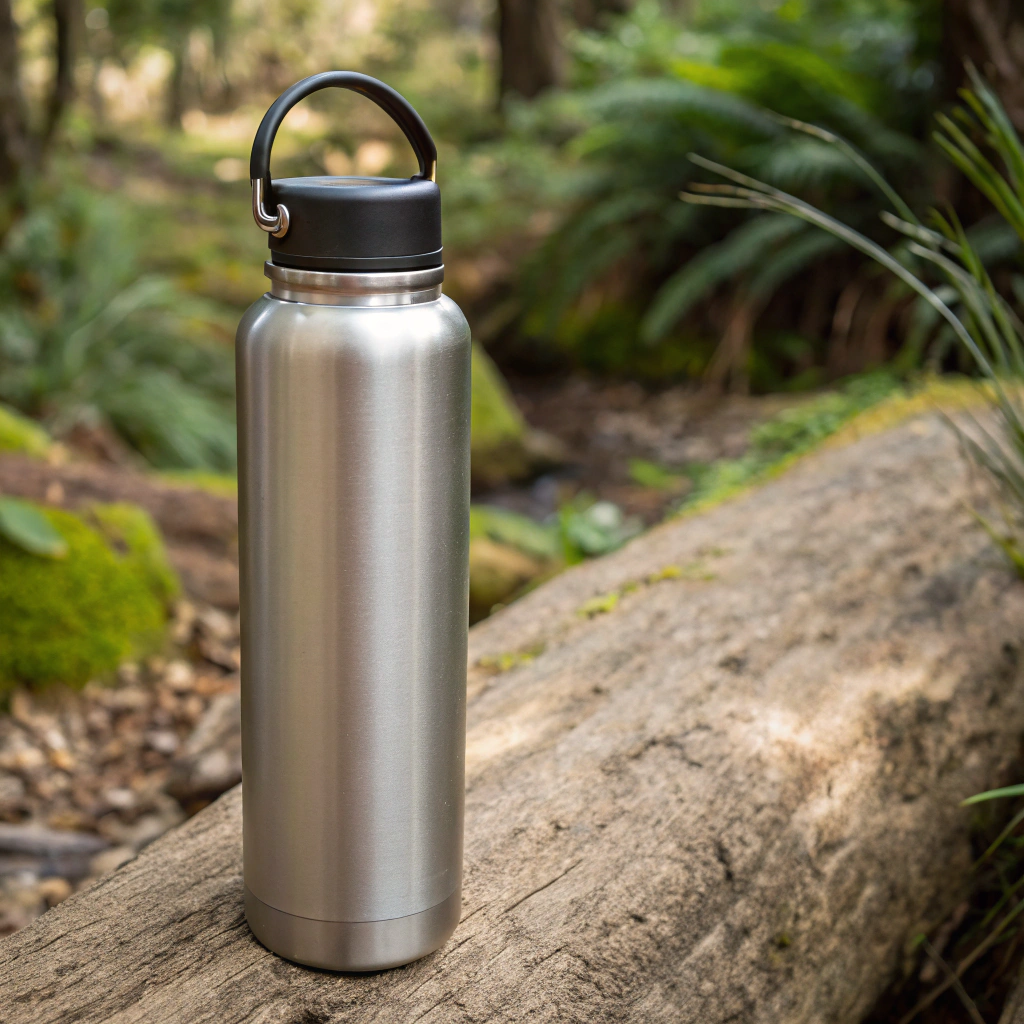
Five Practical Ergonomic Checkpoints for Everyday Carry
A great everyday hydration companion must blend seamlessly into your daily transit and workspace. The exterior diameter should not exceed 7.5 cm so it fits into automotive cup holders, side backpack pockets, and gym machine consoles. A wide-mouth opening (at least 4.5 cm) is essential: it allows you to drop in full-sized ice cubes easily and thoroughly clean the interior with a standard sponge without needing specialized wire brushes.
Lid engineering deserves careful inspection. Complicated multi-piece bite valves, push-button mechanisms, and narrow internal plastic straws create hidden moisture chambers where mold and bacteria thrive if not dismantled daily. For busy professionals, a minimalist insulated screw-cap with a food-grade silicone O-ring provides a permanent, leak-proof seal that can be cleaned in seconds.
Ergonomic Feature | Sourcing Recommendation | Why It Matters for Daily Use |
|---|---|---|
Capacity Sweet Spot | 500 ml to 750 ml (17 to 25 oz) | Balances adequate hydration volume without excessive carry weight |
Neck Diameter | Wide-mouth opening (4.5 to 5.5 cm) | Accommodates standard ice cubes and enables effortless hand-washing |
Thermal Insulation | Double-wall copper vacuum barrier | Keeps water ice-cold for 24 hours without external sweat condensation |
Surface Coating | High-durability powder-coated finish | Provides tactile grip and prevents scratching from keys inside bags |
Custom Decoration | Precision laser engraving or rotary UV | Withstands dishwasher cycles without peeling like cheap vinyl stickers |
Conclusion
Choose a double-wall vacuum stainless steel bottle for durable, all-day temperature control and pure taste at the office, or select a certified BPA-free plastic bottle when lightweight portability is essential for demanding sports and travel.