Sep 14, 2026News & Insights
Which Plastic Is Used in Water Bottles and How Do You Choose the Safest One?
The safest plastic water bottles use BPA-free PP, HDPE, or Tritan, offering heat resistance, durability, and reliable protection for everyday hydration.
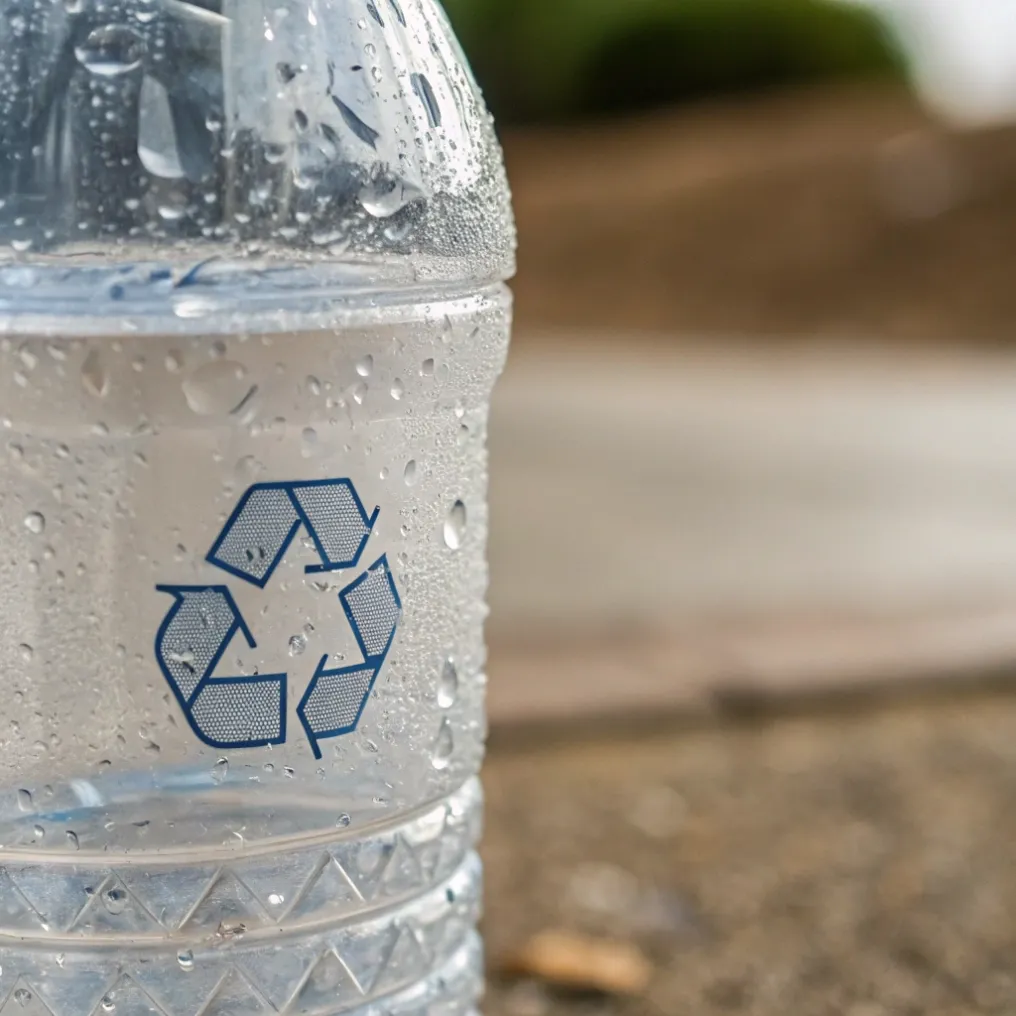
Which Plastic Is Used in Water Bottles and How Do You Choose the Safest One?
Do you look at the bottom of a plastic water bottle, see a tiny recycling number, and wonder if your daily drink is leaching synthetic chemicals? Treating all plastics as identical compounds leads to selecting flimsy containers that degrade under heat and harbor bacteria.
The plastics most commonly used in water bottles are Polyethylene Terephthalate (PET/PETE #1) for single-use containers, High-Density Polyethylene (HDPE #2) and Polypropylene (PP #5) for durable components, and Tritan co-polyester (#7) for premium, shatterproof reusable bottles.
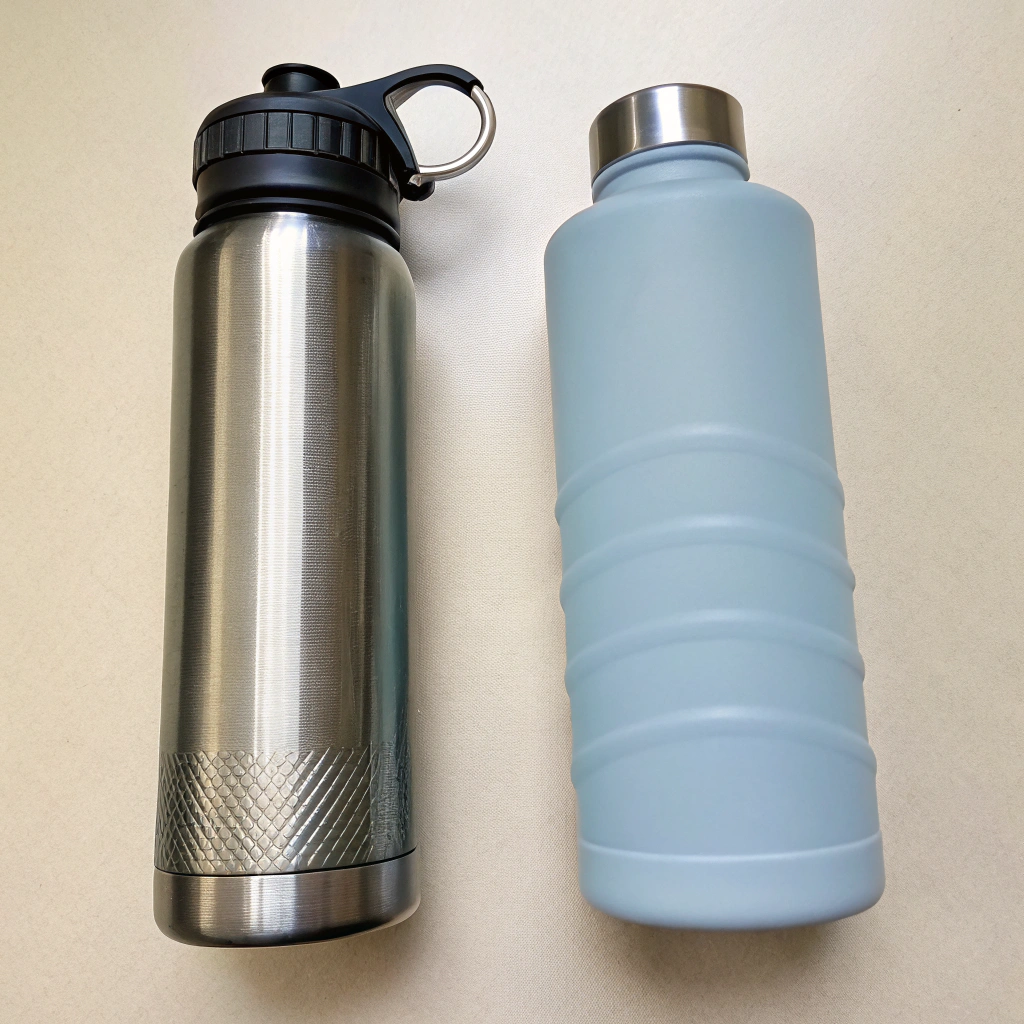
When I started my career working in a printing and product manufacturing factory years ago, I saw thousands of molded polymer goods pass through quality checks. Plastic is not a single uniform material; it is a broad family of synthetic polymers engineered with different heat tolerances, chemical resiliences, and structural densities. Knowing which resin makes up your bottle helps you protect your health and choose gear that lasts. Let us break down the safest plastic options, decode resin identification codes, and explore what “BPA-free” genuinely means for daily use.
What Is the Safest Plastic Bottle to Use?
Are you concerned that washing your reusable plastic bottle in hot water might cause harmful chemical leaching into your drinking water? Using the wrong polymer under high temperatures accelerates molecular breakdown and compromises liquid purity.
The safest plastics for reusable water bottles are Polypropylene (PP, Resin #5), High-Density Polyethylene (HDPE, Resin #2), and Tritan co-polyester (Resin #7 marked BPA-Free) because of their high thermal stability and chemical inertness.
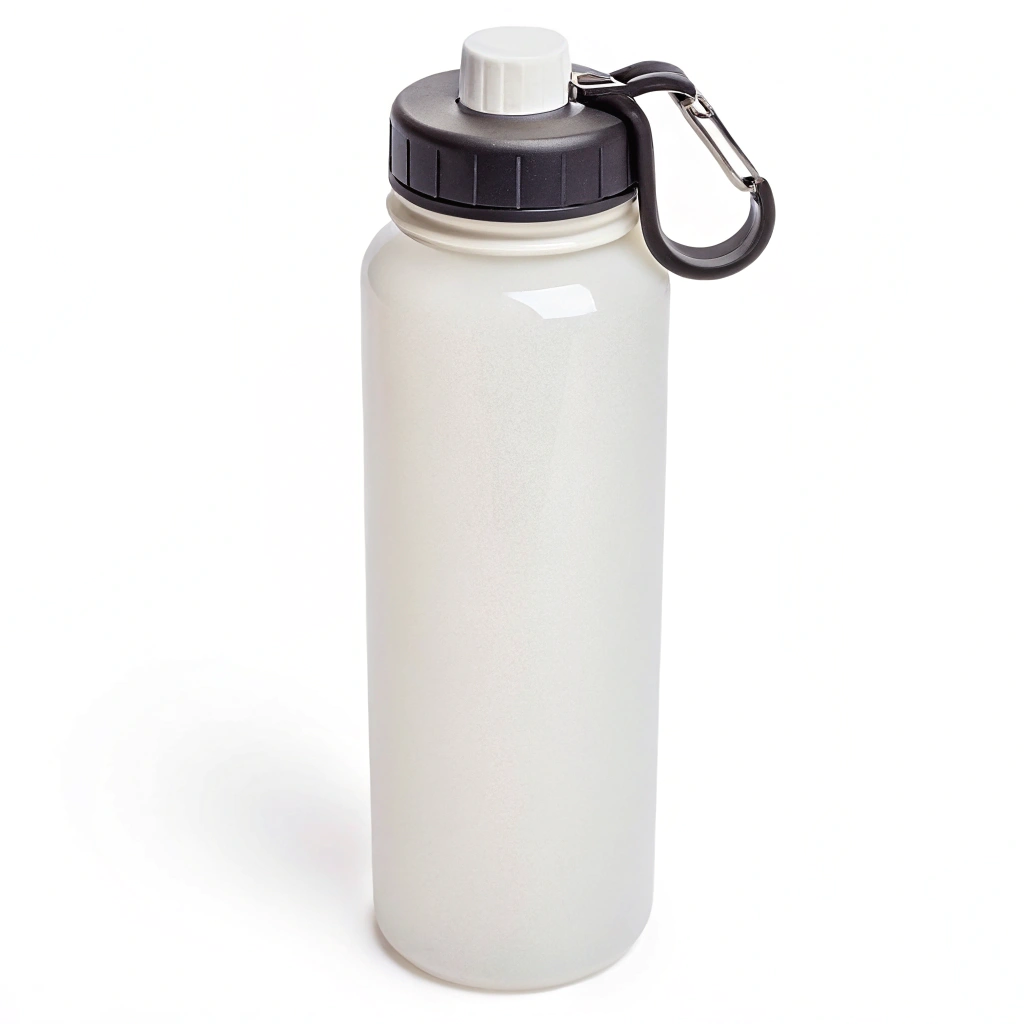
Thermal Stability, Resin Grades, and Structural Hygiene
Polypropylene (PP #5) ranks among the safest food-grade plastics because of its exceptional heat tolerance. It withstands temperatures up to 120°C (248°F), meaning it safely survives hot dishwasher sanitizing cycles without warping or releasing plasticizers. This resilience is why manufacturers use PP for high-contact components like threaded bottle caps, flip spouts, and internal drinkware straws.
For the bottle body itself, Tritan co-polyester has become the commercial gold standard. Engineered by Eastman, Tritan provides the sparkling transparency of glass without the risk of shattering upon impact. It contains zero bisphenol compounds and resists crazing (the formation of microscopic surface cracks) even after hundreds of dishwashing cycles. For brand managers like Jacky developing corporate fitness merchandise, choosing Tritan or PP ensures recipients get a lightweight, durable hydration tool that stays clear and odor-free.
Plastic Resin Type | Resin Identification Code | Transparency & Appearance | Heat Tolerance Maximum | Best Operational Use Case |
|---|---|---|---|---|
Tritan Co-Polyester | #7 (Other / Tritan) | Crystal-clear, glass-like sheen | Up to 90°C to 100°C | Daily reusable office & gym bottles |
Polypropylene (PP) | #5 | Translucent to solid opaque | Up to 120°C to 130°C | Bottle lids, flip-tops, blender balls |
High-Density Polyethylene (HDPE) | #2 | Translucent matte, waxy touch | Up to 110°C | Heavy-duty outdoor squeeze jugs |
Polyethylene Terephthalate (PET) | #1 | Clear, thin, lightweight | Up to 60°C (Heat sensitive) | Single-use pre-packaged beverage bottles |
Polycarbonate (PC) | #7 (Legacy PC) | Rigid, glassy transparency | Up to 135°C | Avoid for drinkware (Historical BPA risk) |
How Can I Tell if a Plastic Is BPA-Free?
Do you feel unsure when checking whether an unmarked plastic tumbler contains Bisphenol-A (BPA) or other endocrine-disrupting additives? Relying on guesswork can expose your household or workplace to hidden chemical hazards.
You can tell if a plastic is BPA-free by looking for the explicit “BPA-Free” food-contact imprint, verifying Resin Identification Codes #2 (HDPE), #4 (LDPE), or #5 (PP), and ensuring any #7 container explicitly states it is made from Tritan.
Decoding Mold Marks, Resin Numbers, and Material Safety Data
The most reliable way to verify a bottle’s chemical safety is by inspecting the embossed symbol on its bottom base. The Resin Identification Code—a number from 1 to 7 enclosed in a chasing arrows triangle—identifies the base polymer. Plastics categorized under codes #2, #4, and #5 are naturally synthesized without bisphenol compounds, making them inherently BPA-free by chemical design.
Caution is required when encountering Resin Code #7 (“Other”). This category is a catch-all for any resin developed after 1988, including modern, non-toxic Tritan as well as legacy Polycarbonate (PC), which was historically manufactured using BPA. If a bottle shows a #7 stamp without an accompanying “Tritan” or “BPA-Free” certification mark, do not use it for hot beverages. Reputable manufacturers always pair their resin stamp with explicit food-grade and dishwasher compliance icons.
Resin Stamp Indicator | Polymer Chemistry | Inherent BPA Risk Status | Immediate Safety Guidance |
|---|---|---|---|
Code #2 (HDPE) | High-Density Polyethylene | Completely BPA-Free | Safe for regular liquid refills |
Code #4 (LDPE) | Low-Density Polyethylene | Completely BPA-Free | Common in flexible squeeze cycling bottles |
Code #5 (PP) | Polypropylene | Completely BPA-Free | Highly heat-resistant; safe for hot dishwashers |
Code #7 (Marked Tritan) | Co-Polyester Polymer | Certified BPA/BPS/EA-Free | Premium standard for clear reusable drinkware |
Code #7 (Unmarked / PC) | Polycarbonate Blend | Potential BPA Leaching Risk | Do not expose to boiling liquids or harsh acids |
Which Plastic Water Bottles Are BPA-Free?
Have you ever wondered which commercial brands and manufacturing specifications guarantee chemical-safe construction across all internal parts? Overlooking secondary components like gaskets and drinking spouts leaves your hydration system vulnerable.
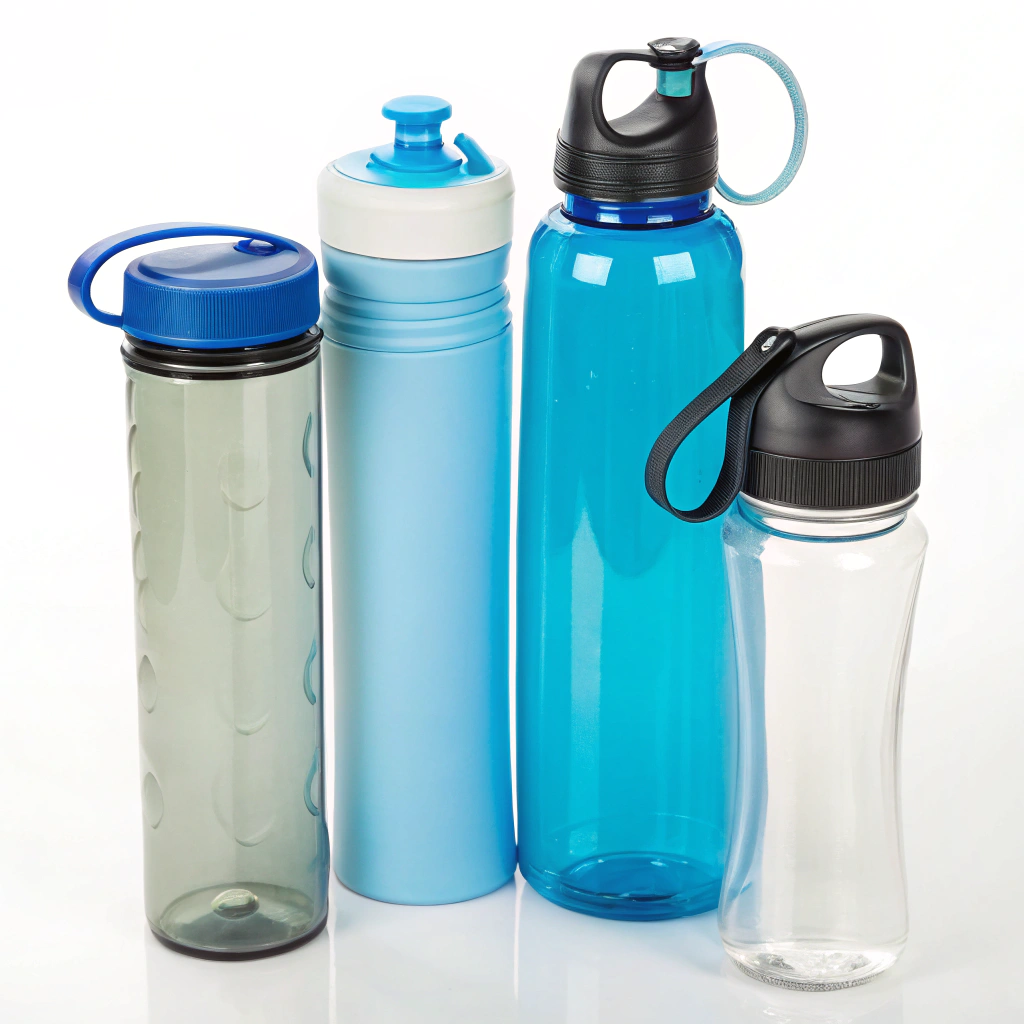
Plastic water bottles made by reputable brands like Nalgene (Sustain line), CamelBak (Eddy+ / Chute Mag), Hydro Flask (sports caps), and Contigo are certified BPA-free, utilizing Eastman Tritan bodies and pure polypropylene lids.
Comprehensive Drinkware Systems: Caps, Seals, and Daily Cleaning
A water bottle is a multi-part mechanical assembly, not a single piece of plastic. Even if the main cylinder is molded from premium BPA-free Tritan, the bottle is only as safe as its closures and seals. The best drinkware manufacturers build the entire drinking assembly from food-grade polypropylene (#5) paired with medical-grade, platinum-cured silicone O-rings that prevent leaks without relying on toxic plasticizers.
For corporate procurement and long-term brand equity, look beyond the initial factory specification sheet. The best BPA-free bottles feature wide-mouth necks that allow thorough interior scrubbing. Narrow spouts and complex spring-loaded trigger valves can trap moisture and biological residue, creating black mold that poses a far greater immediate health hazard than the underlying plastic. Selecting bottles with removable silicone seals ensures the product remains safe and hygienic through years of daily hydration.
Brand / Model Class | Primary Body Material | Lid & Straw Material | Food Safety Certification | Ideal Daily Application |
|---|---|---|---|---|
Nalgene Sustain Series | Tritan Renew (50% recycled) | Polypropylene (#5) Cap | FDA & LFGB Food Contact Approved | Rugged outdoor adventures and campus life |
CamelBak Eddy+ / Chute | Eastman Tritan Co-Polyester | BPA-Free PP with Silicone Valve | Meets EU 10/2011 Food Safety Regs | High-flow gym hydration and running |
BlenderBottle Pro Series | High-Density Eastman Tritan | Polypropylene flip-cap lid | 100% Phthalate & BPA-Free Certified | Protein shakes and nutritional supplements |
Custom Corporate Tritan Flask | Food-grade Tritan cylinder | PP #5 with Silicone O-Ring | Prop 65 & RoHS Compliant Testing | Professional client wellness gifts & desk carry |
Conclusion
The safest plastic water bottles use food-grade Polypropylene (PP #5) or certified Tritan co-polyester (#7), combining high thermal resistance, shatterproof durability, and certified BPA-free chemistry to keep daily hydration safe, clean, and reliable.