Jun 26, 2026Services Overview
Which T-Shirt Printing Technique Is Best in Quality?
Screen printing delivers the best T-shirt print quality for durability and vibrant colors, while DTG printing is ideal for detailed artwork and smaller custom orders.
Which T-Shirt Printing Technique Is Best in Quality?
Struggling to find custom shirts that don't fade, crack, or feel like a thick sheet of plastic? Choosing the wrong production method leads to ruined apparel that looks cheap and damages your professional reputation.
The best quality t-shirt printing technique depends on your design: traditional screen printing is the benchmark for vibrant, long-lasting durability, while Direct-to-Garment (DTG) printing offers the highest quality for intricate, multi-colored designs requiring soft textures and detailed gradients on premium cotton.
I have spent ten years on production floors and in branding offices, starting my journey in a humble printing factory. I have learned that "quality" isn't just about how a shirt looks on a hanger; it is about how it feels, breathes, and survives twenty wash cycles. At Latitude, I see many buyers blame the printing machine when the real issue is a mismatch between ink, fabric, and design layout. Let's break down how to get retail-quality results for your brand.
Which T-Shirt Printing Technique Is Best in Quality?
Are you trying to figure out which factory method will make your corporate uniforms look like high-end retail apparel? True quality comes from choosing the right method for your specific artwork and brand goals.
Screen printing delivers the highest quality for bold, solid-color logos because it creates a vibrant, thick layer of ink that fuses completely with the fabric. For artistic illustrations with gradients, DTG offers the best quality by embedding the ink directly into the fibers for an incredibly soft texture.
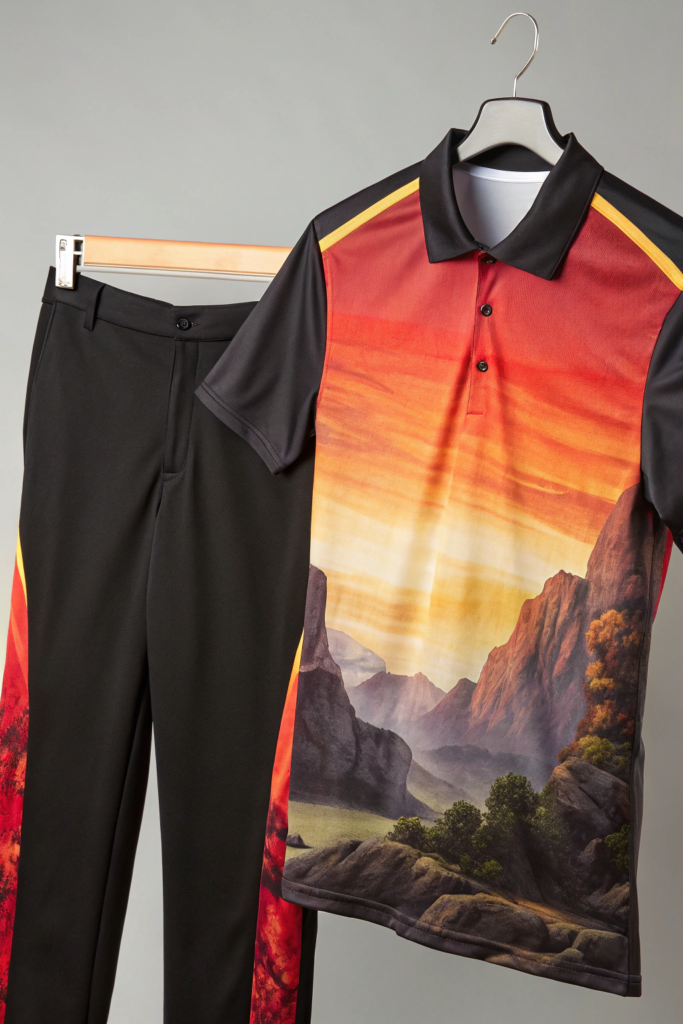
When I manage high-volume projects, screen printing remains my personal benchmark for professional consistency. Once the screens are built, the ink opacity is perfectly uniform across hundreds of garments. It creates a solid bond that outlasts the fabric itself. However, from my perspective as a marketing manager, the definition of quality has shifted. People no longer want heavy, rubbery logos on their chests. They want breathable, lightweight prints that move naturally with the body, which is where water-based screen printing or DTG excels.
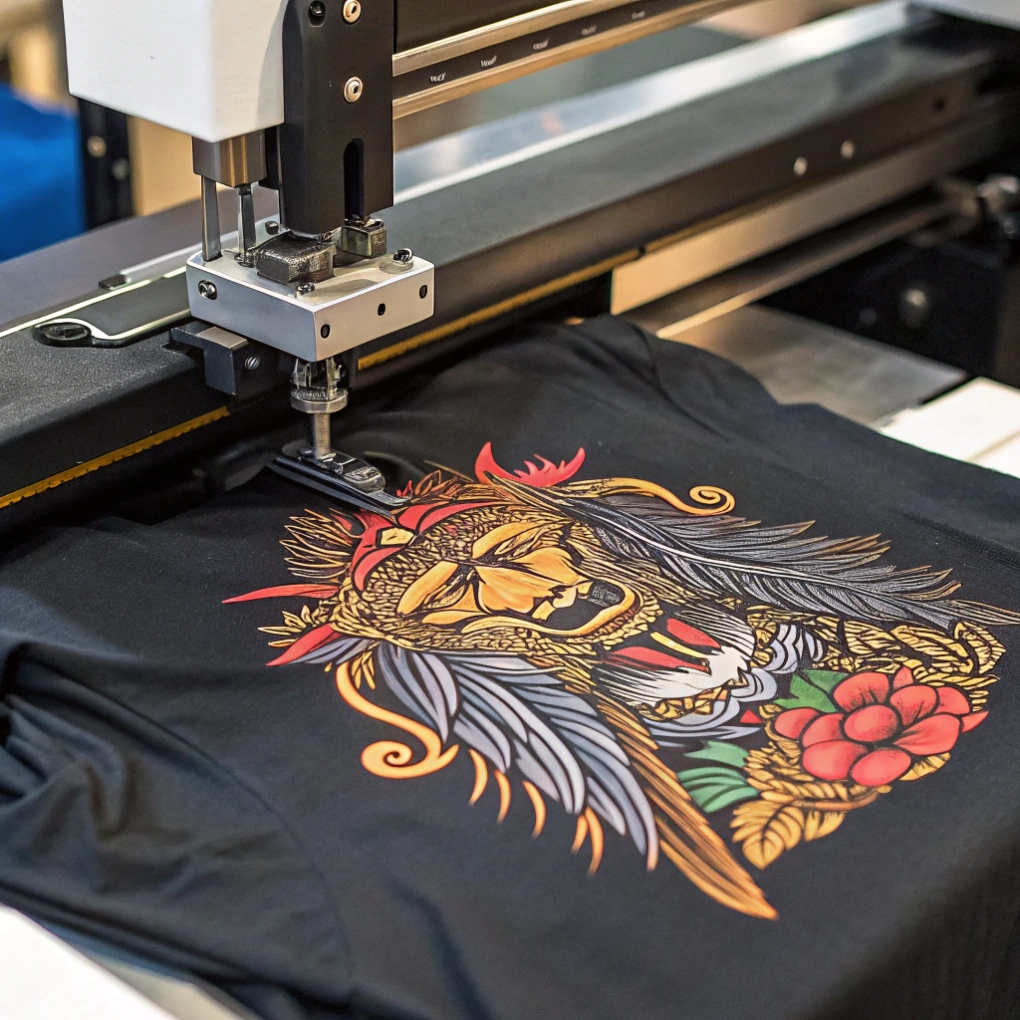
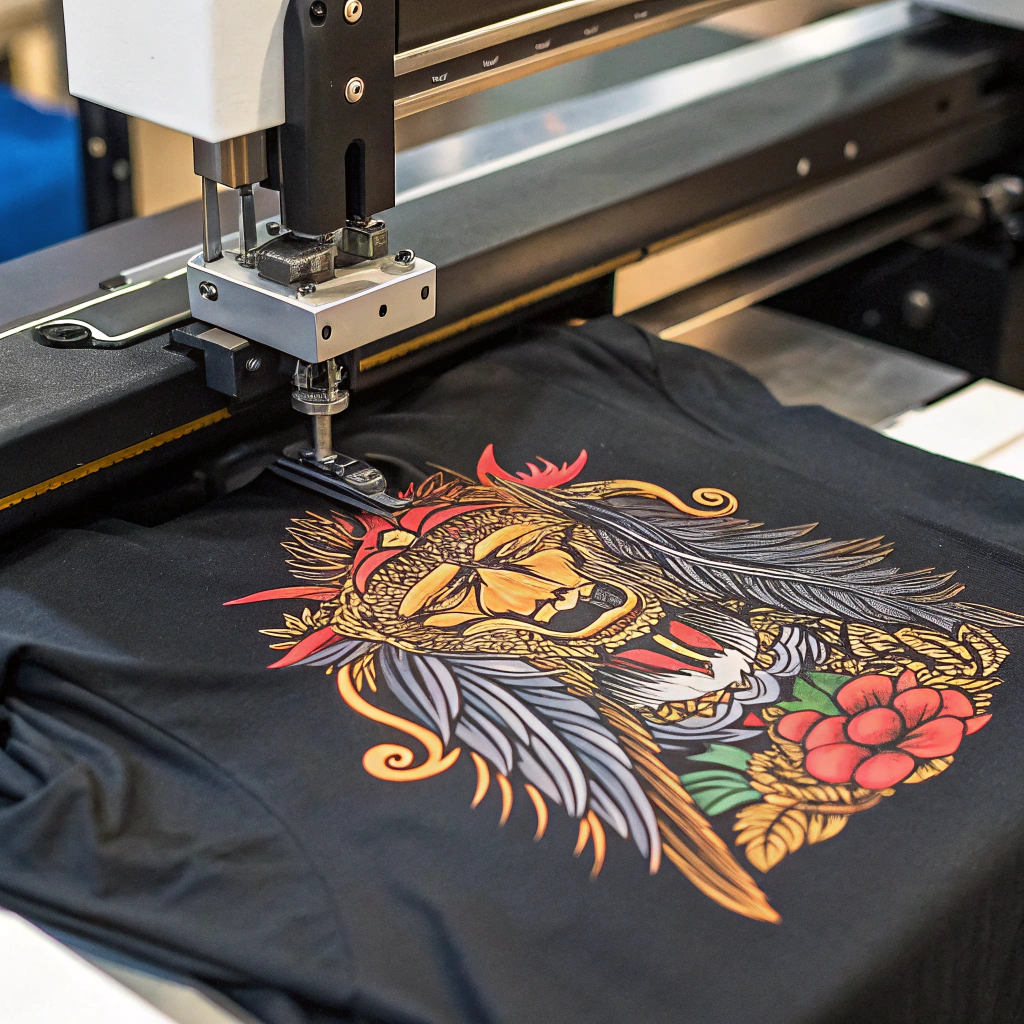
DTG acts like a high-end photo printer for clothing. It allows me to create intricate details that are impossible on a traditional screen press. If your brand story relies on a complex mascot design with shading, DTG is the superior choice. The key to unlocking this high digital quality is the pre-treatment process; skipping this step makes the colors look dull. A reliable partner will always treat the fabric first to ensure the ink pops cleanly.
Printing Method | Best Quality Trait | Ideal Artwork | Touch Texture |
|---|---|---|---|
Screen Printing | Unmatched washing durability | Solid logos (1-4 colors) | Smooth, raised ink |
DTG (Direct-to-Garment) | Photo-realistic detail | Complex shading / Gradients | Ultra-soft, feels like fabric |
DTF (Direct-to-Film) | Vibrant contrast on darks | Multi-color logos / Badges | Smooth, flexible film layer |
I remember a project where a trading firm wanted a detailed skyline printed on their team shirts. Another shop used standard transfer sheets, and it felt like wearing cardboard. We redid the order using DTG on premium cotton. The design felt completely weightless, and the team wore them constantly. It proved that comfort is a huge part of perceived quality.
What Is the Best Option for T-Shirt Printing?
Are you overwhelmed by choices and looking for a straightforward decision framework for your next batch of corporate gifts? Finding the best option means balancing your timeline, total budget, and production volume.
The best option for t-shirt printing is screen printing for bulk orders over 50 pieces because it offers the lowest per-unit cost and highest lifetime value. For small batches, quick-turnaround events, or prototype samples, digital options like DTF or DTG are the most efficient choices.

In my branding work, I always analyze the "purpose" of the shirt before picking a machine. If I am sourcing uniforms for a field service team, they need to survive heavy washing and rough daily wear. For that scenario, heavy-duty screen printing or thick DTF transfers are the absolute best options. If I am launching a limited-edition promotional giveaway for a tech brand, a soft-hand DTG print is better because it appeals to a younger, fashion-conscious audience.
The printing method is only half of the puzzle. The blank garment is the foundation of your entire project. I have seen beautiful artwork completely ruined because it was printed on a rough, uneven fabric that shrunk after one wash. I always guide my clients toward combed cotton with a high thread count. It provides a flat, stable surface for the ink, ensuring the lines stay sharp and the logo doesn't distort over time.
Project Scope | Top Recommendation | Primary Business Reason |
|---|---|---|
Large Corporate Run (100+) | Traditional Screen Printing | Lowest unit price, maximum longevity |
Complex Multi-Color Logo | DTF Heat Transfers | High color accuracy on any material |
Event Merchandise / Fashion | Direct-to-Garment (DTG) | Premium retail feel, high detail |
Individual Personalization | Digital Vinyl Cutting | Easy to change names or numbers |
I recall an event where a client needed 300 shirts with individual staff names on the sleeves. Traditional screen printing would have required 300 different screens, which is impossible for any budget. We combined a screen-printed front logo with digital vinyl names on the sleeves. It was the perfect blend of scalability and customization, showing that a smart strategy saves money while keeping quality high.
Is 100% Cotton or 50/50 Better?
Are you trying to pick the fabric blend for your custom order and feeling stuck between natural and synthetic fibers? The fabric choice directly dictates how well the ink sticks to the garment and how comfortable your team will feel.
100% cotton is better for maximum print quality and breathability, as natural fibers absorb ink deeply for vivid, long-lasting colors. A 50/50 cotton-polyester blend is better for active uniforms because the synthetic fibers resist wrinkles, reduce shrinkage, and dry faster in warm climates.
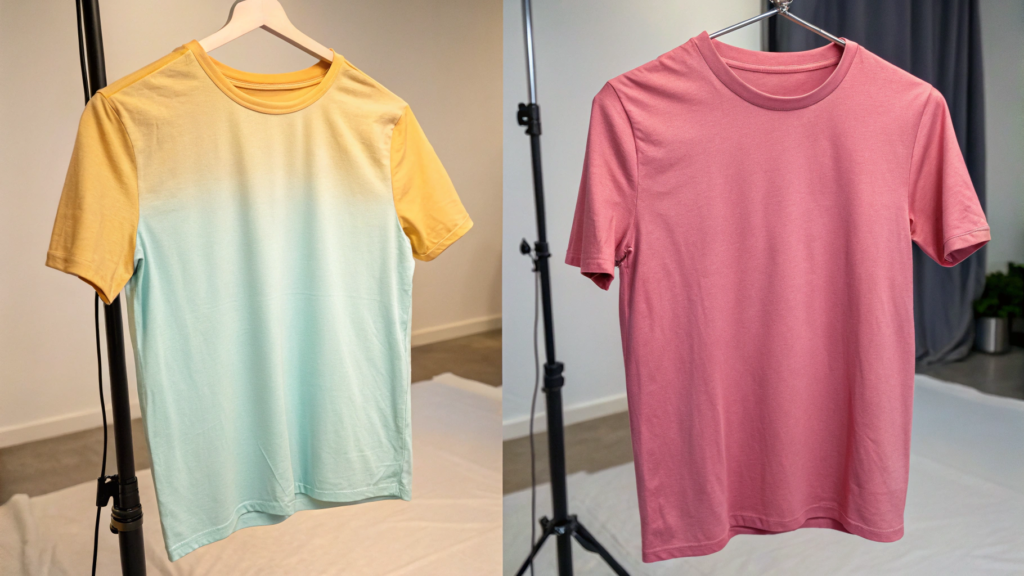
From my experience on the factory floor, fabric composition changes everything. When using DTG, 100% cotton is mandatory for a premium finish because digital ink binds best with natural plant fibers. If you try to use DTG on a 50/50 blend, the colors can look faded or washed out because the polyester fibers repel the water-based ink. However, if you use screen printing or DTF transfers, a 50/50 blend works beautifully because those methods use inks that can grip synthetic materials.
In Singapore's hot weather, the choice becomes a balance of lifestyle and utility. I love 100% combed cotton for office environments because it feels premium and soft against the skin. For delivery drivers or logistics staff, I switch to a 50/50 blend or a performance poly-blend. These shirts don't need ironing, they don't shrink in hot dryer cycles, and they handle sweat much better. You have to match your fabric choice to both the printing technique and the daily routine of the wearer.
Fabric Choice | Printing Compatibility | Best Environment | Care Requirements |
|---|---|---|---|
100% Cotton | Excellent for DTG, DTF, and Screen | Office / Casual Retail | Medium care (Can shrink or wrinkle) |
50/50 Blend | Great for Screen Printing and DTF | Active work / Logistics | Low care (Wrinkle resistant, stable shape) |
100% Polyester | Best for Sublimation and DTF | Sports / High-sweat outdoor | Easy care (Quick-dry, zero shrinkage) |
I once assisted a retail brand that insisted on using 100% polyester athletic shirts for a DTG print run to save money on fabric. The logos came out looking dull and blurry because the ink couldn't sink in. We moved the project to a high-quality 100% cotton base, and the difference was night and day. The colors were instantly sharp and deep. It taught me that investing in the right fabric is the single fastest way to elevate your final print quality.
Conclusion
The best quality t-shirt printing comes from matching your design complexity and volume to the right method. Combining screen printing for bulk runs or DTG for intricate details with premium 100% cotton guarantees a durable, professional finish.