Aug 18, 2026Services Overview
Which T-Shirt Printing Technique Is good in Quality?
Explore the best T-shirt printing techniques and compare quality, durability, appearance, and cost. Learn how methods like screen printing, DTG, and embroidery help create high-quality custom apparel.
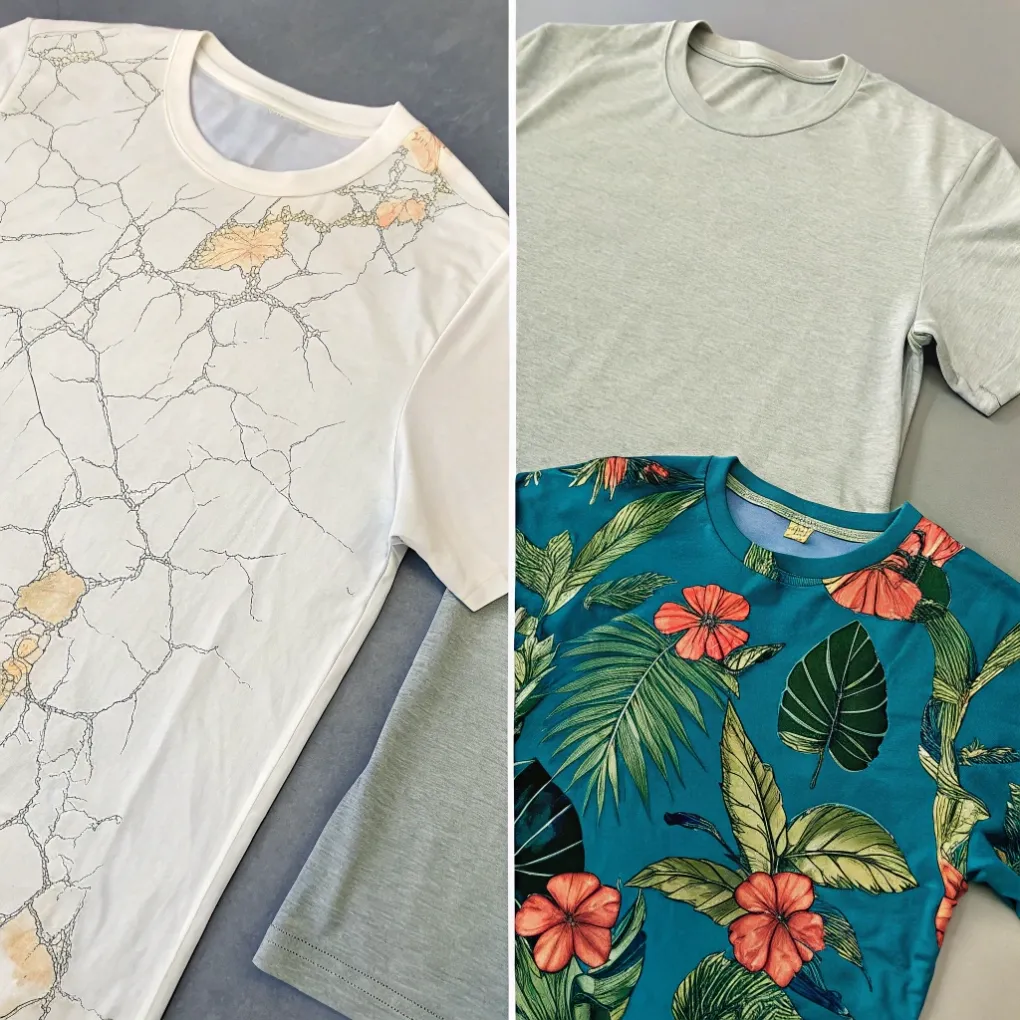
Which T-Shirt Printing Technique Is good in Quality?
Are you frustrated by custom t-shirts that crack, peel, or fade after just a couple of washes? Choosing the wrong printing method wastes your apparel budget and damages your brand's reputation.
Screen printing is the best overall technique for long-term wash durability and vibrant colors on bulk orders, while Direct-to-Garment (DTG) offers the best soft-hand detail for complex multi-color artwork on 100% cotton, and Direct-to-Film (DTF) delivers the highest versatility across synthetic and blended fabrics.
When I started my career in a humble printing factory, I saw clients choose the wrong printing methods for their fabric blends, resulting in designs that washed out after a single cycle. Later, I founded Latitude Experience Pte Ltd to help marketing managers and business owners navigate textile customization with complete confidence. Finding the highest-quality printing technique is not about picking a single universal winner—it is about matching the right printing technology to your fabric type, design complexity, and production volume. Keep reading to discover which method delivers the best results for your project.
What Is the Best Method for Printing T-Shirts?
Are you confused by all the different apparel printing options and unsure which method aligns with your budget and artwork style? Using an incompatible printing method can result in stiff, uncomfortable prints or distorted colors.
The best method for printing t-shirts depends on your specific project parameters: traditional screen printing is best for large bulk runs with bold spot colors, Direct-to-Garment (DTG) is best for on-demand detailed photographic prints on cotton, Direct-to-Film (DTF) is best for flexible full-color prints on any fabric, and heat transfer vinyl (HTV) is best for individual names and numbers.
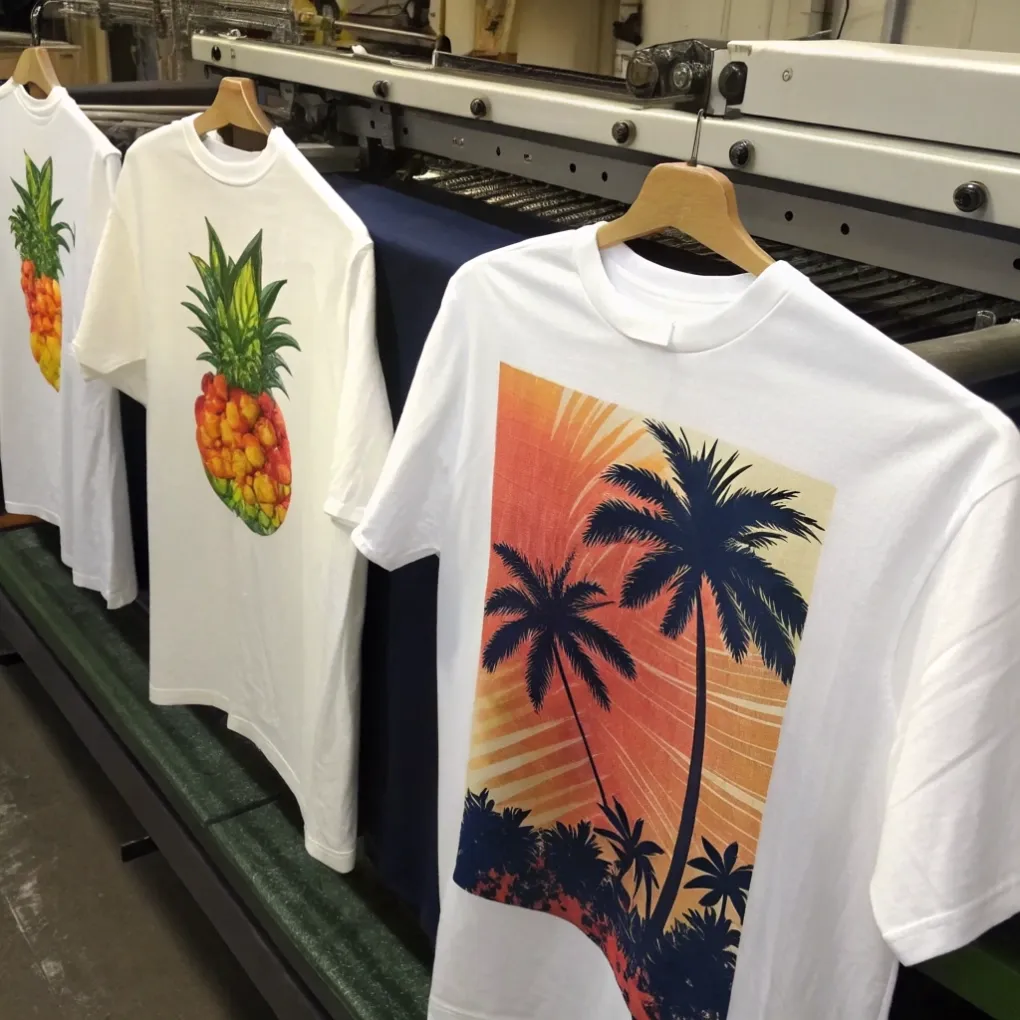
Choosing the Ideal Method Based on Project Needs
During my decades in product customization and textile inspection, I have evaluated thousands of printed garments under intense wash-testing conditions. Each decoration technique has distinct mechanical properties.
Screen printing pushes thick plastisol or water-based inks directly through mesh screens, creating a deep bond with fabric fibers that withstands 50+ wash cycles easily. However, digital methods like DTG and DTF eliminate expensive screen setup costs, making them superior for short-run, highly colorful designs that require fast turnaround times.
Printing Method | Best Order Volume | Artwork Compatibility | Fabric Suitability | Wash Durability |
|---|---|---|---|---|
Screen Printing | 50+ units (Bulk) | Bold spot colors, solid vectors (1–6 colors) | 100% Cotton, Poly-Blends | Exceptional (50+ Washes) |
Direct-to-Garment (DTG) | 1 to 50 units | Complex gradients, photo-realistic art | 100% Ring-spun Cotton | High (30–45 Washes) |
Direct-to-Film (DTF) | Flexible (1 to 200+ units) | Full-color graphics, fine text, bright logos | Cotton, Polyester, Blends, Nylon | High (40–50 Washes) |
Heat Transfer Vinyl (HTV) | 1 to 20 units | Simple 1–2 color text, sports jerseys | Cotton, Polyester, Athletic wear | Moderate (25–35 Washes) |
Embroidery | 12+ units | Simple logos, emblems, text branding | Pique polo shirts, hoodies, heavy fleece | Superior (Permanent) |
Balancing your order volume with artwork complexity ensures you achieve retail-grade print quality without unnecessary production overhead.
Which T-Shirt Printing Technique Is Best in Quality?
Are you wondering how professional apparel brands achieve ultra-soft, vibrant prints that never crack or fade? Evaluating print quality requires looking past first impressions to examine longevity, breathability, and wash resistance.
Screen printing with water-based or discharge inks provides the highest perceived quality for premium retail apparel, delivering a breathable, zero-hand feel where the design becomes part of the fabric. For heavy-duty commercial uniforms and bold athletic graphics, plastisol screen printing offers the highest color opacity and long-term durability.
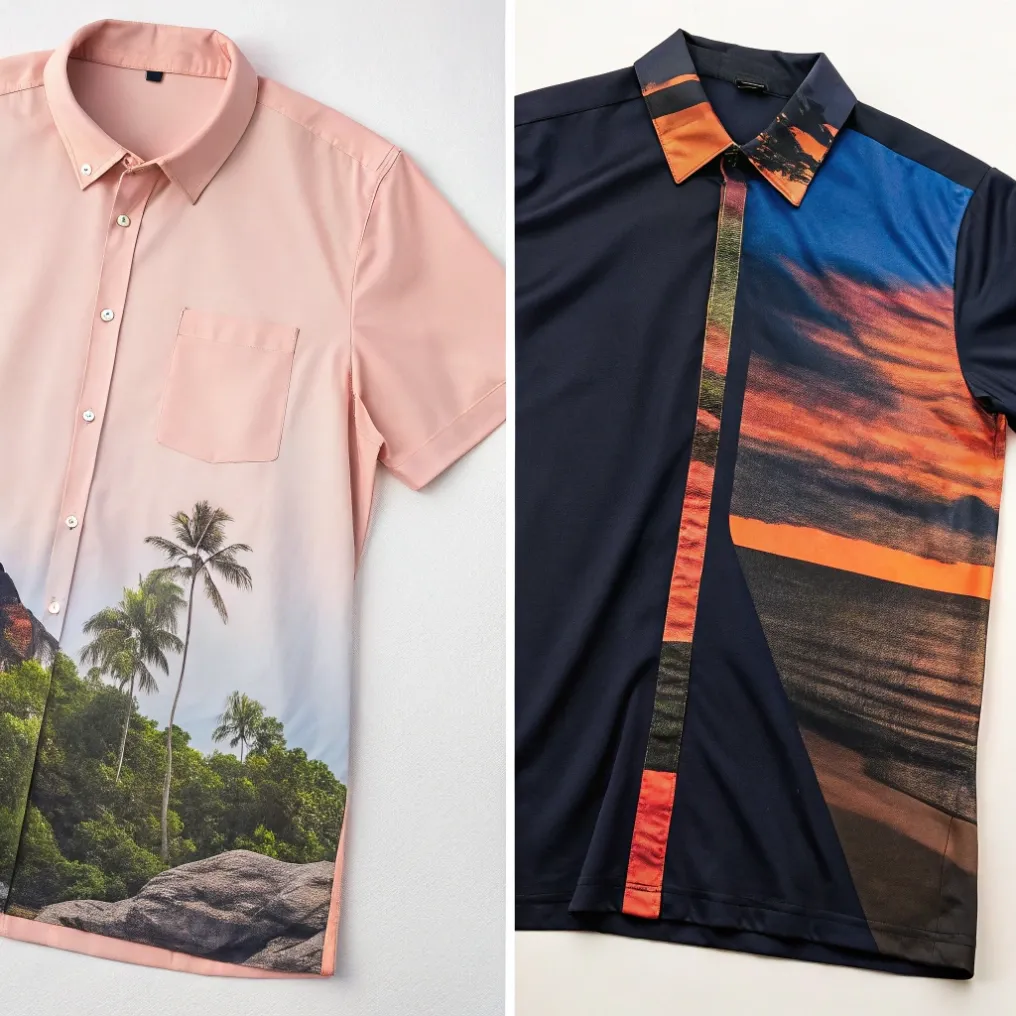
Evaluating the Pillars of Print Quality
At Latitude Experience Pte Ltd, marketing managers like Jacky frequently ask me what truly defines "print quality." A print that looks sharp on delivery day can still fail if the curing temperature was off during production.
True quality encompasses four critical pillars: color vibrancy, edge sharpness, wash durability, and hand feel (how soft or heavy the ink feels against your skin). Matching high-density, ring-spun combed cotton blanks with properly cured inks guarantees that your custom t-shirts remain soft, comfortable, and vibrant for years.
Quality Attribute | Water-Based Screen Print | Plastisol Screen Print | Digital Direct-to-Film (DTF) |
|---|---|---|---|
Hand Feel | Extremely soft / Breathable | Noticeable ink layer | Thin, flexible film feel |
Color Opacity on Dark Shirts | Moderate (Natural look) | Very High (Vibrant & bright) | High (Solid white underbase) |
Detail Resolution | High (Vector linework) | High (Solid lines) | Exceptional (Photographic detail) |
Crack Resistance | Superior (Inks dye the fiber) | High (When properly cured) | High (Flexible adhesive powder) |
Prioritizing premium base garments and correct ink chemistry transforms standard promotional tees into wardrobe favorites that recipients wear repeatedly.
Is DTG or DTF Better Quality?
Are you torn between Direct-to-Garment (DTG) and Direct-to-Film (DTF) for your custom apparel line? Choosing between these two leading digital technologies without understanding their differences can lead to unexpected texture or color issues.
DTG is better quality for soft, breathable, and photo-realistic prints on 100% cotton garments, whereas DTF is better quality for color vibrancy, sharp contrast on dark fabrics, and versatile adhesion across polyester, nylon, and synthetic sportswear.
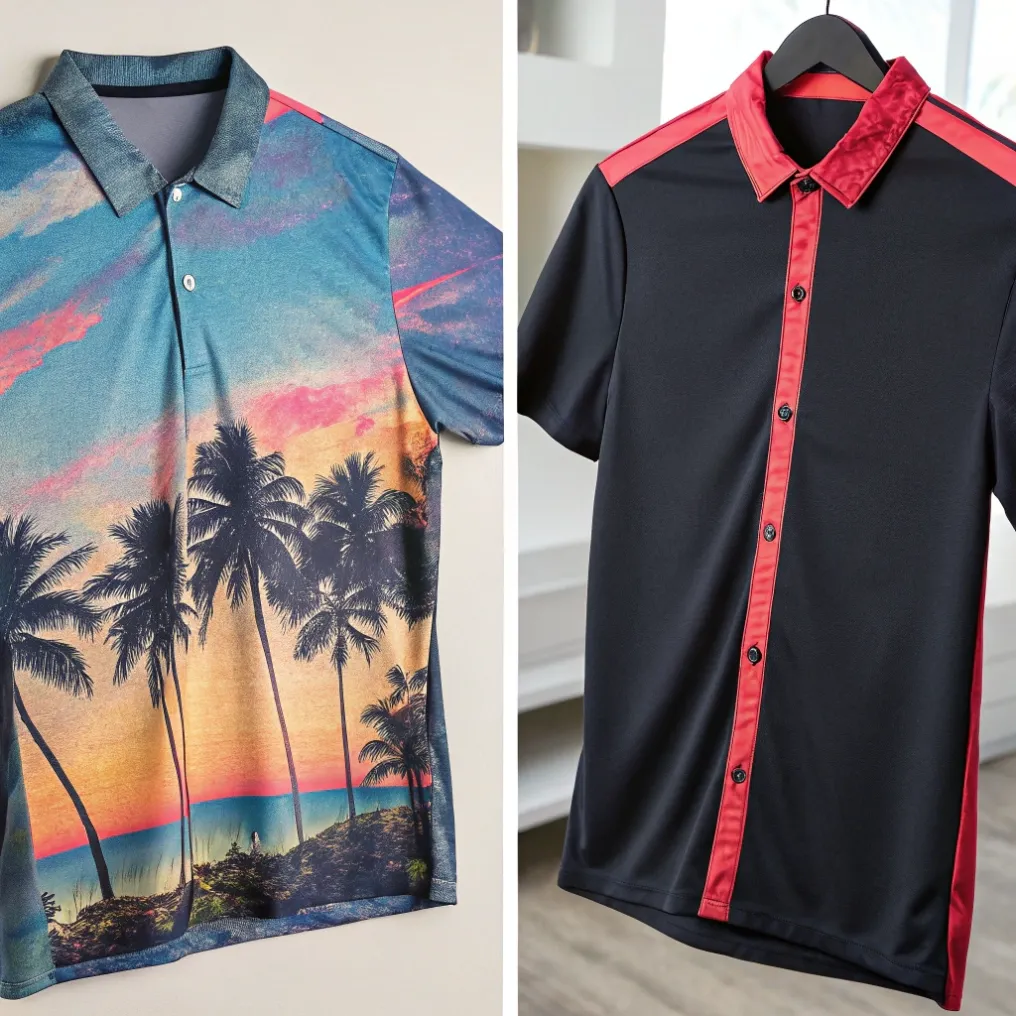
Structural and Visual Comparison: DTG vs. DTF
In my factory inspection experience, understanding how ink bonds with fabric is key to choosing between DTG and DTF. DTG acts like a digital inkjet printer, spraying water-based inks directly into pre-treated cotton fibers. Because the ink absorbs into the fabric, the print feels natural and breathable, though colors on dark shirts can appear slightly muted if pretreatment is uneven.
DTF prints the design onto a clear PET transfer film, applies an adhesive melt powder, and heat-presses the cured film onto the garment. This creates a solid white underbase that produces exceptionally vibrant colors and razor-sharp borders on any fabric blend, though large solid designs can feel slightly less breathable than DTG.
Feature Comparison | Direct-to-Garment (DTG) | Direct-to-Film (DTF) | Winner / Advantage |
|---|---|---|---|
Fabric Versatility | Best on 100% Cotton only | Cotton, Polyester, Nylon, Blends | DTF (Universal compatibility) |
Print Softness & Breathability | Super soft, absorbs into fibers | Smooth, slightly rubberized film | DTG (Superior hand feel) |
Color Vibrancy on Dark Fabrics | Moderate to High | Exceptional & punchy | DTF (Consistent opacity) |
Fine Detail & Small Text | High (Can feather slightly on coarse tees) | Razor-sharp edges & fine detail | DTF (Crisp vector edges) |
Pretreatment Requirement | Yes (Garment must be pretreated) | No (Powder applied to film) | DTF (No staining or halo marks) |
If you are producing soft-touch lifestyle tees on 100% ring-spun cotton, DTG delivers the most natural feel. If you need vibrant, versatile graphics across hoodies, athletic poly blends, and dark fabrics, DTF is the superior choice.
Conclusion
The best-quality t-shirt printing technique depends on your goals: screen printing delivers unmatched bulk durability, DTG offers soft-touch detail on cotton, and DTF provides versatile color vibrancy across all fabric types.