Sep 20, 2026Services Overview
Why Are Custom Enamel Pin Badges Such Powerful Branding Assets?
Discover why custom enamel pin badges are powerful branding assets, combining eye-catching designs, wearable visibility, personalization, and lasting quality to strengthen brand recognition and audien
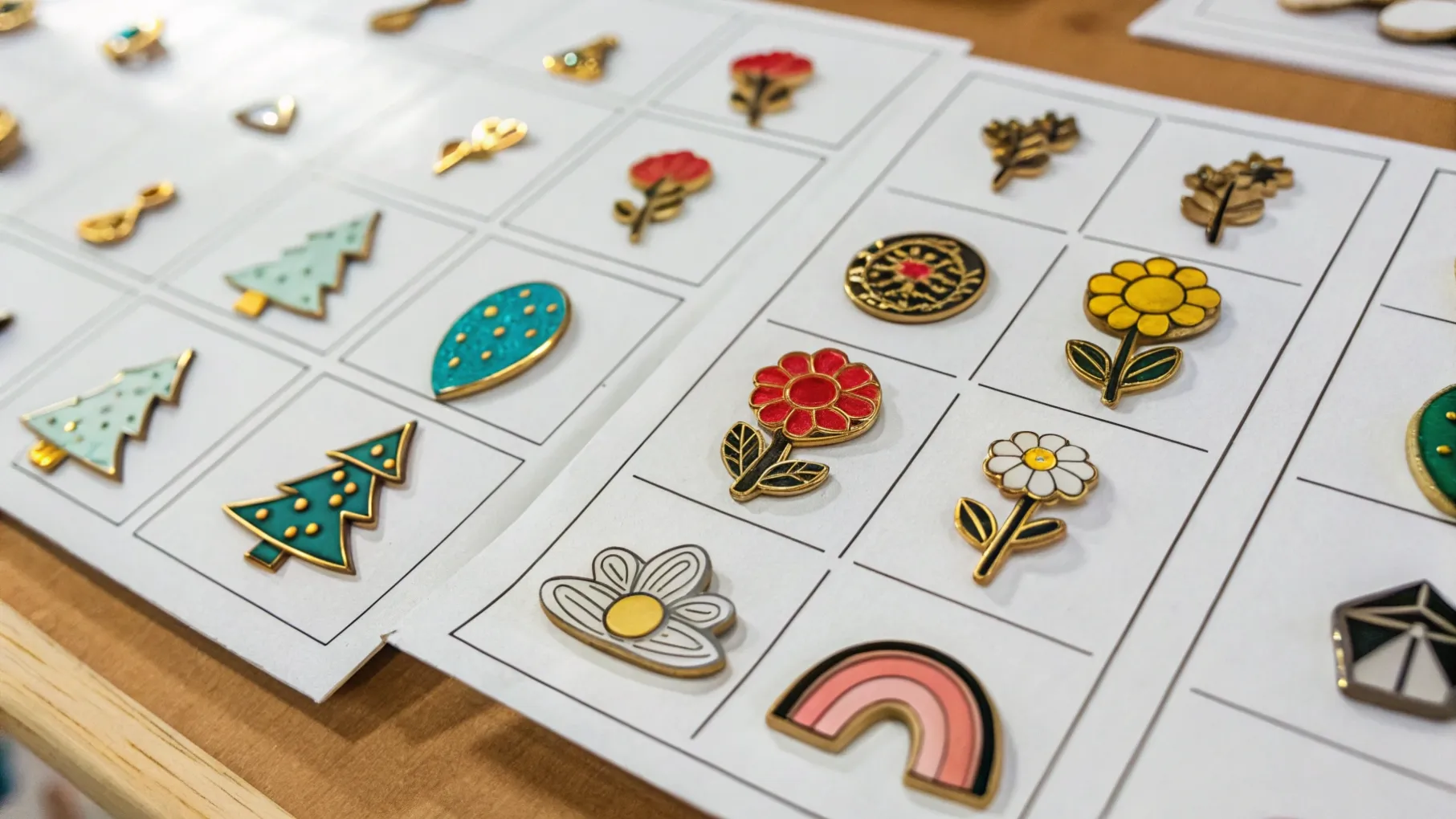
Why Are Custom Enamel Pin Badges Such Powerful Branding Assets?
Handing out disposable paper flyers or plastic pens rarely leaves an impression. Most recipients drop them into bins, wasting your marketing budget and yielding zero long-term visibility.
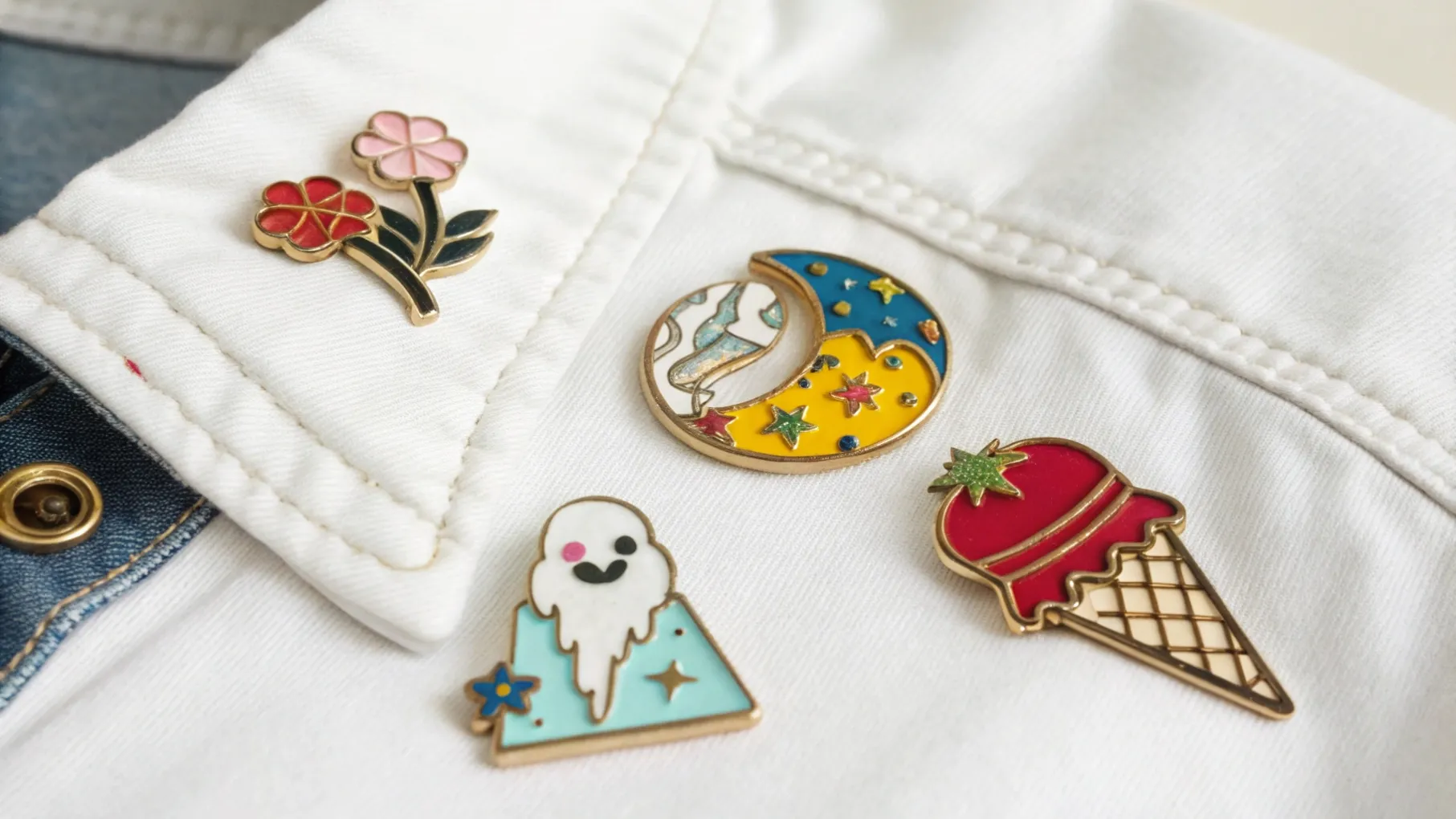
Custom enamel pin badges are powerful branding assets because they transform corporate logos into collectible jewelry that people willingly attach to jackets, bags, and lanyards, generating years of organic, mobile brand impressions.
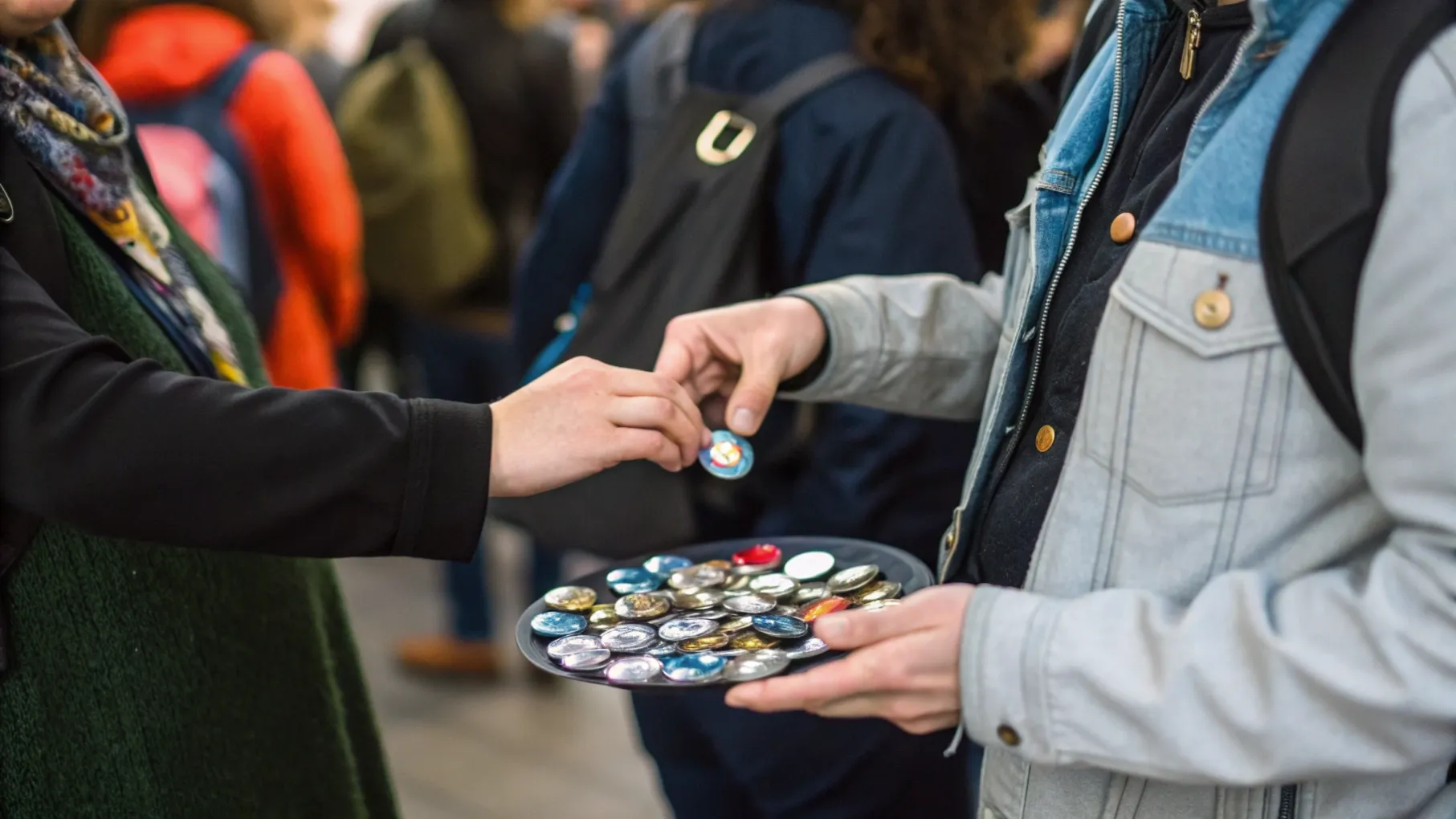
In my early factory days, I watched clients treat promotional merchandise as cheap giveaways to toss around. Marketing managers like Jacky know that real brand loyalty starts when a client treats your gift as a personal accessory. An enamel badge bridges that gap between corporate identity and personal expression.
Where Can I Order Custom Enamel Pins?
Searching for pin suppliers online often brings up hundreds of unverified brokers. Ordering from random vendors risks blurry details, delayed event shipments, and brittle clasps that break.
You can order custom enamel pins from direct manufacturing factories, specialized e-commerce pin platforms, or comprehensive corporate gifting agencies that manage design proofs, mold creation, and quality inspections.
Evaluating Sourcing Channels and Vendor Models
Choosing the right production partner depends on your order size, in-house design skill, and timeline. Direct overseas metal factories offer the lowest piece rates, but they require technical vector artwork with exact Pantone solid coated color codes. If you submit lines that are too thin for physical metal stamping, the factory floor will guess and distort your graphic.
For brand managers like Jacky, working with an end-to-end corporate gifting partner removes these risks. A dedicated partner checks minimum line weights, suggests soft versus hard enamel finishes, inspects electroplating baths, and ensures your backing cards look professional. When planning an annual conference or internal recognition campaign, having a single partner manage mold creation, plating consistency, and courier delivery prevents costly design errors.
Sourcing Route | Minimum Order Quantity | Artwork Support Level | Best Commercial Application |
|---|---|---|---|
Overseas Metal Factory | High (300–500 units) | Minimal (Requires print-ready vector files) | High-volume retail drops, simple recurring designs |
Online Print Platforms | Very Low (10–50 units) | Automated digital mockup generators | Independent illustrators, small club merch |
End-to-End Gifting Partner | Flexible (100–1,000+ units) | Full design adaptation and sample proofs | Corporate recognition, brand merchandise, VIP gifts |
Local Trophy & Print Shop | Moderate (50–100 units) | Basic layout assistance (usually outsourced) | Urgent regional school or municipal club events |
How Much Does It Cost to Get Custom Enamel Pins Made?
Quotation sheets for custom pins can be confusing for first-time corporate buyers. You might see a $1 unit price online that doubles once mold fees and custom backings are added.
Custom enamel pins generally cost 4.50 per pin for a minimum batch of 100 units, while larger bulk runs of 1,000 pieces drop to 1.80 per unit as initial steel tooling costs spread out.
Decoding the Math Behind Pin Production Pricing
The financial structure of enamel pin production consists of two elements: fixed tooling costs and variable per-piece expenses. Every unique pin shape requires an industrial steel mold to stamp the metal lines. That steel die costs between 120 to carve, regardless of whether you produce ten pins or ten thousand pins. If you order only fifty pieces, that mold charge adds a heavy burden to each individual unit.
Variable costs depend on pin dimensions, base metal, plating choices, and coloring methods. A 1-inch pin uses far less zinc alloy or brass than a 2-inch badge. Choosing hard enamel adds polishing steps that increase labor costs compared to soft enamel. Adding custom backer cards with foil printing or magnetic backings adds minor per-unit costs, but it substantially increases the perceived value of the gift.
Production Order Size | Average Unit Cost | Fixed Mold Amortization | Total Estimated Project Cost |
|---|---|---|---|
50 Pieces (Sample Run) | | Heavy (~$1.50 per unit) | |
100 Pieces (Standard Batch) | | Moderate (~$0.70 per unit) | |
500 Pieces (Event Scale) | | Low (~$0.15 per unit) | |
1,000+ Pieces (Enterprise) | | Negligible (~$0.07 per unit) | |
Why Are Enamel Pins So Expensive?
Buyers unfamiliar with industrial metal stamping often wonder why a small badge costs more than an acrylic keychain. Pin pricing reflects intense manual labor and custom engineering rather than cheap raw material bulk.
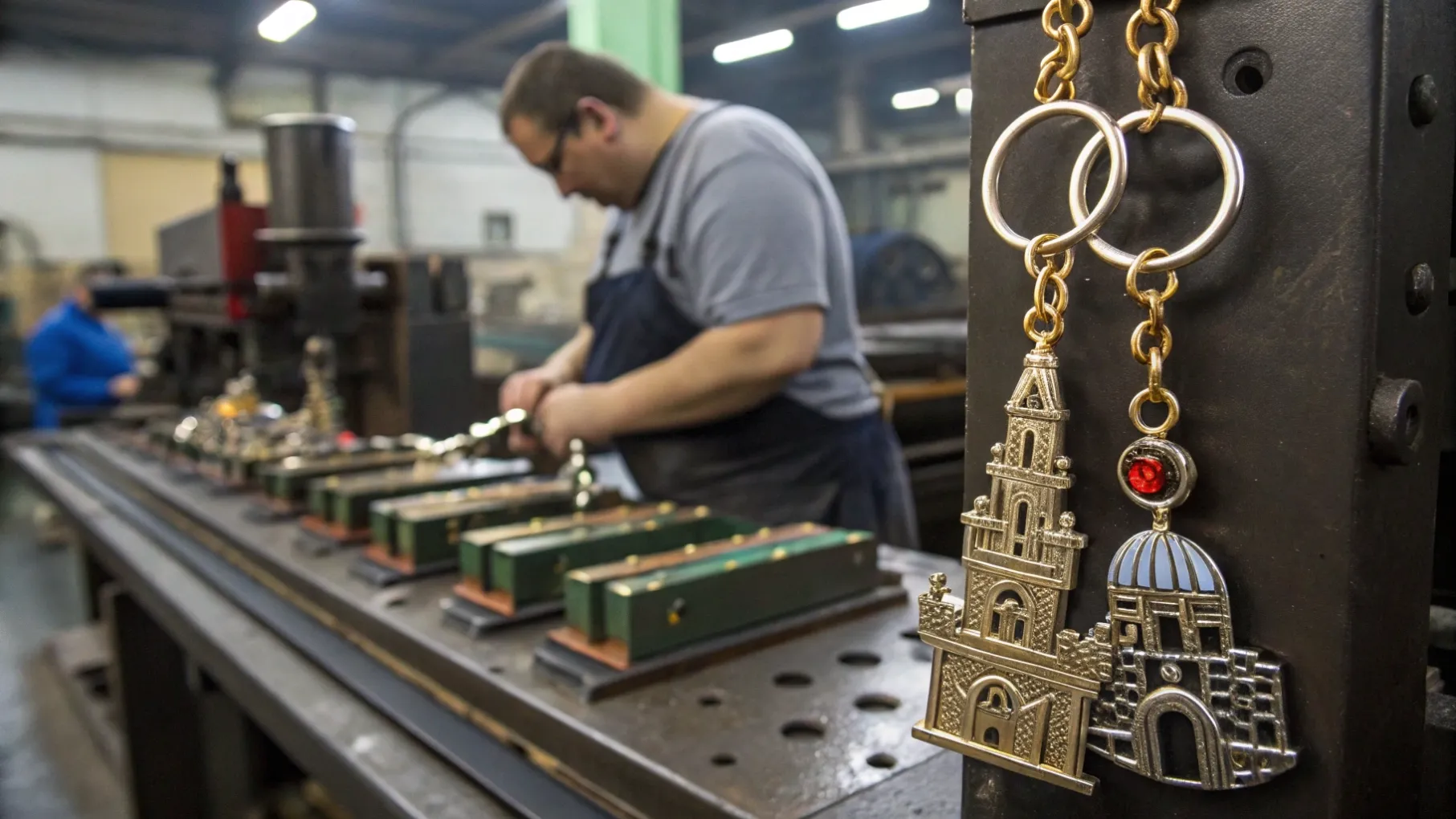
Enamel pins are expensive because every design requires a custom steel die mold, specialized electroplating baths, and skilled factory workers who hand-fill colored liquid enamel into recessed cavities using precision syringes.
The Handcrafted Manufacturing Process Behind Every Badge
People often assume automated robotic machines spit out enamel pins by the thousands every hour. In reality, pin manufacturing remains an artisanal, multi-step industrial craft. After high-pressure presses stamp your raised line work into zinc alloy or copper sheets, workers cut out the outer shape by hand. Chemical plating tanks apply shiny gold, nickel, or antique brass finishes through strict electrochemical baths.
The color application requires human handiwork. Factory artisans sit at assembly stations and manually dispense colored enamel resin into tiny recessed cells using fine needles. If an artisan fills beyond the raised metal border, the pin must be discarded. Hard enamel pins require even more labor: technicians bake the enamel in high-temperature ovens, stone-polish the surface flush with the metal rims, and hand-buff the front face. You are paying for manual hours, technical quality control, and metal craftsmanship.
Production Stage | Labor & Machine Type | Failure Risk & Rejection Rate | Cost Impact |
|---|---|---|---|
CNC Steel Mold Tooling | High-precision computer engraving | Low (Strict digital tolerance) | High fixed setup fee |
Die Stamping & Trimming | Heavy industrial stamping presses | Low to moderate (Metal burrs) | Standard machine wear |
Manual Enamel Syringe Fill | Skilled human hand-filling stations | High (Color bleeding, air pockets) | High manual labor cost |
Surface Polishing & Buffing | Hand-held grinding stone wheels | High (Scratched metal borders) | High secondary labor cost |
Conclusion
Custom enamel pins are durable, collectible branding assets that turn corporate logos into worn accessories. Invest in simplified artwork, appropriate pin styles, and quality sourcing to maximize lasting visibility.