Aug 17, 2026Services Overview
Why Are Custom Pins the Ultimate High-Impact Branding Tool?
Discover why custom pins are a powerful branding tool. Learn how personalized pins boost brand visibility, engage audiences, and create lasting impressions through affordable, wearable marketing.
Why Are Custom Pins the Ultimate High-Impact Branding Tool?
Are you tired of spending your marketing budget on paper flyers and cheap promotional trinkets that clients throw away instantly? Mass-produced giveaways fail to create lasting emotional connections with your audience.
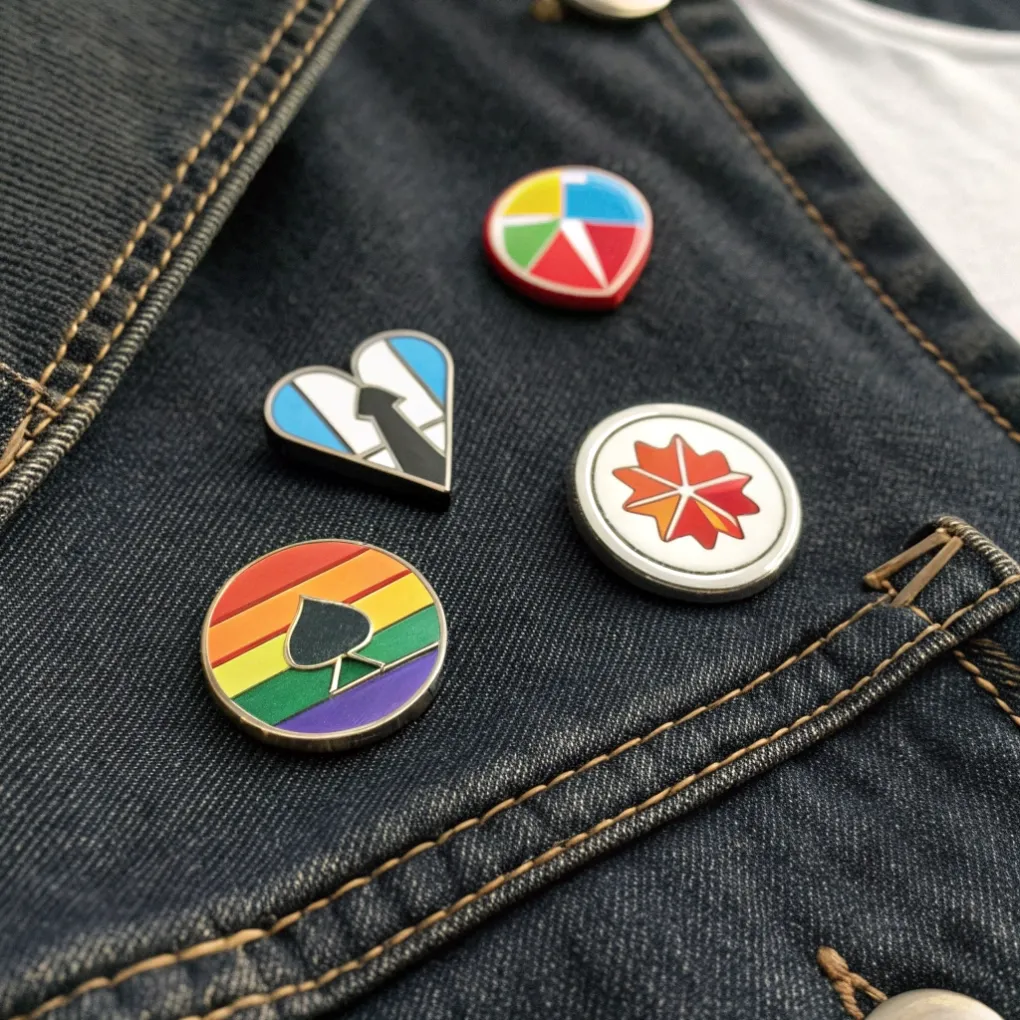
Custom pins are high-impact branding tools made from molded metal filled with colored enamel or printed graphics. They turn logos into wearable symbols of identity, employee recognition, and brand community, offering a durable, collectible accessory that people proudly display on clothing and bags for years.
When I started my career in a humble printing factory, I saw businesses hand out cheap paper badges that bent and tore within hours. Later, I founded Latitude Experience Pte Ltd to help marketing managers and business owners create meaningful, lasting corporate gifts. A custom pin is not just a tiny piece of metal. It is a wearable brand story that sparks conversations and builds community pride. Keep reading to learn how to create your own custom pins.
What Is a Custom Pin?
Are you confused by the different types of metal badges and unsure how a custom pin differs from ordinary corporate buttons? Choosing the wrong badge style makes your company look outdated and unprofessional.
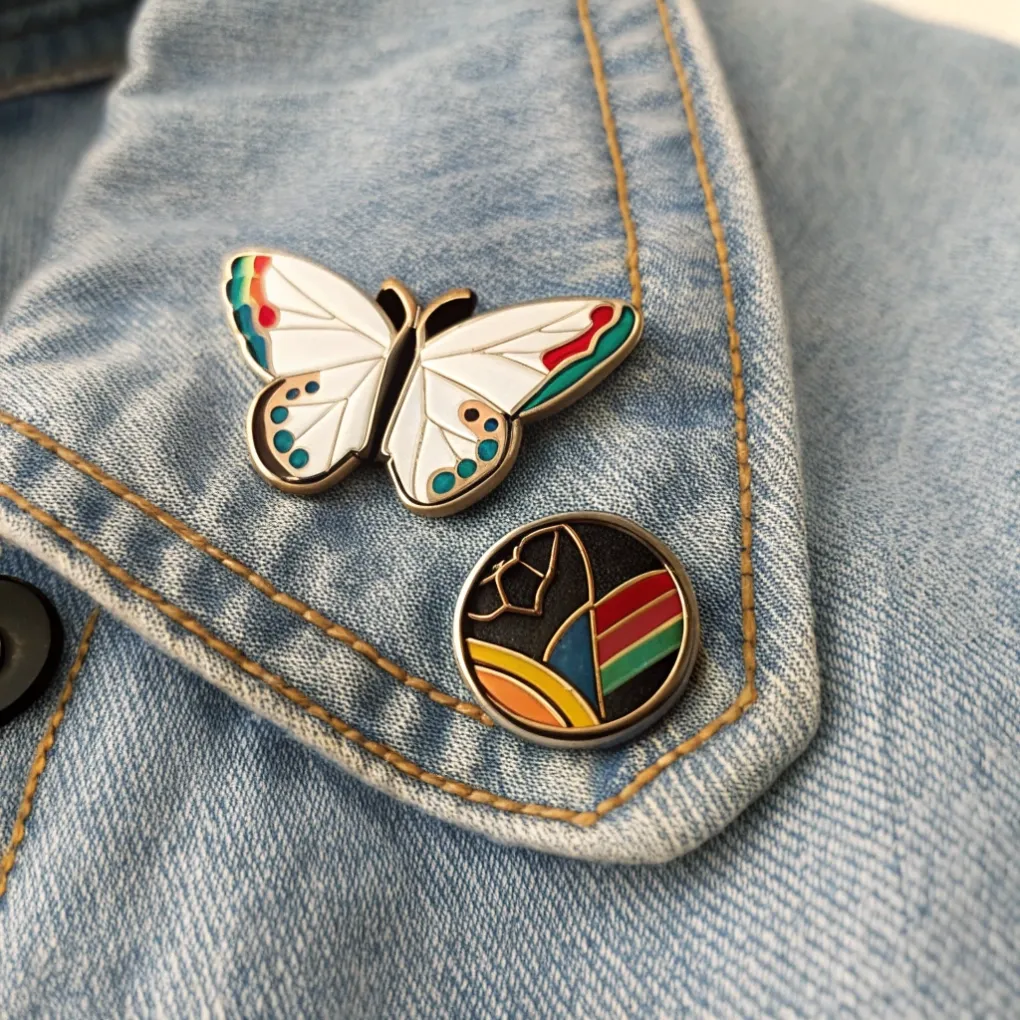
A custom pin is a personalized metal badge crafted with unique shapes, logo artwork, and enamel colors to represent a brand, event, or personal identity. It features a secure back attachment—such as a butterfly clutch, rubber cap, or magnet—making it easy to fasten securely onto lapels, jackets, hats, and backpacks.
Understanding Pin Craftsmanship and Enamel Styles
During my decades in product customization and metal manufacturing, I have evaluated hundreds of custom badge molds. Custom pins are typically struck from solid iron, zinc alloy, or brass. The recessed areas of the stamped metal mold are filled with colored liquid enamel, while the raised metal ridges separate the colors and form the design outline.
The two most popular types are soft enamel and hard enamel. Soft enamel leaves a textured, dimensional surface where you can feel the raised metal edges. Hard enamel is polished completely flat and smooth, creating a jewelry-quality finish that looks executive and refined.
Pin Style | Surface Texture | Polishing Process | Perceived Value | Best Application |
|---|---|---|---|---|
Soft Enamel | Dimensional with raised metal lines | Air-dried without surface grinding | High & Playful | Event giveaways, retail merch, youth brands |
Hard Enamel (Cloisonné) | Completely smooth and flat | Hand-polished flush with metal lines | Premium / Luxury | Corporate anniversaries, executive recognition |
Die-Struck Metal | Textured metal with no color fill | Sandblasted background with polished ridges | Classic / Formal | Military service, law firms, formal lapels |
Selecting the right enamel style ensures your custom pin reflects your brand's unique personality and quality standards.
What Is a Pin Example?
Are you struggling to visualize how your company logo or campaign concept can transform into a wearable metal pin? Seeing real-world pin applications helps you design an accessory that people genuinely want to wear.
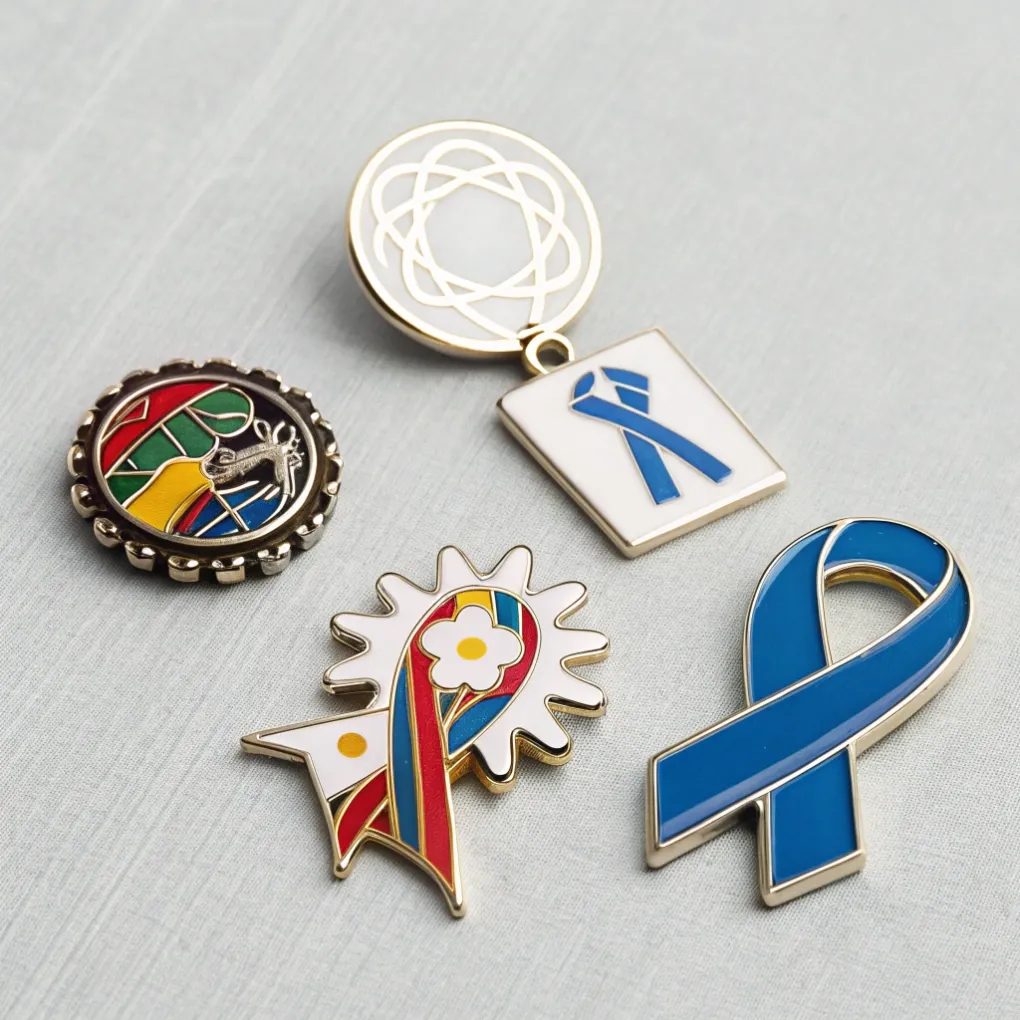
A pin example is an employee years-of-service lapel badge, a charity fundraising ribbon pin, an event souvenir badge, or a creative graphic enamel pin sold as lifestyle merchandise. These examples showcase how brands use metal pins for recognition, awareness, and community building.
Real-World Applications of Custom Pins
At Latitude Experience Pte Ltd, marketing managers like Jacky frequently ask me how other brands use custom pins effectively. In my factory inspection experience, pins succeed because they serve specific emotional purposes rather than acting as generic advertisements.
For internal corporate culture, a gold-plated milestone pin rewards team members for five or ten years of service. In retail and creative marketing, lifestyle brands create limited-edition character pins that customers collect and trade at community gatherings.
Real-World Pin Example | Target Audience | Primary Goal | Key Design Detail |
|---|---|---|---|
Employee Service Badge | Internal staff & executives | Honors loyalty and workplace milestones | Gold or silver plating with hard enamel polish |
Event / Conference Keepsake | Attendees and VIP speakers | Commemorates annual summit participation | Year-stamped mold with magnetic back attachment |
Non-Profit Awareness Pin | Donors and supporters | Raises funds and signals cause solidarity | Colored awareness ribbon shape with soft enamel |
Lifestyle Brand Merch | Retail customers & collectors | Generates organic brand loyalty | Playful illustration with black nickel metal plating |
Examining these practical examples helps you define the exact purpose, shape, and finish for your upcoming pin project.
How to Create a Pin?
Are you worried that creating a custom pin requires complex technical manufacturing skills or expensive design software? Designing your own metal pins without a clear production plan can lead to distorted artwork and production delays.
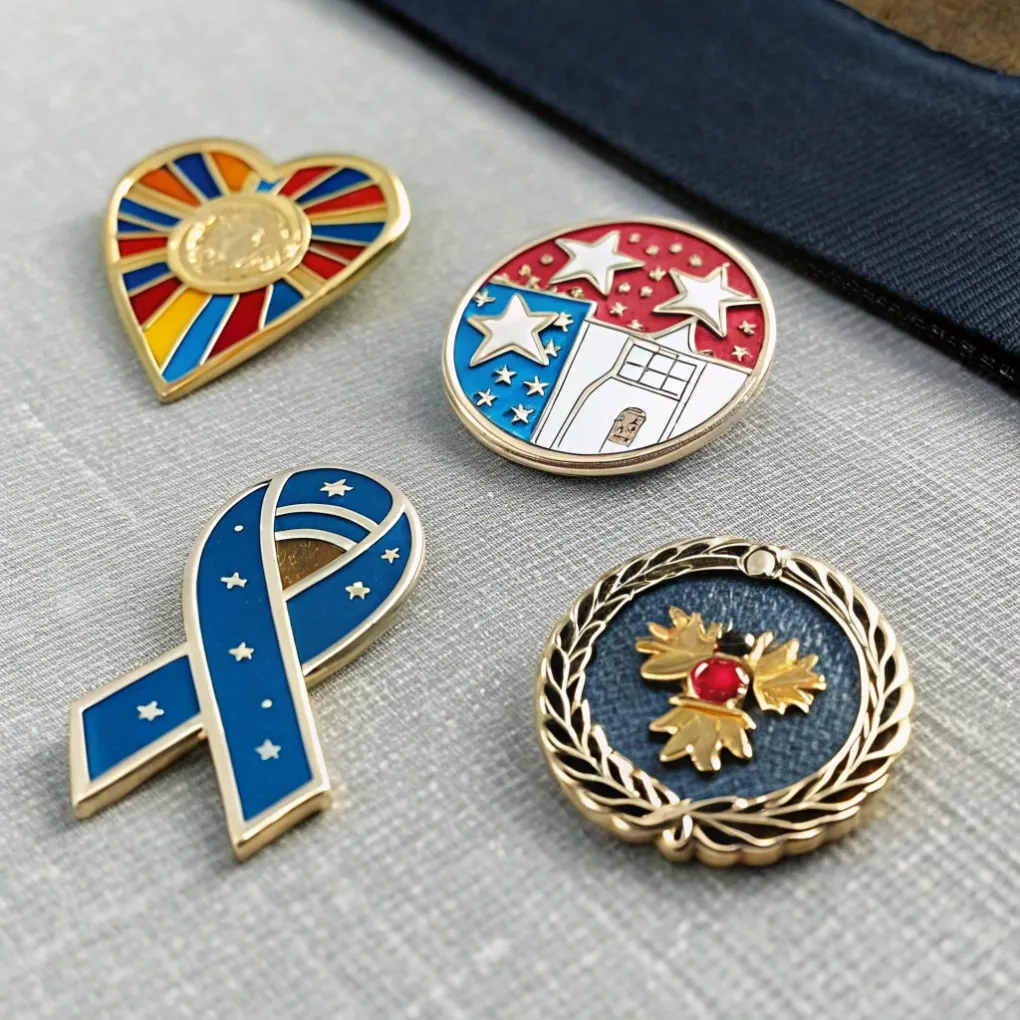
To create a custom pin, finalize your vector artwork, choose your metal plating and enamel type, select a back attachment, submit your design to a trusted manufacturing partner to create a steel mold, and approve the digital sample proof before full bulk production.
Step-by-Step Guide to Custom Pin Production
In my early factory days, I learned that precise artwork preparation is the secret to flawless metal stamping. Because metal lines hold the liquid enamel in place, your design lines must have sufficient thickness (usually at least 0.2mm to 0.3mm).
Working with an experienced manufacturing partner like Latitude simplifies this entire process. We convert your logo into a production-ready mold layout, match your Pantone colors accurately, and conduct strict quality inspections on every batch to eliminate air bubbles and metal scratches.
Production Phase | Key Action Step | Important Production Detail |
|---|---|---|
1. Artwork Preparation | Create vector line art (AI / PDF) | Ensure metal line thickness supports enamel containment |
2. Mold & Die Creation | Cut custom steel stamping die | Forms the physical shape and raised metal ridges |
3. Enamel & Plating | Apply color fills and electroplating | Match Pantone codes; plate with gold, silver, or black nickel |
4. Attachment & QC | Affix back pins and inspect | Attach butterfly clutches or rubber backs; inspect finish |
Following this structured manufacturing process guarantees that your finished pins arrive with crisp details, rich colors, and lasting durability.
Conclusion
Custom pins turn corporate logos into wearable, collectible brand symbols through durable metal craftsmanship, vibrant enamel colors, and meaningful designs that build long-term loyalty.