Sep 20, 2026Success Stories
Why Are Custom Soft Enamel Pins the Ultimate Tactile Branding Asset?
Discover why custom soft enamel pins are powerful tactile branding assets, combining textured designs, vibrant colors, personalization, and wearable appeal to create memorable brand experiences.
Why Are Custom Soft Enamel Pins the Ultimate Tactile Branding Asset?
Flat printed promotional gifts often get tossed into trash cans within days. Most clients ignore generic giveaways because they lack physical presence, memorable craftsmanship, and personal connection.
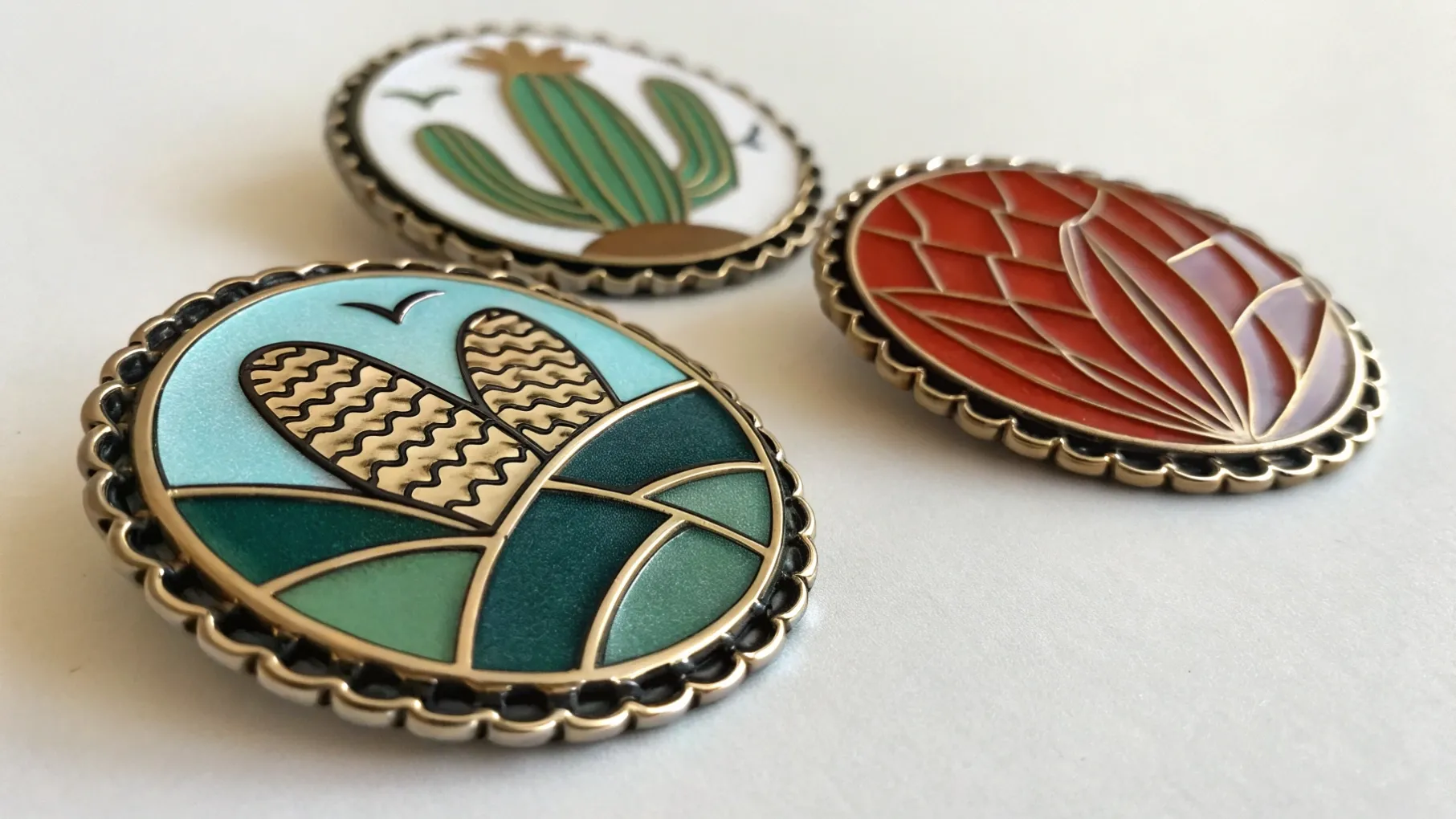
Custom soft enamel pins are powerful branding assets because their recessed colors and raised metal borders create a distinct tactile texture, turning corporate logos into collectible jewelry that recipients willingly display on jackets, bags, and hats.
Back in my early printing factory days, I watched companies spend budgets on flat plastic items that left no impression. Brand managers like Jacky know that real brand loyalty happens when merchandise feels like a personal keepsake. A soft enamel pin bridges that gap with distinctive physical dimension.
Can I Get Custom Enamel Pins Made?
Ordering custom metal goods without manufacturing guidance feels daunting for first-time buyers. Many people worry that factory minimums and complex vector requirements make production impossible.
Yes, you can easily get custom enamel pins made by submitting your vector artwork to an end-to-end corporate gifting partner or pin manufacturer, who will guide mold creation, plating choices, and color matching.
How to Navigate the Custom Pin Ordering Journey
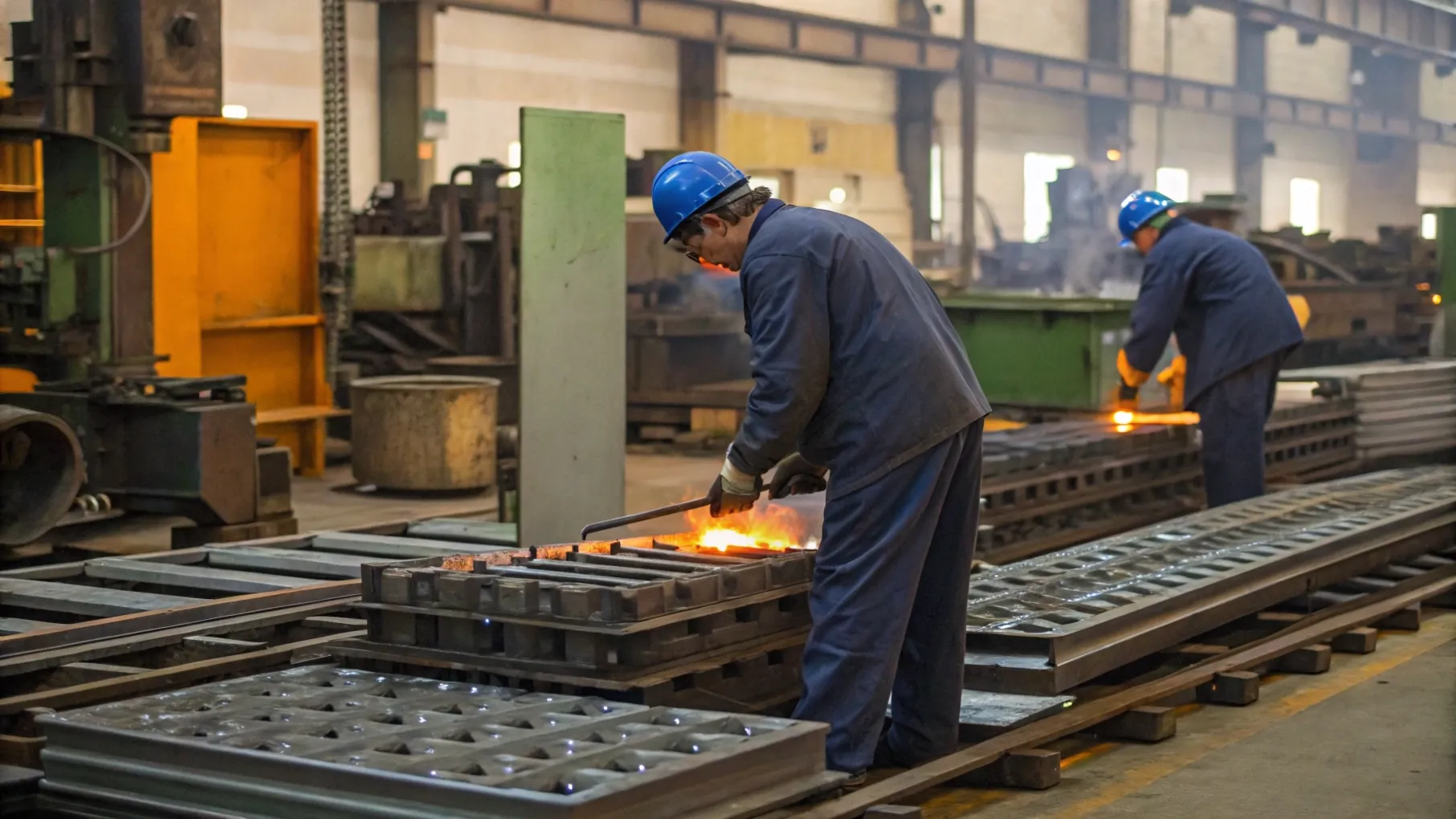
Getting your own pins produced involves a clear step-by-step factory process. Everything starts with your digital artwork file. Metal casting machines require solid vector outlines created in software like Adobe Illustrator. If your design features fine photographic gradients, the factory cannot turn those shades into raised metal walls. Each distinct color must sit inside a closed metal cavity. A dedicated partner will adapt your graphic, check line thicknesses, and match shades using Pantone Solid Coated reference codes.
Once you approve the digital production proof, the factory cuts an industrial steel die mold. This mold stamps your design onto sheet metal, such as brass or zinc alloy. Automated or manual plating baths coat the stamped badges in shiny gold, nickel, antique brass, or dyed black finishes. Next, artisans dispense liquid enamel paint into each recessed pocket using precision needles. Finally, the pins pass through baking ovens to cure the paint before clasps are attached and products are packed onto custom backer cards.
Production Step | Key Action Taken | Quality Check Point | Typical Timeline |
|---|---|---|---|
1. Artwork Adaptation | Convert graphic to closed metal borders | Minimum line thickness (0.2 mm+) | 1 to 2 business days |
2. Steel Mold Tooling | Carve custom CNC steel die | Die relief depth and cavity clean lines | 3 to 5 business days |
3. Stamping & Plating | Press base metal and electroplate | Surface shine and uniform plating bath | 4 to 6 business days |
4. Enamel Fill & Bake | Syringe-dispense paint and heat cure | Color accuracy and clean cell edges | 5 to 7 business days |
Is Soft Enamel or Hard Enamel Better?
Buyers often get confused when choosing between soft and hard enamel options. Picking the wrong style can clash with your brand identity or blow your production budget.
Neither is universally better; soft enamel is ideal for vibrant, textured, and affordable pins with raised metal lines, while hard enamel is best for flat, polished, jewelry-grade accessories that withstand heavy abrasion.
Comparing Physical Finish, Durability, and Style
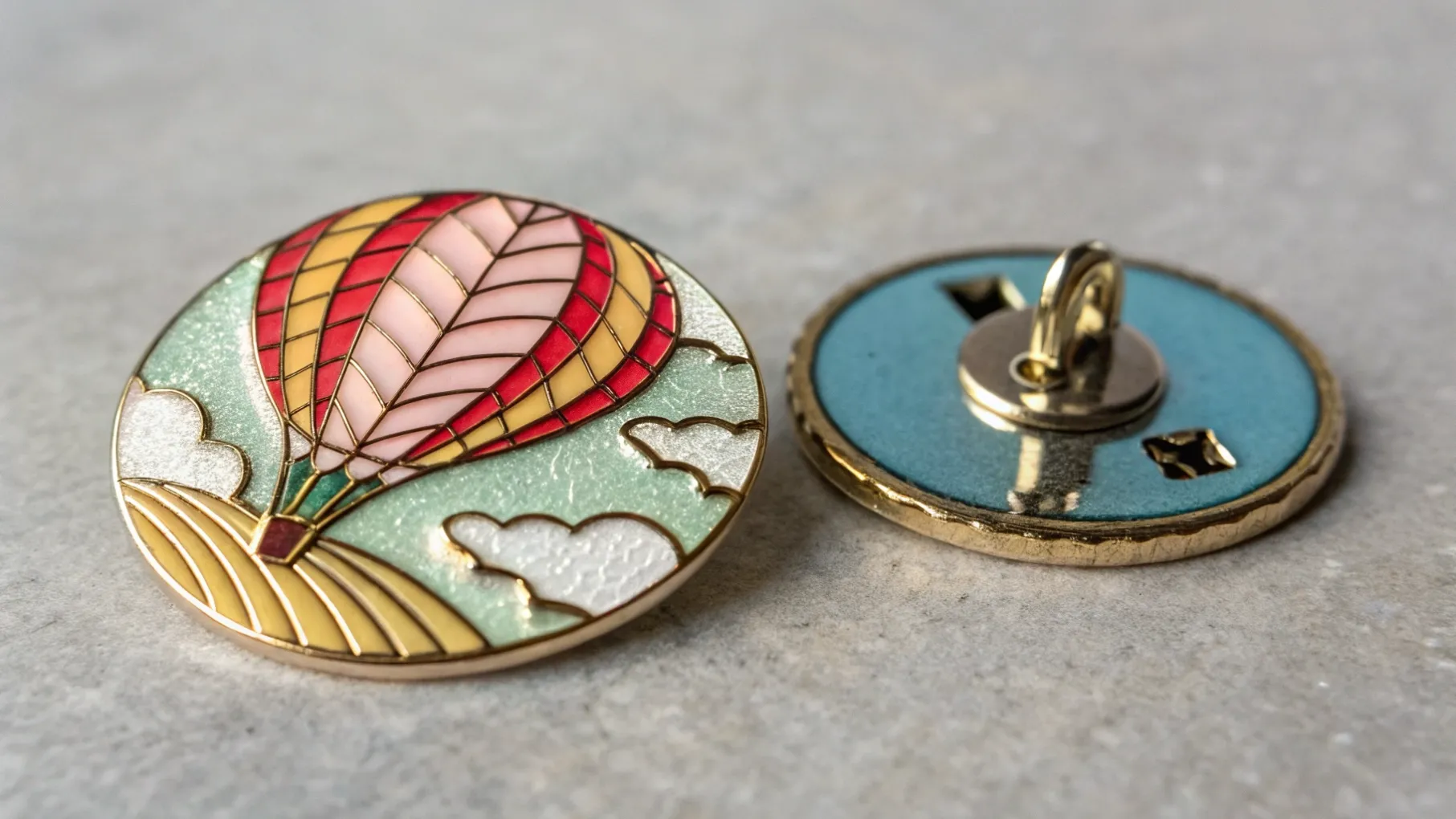
The main difference between soft and hard enamel lies in the final surface texture. In soft enamel pins, liquid paint is filled into stamped metal recesses and baked dry without surface polishing. Because the paint settles and shrinks slightly during baking, the finished pin features a distinct dimensional texture. You can feel the raised metal ridges and recessed paint wells under your fingertips. This tactile feel gives illustrations, mascot characters, and artistic logos an authentic hand-crafted quality.
Hard enamel pins follow a different finishing path. Workers fill the metal cavities with pigmented resin paste, bake them at high temperatures, and stone-grind the entire front surface flat. The enamel paint and raised metal borders sit completely flush at the same level. The pin is buffed to a smooth, glass-like sheen. This flat finish gives hard enamel badges the refined look of luxury jewelry, making them popular for corporate milestone awards and luxury retail merchandise.
Evaluation Metric | Soft Enamel Pins | Hard Enamel Pins (Cloisonné Style) |
|---|---|---|
Surface Texture | Dimensional with distinct raised metal ridges | Completely flat, smooth, and stone-polished |
Unit Production Cost | Economical ( | Higher by 20% to 35% due to manual grinding |
Perceived Style | Artistic, modern, dynamic, and tactile | Prestigious, formal, executive, and jewelry-like |
Scratch Resistance | Good, though paint sits slightly exposed | Exceptional, resists scratches like hardened glass |
What Is the Best Enamel to Use for Pins?
Choosing the right pin specification requires matching the badge to its real-world environment. Using the wrong enamel chemistry can cause premature fading or chipped paint over time.
The best enamel depends on your end use: soft enamel with an optional clear epoxy dome is best for colorful branded giveaways, while hard enamel is best for prestigious corporate service awards and uniform lapels.
Choosing the Optimal Enamel Formulation for Your Brand
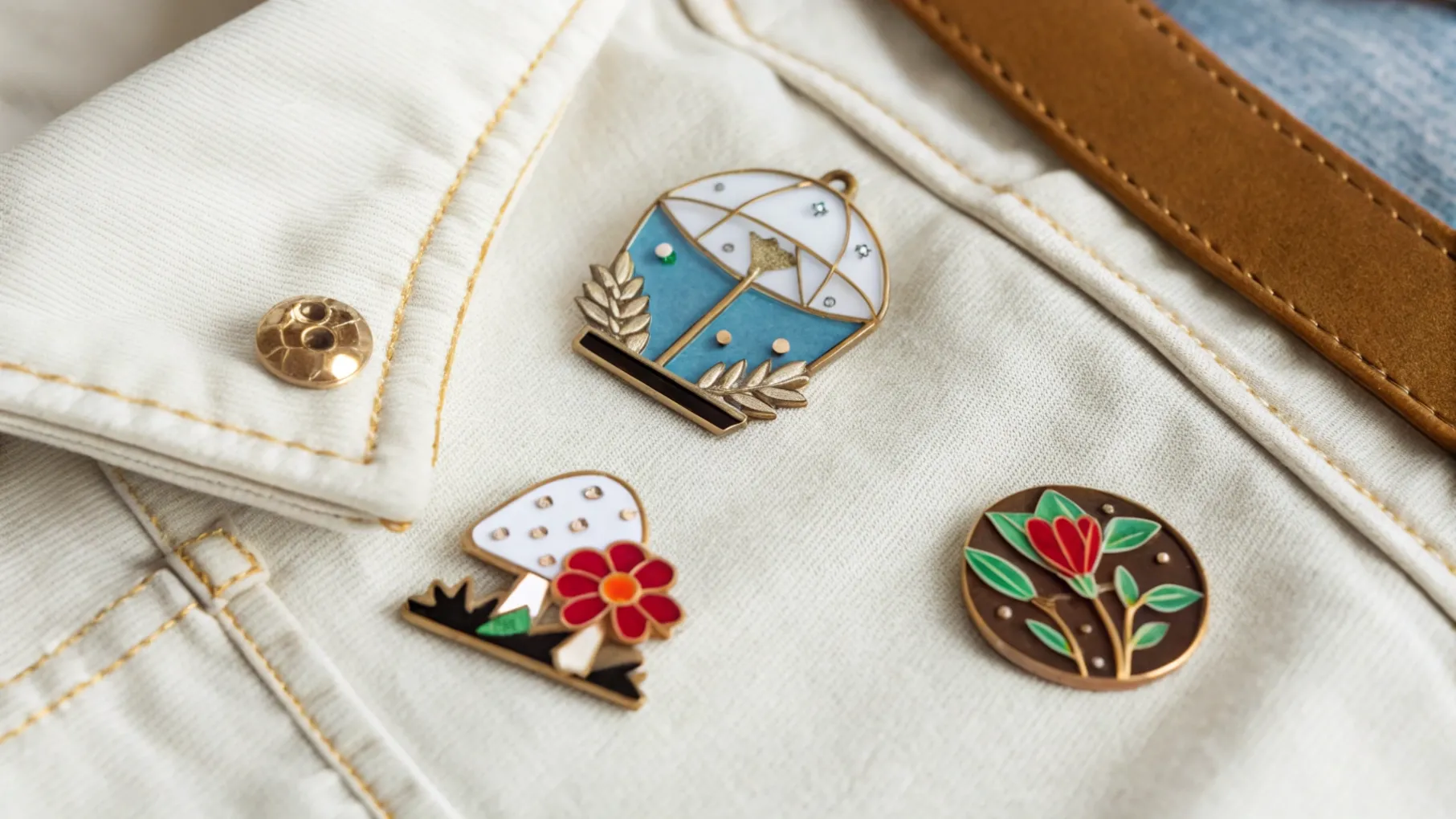
When I review merchandise briefs with marketing managers like Jacky, I match the material to the wearer's daily lifestyle. If your pins will be pinned to canvas backpacks, denim jackets, or trade show lanyards, soft enamel provides the visual punch and character that younger demographics love. If you worry about everyday wear and tear on a soft enamel pin, you can ask the factory to apply a clear epoxy protective dome. This liquid resin drop cures into a smooth clear bubble that protects the paint from dirt and moisture while preserving the rich color underneath.
For executive boardrooms, corporate anniversaries, and permanent staff uniforms, hard enamel remains the gold standard. Its polished surface does not snag delicate wool suit fabrics or silk ties. Furthermore, hard enamel colors resist ultraviolet fading and skin oils over decades of wear. If your design includes tiny typography or complex gradients that metal borders cannot hold, you can also consider UV-printed offset pins. By analyzing where the pin will live, you ensure your investment delivers lasting value.
Use Scenario | Best Recommended Enamel | Surface Finish Feature | Primary Practical Benefit |
|---|---|---|---|
Youth Brand & Streetwear | Textured Soft Enamel | Exposed raised metal borders | High visual contrast and tactile feel |
Outdoor & Travel Bags | Soft Enamel with Epoxy Dome | Clear cured protective resin dome | Guards paint wells against grit and rain |
Executive Corporate Uniforms | Polished Hard Enamel | Flush mirror-like buffed face | Will not snag clothing; looks prestigious |
Commemorative Milestones | Die-Struck / Antique Hard Enamel | Recessed antique plating relief | High perceived value as a lifetime keepsake |
Conclusion
Custom soft enamel pins turn corporate branding into wearable art through distinctive texture and bold outlines. Select the right enamel style and production partner to ensure your pins are kept for years.