Jul 8, 2026Success Stories
Why Are Eco-Friendly Kraft Shopping Bags Transforming Retail Packaging?
Eco-friendly kraft shopping bags are transforming retail packaging by offering sustainable, recyclable, and durable alternatives that enhance brand image while reducing environmental impact.
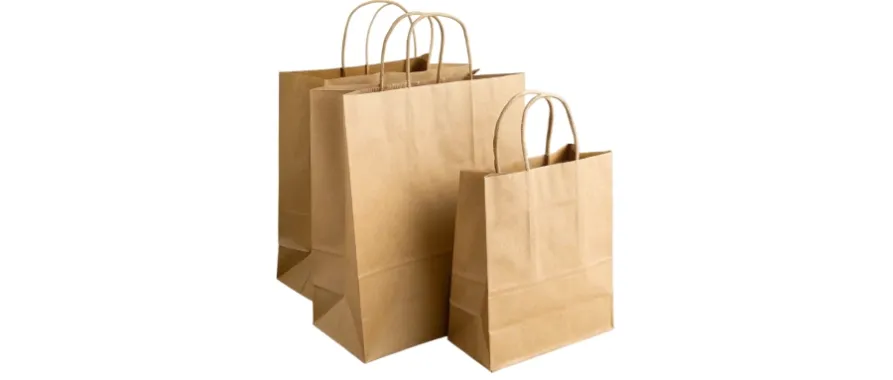
Why Are Eco-Friendly Kraft Shopping Bags Transforming Retail Packaging?
Are your customers throwing away your shopping bags immediately after a purchase, or worse, complaining about handles that snap on their walk home? Cheap packaging damages your reputation and wastes your marketing budget.
Eco-friendly kraft shopping bags solve this problem by replacing single-use plastics with a strong, natural, and highly recyclable paper option. They protect your items while proving to your customers that your business respects environmental values.
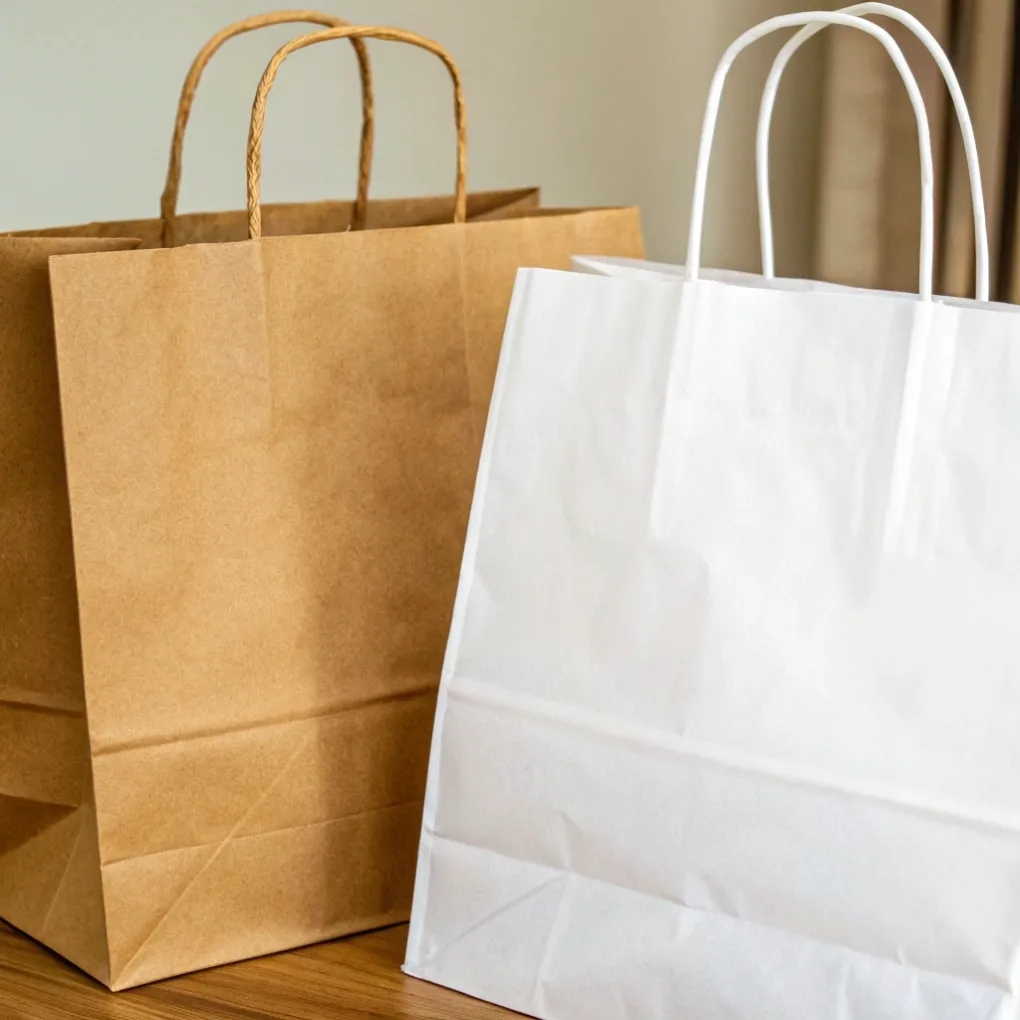
When I managed production lines in a local printing factory, I noticed that customers interact with a bag more than almost any other promotional item. It is the very last physical touchpoint a customer has with your brand, which means it leaves a permanent impression. Kraft paper communicates simplicity, authenticity, and responsibility because its natural look tells a story that highly processed plastic cannot match. However, true sustainability is not just about changing your material; it depends heavily on extending the life of the product. Let us explore the real facts about sustainable bags so your company can make an informed choice.
What Is the Most Eco-Friendly Bag Material?
Are you feeling overwhelmed by confusing terms like biodegradable, compostable, and recyclable when trying to choose your retail packaging? Many business owners select materials that sound green but actually cause massive damage during manufacturing.
The most eco-friendly bag material is unbleached kraft paper or organic, recycled cotton, depending on how many times your customers reuse the item. Unbleached wood pulp requires very few chemical treatments and breaks down naturally in compost bins within weeks.
In my experience running Latitude, I always tell clients that every material has a hidden environmental footprint during its production stage. For example, heavy cotton totes require massive amounts of water to grow, which means your customers must reuse them hundreds of times to cancel out the initial impact. On the other hand, raw wood fiber comes from renewable forests and takes very little energy to process into strong packaging sheets. To help your marketing team understand the environmental tradeoffs of different shopping bag materials, I have organized the core facts in the table below.
Environmental Impact Comparison
Material Type | Production Footprint | Biodegradability | Recommended Lifecycle |
|---|---|---|---|
Unbleached Kraft Paper | Very low energy and chemicals | Breaks down completely in 4 weeks | Multiple retail uses, then recycled |
Recycled Cotton Canvas | High water usage during growth | Breaks down naturally over time | Years of grocery and daily shopping |
Recycled Plastic (RPET) | Medium energy, uses oil waste | Non-biodegradable, must be recycled | Long-term use for heavy transport |
Traditional Plastic | High chemical pollution, uses oil | Takes hundreds of years to degrade | Single-use, ends up in landfills |
By picking a material with a low production footprint that is easy to recycle, you give your clients a practical tool that protects the planet.
Are Kraft Bags Eco-Friendly?
Are you worried that switching to paper bags is just a marketing trick that does not actually help the environment? Today's shoppers are highly skeptical of generic green claims and can easily spot lazy greenwashing tactics.
Kraft bags are genuinely eco-friendly because they use natural wood fibers processed with non-toxic chemicals, making them fully biodegradable, recyclable, and compostable. Their raw production method keeps carbon emissions low compared to bleached white paper or plastic options.
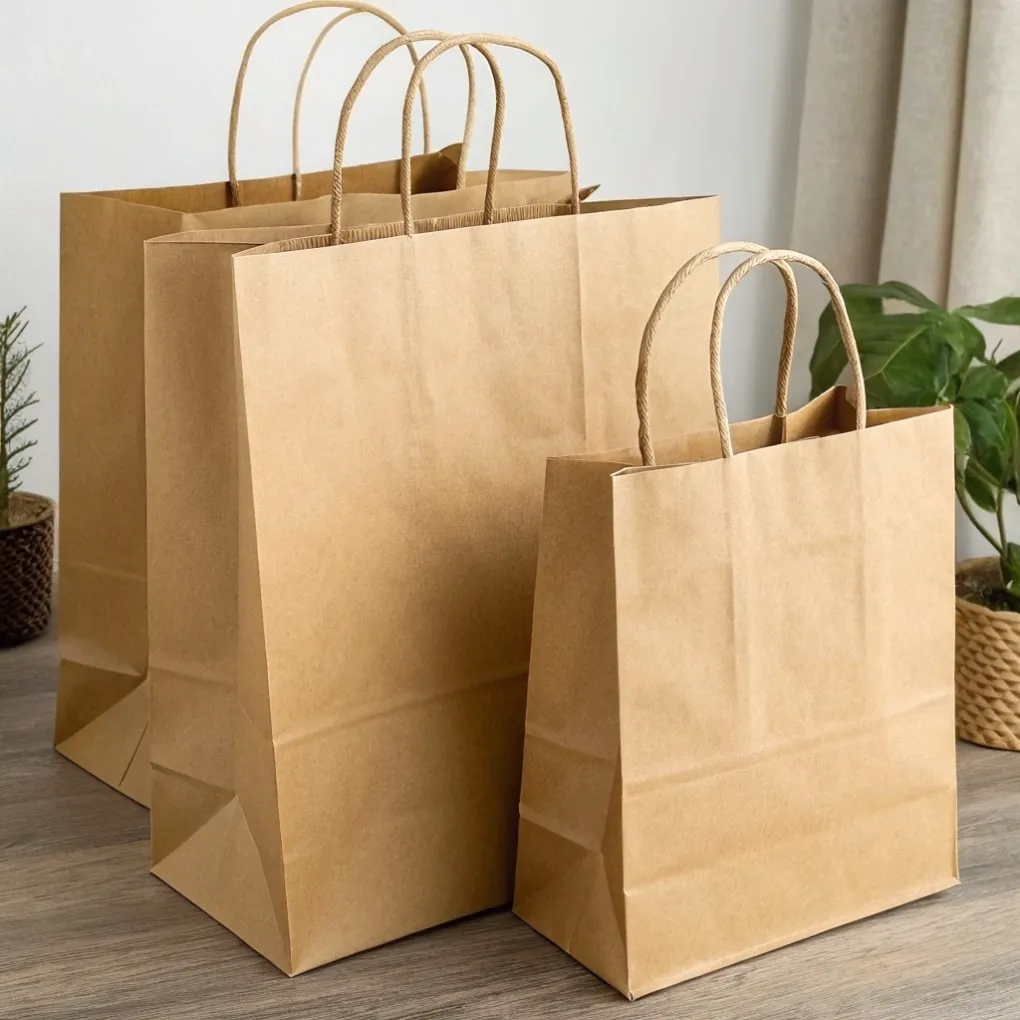
When I examine paper quality in our warehouse, the brown texture tells me that the material kept its natural strength without heavy chemical bleaching. The word "kraft" actually comes from the German word for strength, which explains why these fibers resist tearing under heavy loads. A strong paper bag remains useful long after the first purchase, allowing clients to reuse it for organizing household items, wrapping gifts, or running everyday errands. This reusable nature is exactly where true environmental value comes from. Let us break down the specific lifecycle benefits that make raw paper packaging a highly responsible choice for retail brands.
Lifecycle Benefits of Kraft Paper
Lifecycle Stage | Environmental Action | Brand Advantage |
|---|---|---|
Sourcing | Uses renewable wood pulp from managed forests | Shows commitment to sustainable farming |
Manufacturing | Avoids toxic chlorine bleaches and saves water | Reduces chemical waste in the supply chain |
Usage Period | Thick material allows for frequent reuse | Keeps your printed logo visible in public longer |
Disposal | Dissolves naturally or enters standard recycling | Prevents plastic pollution in local communities |
When your business uses these sturdy paper options, you show your customers that your eco-friendly messaging matches your real corporate actions.
What Is the Most Eco-Friendly Option for Shopping Bags?
Are you struggling to find a sustainable bag that actually stays within your marketing budget while still looking premium? Many brands make the mistake of buying flimsy paper options that rip instantly, forcing customers to use double bags.
The most eco-friendly option for shopping bags is a thick, unbleached kraft bag fitted with reinforced handles and a heavy-duty bottom paste. Increasing the paper thickness allows for maximum reuse, which drastically reduces the total environmental impact per shopping trip.
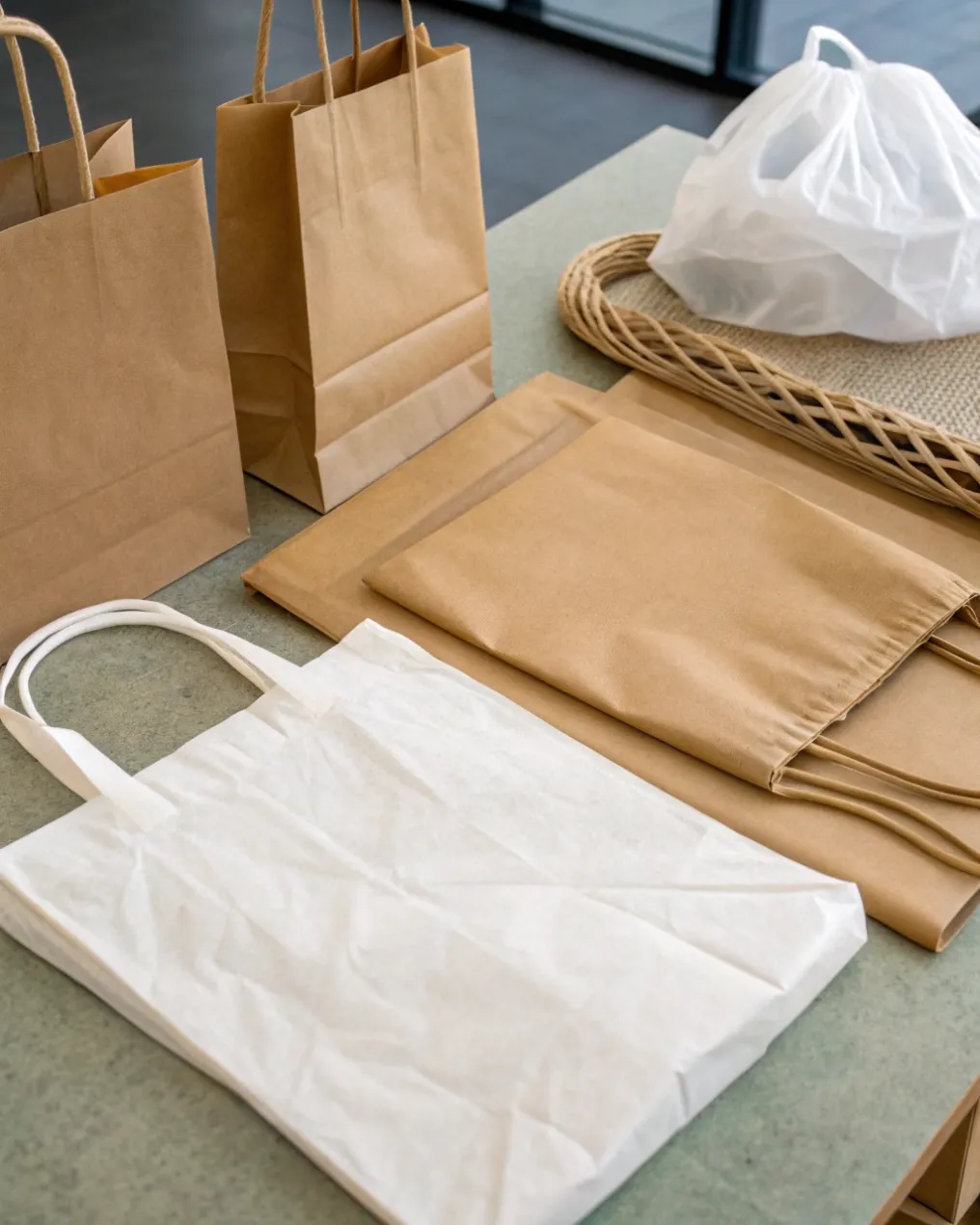
I remember a retail client who wanted the absolute cheapest paper bags available just to say they were a green company. Their customers ended up frustrated because the thin paper handles snapped under the weight of basic gift boxes. We helped them upgrade to a thicker paper weight with woven ribbon handles made from recycled cotton. The change was immediate: customers kept the beautiful bags, carried them around downtown Singapore, and praised the brand for its premium quality. A durable bag stops being disposable packaging and becomes an active advertisement for your retail store.
Choosing the Right Thickness and Handle Style
Bag Specification | Target Weight (GSM) | Best Handle Style | Ideal Retail Application |
|---|---|---|---|
Light Duty Kraft | 80 to 100 GSM | Twisted paper handles | Bakeries, light clothing, cafes |
Medium Duty Kraft | 120 to 140 GSM | Flat fold paper handles | Books, standard apparel, cosmetics |
Heavy Duty Premium | 150 to 180 GSM | Woven cotton or ribbon cords | Luxury corporate gifts, heavy footwear |
Investing in a thicker, well-crafted structure ensures your packaging stays out of the trash and stays in your customers' hands for months.
Conclusion
Eco-friendly kraft shopping bags work best when designed for durability, allowing your retail packaging to serve as a reusable brand asset that reduces waste and builds customer trust.