Aug 18, 2026Success Stories
Why Are Paper Bags the Ultimate Bridge for Sustainable Modern Branding?
Discover how paper bags bridge sustainability and modern branding. Learn how eco-friendly, customizable packaging can reduce environmental impact, enhance customer experience, and strengthen brand ide
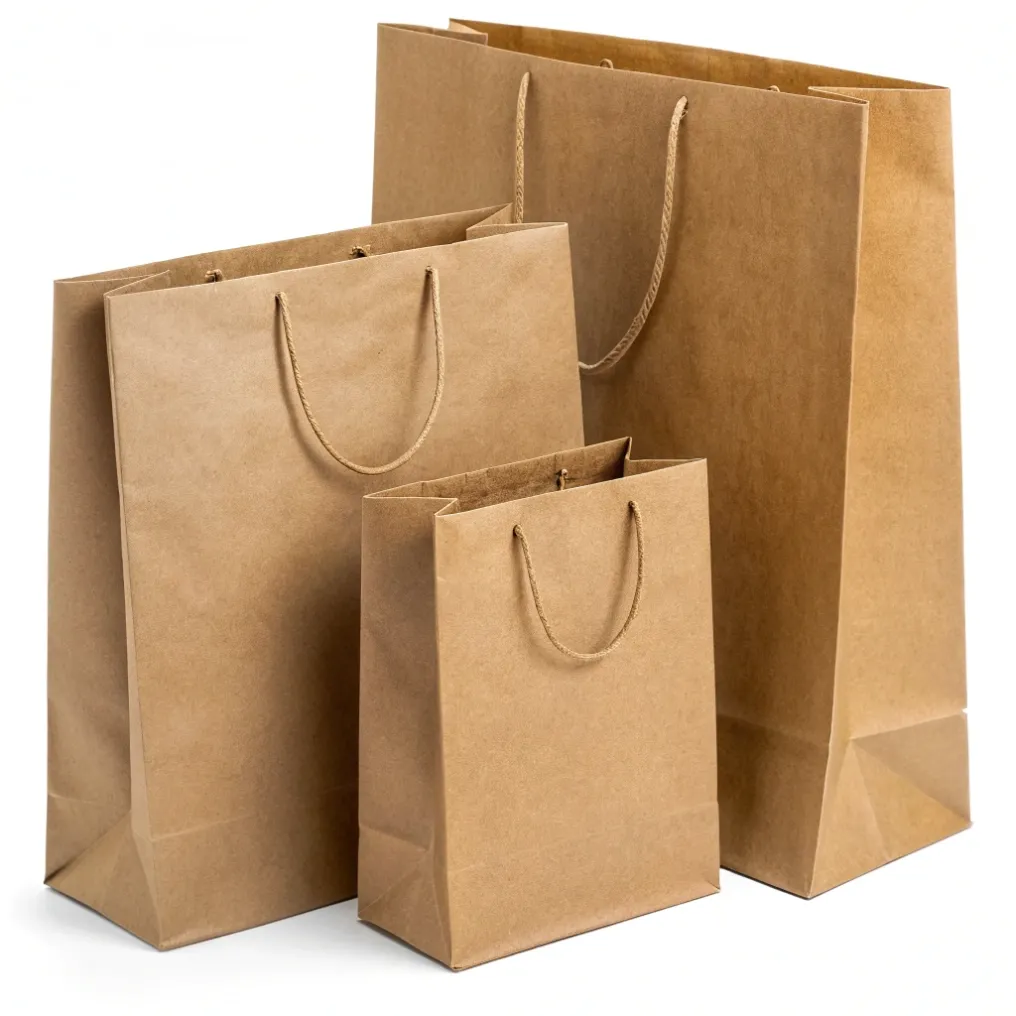
Why Are Paper Bags the Ultimate Bridge for Sustainable Modern Branding?
Are you frustrated by fragile packaging that tears easily and harms your brand's reputation? Cheap plastic bags create harmful environmental waste, while poorly made packaging leaves customers with a negative impression of your business.
Paper bags are versatile, eco-friendly packaging products made from chemical or mechanical wood pulp, most commonly unbleached kraft paper or coated art board. They provide reliable product protection, 100 percent biodegradable sustainability, and a premium physical canvas for store branding and customer engagement.
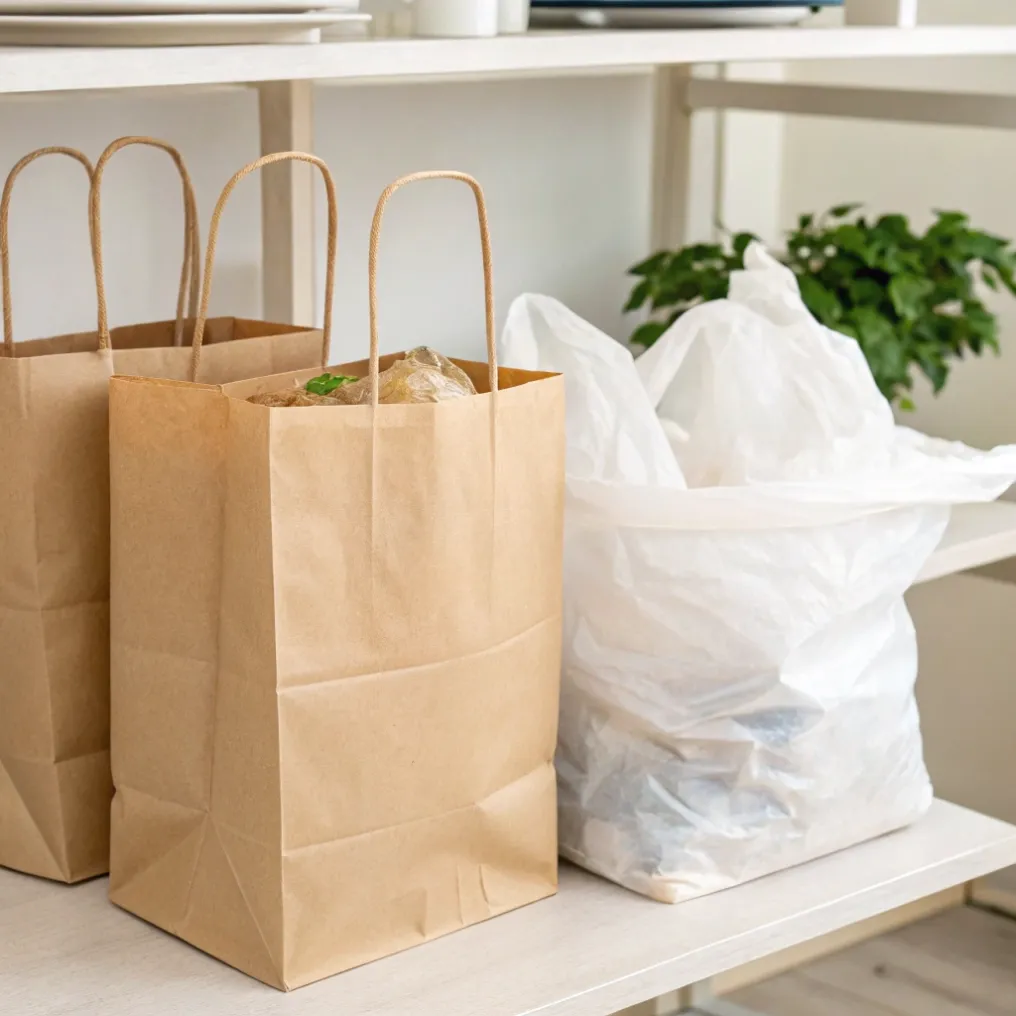
When I started my career in a humble printing factory, I saw businesses buy bargain paper packaging that tore along bottom crease lines during light retail handling. Later, I founded Latitude Experience Pte Ltd to help marketing managers and business owners navigate high-quality packaging and custom corporate gifts. A paper bag is not just a carrier for goods. It is the final physical touchpoint that communicates your brand values, craftsmanship, and commitment to environmental responsibility. Keep reading to learn all about paper bag terminology, materials, and spelling conventions.
What Is a Paper Bag Called?
Are you confused by the various names used across retail, food service, and manufacturing industries to describe paper packaging? Using imprecise packaging terms makes it difficult to order the exact structure and handle style your business requires.
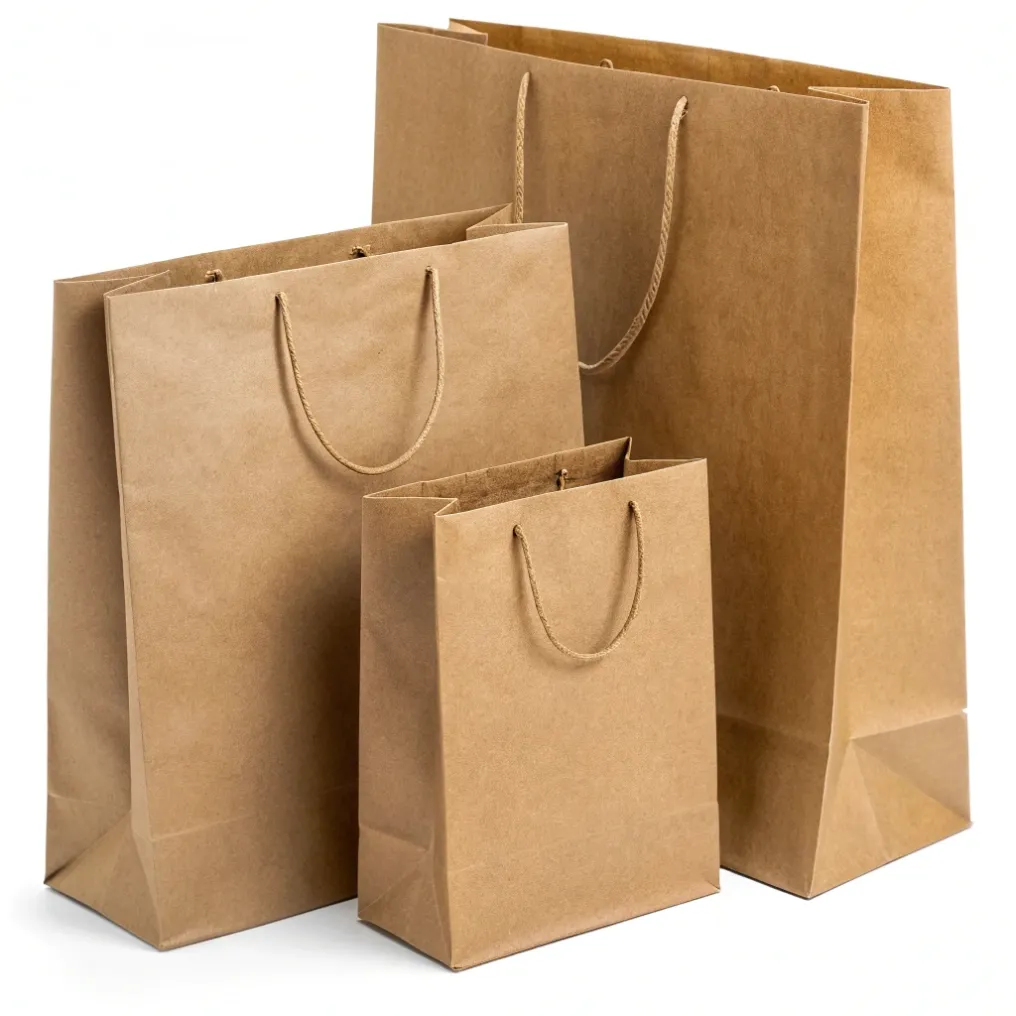
A paper bag is commonly called a paper sack, kraft bag, retail shopping bag, tote bag, merchandise bag, or grocery sack depending on its size, construction, and handle design. In luxury retail and corporate gifting, high-end laminated versions are frequently referred to as eurototes or boutique gift bags.
Understanding Industry Names by Bag Structure
During my decades in product customization and packaging production, I have guided hundreds of clients on selecting the right bag nomenclature. The terminology changes based on how the bag is constructed and carried.
A flat-bottom, self-opening paper sack without handles is standard for supermarkets, whereas a luxury eurotote features knotted cotton rope handles, turned-top edges, and reinforced cardboard inserts at the base. Flat pinch-bottom merchandise bags have no side gussets and are used primarily for greeting cards, bakeries, and small flat items.
Paper Bag Term | Construction & Handle Style | Typical Material Used | Primary Industry Use |
|---|---|---|---|
Kraft Grocery Sack | Self-opening flat square bottom, thumb notches | 70–100 GSM Brown Kraft | Supermarkets, farm stands, delis |
Retail Shopping Bag | Side gussets with twisted paper or flat tape handles | 100–140 GSM Kraft Paper | Apparel stores, bookshops, gift shops |
Eurotote / Boutique Bag | Folded reinforced top, cotton rope or ribbon handles | 170–250 GSM Art Card | Luxury fashion, cosmetics, corporate gifts |
Merchandise Bag | Flat envelope style, pinch bottom, no handles | 40–60 GSM Bleached/Brown Kraft | Bakeries, pharmacies, stationery stores |
Knowing these specific industry names helps you communicate clearly with manufacturers and select the perfect packaging fit for your store operations.
What Is Paper Bag Material?
Are you unsure what materials give paper bags their strength, texture, and ability to hold heavy merchandise without ripping? Understanding material science ensures you select the correct paper weight and finish for your products.
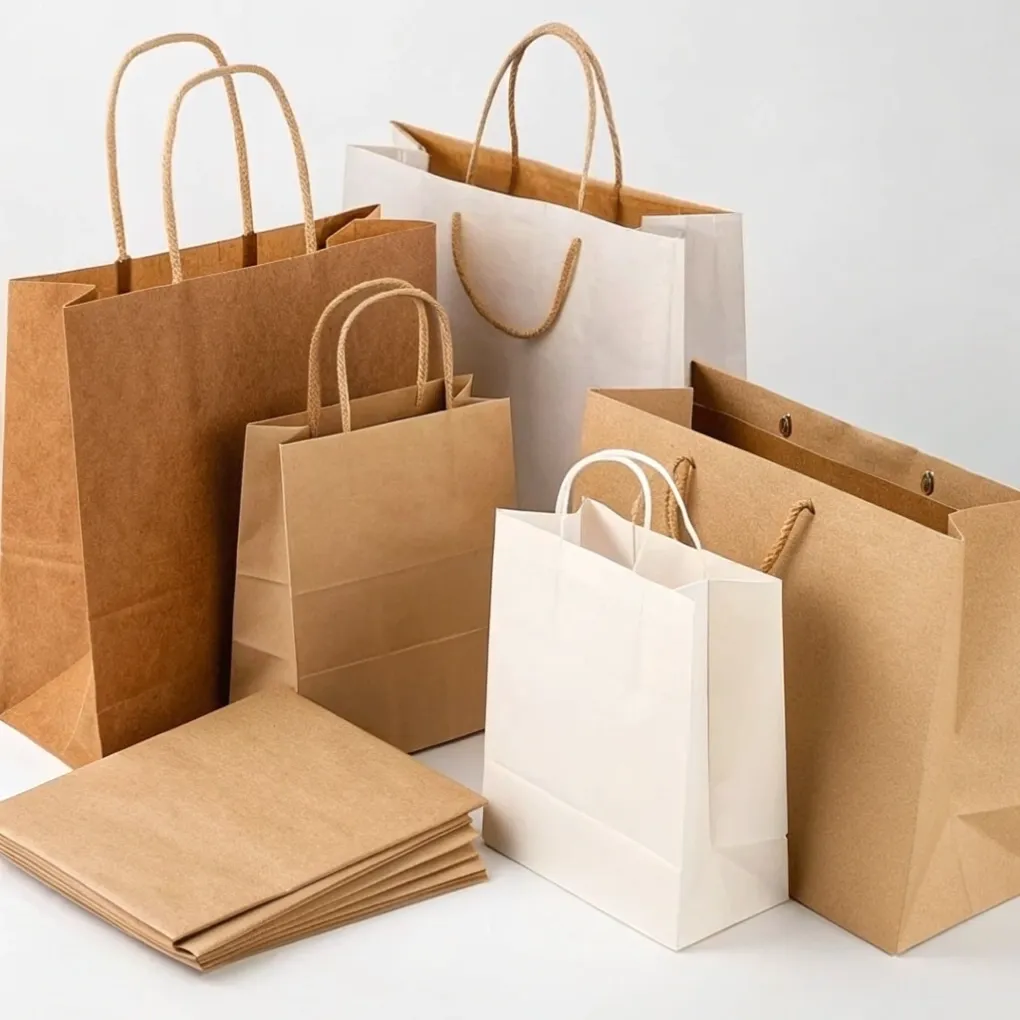
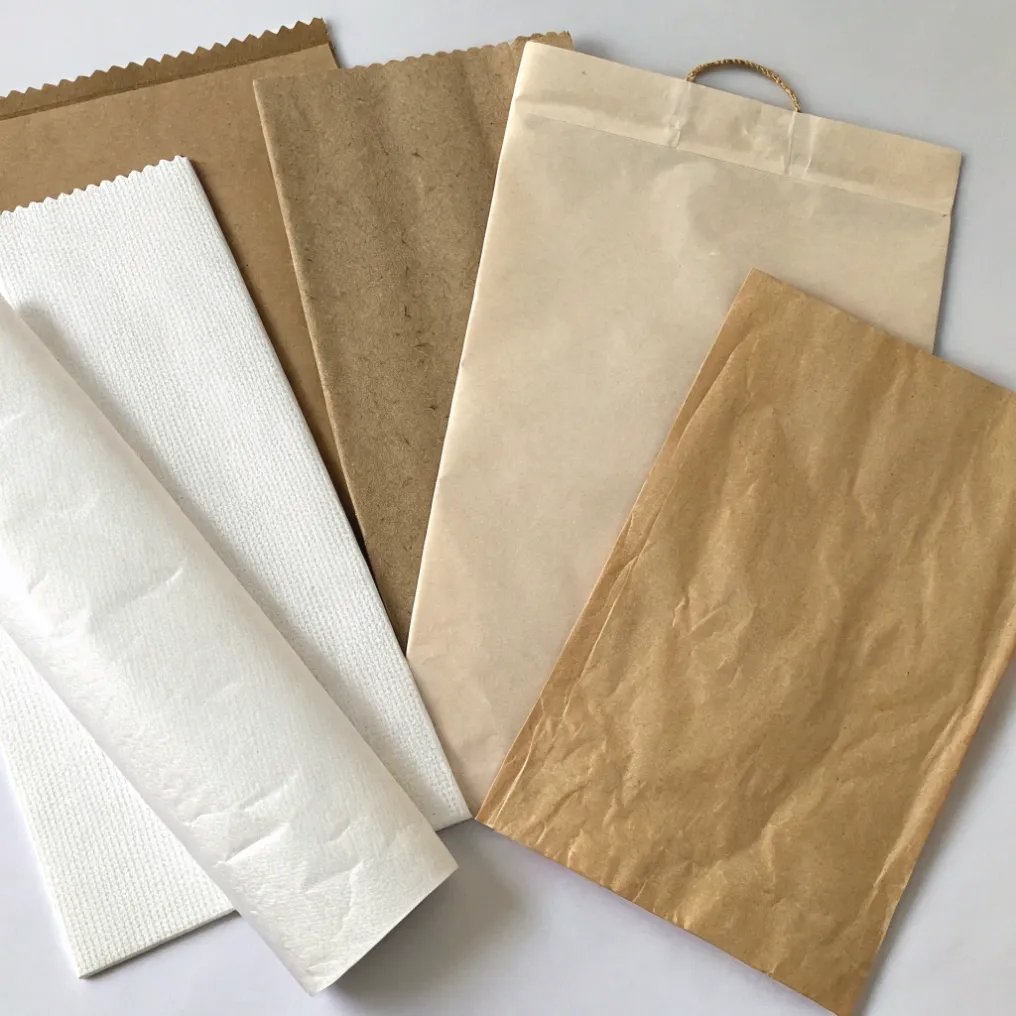
Paper bag material is primarily kraft paper made from chemical wood pulp, but it also includes coated art paper, bleached white kraft, recycled post-consumer waste (PCW) paper, and greaseproof parchment paper. Kraft paper is the most durable due to its long, tightly interlocked virgin or recycled cellulose fibers.
Exploring Paper Types and Fiber Characteristics
In my factory inspection experience, paper pulp composition directly dictates tensile and tear strength. The chemical kraft pulping process removes lignin from wood chips, leaving long, unbroken cellulose fibers that absorb heavy pulling tension without splitting.
When luxury brands require photographic print quality and vibrant spot colors, they use coated art paper laminated with a matte or gloss film. Food-service businesses rely on machine-glazed (MG) or greaseproof kraft to prevent cooking oils and food moisture from weakening the packaging structure.
Paper Material Type | Fiber Source & Finish | Strengths & Characteristics | Best Application |
|---|---|---|---|
Natural Brown Kraft | Unbleached wood pulp, matte texture | High tensile strength, eco-friendly, biodegradable | Grocery sacks, retail carryalls, takeout |
Bleached White Kraft | Chemically bleached pulp, clean white surface | Crisp background for bright logo printing | Cosmetic packaging, gift shops, pharmacies |
Coated Art Board | Clay-coated smooth paper with lamination | Supports embossing, hot foil stamping, full color | High-end fashion boutiques, VIP gift bags |
Recycled Kraft (PCR) | Post-consumer recycled waste fibers | Rustic organic texture, closed-loop sustainability | Eco-conscious retail brands, sustainability events |
Selecting the right paper material ensures your bags hold your products safely while reflecting your brand's quality standards.
Is It Paperbag or Paper Bag?
Are you unsure whether to write paper bag as one single word or two separate words in your marketing copy, inventory records, and search queries? Spelling inconsistencies can make your corporate communications look unprofessional.
It is correctly written as two separate words: paper bag. While compound words like handbag or backpack are written as single words, paper bag functions as a noun phrase consisting of the noun adjunct paper modifying the noun bag.
Grammatical Rules and Search Conventions
At Latitude Experience Pte Ltd, marketing managers like Jacky frequently ask me about standard naming conventions for product catalogs and international trade documents. Standard English dictionaries, including Oxford, Merriam-Webster, and Cambridge, list "paper bag" exclusively as two separate words.
Writing "paperbag" as a single compound word is considered a common informal spelling mistake. In professional retail specifications, customs documentation, and commercial invoices, you should always use the two-word format.
Spelling Variation | Grammatical Status | Professional Recommendation | Common Usage Context |
|---|---|---|---|
Paper Bag (Two Words) | Standard & grammatically correct | Strongly Recommended | Official catalogs, B2B procurement, retail |
Paper-Bag (Hyphenated) | Correct only as a compound modifier | Use before nouns only | "A paper-bag manufacturer" |
Paperbag (Single Word) | Non-standard / Informal spelling | Avoid in formal copy | Casual digital search queries, informal texting |
Maintaining proper two-word spelling across your website, promotional materials, and packaging orders ensures your company presents a polished, professional image.
Conclusion
Paper bags serve as essential bridges between products and customers by combining durable kraft paper materials, standardized naming, and sustainable craftsmanship to deliver lasting brand value and environmental responsibility.