Jun 29, 2026News & Insights
Why Are Reusable Water Bottles Important?
Reusable water bottles reduce plastic waste, save money, and keep drinks at the ideal temperature for everyday hydration.
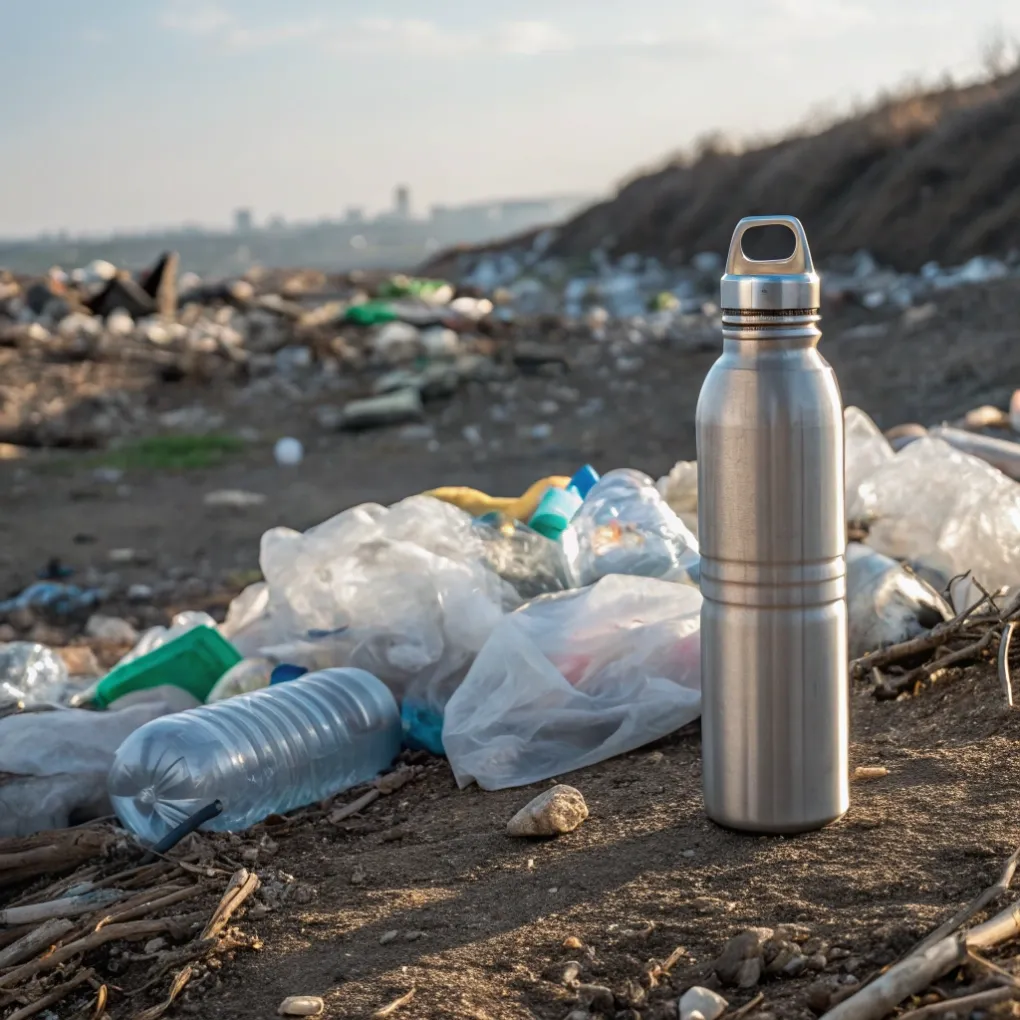
Why Are Reusable Water Bottles Important?
Are you still relying on cheap, single-use plastic water bottles every single day, completely ignoring how much money you throw away and the massive waste piling up in our local landfills?
Reusable water bottles are important because they cut down single-use plastic waste, keep your drinks perfectly insulated at the right temperature, and save you thousands of retail dollars over their long lifetime.
I started my career working directly on a busy printing factory floor, managing production lines and checking material durability specifications by hand under tight schedules. That hands-on experience taught me exactly how much energy, raw oil, and manufacturing effort goes into creating cheap, disposable packaging that gets thrown away in seconds. Later, I established Latitude Experience Pte Ltd to help forward-thinking marketing managers use premium, long-lasting promotional lifestyle gifts to build deep relationship trust. I know that professionals do not buy disposable bottles because they love trash; they buy them simply because they are accessible. Let us look at why upgrading to a durable personal flask is the smartest choice for your body, your wallet, and our environment.
What Are the Benefits of Using Reusable Containers?
Do you find yourself constantly buying expensive single-use beverages during your daily office commute simply because you do not have a reliable container to carry drinks from home? This thoughtless habit quickly drains your monthly budget.
The primary benefits of using reusable containers are superior temperature retention, total freedom from chemical leaching, extreme structural durability, and massive long-term financial savings. Carrying a personal container makes healthy hydration an effortless, automatic daily routine.
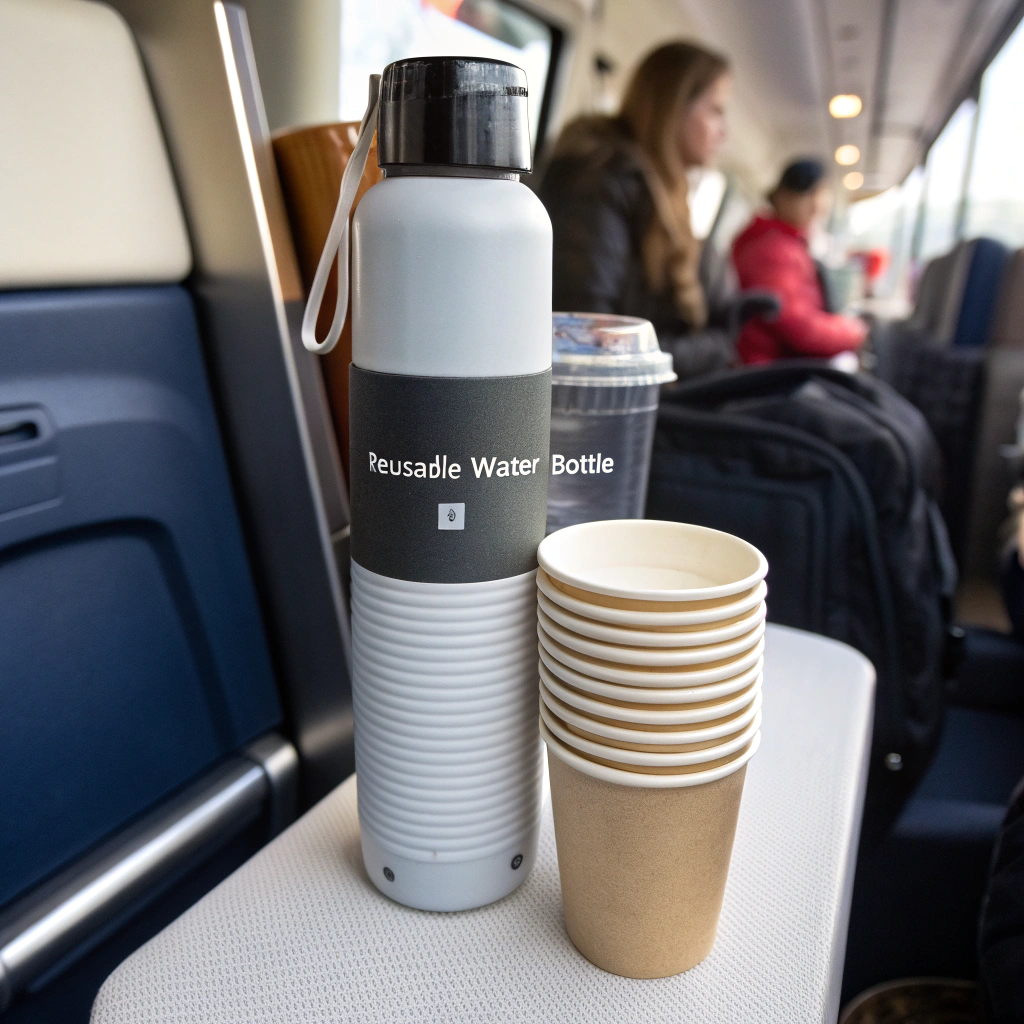
Upgrading Your Daily Hydration Habit
From my perspective, a premium reusable container changes your relationship with daily health. When you carry a high-quality 304 stainless steel bottle, the double-wall vacuum insulation keeps your water ice-cold for twenty-four hours, even inside a warm Singapore office. Cheap disposable plastic bottles sweat constantly, making a mess inside your backpack and warming up into an unappealing, stale drink within minutes. Investing in a beautiful, food-grade flask removes this daily friction entirely. It turns hydration into an enjoyable luxury rather than a chore, ensuring you easily hit your daily fluid targets while keeping your essential work documents completely dry.
Let us look at how reusable bottles compare to disposable options across essential everyday metrics.
Container Attribute Type | Single-Use Plastic Bottle | Premium Reusable Steel Flask | Lifestyle Impact for You |
|---|---|---|---|
Temperature Control | None (Warms up instantly) | Holds ice-cold for 24 hours | Delivers crisp, refreshing water all day |
Structural Longevity | Flimsy (Cracks and leaks easily) | Indestructible under daily drops | Lasts for years, reducing constant replacement |
Long-Term Cost | High (Continuous retail buying) | Low (One-time asset purchase) | Saves hundreds of dollars annually |
What Are 5 Positive Impacts of Plastic?
Are you feeling completely overwhelmed by the constant negative environmental news surrounding synthetic polymers, wondering if this industrial material offers any genuine value to modern human civilization?
The 5 main positive impacts of plastic are revolutionary medical device safety, massive vehicle weight reduction for fuel efficiency, extended food preservation to prevent global spoilage, cost-effective clean water delivery pipelines, and durable lightweight protection for consumer electronics hardware components.
Evaluating Material Utility Responsibly
When checking product quality standards on our factory floor, I learned that every material has a specific purpose where it outperforms everything else. Plastic is a miracle of modern engineering when used for long-term, high-utility functions. In medical settings, sterile single-use syringes and flexible blood bags save millions of human lives daily by preventing cross-contamination. In transportation, lightweight carbon-plastic composites allow planes and electric cars to travel much farther on significantly less energy. The real crisis is not the chemical material itself; the problem is our modern throwaway culture that takes a durable, high-tech substance and shapes it into a cheap water bottle meant to be used once and discarded.
Let us organize these critical advancements into a scannable structural table.
Industrial Sector | Specific Plastic Implementation | Positive Societal Impact | Core Functional Value |
|---|---|---|---|
Healthcare & Medicine | Sterile intravenous lines and syringes | Prevents dangerous cross-infections | Maximum hygiene protection |
Automotive Logistics | High-strength interior polymer panels | Lowers total vehicle empty weight | Maximizes energy efficiency |
Global Food Supply | Vacuum-sealed barrier storage films | Stops rapid food decomposition | Reduces massive agricultural waste |
What Are the 10 Advantages and Disadvantages of Plastic?
Do you want an honest, balanced breakdown of how synthetic polymers affect both our industrial manufacturing production and our long-term environmental survival? Understanding these trade-offs is vital for making smart consumer purchasing choices.
The 5 main advantages of plastic are extreme manufacturing affordability, lightweight handling, high chemical resistance, waterproof sealing, and immense design flexibility. The 5 main disadvantages are extreme environmental persistence, high crude oil dependency, toxic chemical leaching under heat, microplastic food contamination, and expensive recycling processing logistics.
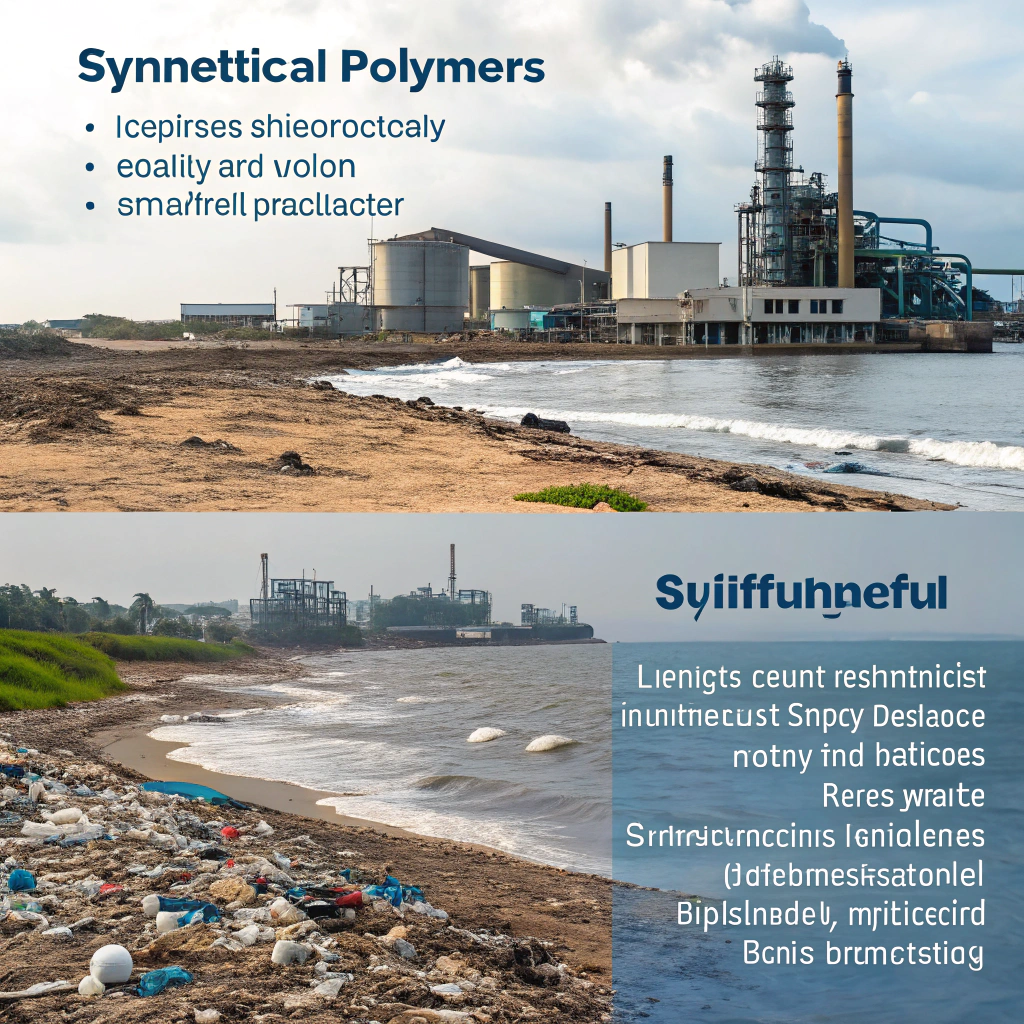
The Dual Nature of Synthetic Polymers
In the custom corporate gifting industry, we constantly weigh the operational pros and cons of different material compositions to find the best fit for our clients. Plastic is incredibly cheap to mold into complex shapes, making it highly accessible for mass distribution. However, that exact structural permanence becomes a massive ecological nightmare once the product enters the waste stream. Because synthetic polymer chains do not exist in nature, standard decomposers cannot break them down. A single plastic bottle takes over four hundred years to fracture into tiny microparticles that permanently pollute our agricultural soil and marine life. This is why forward-thinking companies are shifting toward circular materials like harvested cork and stainless steel.
Let us break down these ten critical characteristics into a clear, balanced comparison matrix.
5 Primary Material Advantages | 5 Primary Material Disadvantages | Long-Term Strategic Solution |
|---|---|---|
1. Unmatched Production Cheapness | 1. Millennium-Span Landfill Waste | Restrict plastic to long-term industrial parts |
2. Featherlight Shipping Weight | 2. Heavy Non-Renewable Crude Oil Use | Transition manufacturing toward bio-based polymers |
3. Complete Waterproof Sealing | 3. Toxic Chemical Leaching When Warm | Never heat synthetic plastics inside a microwave |
4. High Acid & Alkali Resistance | 4. Marine Food Chain Contamination | Eliminate single-use retail shopping packaging |
5. Infinite Structural Mold Variations | 5. Complex and Inefficient Recycling Streams | Reward consumers who choose durable steel items |
Conclusion
Embracing reusable water bottles is important because it replaces destructive single-use plastic waste with high-utility containers, protecting your physical health and saving you money through sustainable daily hydration habits.