Jul 8, 2026Success Stories
Why Do Non-Insulated Water Bottles Remain a Smarter Choice for Daily Hydration?
Non-insulated water bottles remain a smart choice for daily hydration by offering lightweight portability, affordability, and convenience for users who prioritize simplicity and easy carrying.

Why Do Non-Insulated Water Bottles Remain a Smarter Choice for Daily Hydration?
Are you tired of carrying a heavy, bulky water bottle that feels like a brick in your backpack just to keep your water cold for a short walk? Over-engineered drinkware can make daily hydration feel like a chore rather than a simple habit.
Non-insulated water bottles solve this problem by offering a lightweight, affordable, and durable alternative to heavy vacuum flasks. They maximize interior storage space and eliminate unnecessary weight so you can easily carry fresh water wherever you go.
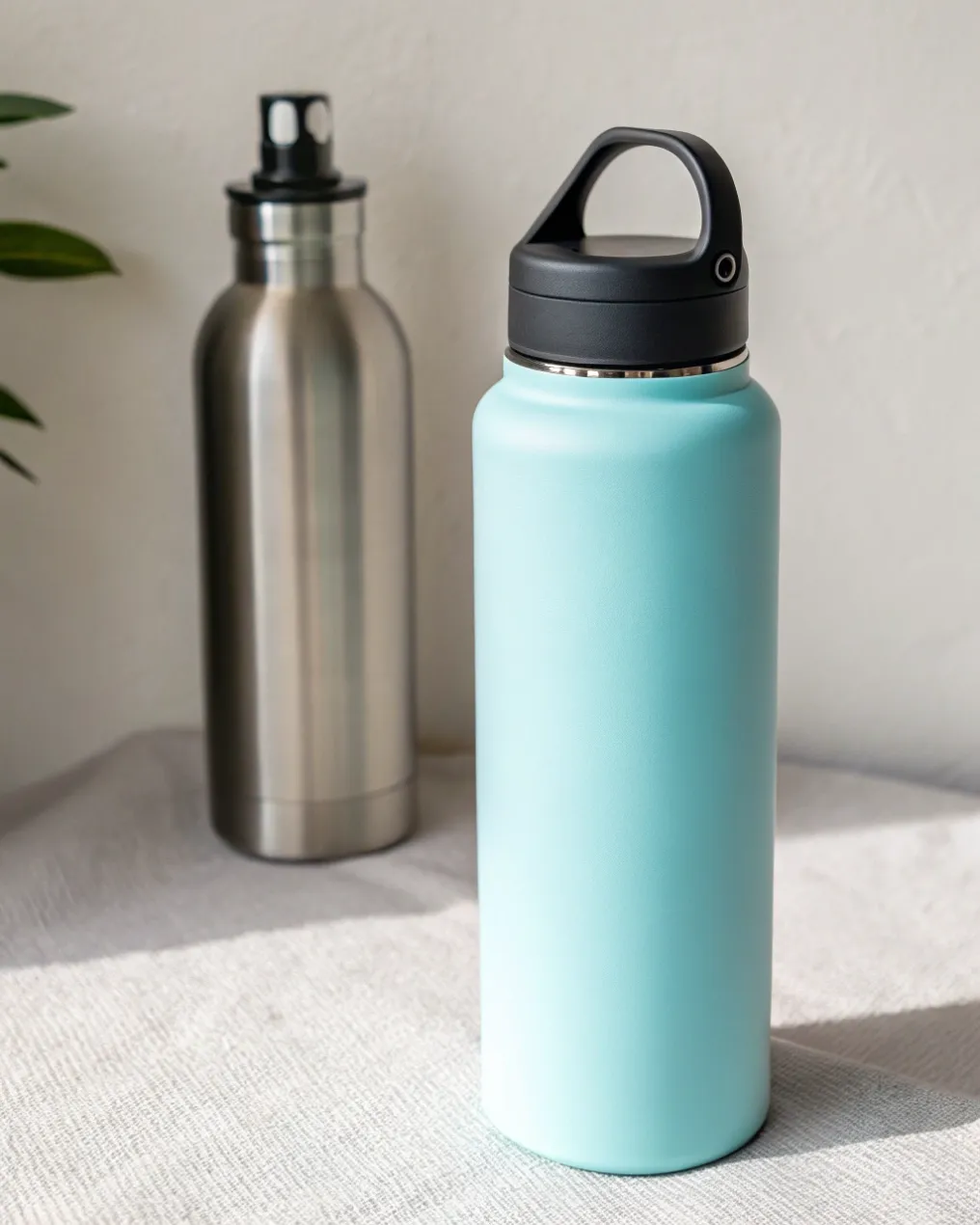
When I first started helping businesses design custom promotional gifts, I noticed that the heaviest bottles often ended up left behind on office desks or kitchen shelves. Hydration is entirely driven by accessibility, which means a bottle you actually bring with you is always better than a high-tech flask left at home. Non-insulated designs strip away the complex double-wall layers to focus entirely on core functionality, simplicity, and ease of maintenance. If you want to understand how removing features can actually create a better user experience for your team or clients, let us dive into the facts.
What Is the Healthiest Type of Water Bottle?
Are you worried that your reusable water bottle is leaching harmful chemicals into your drinks or hiding dangerous bacteria in hard-to-clean caps? Using the wrong material can compromise your health and change the taste of your clean drinking water.
The healthiest type of water bottle is made from high-grade 18/8 food-safe stainless steel or pure borosilicate glass. These premium materials are completely chemical-free, do not retain stale flavors, and resist bacteria growth because they have smooth, non-porous surfaces.
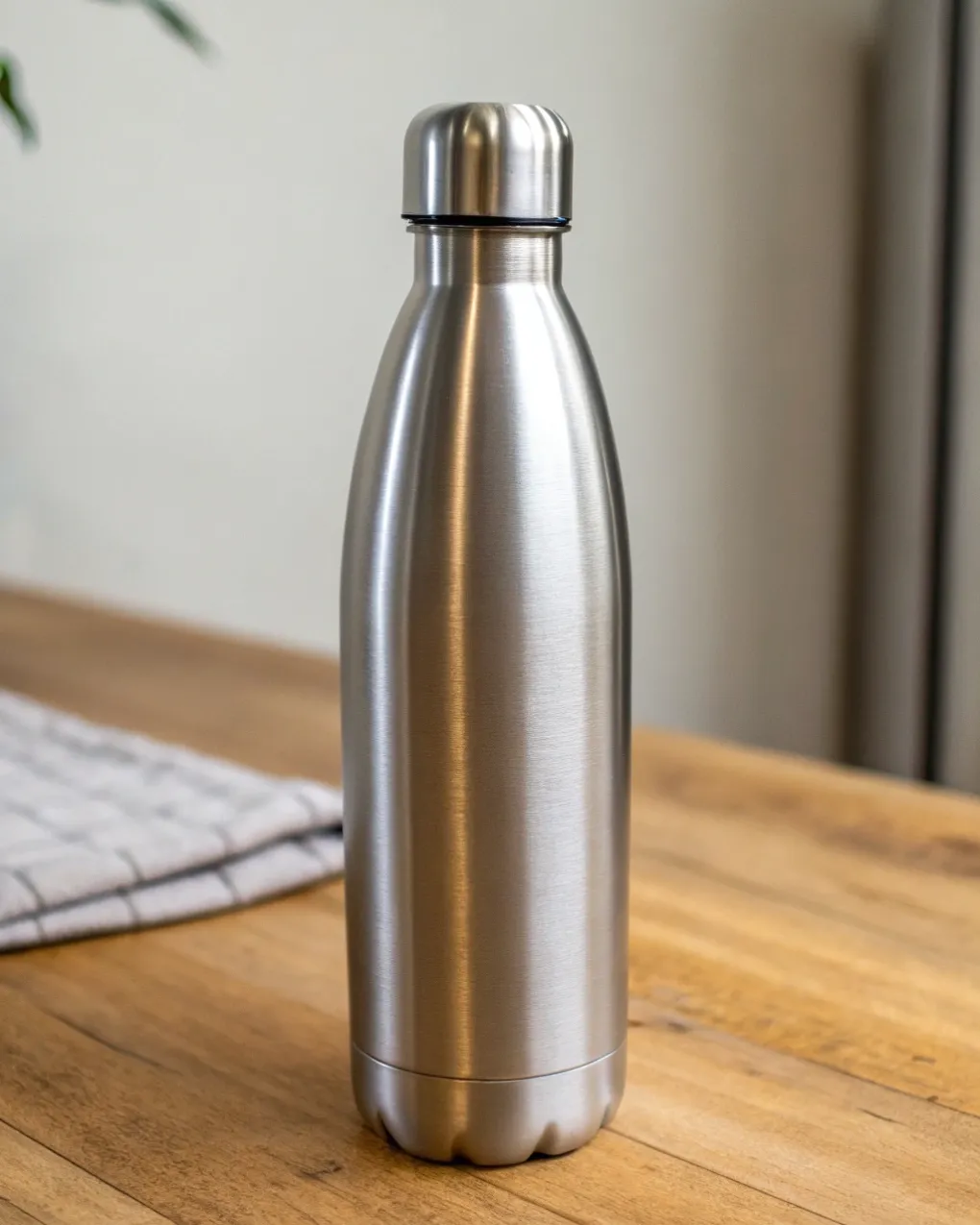
In my years managing product sourcing at Latitude, I always look closely at material safety certifications before recommending custom gifts. Many cheap plastic bottles contain BPA or other synthetic chemicals that can seep into your water when exposed to sunlight or heat. Food-grade stainless steel completely avoids this risk because it requires no chemical liners and does not react with acidic liquids like lemon water. Furthermore, because non-insulated stainless steel has a simpler single-wall shape, it is incredibly easy to wash thoroughly with a standard bottle brush. Let us compare the health and safety features of the most common bottle materials on the market.
Bottle Material Safety Comparison
Material Type | Chemical Safety | Bacteria Resistance | Durability Level | Cleaning Effort |
|---|---|---|---|---|
18/8 Stainless Steel | 100% toxin-free, zero liners | High, non-porous surface | Excellent, will not crack | Very easy, dishwasher safe |
Borosilicate Glass | Completely natural, pure taste | High, zero flavor transfer | Medium, can shatter if dropped | Easy, clear visibility |
BPA-Free Plastic | Safe from BPA, may leach others | Medium, scratches trap bacteria | High, flexible material | Moderate, can retain odors |
Standard Aluminum | Requires epoxy inner liners | Low, scratches expose metal | Medium, dents easily | Harder, cannot heat |
Choosing a safe, high-grade material ensures that your daily hydration habits remain completely clean, fresh, and healthy for years to come.
What Is the Difference Between Insulated and Non-Insulated Water Bottles?
Are you confused about why some reusable bottles cost twice as much and weigh double the size of other identical-looking options? Many consumers buy expensive flasks without realizing that the extra technology might actually hinder their daily routine.
The main difference is that insulated bottles use a double-wall vacuum chamber to block heat transfer and maintain beverage temperatures for hours. Non-insulated bottles use a single-wall design, making them significantly lighter, more spacious, and faster at cooling down or drying.
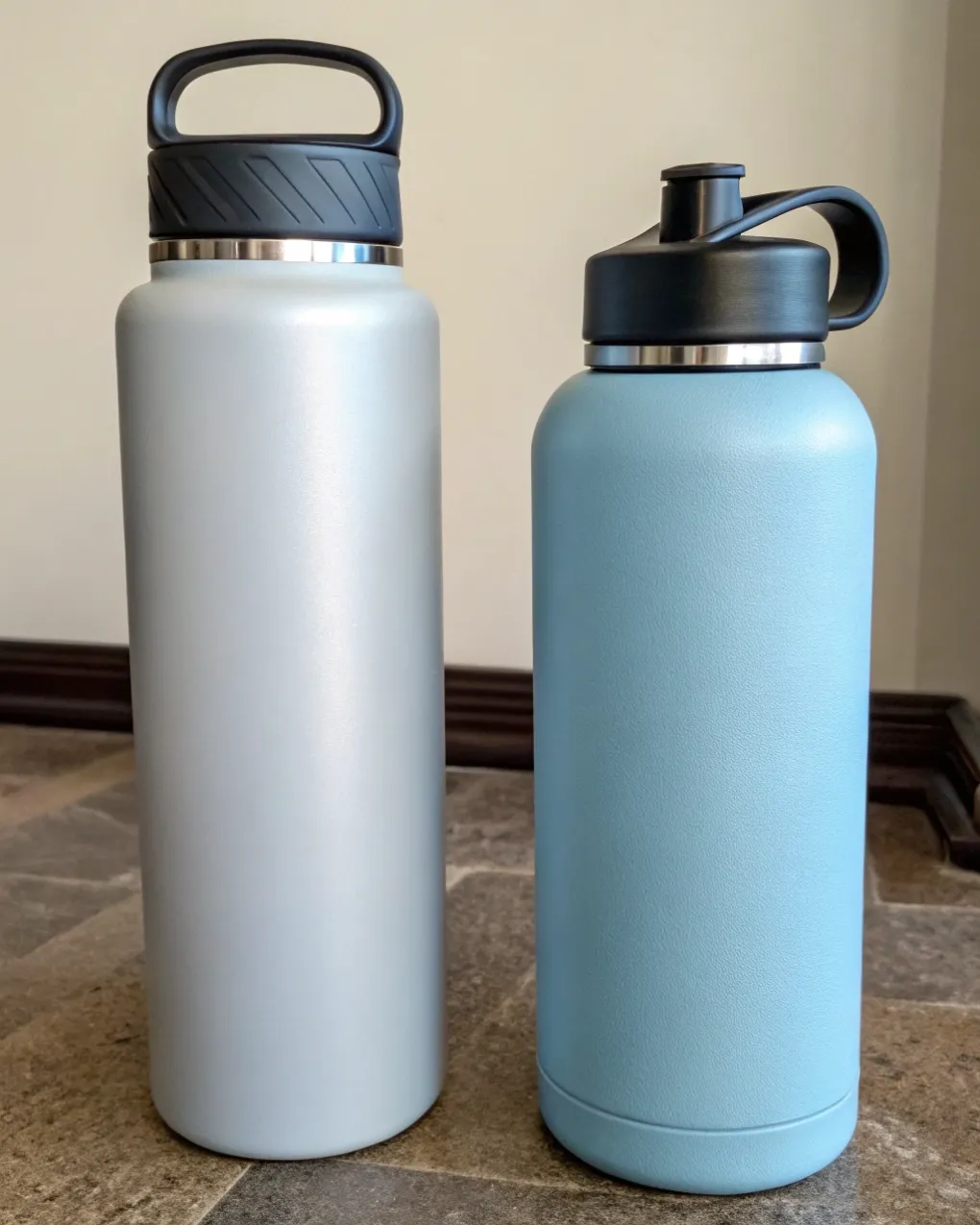
When I run quality tests on different drinkware styles, the structural difference is immediately obvious when you hold them in your hands. An insulated bottle requires two separate layers of metal with an empty vacuum zone sealed in between, which cuts down on your actual water capacity while adding serious bulk. A single-wall non-insulated bottle maximizes every millimeter of space, meaning a one-liter bottle easily fits into standard car cup holders and backpack side pockets. If you work in an air-conditioned office or an indoor gym where fresh water is always available at room temperature, you do not need heavy thermal insulation. Let us break down the practical pros and cons of these two structural styles.
Structural and Practical Comparison
Feature Metric | Insulated Double-Wall | Non-Insulated Single-Wall |
|---|---|---|
Weight (Empty) | Heavy, often double the weight | Ultra-lightweight, effortless to carry |
Water Capacity | Lower relative to the external size | Maximum volume inside a compact frame |
Temperature Control | Keeps drinks hot or cold for 24 hours | Matches the surrounding room temperature |
Physical Durability | Dropping can break the internal vacuum seal | Dropping may cause minor dents but keeps working |
Cost Per Unit | Higher price point due to complex factory assembly | Highly cost-effective for large corporate orders |
Understanding these basic engineering differences helps you choose the exact tool that fits your specific daily lifestyle and budget constraints.
What Is a Non-Insulated Water Bottle?
Are you overcomplicating your search for the perfect corporate gift by looking at digital temperature screens and bluetooth tracking caps? Sometimes the best promotional item is the one that removes barriers instead of adding useless technical gimmicks.
A non-insulated water bottle is a single-wall hydration container made from a single layer of metal, glass, or heavy-duty plastic. It focuses purely on the core purpose of carrying liquids efficiently, safely, and without unnecessary weight or moving parts.
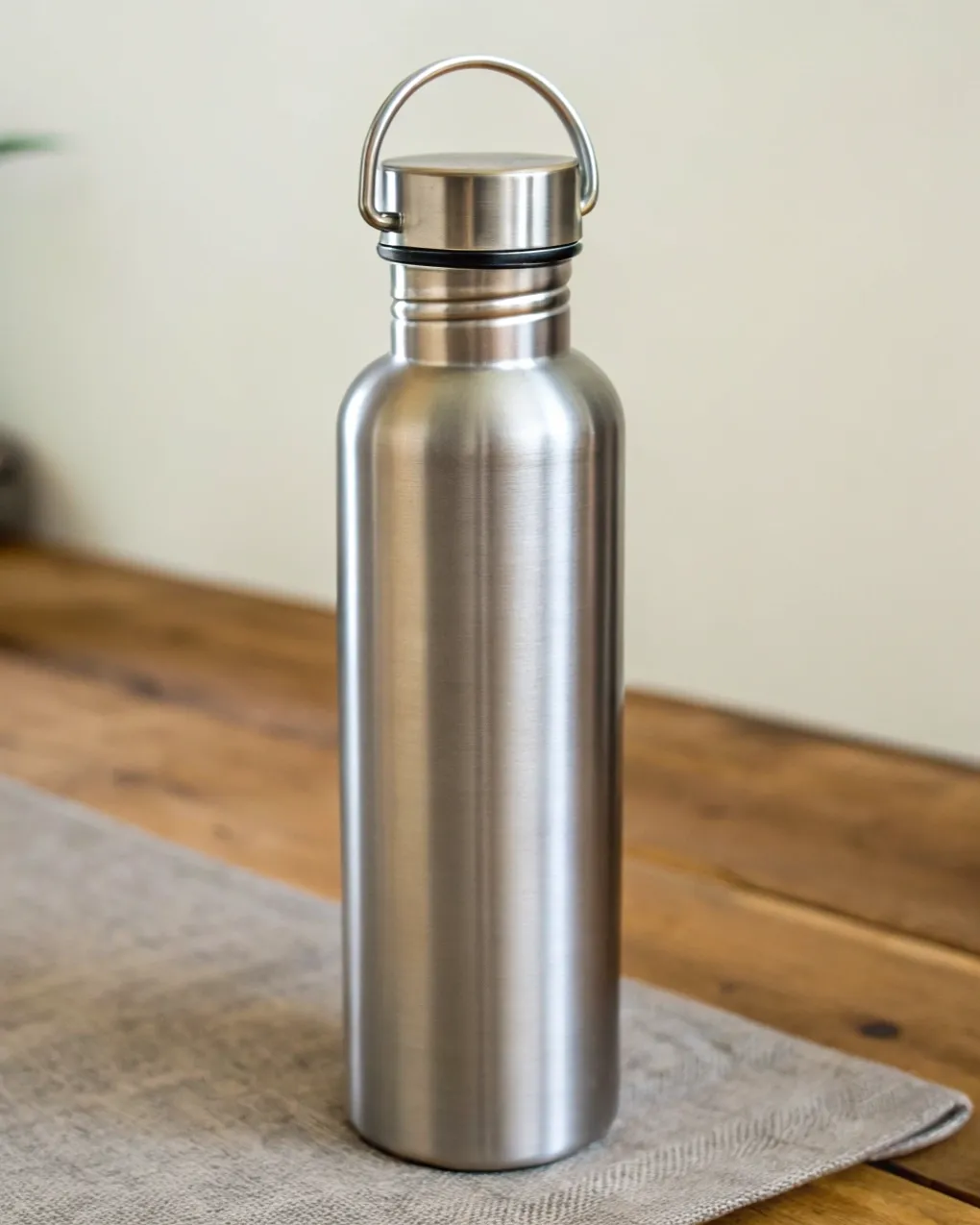
I remember a corporate client who wanted to gift their entire warehouse team premium insulated flasks for an upcoming summer appreciation event. The workers ended up swapping them back for basic single-wall bottles because the heavy flasks kept falling out of their tool belts during active shifts. The team preferred a lightweight, durable single-wall bottle that they could clip onto a carabiner and wash out in five seconds at the water cooler. That experience proved to me that good design is always about supporting real-world habits rather than matching performance marketing trends. Let us look at the key design elements that make single-wall bottles highly functional.
Key Functional Design Elements
Design Element | Structural Benefit | Daily Practical Advantage |
|---|---|---|
Single-Wall Metal | Eliminates extra material weight | Fits easily into small sports bags and bicycle cages |
Wide Mouth Opening | Allows rapid filling and ice insertion | Simplifies hand-washing without specialty thin brushes |
Threaded Steel Cap | No complex valves or internal straws | Prevents deep mold growth and stops leaks completely |
Integrated Loop Top | Provides a solid attachment point | Allows hands-free carrying with a finger or clip |
By focusing on these straightforward, intuitive features, a non-insulated bottle becomes a reliable daily companion that naturally encourages healthy drinking habits.
Conclusion
Non-insulated water bottles remain highly relevant because they prioritize lightweight practicality, effortless cleaning, and budget-friendly durability over complex temperature marketing to support genuine everyday hydration habits.