Oct 20, 2026News & Insights
Why Do We Use Restaurant Gift Cards? The Power of Shared Experiences
Restaurant gift cards offer flexible dining experiences, strengthen personal and business relationships, create lasting memories, and help restaurants attract customers and increase sales.
Why Do We Use Restaurant Gift Cards? The Power of Shared Experiences
Do you want to treat a colleague, client, or friend to a memorable dinner, only to hesitate because you don’t know their dietary restrictions, evening availability, or favorite cuisine? Trying to coordinate reservations on someone else’s behalf often creates logistical headaches, while handing over cash can feel cold and transactional.
We use restaurant gift cards because they transform ordinary purchasing power into an invitation for a shared dining experience, give recipients complete autonomy over their schedule and menu choices, and eliminate the awkwardness of cash gifting while supporting business hospitality.
When I started my career working in a printing and corporate merchandise factory years ago, I handled thousands of serialized magnetic gift cards, embossed voucher sleeves, and custom presentation folders. The reason restaurant gift cards remain a perennial corporate and personal favorite is psychological: food is fundamentally social. Unlike an electronic gadget that sits on a shelf, a dining card creates a dedicated memory—whether that is a celebratory anniversary dinner, a quiet morning espresso, or a lively team lunch. Let us examine how to redeem restaurant cards smoothly, clarify the rules for using them online, and explore why dining cards drive immense value for both recipients and restaurateurs.
How Do You Use a Restaurant Card?
Are you holding a physical plastic card or a digital voucher code on your phone and wondering about the correct etiquette for applying it to your bill without creating an awkward scene? Misunderstanding the redemption flow can turn a relaxing dinner into a confusing checkout experience.
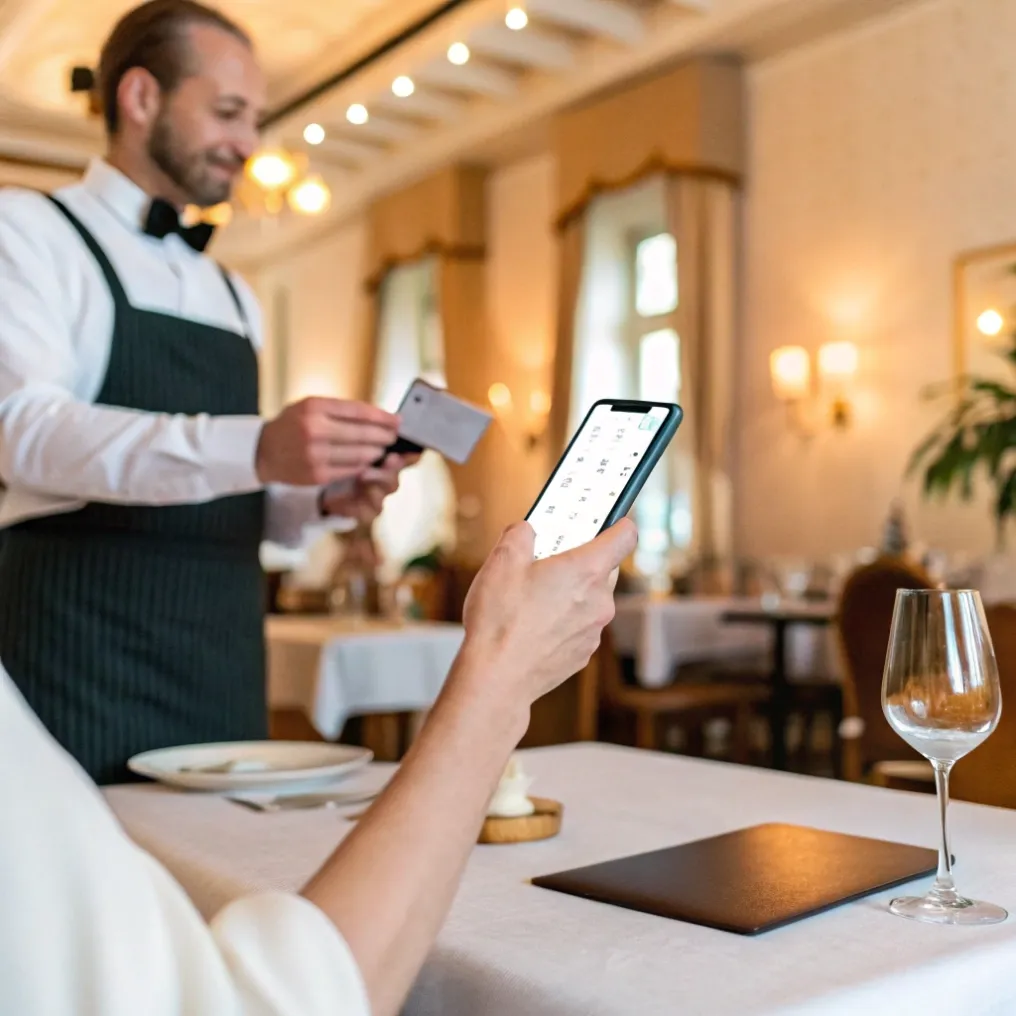
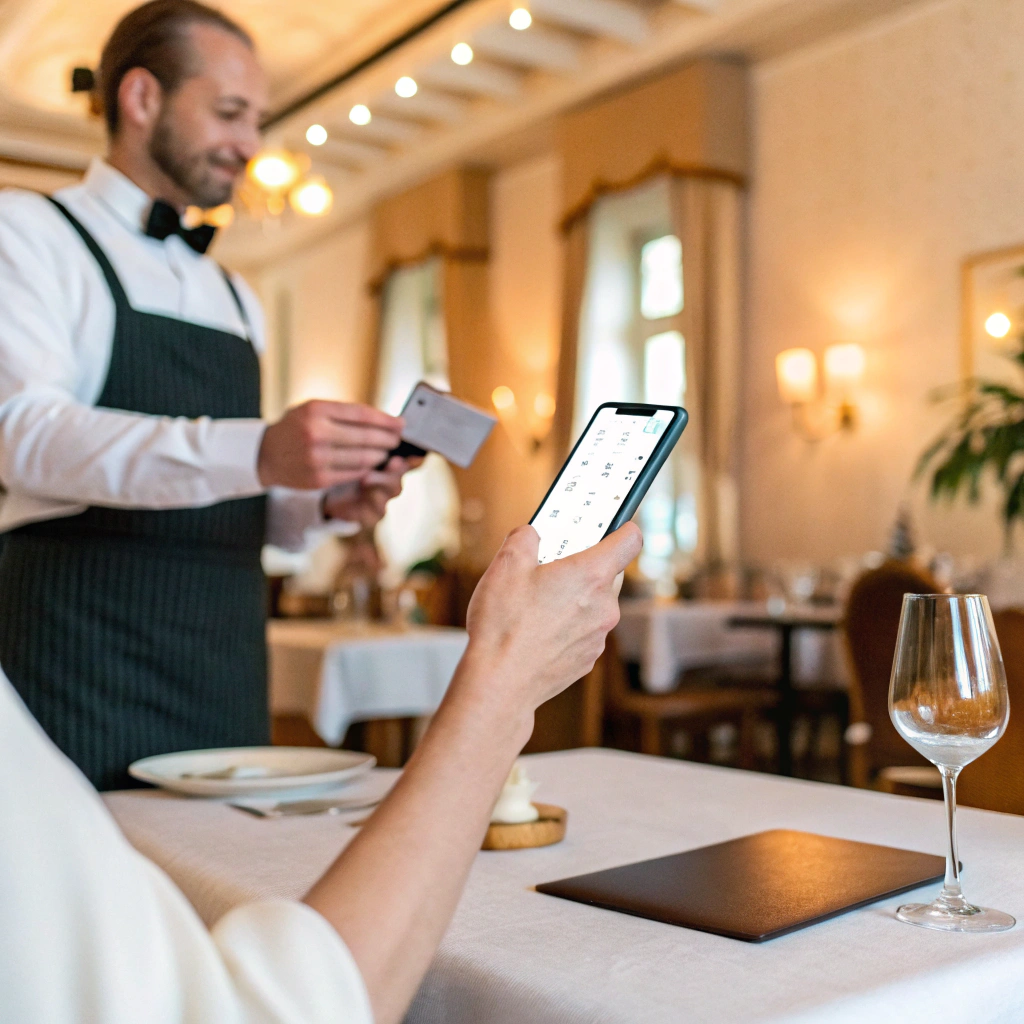
You use a restaurant gift card by presenting the physical card or digital barcode to your server when the bill arrives (before payment is processed), allowing the restaurant to swipe the magnetic strip or scan the QR code to deduct the balance from your total check.
Check Settlement, Tipping Protocols, and Split Payments
Using a dining card follows a straightforward operational process, but keeping three practical rules in mind ensures a smooth experience:
- Notify Your Server at the Bill Presentation: When your server brings the leather bill folder at the end of the meal, place your gift card inside alongside the bill. If using a digital e-card on your smartphone, inform the server so they can manually enter the sixteen-digit code or scan the voucher screen at their POS terminal.
- Handling the Gratuity (Tipping): In jurisdictions where tipping is standard practice (such as North America), many point-of-sale systems will not allow automatic tip deductions from a closed-loop gift card balance, or doing so may deplete the card prematurely. Always calculate the server’s tip based on the full, pre-discounted check total, and be prepared to leave the gratuity via cash or a separate credit card.
- Split-Tender Transactions: If your meal exceeds the card balance (for example, a $120 dinner paid with an $80 gift card), the register processes the card first to clear the full $80, leaving a $40 remaining balance that you settle with cash or card. If an unspent balance remains on the card (e.g., $15 left on a $50 card), the server returns the card with an updated balance receipt for your next visit.
For marketing and branding managers like Jacky coordinating corporate dining incentives, providing clear instructional packaging sleeves that specify participating restaurant locations and tipping etiquette ensures recipients experience the reward as a frictionless luxury.
Redemption Step | In-Person Dining Procedure | Server / System Interaction | Important Etiquette Rule |
|---|---|---|---|
Initial Arrival | Mention card only if reservation requires it | Informs host of special redemption rules | Not required for standard gift cards |
Check Presentation | Place card/phone directly inside bill folio | Server inputs card number into register | Present before credit card is run |
Split Tender | Inform server you are paying remainder via card | Register drains voucher first, splits total | Check receipt to verify voucher deducted |
Gratuity / Tip | Provide cash or secondary card for server tip | POS terminal calculates tip line | Tip on total bill value before card deduction |
Can You Use Restaurant Gift Cards Online?
Have you ever tried applying a restaurant gift card to an online food order or a third-party delivery app, only to have the payment gateway reject the number? Knowing the difference between merchant-direct portals and third-party delivery apps prevents checkout frustration.
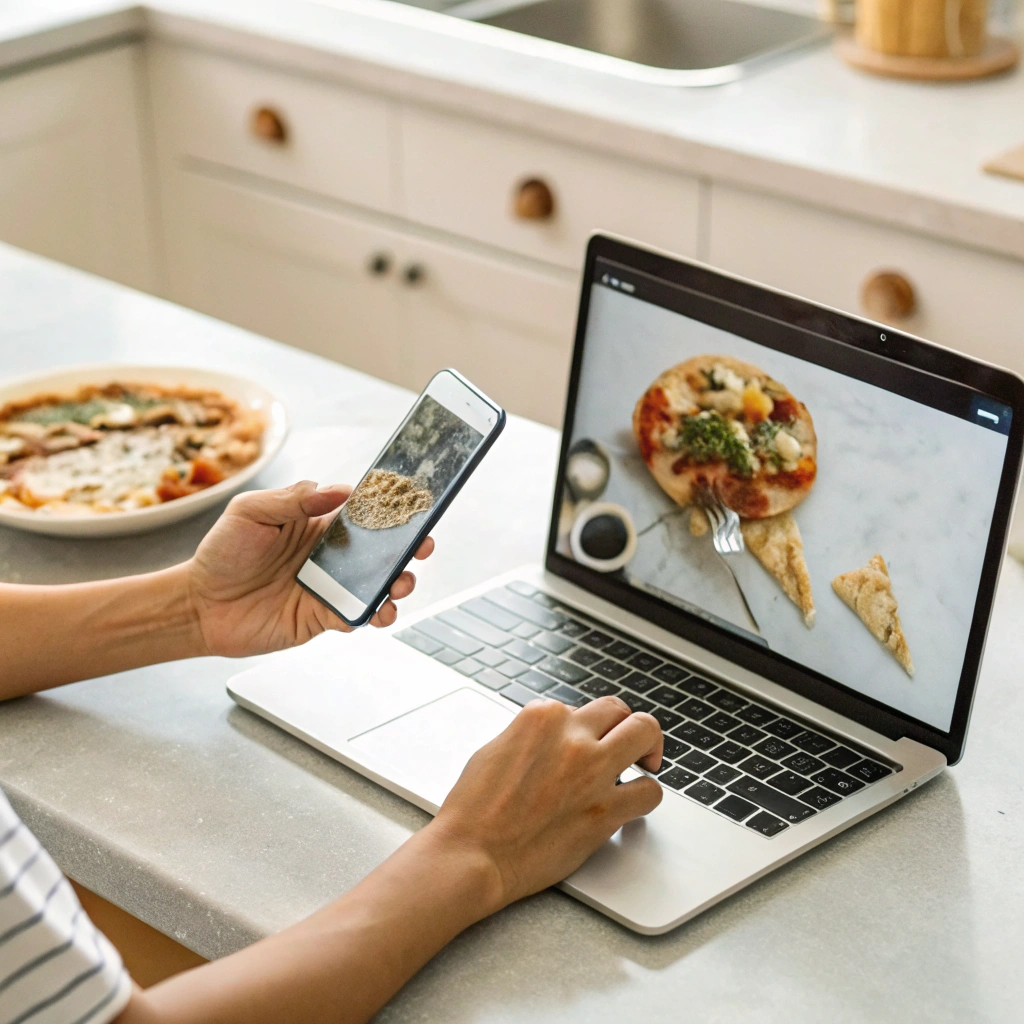
Yes, you can use restaurant gift cards online if you order directly through the restaurant’s proprietary website or official brand mobile app, but standard restaurant gift cards cannot be redeemed on third-party delivery platforms like DoorDash, Uber Eats, or Deliveroo.
Direct Merchant Portals vs. Third-Party Delivery Gateways
The restriction around online redemption comes down to payment gateway architecture:
- Direct Restaurant Ordering (First-Party Apps): When ordering through a restaurant chain’s direct website or mobile app (e.g., Starbucks, Panera Bread, Chipotle, or regional restaurant groups), the checkout screen features a dedicated “Gift Card / Voucher” field. You enter the 16-digit card number alongside the scratch-off security PIN to pay for pickup or direct in-house delivery.
- Third-Party Delivery Platforms (Aggregators): Third-party apps operate their own independent merchant billing networks. A gift card issued directly by an Italian bistro or steakhouse cannot be processed inside DoorDash or GrabFood because the delivery platform has no direct API access to the restaurant’s private gift card database. To use gift cards on delivery apps, the giver must purchase a dedicated platform gift card (such as a DoorDash or Deliveroo gift card).
Online Ordering Channel | Card Compatibility | Where to Enter Details | Operational Limitations |
|---|---|---|---|
Restaurant Direct Website | Fully Compatible | “Add Gift Card” field at checkout | Must scratch off foil backing for PIN |
Official Restaurant App | Fully Compatible | Stored in app’s digital payment wallet | Allows balance auto-reloading |
Third-Party Delivery Apps | Incompatible | Rejects proprietary restaurant cards | Requires delivery platform gift card |
Curbside Pickup by Phone | Partially Compatible | Read number over phone or scan at curb | Staff must manually input into terminal |
Why Do We Use Restaurant Gift Cards?
Are you wondering why restaurant gift cards consistently rank among the most popular gifts across birthdays, corporate holidays, and client appreciation programs? Dining cards achieve a balance between monetary utility and experiential emotion that retail goods struggle to match.
We use restaurant gift cards because they earmark funds specifically for personal enjoyment, create lasting social memories, eliminate the social stigma of cash, and provide hospitality venues with vital advance operating capital and new customer acquisition.
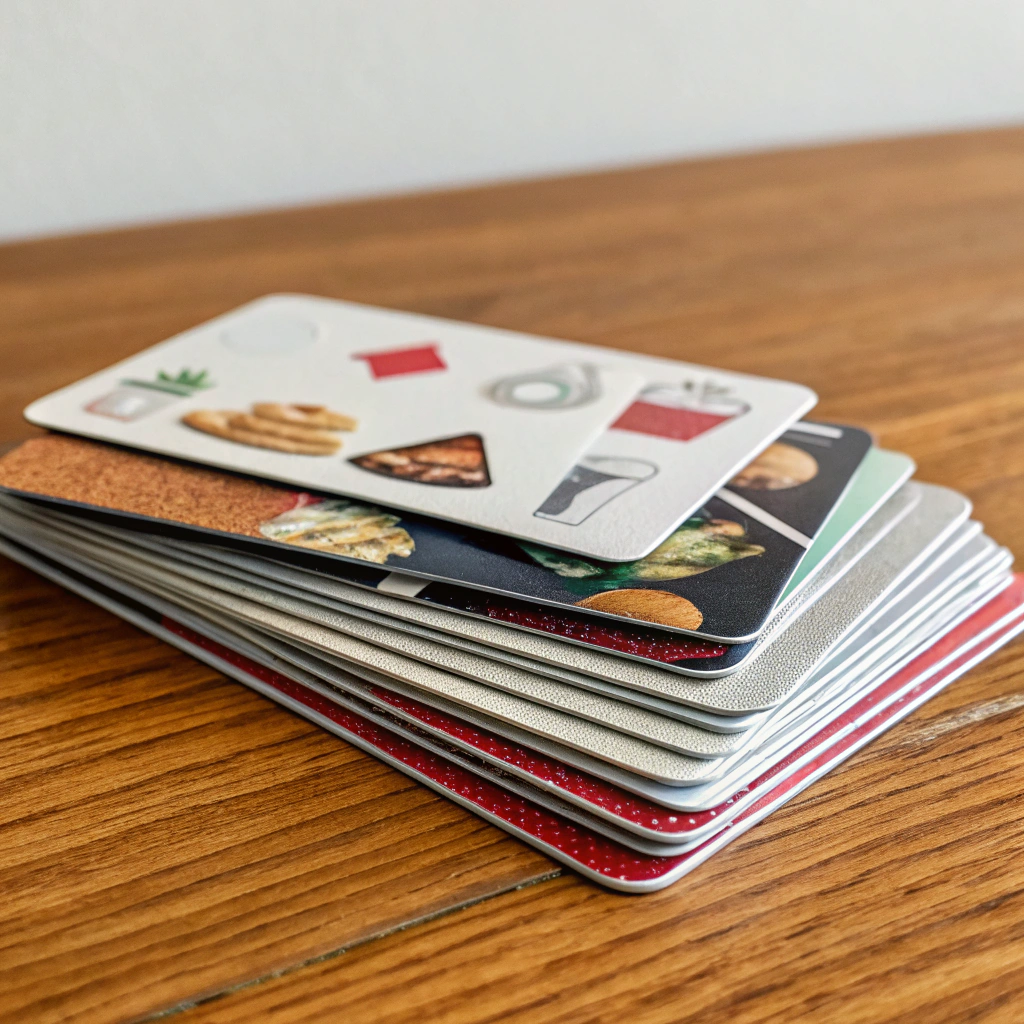
Behavioral Framing, Guilt-Free Indulgence, and Hospitality Growth
The enduring popularity of restaurant gift cards is anchored in three structural dynamics:
- Mental Ring-Fencing of Personal Indulgence: Under behavioral economics principles, individuals treat cash as fungible income that quickly disappears into everyday household bills, fuel, or credit card balances. A dining gift card acts as a mental boundary: it tells the recipient, *”This money is set aside exclusively for you to take an evening off, relax, and enjoy a meal.”* It grants emotional permission to order the extra dessert, a bottle of wine, or an appetizer without feeling financial guilt.
- Social Etiquette and Relationship Respect: Handing an envelope containing paper banknotes to an executive client, administrative assistant, or close friend can feel clinical or transactional—like paying an invoice or offering a tip. A restaurant gift card demonstrates that you know their taste and value their well-being, while still giving them total flexibility over what to order and whom to dine with.
- The Commercial Win for Local Hospitality: For restaurants, gift cards provide critical interest-free upfront working capital float during holiday seasons. Furthermore, studies consistently show that over 70% of gift card diners spend 20% to 40% more than the card’s face value out of pocket, turning a $50 gift card into an $80 table bill and introducing new loyal patrons to the venue.
Strategic Gifting Metric | Raw Cash Gift | Specific Physical Item | Restaurant Gift Card |
|---|---|---|---|
Experiential Value | Low (Absorbed by routine bills) | Moderate (A static physical object) | Exceptional (Creates a shared evening memory) |
Dietary & Schedule Risk | Zero risk | High risk (Wrong taste, size, or style) | Zero risk (Recipient chooses time & meal) |
Perceived Thoughtfulness | Often seen as impersonal | High if accurate; poor if unwanted | High (Curated category with personal freedom) |
Hospitality Economic Impact | Zero direct restaurant support | Zero restaurant support | Guaranteed foot traffic + overspend lift |
Conclusion
We use restaurant gift cards because they balance personal choice with the warmth of a shared dining experience, giving recipients the freedom to treat themselves on their own schedule while turning a simple business gesture into a memorable occasion.