Jul 8, 2026Success Stories
Why Does the PU Leather A5 Journal / Notebook Remain an Essential Branding Tool?
The PU leather A5 journal notebook remains an essential branding tool by combining premium design, everyday practicality, and customizable branding that keeps businesses visible to clients and employe
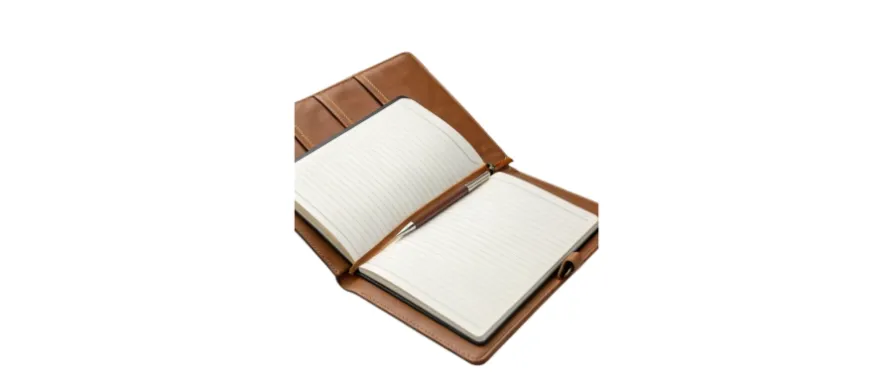
Why Does the PU Leather A5 Journal / Notebook Remain an Essential Branding Tool?
Are you tired of catching your team squinting at phone screens during meetings, or losing track of your own best business goals in a sea of endless digital notifications? Digital apps often scatter our focus instead of focusing our minds.
The PU Leather A5 Journal / Notebook solves this problem by offering a distraction-free physical space for writing, brainstorming, and long-term goal tracking. It combines an ideal portable layout with a professional, durable cover that protects your valuable insights.
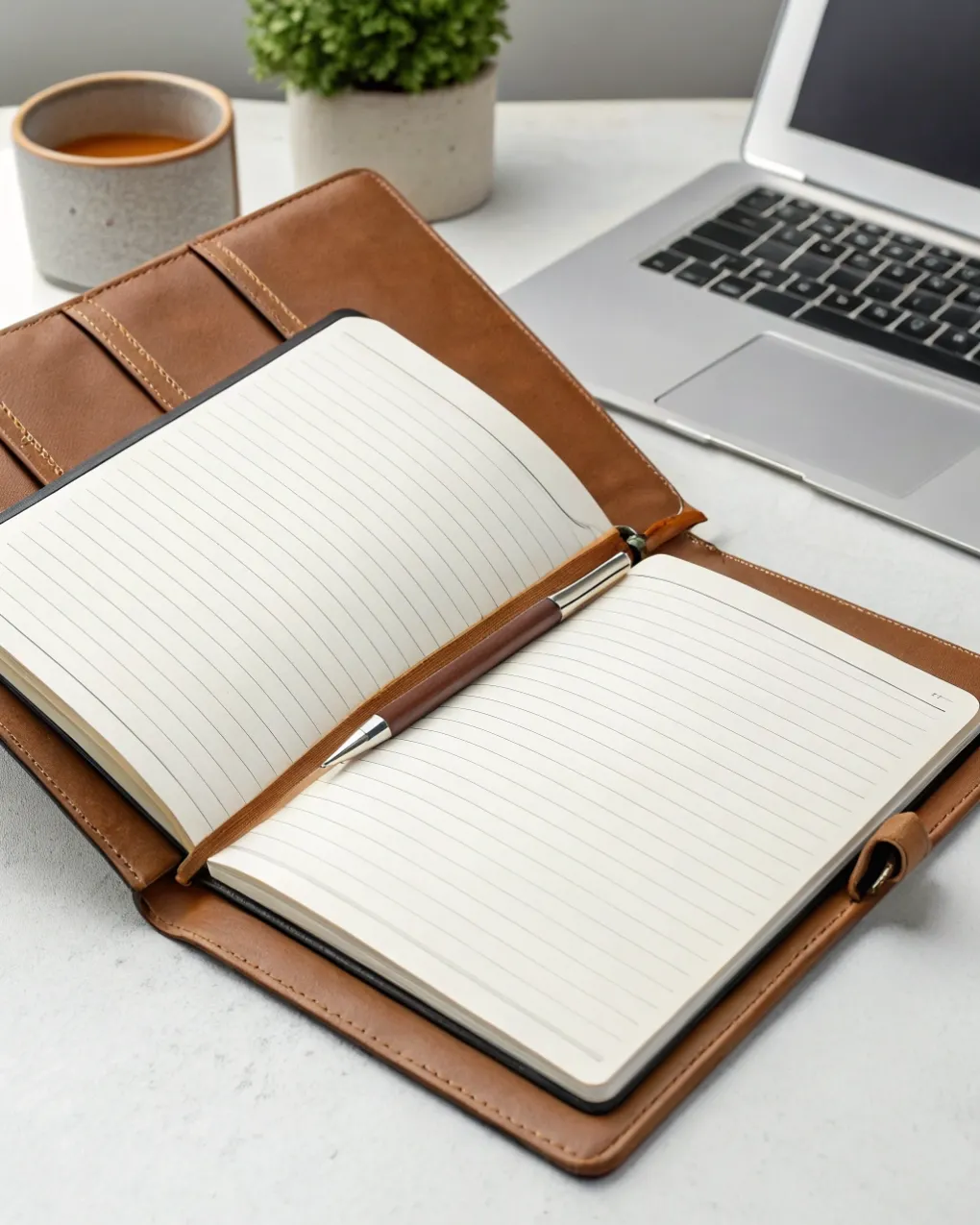
When I started my career in a printing factory, I learned that people treat a hardbound notebook with a premium cover much more carefully than a disposable notepad. Handwriting naturally slows your thinking down, forcing you to organize your thoughts and engage deeper with your creative ideas. The touch, texture, and structure of a good notebook create a feeling of serious intention before you write down a single word. A notebook does not compete with pop-up messages, making it a powerful productivity asset for corporate teams and retail clients alike. Let us look at the key dimensions and material decisions that make these notebooks a timeless corporate gift.
What Size Leather to Make an A5 Journal?
Are you trying to plan a custom manufacturing project but feel confused by all the different cutting measurements and cover styles available? Getting your leather dimensions wrong can leave your notebook cover feeling too tight to close properly or looking sloppy.
The exact size of leather needed to make a standard hardback A5 journal wrap is roughly 320 millimeters wide by 225 millimeters high. This measurement covers the front panel, the rear panel, the spine thickness, and the necessary margins needed to wrap around the internal cardboard covers.
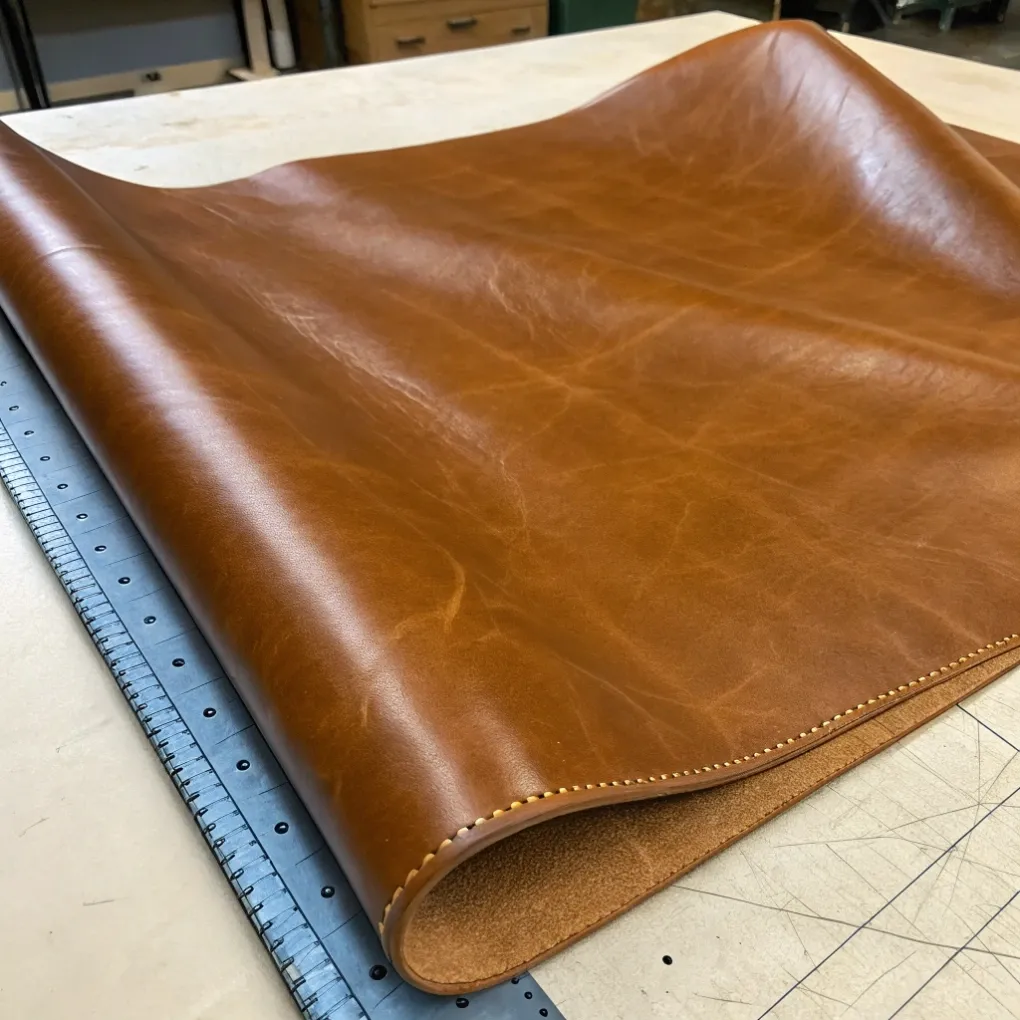
In my experience building custom corporate gifts at Latitude, the spine width is the main detail that factory designers must calculate carefully. The total thickness depends entirely on your total page count and the weight of the interior paper sheets you choose for the notebook. For example, a standard one hundred-page notebook using thick premium paper requires a wider spine allowance than a thinner sketch pad. If you are designing a loose removable cover jacket instead of a fixed hardback, you also need to add extra material for the inner folding pockets. I have organized the standard flat manufacturing cut sizes below to help your design team plan your material usage.
Flat Cut Dimensions for A5 Journal Covers
Cover Attachment Style | Paper Sheet Count | Required Flat Width | Required Flat Height | Manufacturing Purpose |
|---|---|---|---|---|
Standard Hardcover Wrap | 100 Sheets (80 GSM) | 320 Millimeters | 225 Millimeters | Glues directly to rigid internal grayboards |
Thick Hardcover Wrap | 120 Sheets (100 GSM) | 328 Millimeters | 225 Millimeters | Accommodates a wider spine structure |
Removable Jacket Cover | Fits standard A5 block | 460 Millimeters | 222 Millimeters | Includes side flaps to slide over booklets |
Flexible Softcover Wrap | 80 Sheets (80 GSM) | 315 Millimeters | 220 Millimeters | Lightweight, flexible, low-profile design |
Measuring these dimensions accurately before production ensures your journals open smoothly, lay completely flat on a desk, and look highly professional.
Is A5 Good for Journaling?
Are you wondering if an A5 notebook is actually practical for daily use, or if your employees will find it too bulky to carry around? Choosing a notebook that is either too large or too tiny often leads to it being left inside a drawer.
A5 is widely considered the absolute best size for journaling because it strikes a perfect balance between writing surface area and daily portability. It offers plenty of room for complex mind maps and structured meeting notes while fitting easily inside standard work bags.
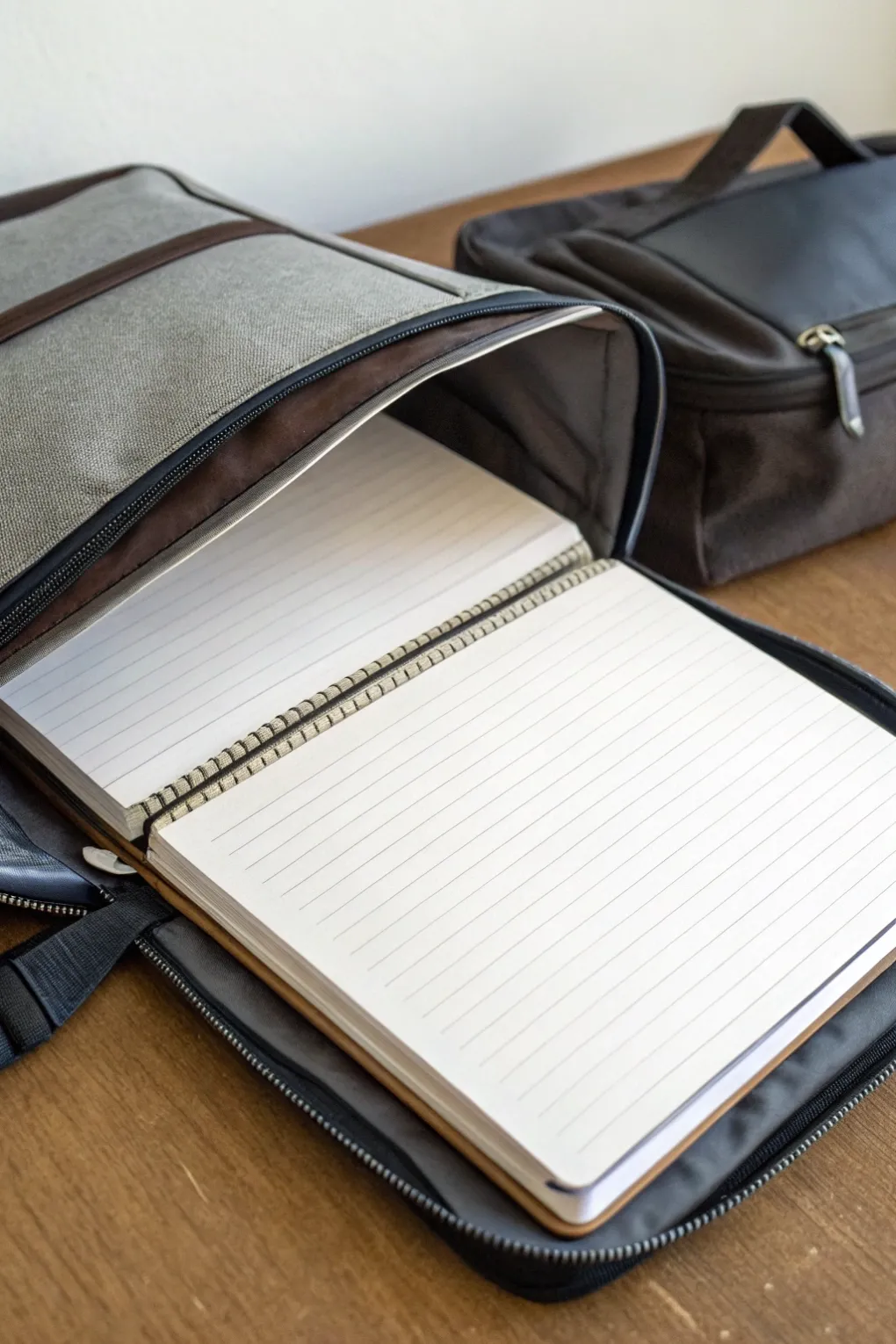
When I carry my personal journal around Singapore for client meetings, I always choose an A5 layout over larger office ledgers or tiny pocket pads. A larger page can feel intimidating to fill out when you just want to jot down a few quick daily priorities or action steps. Conversely, pocket notebooks do not provide enough physical width for comfortable hand placement, forcing your hand off the page as you write. The international A5 standard fits beautifully on crowded coffee shop tables, airplane trays, and compact modern office desks. Let us see how the A5 layout directly compares to other common paper sizes used in business today.
Paper Size Comparison for Daily Use
Paper Size Standard | Flat Dimensions | Portability Rating | Available Writing Space | Best Real-World Application |
|---|---|---|---|---|
A4 Size (Large) | 210 x 297 Millimeters | Low, requires large bags | Very High, massive sheets | Classroom lectures, detailed desk blueprints |
A5 Size (Medium) | 148 x 210 Millimeters | High, fits most backpacks | Balanced, ideal for paragraphs | Corporate diaries, executive planning |
A6 Size (Small) | 105 x 148 Millimeters | Very High, pocket-sized | Low, fills up very quickly | Quick grocery lists, field notes, travel ideas |
B5 Size (Intermediate) | 176 x 250 Millimeters | Medium, sits on desk | High, good for sketch projects | Bullet journaling, creative art journaling |
Selecting the intermediate A5 framework ensures your target audience will actually use your custom notebook every single day, keeping your brand visible.
What Is the Best Leather for Journals?
Are you feeling torn between expensive genuine animal hides and synthetic covers when looking for custom merchandise for your business? Many buyers make the mistake of choosing materials that stain easily or warp when exposed to moisture.
The best leather for commercial corporate journals is high-quality PU (polyurethane) leather because it offers excellent water resistance, pristine customization options, and deep structural durability. It perfectly mimics the premium look of genuine hide at a fraction of the cost.
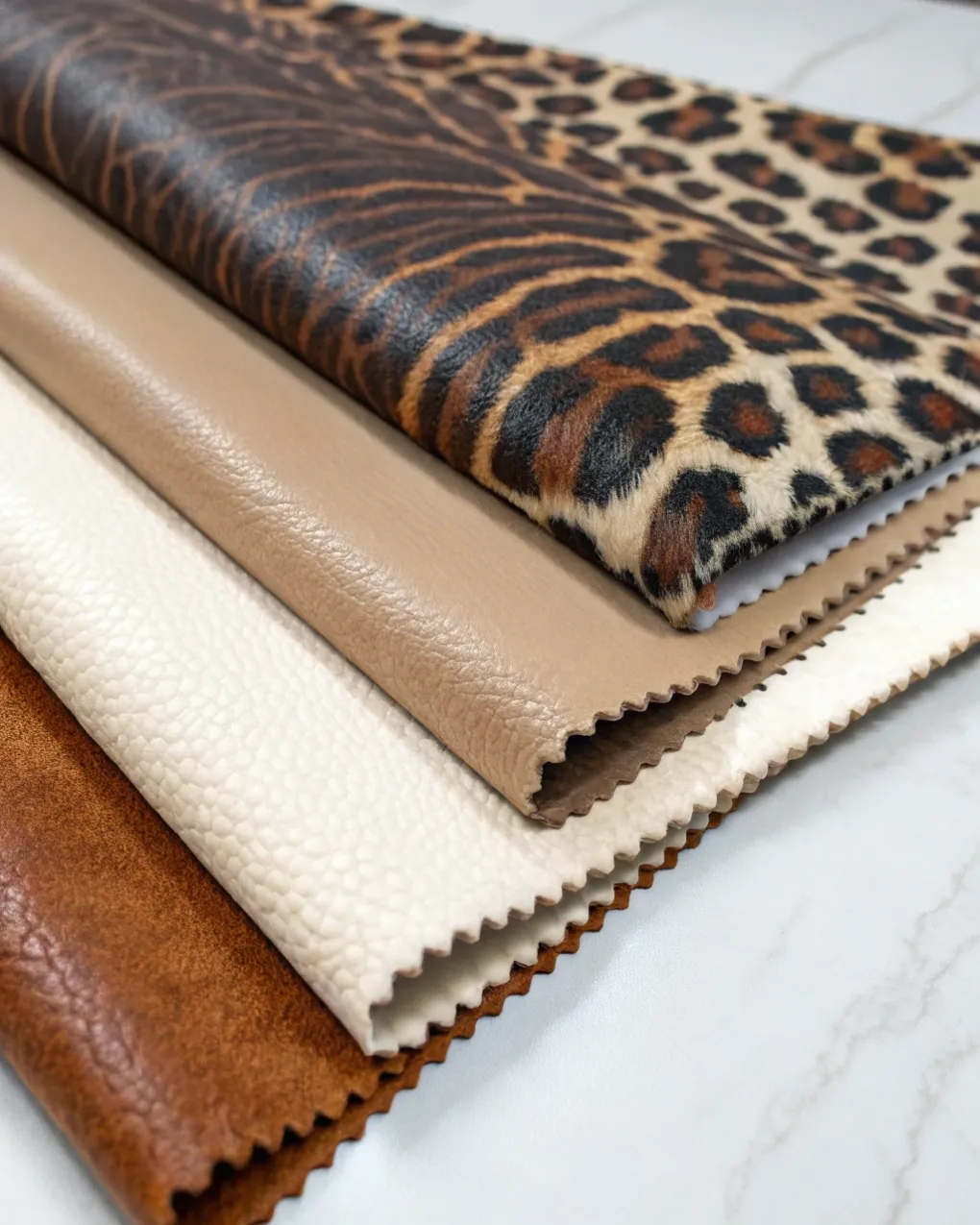
I remember a corporate client who wanted real premium cowhide for an outdoor team building event notebook. The real leather ended up staining badly from water splashes and added unnecessary weight to their gear packs. We helped them switch to a thermo-reactive PU leather cover for their next project, which completely solved their problem. Thermo PU is an incredible engineering material because it changes color beautifully when stamped with a hot branding iron, leaving a crisp, dark, three-dimensional logo imprint. It resists daily wear, wipes clean easily with a damp cloth, and allows you to choose from hundreds of textures and colors. Let us examine the practical differences between common journal cover materials.
Cover Material Characteristics
Leather Material Type | Visual Luxury Style | Customization Methods | Weather Resistance | Relative Cost Factor |
|---|---|---|---|---|
Thermo PU Leather | Modern premium look | Deep debossing, color change | High, resists stains and spills | Highly cost-effective |
Standard PVC Faux | Glossy, synthetic texture | Screen printing, basic foil stamp | High, easy plastic wipe | Low, budget-friendly |
Genuine Full-Grain | Vintage, organic texture | Light stamping, laser engraving | Low, absorbs oils and water | Very High, luxury tier |
Recycled Bonded Leather | Matte, rustic fiber texture | Foil stamping, blind debossing | Medium, needs gentle care | Medium, eco-conscious |
By choosing high-grade PU leather for your custom notebooks, you give your team a resilient, professional, and sophisticated tool that protects their thoughts for years.
Conclusion
The PU Leather A5 Journal remains a powerful productivity tool because it removes digital distractions, fits seamlessly into active daily travel schedules, and preserves corporate knowledge in a durable form.