Sep 14, 2026Services Overview
Why Don't We Use Brown Paper Bags for Shopping Anymore?
Explore why brown paper bags became less common for shopping and how plastic, cost, durability, convenience, and sustainability shaped modern retail packaging choices.
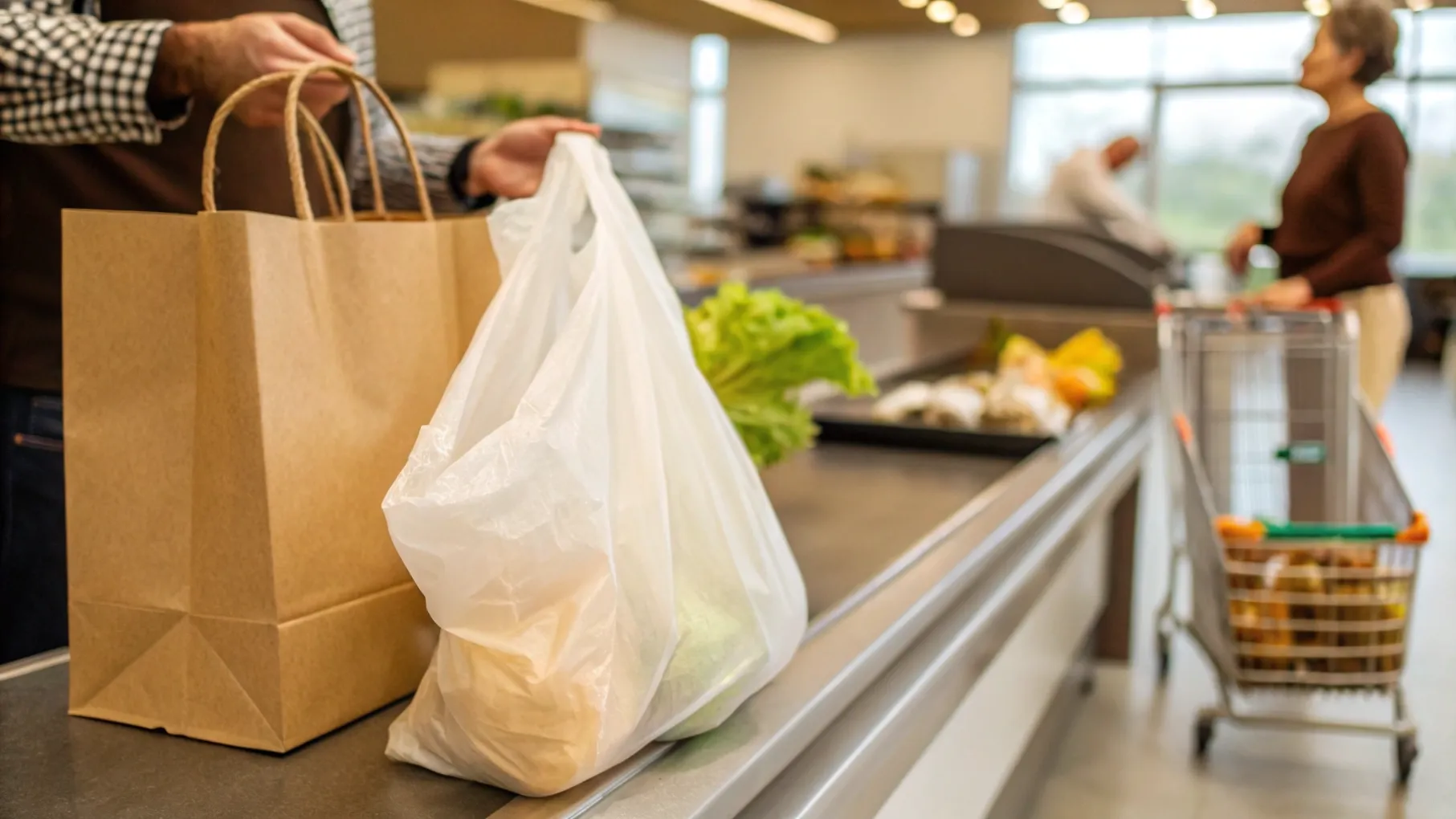
Why Don't We Use Brown Paper Bags for Shopping Anymore?
Shoppers often wonder why sturdy brown sacks disappeared from grocery lanes. Carrying wet, heavy goods in untreated paper caused split bottoms, dropped groceries, and frustrated customers.
We stopped using brown paper bags universally because lightweight plastic offered water resistance, compact storage, and lower production costs. Today, brown kraft bags have returned as premium retail packaging rather than general grocery carriers.
During my early printing factory days, I watched retail packaging shift from utility sacks to cheap plastic film. Today, marketing managers like Jacky balance sustainability, cost, and presentation. Understanding why paper declined helps brands deploy modern packaging effectively.
What to Do with Brown Paper Shopping Bags?
Tossing thick kraft paper bags into household trash creates unnecessary waste. Many consumers store stacks of bags in kitchen corners without practical reuse plans.
You can reuse brown paper shopping bags as compostable trash liners, sturdy gift wrap, parcel void-fill padding, weed barriers in home gardens, or kitchen organizers for dry root vegetables.
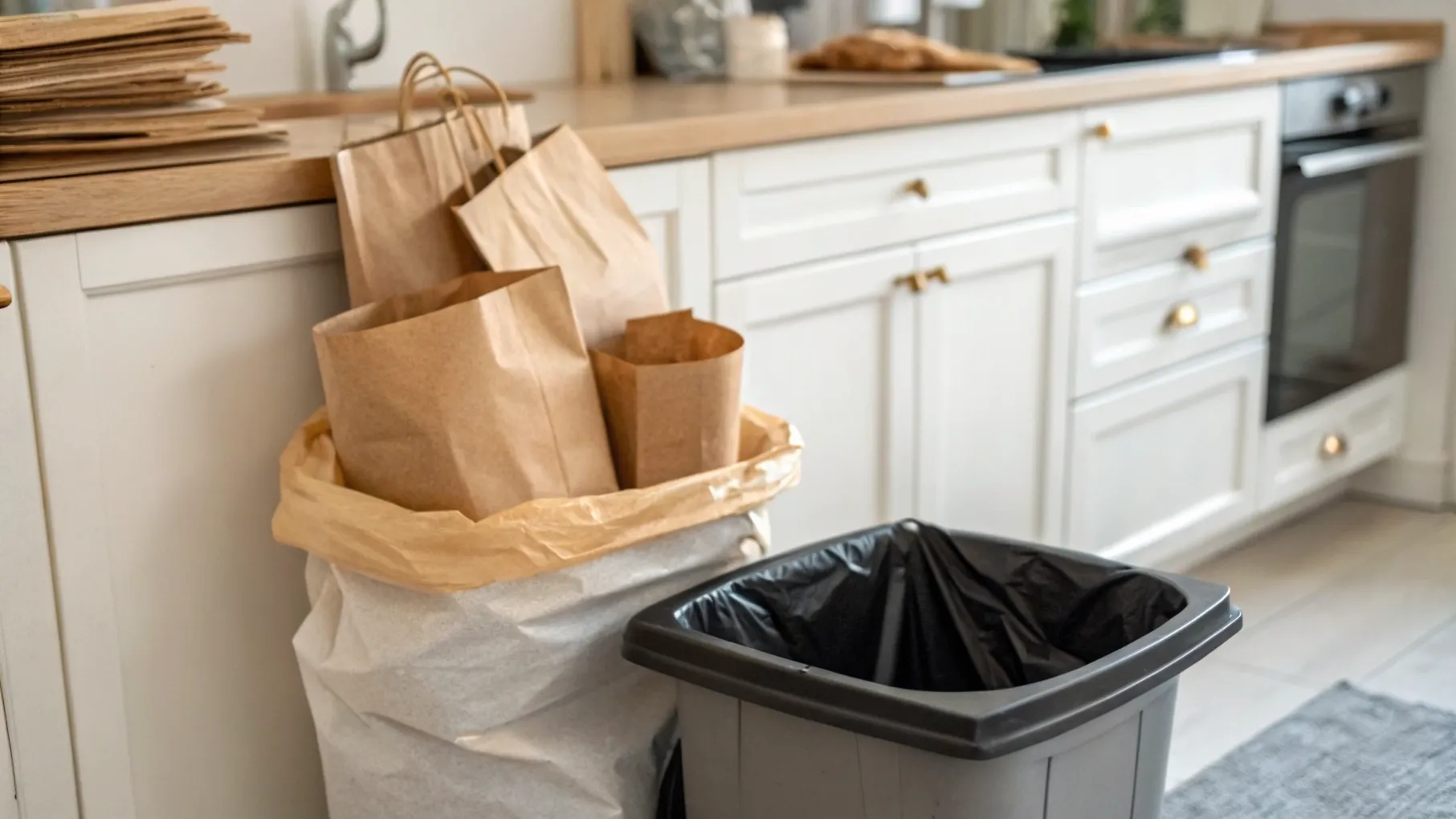
Practical Household and Business Repurposing
At Latitude, we evaluate packaging lifecycle from factory press to household disposal. A well-constructed kraft paper bag retains strength long after leaving the retail counter. In home pantries, unbleached kraft paper absorbs ambient moisture without shedding microplastics. This makes heavy paper sacks ideal for storing dry potatoes, onions, and garlic in cool spaces.
For small business shipping, shredded brown kraft paper serves as an excellent replacement for plastic bubble wrap. Folding the paper creates textured cushioning that protects glass bottles and corporate gifts during local courier runs. In outdoor gardening, unprinted kraft paper acts as a natural weed suppressor. Gardeners lay flat sheets over garden soil and cover them with organic mulch. The unbleached fibers break down into organic matter over several months without leaving toxic chemical residues behind.
Repurposing Method | Preparation Needed | Best Bag Type | Practical Benefit |
|---|---|---|---|
Composting & Mulching | Remove handles and tape | Uncoated, unprinted kraft | Decomposes naturally into clean soil |
Shipping Void-Fill | Cut or shred into strips | Heavyweight 120+ GSM kraft | Replaces non-recyclable plastic bubble wrap |
Gift & Parcel Wrapping | Cut open flat along seams | Smooth printed or plain bags | Provides rustic aesthetic with twine ties |
Kitchen Storage | Roll down top collar | Gusseted block-bottom bags | Extends dry pantry vegetable freshness |
Why Did They Stop Making Paper Bags?
Many shoppers believe factories completely halted brown paper bag production. In reality, supermarkets swapped them for plastic options to cut shipping bulk and register storage space.
Manufacturers never stopped making paper bags entirely; rather, supermarkets replaced them in the 1980s with cheaper, waterproof single-use polyethylene plastic bags that occupied far less storage space behind cash registers.
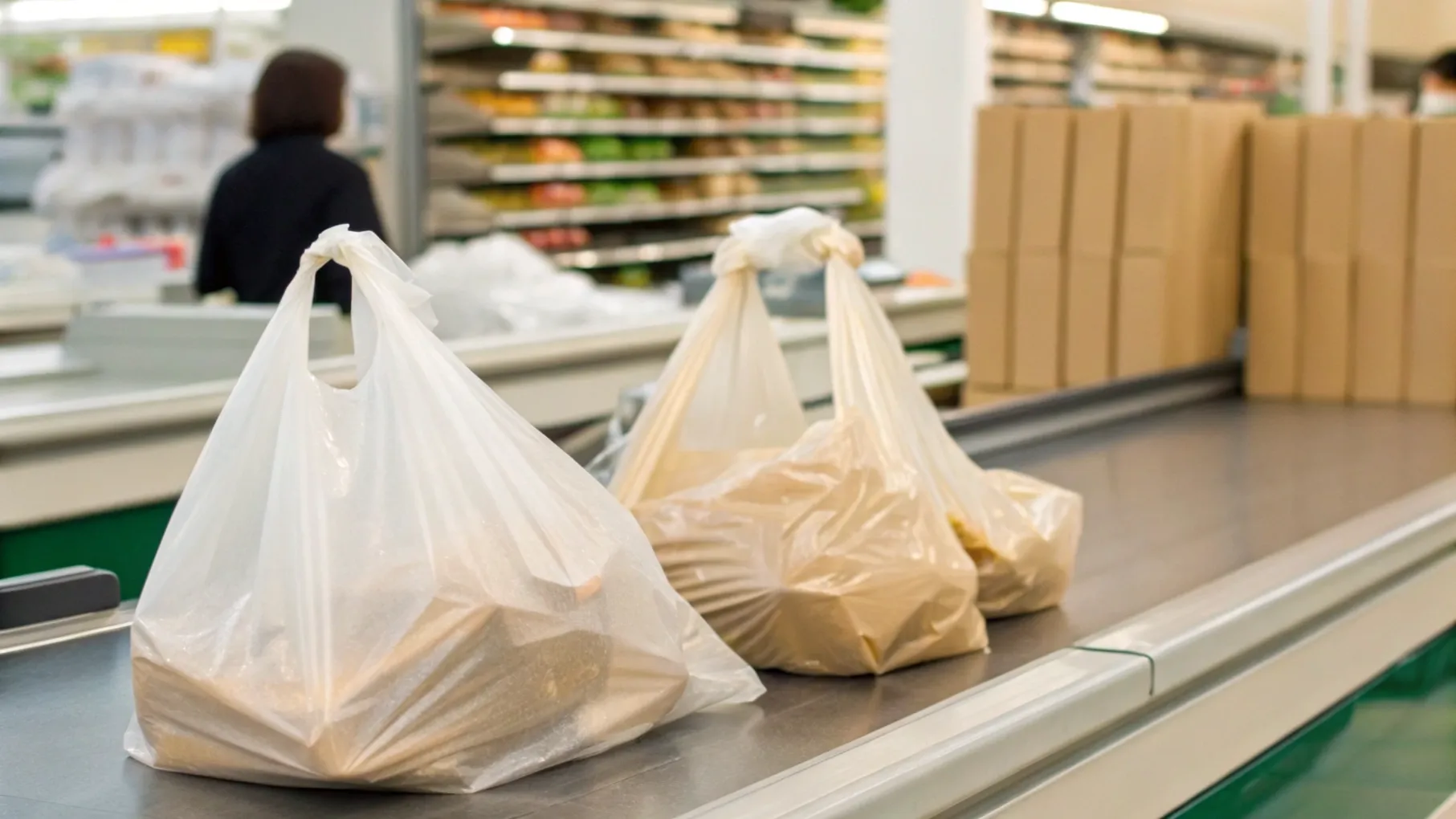
The Industrial Shift Toward Plastic Convenience
When I studied packaging production lines, the physical logistics between materials became obvious. A box holding one thousand thin plastic bags takes up tiny space under a checkout counter. That same quantity of flat kraft paper sacks requires multiple massive shipping cartons. For high-volume supermarket chains, paper bags demanded immense warehouse space and frequent truck restocks. Cashiers also struggled to open stiff flat-bottom paper sacks quickly during peak rush hours.
Plastic t-shirt bags solved those operational friction points instantly. They resisted wet condensation from milk cartons, cost a fraction of a cent per piece, and pulled open rapidly. However, that transition created massive environmental waste. Today, modern regulations and consumer values have reversed this trend. Factories have modernized paper production with recycled pulp, automated handle glues, and renewable water-based inks to meet commercial retail demand.
Production Factor | Traditional Brown Paper Sack | Polyethylene Plastic Bag | Modern Handled Kraft Carrier |
|---|---|---|---|
Unit Production Cost | Moderate ( | Extremely Low ( | Controlled ( |
Moisture Durability | Very poor without coating | High natural water resistance | Reinforced base with water-based barriers |
Storage Volume | Bulky (large warehouse pallet footprint) | Ultra-compact (packs tightly in boxes) | Moderate (collapsible flat gussets) |
Recycling Potential | High curbside paper recycling rate | Very low commercial recycling rate | High circular economy compatibility |
Why Hang a Brown Paper Bag Over Your Door?
Nesting wasps and hornets build aggressive hives near porch ceilings and doorframes. Homeowners often search for non-toxic pest deterrents to avoid spraying dangerous chemical insecticides near home entryways.
Hanging an inflated brown paper bag over your door deters wasps because it mimics a rival hornets' nest; wasps are territorial and naturally avoid building nests near competing colonies.
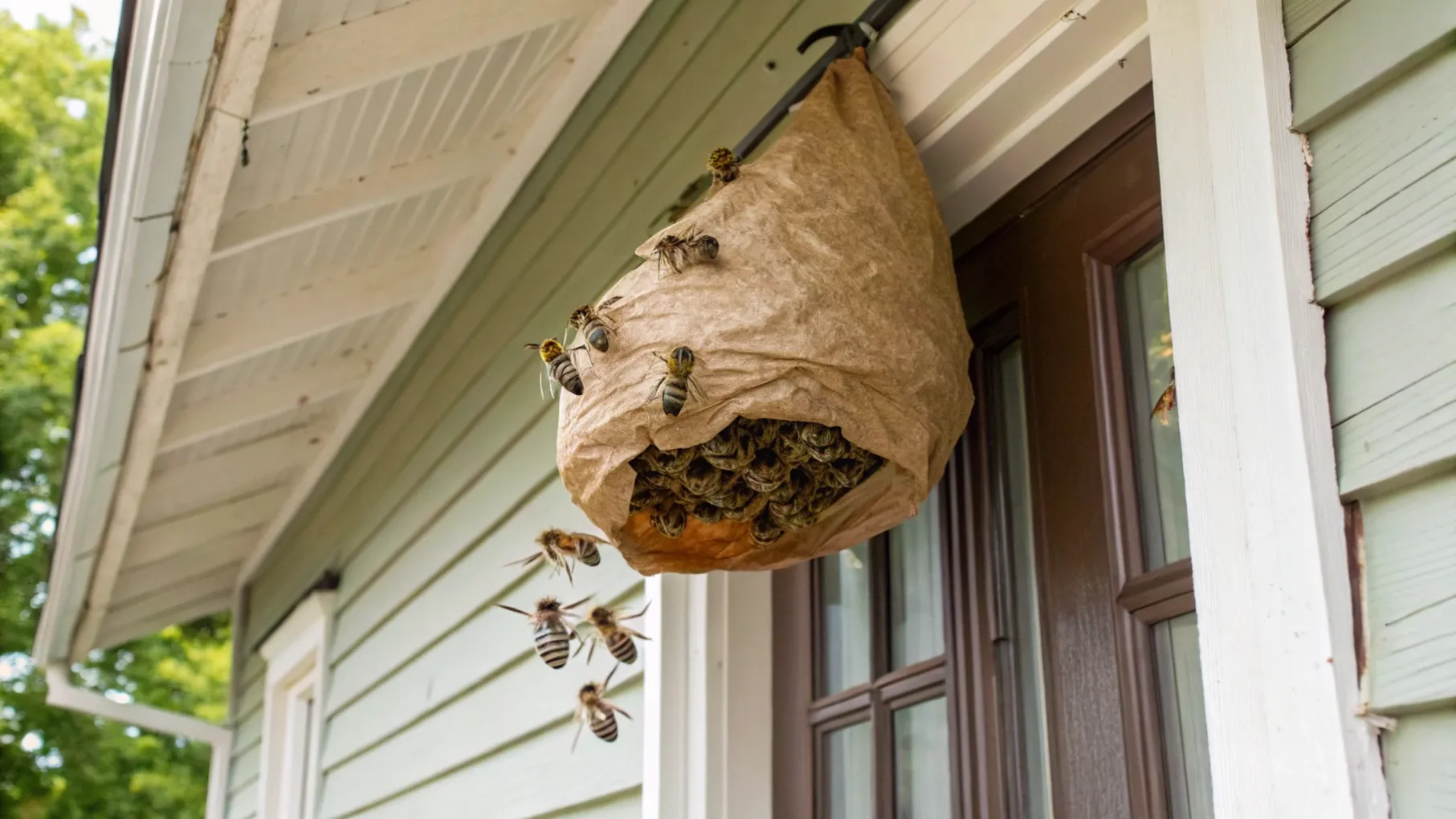
The Science Behind the Visual Hornet Deterrent
This simple household hack works because paper reflects natural insect nest textures. In the wild, hornets and paper wasps build nests from chewed wood pulp, which dries into a matte grayish-brown surface. Many wasp species exhibit strict territorial behavior. When scout wasps hunt for new nesting locations in early spring, they inspect potential overhangs, porch lights, and door frames. If a scout spots an established gray or brown paper dome, it assumes another active colony controls that immediate feeding territory.
To make this trick work, crumble a medium brown grocery sack to create natural paper wrinkles, inflate it with air, twist the top neck, and hang it under your entryway eaves. While this method does not remove an existing active hive, it provides a safe, chemical-free preventive measure during seasonal nest-building months.
Pest Control Method | Upfront Expense | Chemical Safety | Wildlife Impact | Effectiveness Window |
|---|---|---|---|---|
Inflated Brown Paper Bag | Virtually zero ($0) | Completely non-toxic | Harmless visual deterrent | Early spring nest-prevention stage |
Chemical Aerosol Spray | | High toxic chemical risk | Kills beneficial pollinator insects | Active emergency extermination only |
Commercial Plastic Decoy | | Safe plastic shell | Non-biodegradable synthetic waste | Multi-year outdoor seasonal use |
Electronic Ultrasonic Repeller | | Non-toxic electronic tool | Ineffective against flying insects | Highly inconsistent field results |
Conclusion
Brown paper bags never disappeared; they evolved from cheap grocery sacks into intentional retail branding tools. Use them where natural texture, strength, and recyclability create lasting value.