Jul 15, 2026News & Insights
Why Don’t We Use Metal Ice Cububes Instead of Water Ones?
Metal ice cubes are safe and reusable, but water ice cools drinks better through melting. Metal cubes suit premium spirits, while silicone trays offer healthier freezing options.
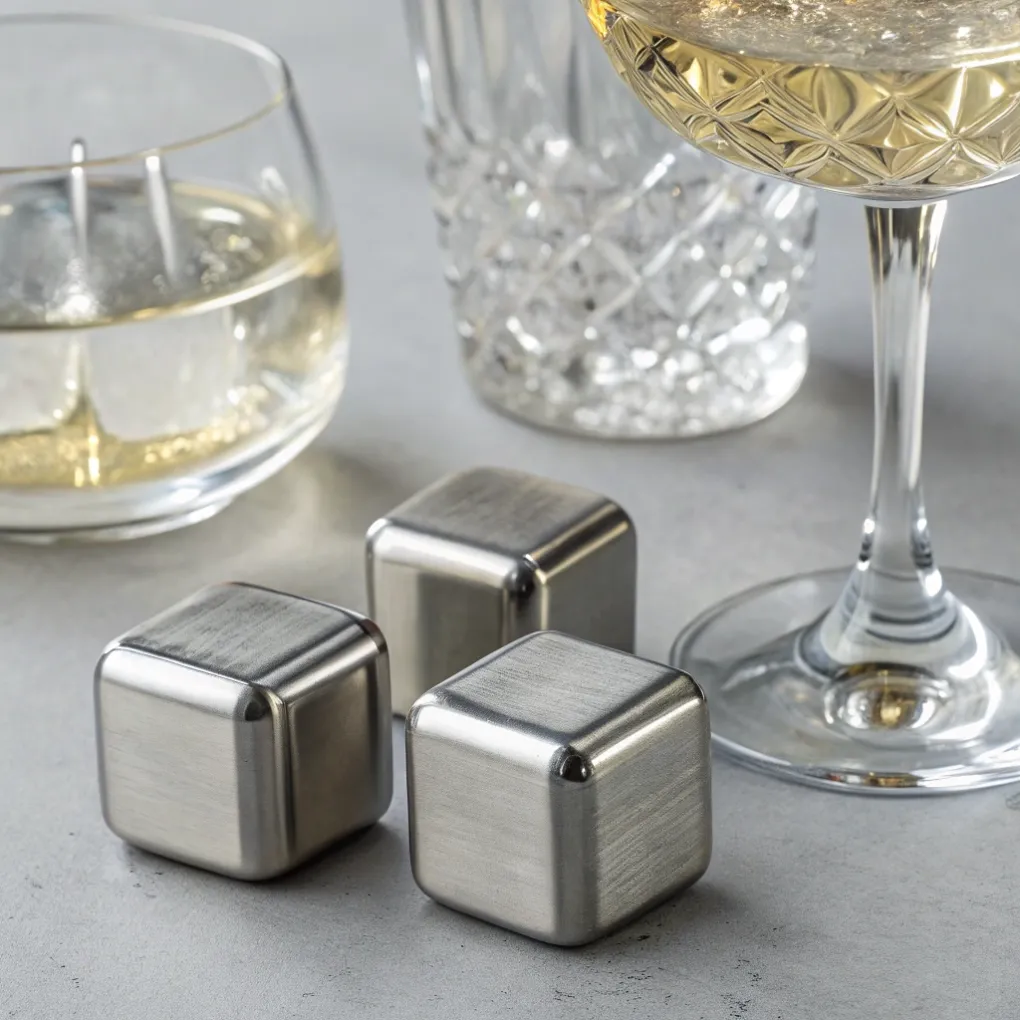
Why Don’t We Use Metal Ice Cububes Instead of Water Ones?
Are you tired of watching your favorite premium iced coffee, fine spirits, or fruit juices turn into a watery, tasteless mess because your traditional ice cubes melt way too quickly in the summer heat?
We do not use metal ice cubes instead of water ones for everyday drinks because melting water absorbs significantly more thermal energy than a chilled piece of solid metal. Ordinary ice cools a beverage much faster and holds that cold temperature longer through the scientific process of melting.
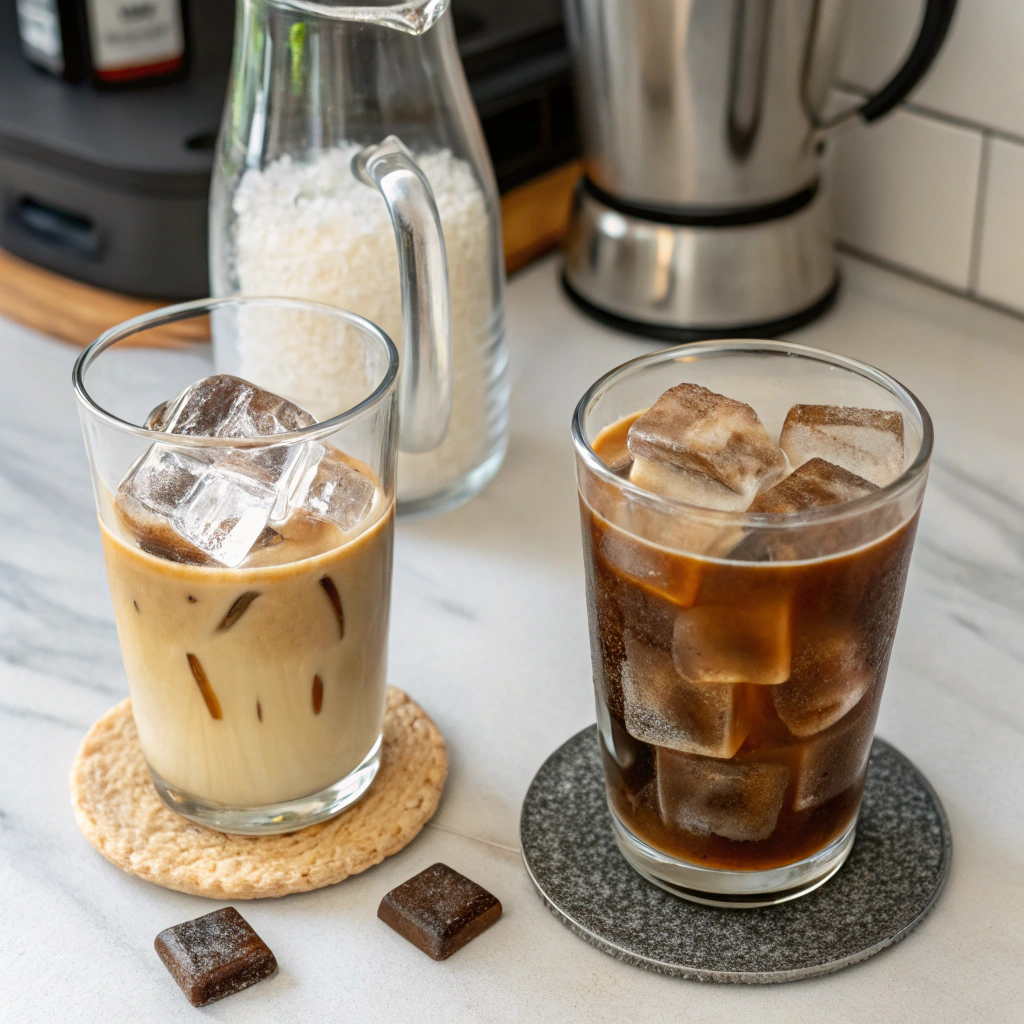
I started my career working directly on a busy printing factory floor, managing industrial production runs and checking thermal cooling rates on heavy machinery under tight daily schedules. That industrial manufacturing experience taught me that how materials transfer heat dictates exactly how they perform in the real world, whether you are cooling down a massive printing press or a casual evening beverage. Later, I established Latitude Experience Pte Ltd to help forward-thinking branding managers select premium, highly functional corporate lifestyle gifts that deliver genuine daily utility. I know that choosing between high-tech novelties and simple traditional tools can be highly confusing. Let us break down the exact thermodynamics, material safety limits, and daily habits to help you understand the true science of cooling.
Why Don’t We Use Metal Ice Cubes?
Do you find yourself wondering why high-end retail stores push reusable stainless steel chilling blocks when almost everyone still sticks to basic water ice cubes at home?
We do not use metal ice cubes universally because their cooling performance drops sharply once the metal warms up to match the liquid. Traditional ice continues to absorb massive amounts of drink heat during its entire physical transition from solid to water.
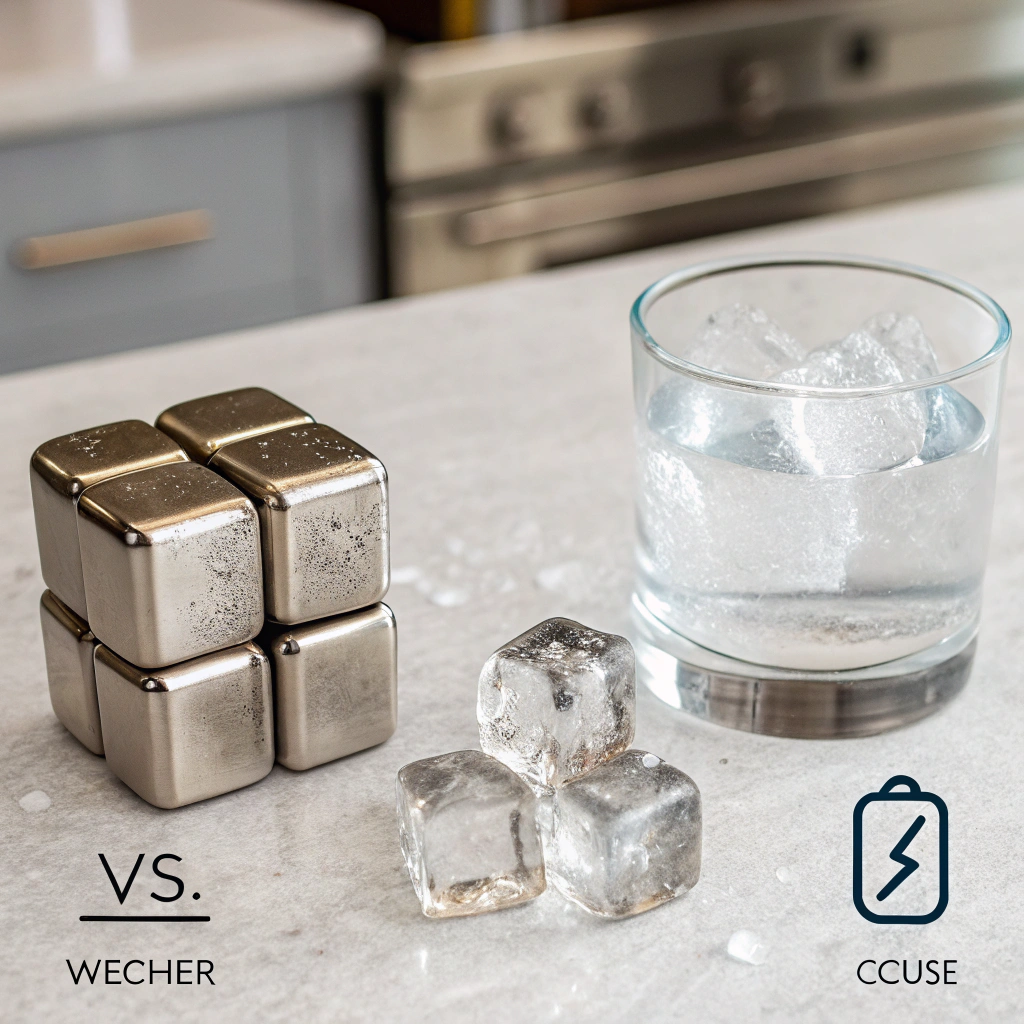
From my perspective, the choice between these two cooling formats comes down to a fascinating scientific principle called latent heat of fusion. When a water ice cube melts, it requires an immense amount of environmental energy just to break its solid crystalline bonds. This means it aggressively sucks heat out of your warm soda or water, keeping the drink ice-cold until the very last shred of ice disappears. A solid stainless steel cube cannot melt; it can only absorb heat until its internal temperature matches the surrounding fluid. Once that quick equalization happens, its cooling power stops completely, often leaving your large beverage lukewarm.
Let us examine how metal chilling blocks stack up against standard water ice across everyday usage categories.
Chilling Cube Category | Primary Cooling Method | Dilution Risk to Beverage | Post-Use Maintenance Needed |
|---|---|---|---|
Water Ice Cubes | Latent heat absorption (Melting) | High (Melted water thins flavor) | Zero (Rinses down the kitchen drain) |
304 Stainless Steel | Sensible thermal conduction | Zero (Solid sealed metal shell) | High (Requires washing and drying) |
Natural Soapstone Rocks | Low thermal conduction | Zero (Porous mineral block) | High (Can retain old beverage smells) |
Selecting for True Beverage Intent
When Jacky sources premium corporate gifts for hospitality clients, I always remind him that specialty tools are built for specific environments. Metal cubes are not meant to chill a giant cup of afternoon water during a commute. They are precision instruments designed for small volumes of high-end spirits, like premium whiskey or craft cocktails, where adding even a single drop of water ruins the complex flavor profile. For everyday hydration, the extended cooling power of melting ice remains completely superior.
Are Metal Ice Cubes Bad for You?
Are you worried that dropping solid metal squares into your delicate glassware will leach dangerous heavy metals into your mouth, split your teeth, or shatter the glass?
Premium metal ice cubes are completely safe for your health if they are manufactured from certified 304 food-grade stainless steel. They are entirely non-toxic, rust-proof, and sealed with an internal non-toxic gel that enhances temperature retention.
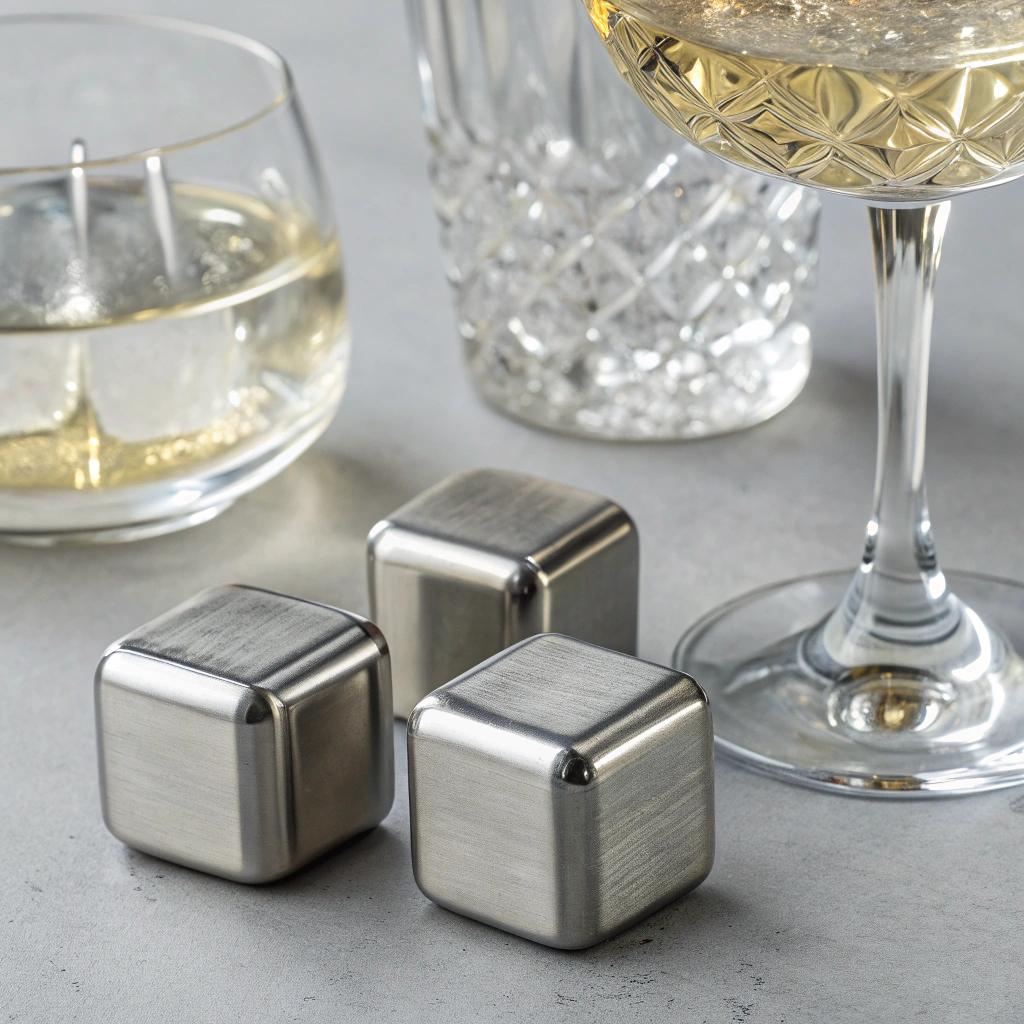
In my years of auditing material standards and custom product logistics, I have learned that manufacturing quality dictates safety. High-quality reusable cubes use the exact same food-safe steel alloy found in commercial kitchen cutlery and premium insulated travel flasks. The inner chamber is filled with a sealed mixture of purified water and food-grade ethanol, which freezes much faster than solid steel alone. The real danger of metal cubes is entirely physical rather than chemical. Because these blocks are heavy and hard, clinking them quickly against fine crystal glassware can crack the container, and tipping your glass back too fast can cause a heavy block to slide forward and chip your front teeth.
Let us break down the practical pros and cons of utilizing stainless steel blocks in your drinkware.
Product Quality Grade | Internal Cooling Core | Primary Physical Advantage | Main Safety Risk to Watch |
|---|---|---|---|
Certified 304 Steel | Non-toxic thermal liquid gel | 100% rust-proof and flavor neutral | Heavy weight can scratch delicate glass |
Low-Grade Metal Imports | Basic tap water or hollow air | Low initial retail cost | Corrosive weld seams can leak fluid |
Untreated Soapstone | Solid rock mineral | Soft texture will not scratch glass | Porous surface can trap deep bacteria |
Proper Reusable Handling Habits
If you choose to use metal chilling stones, you must treat them with the exact same care you give to premium kitchen tools. Never drop them loosely into a glass from a high distance; slide them in gently with tongs to prevent fracturing the base of the container. After you finish your drink, wash the cubes immediately with warm water and mild dish soap, dry them completely with a clean towel, and store them inside a sealed pouch in your freezer. Leaving them damp inside the freezer allows them to absorb unwanted frost odors from surrounding frozen foods, which will ruin the taste of your next drink.
What Is the Healthiest Type of Ice Cube Tray?
Are you trying to eliminate toxic bisphenols, microplastics, and brittle chemical stabilizers from your home freezer to protect your family’s long-term wellness?
The healthiest types of ice cube trays are manufactured from certified food-grade silicone or food-grade 18/8 stainless steel. Both materials are completely non-porous, stable at low temperatures, and free from plasticizers.
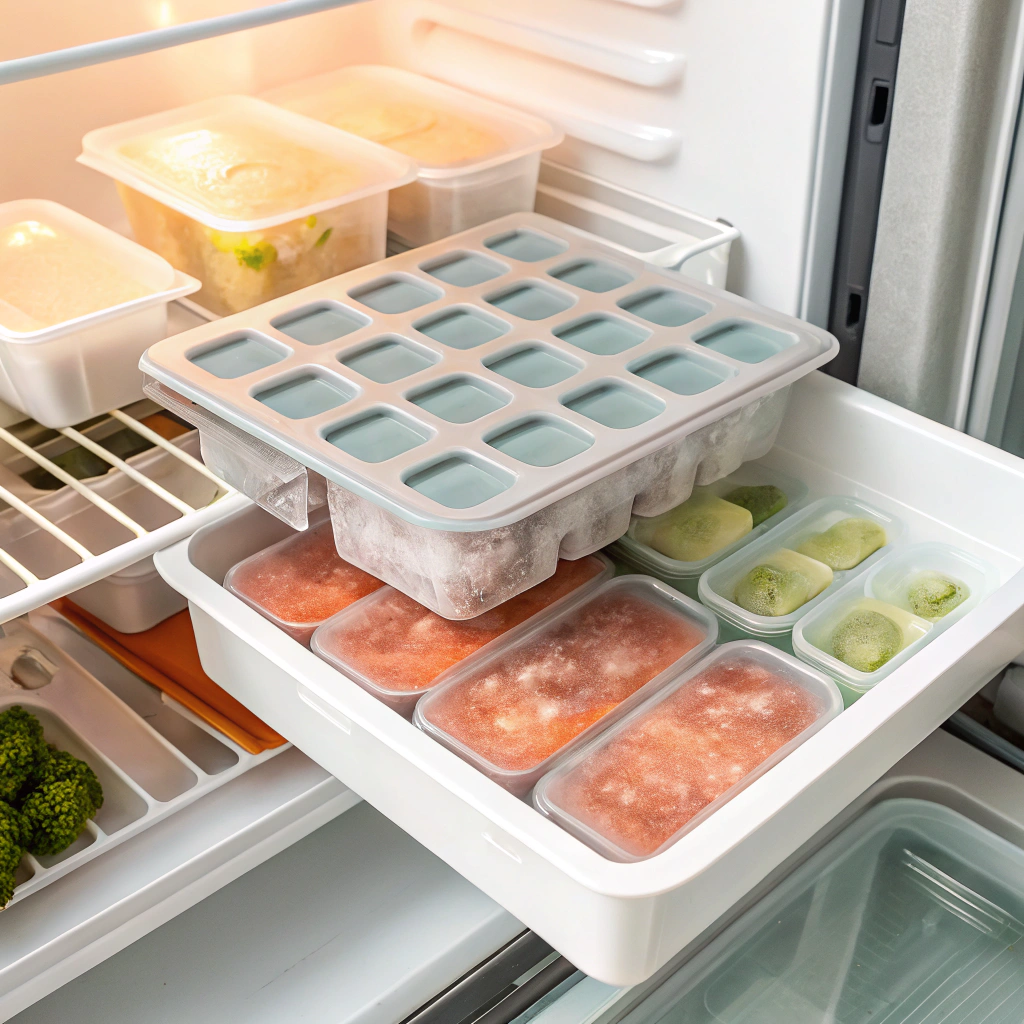
When managing custom molding runs on the factory printing floor, I learned that flexible synthetic materials behave in vastly different ways depending on temperature shifts. Cheap utility plastic ice trays are often loaded with chemical softeners to stop the plastic from cracking when frozen. Over time, these stabilizers degrade, allowing microscopic plastic particles and chemical residues to leach directly into the water you freeze. Switching to a platinum-cured silicone tray or a classic vintage-style steel tray removes this toxic exposure entirely. These premium options provide a perfectly sterile, clean surface that keeps your ice cubes tasting crisp, fresh, and free of chemical contamination.
Let us evaluate the primary safety and usability metrics of modern ice tray formats.
Ice Tray Material Base | Chemical Safety Rating | Ice Cube Removal Style | Lifetime Product Durability |
|---|---|---|---|
Food-Grade Silicone | Excellent (No plasticizers) | Easy (Pop out individual cubes) | High (Will not crack or warp) |
18/8 Stainless Steel | Excellent (Inert mineral alloy) | Moderate (Uses a vintage lever pull) | Maximum (Indestructible build) |
Cheap Rigid Plastic | Poor (High risk of leaching) | Hard (Requires twisting and bending) | Low (Snaps easily when frozen cold) |
Upgrading Your Home Prep Setup
Making the switch to premium freezing tools is one of the easiest ways to improve your daily workplace wellness routine. Silicone trays with matching airtight lids are especially useful because the protective cover blocks stale freezer air and flying particles from contacting the clean water. This simple addition ensures your daily ice remains pristine and neutral, allowing the true flavors of your fresh juices, iced teas, or morning coffees to shine through perfectly without any chemical aftertaste.
Conclusion
We do not use metal ice cubes for daily drinks because melting water ice absorbs significantly more heat, providing superior cooling speed and longevity that solid reusable metal blocks cannot duplicate.