Aug 21, 2026News & Insights
Why Is a Custom Baseball Cap the Ultimate High-Impact Brand Asset?
Custom baseball caps combine comfort, durable materials, and stylish branding to boost visibility, profitability, and long-term brand loyalty through everyday wear.
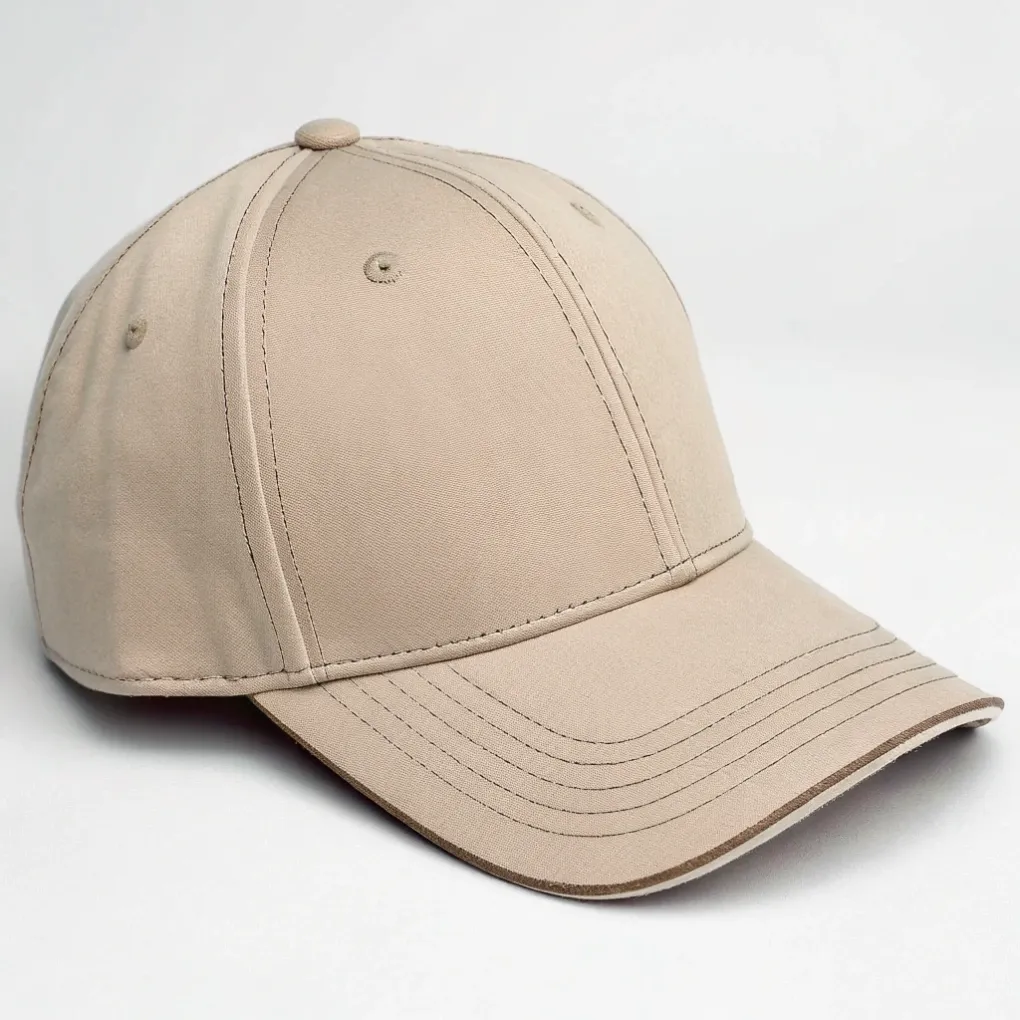
Why Is a Custom Baseball Cap the Ultimate High-Impact Brand Asset?
Are you tired of spending marketing funds on promotional items that get tossed in the trash or forgotten after a single event? Slapping a crowded logo onto a stiff, uncomfortable cap creates headwear that nobody wants to wear, wasting your investment and weakening your brand image.
A custom baseball cap is a high-impact brand asset that blends everyday fashion, long-term durability, and mobile brand visibility. When crafted with premium fabrics, balanced crown profiles, and clean embroidery, a custom cap becomes a daily wardrobe staple that delivers thousands of organic, real-world impressions over years of wear.
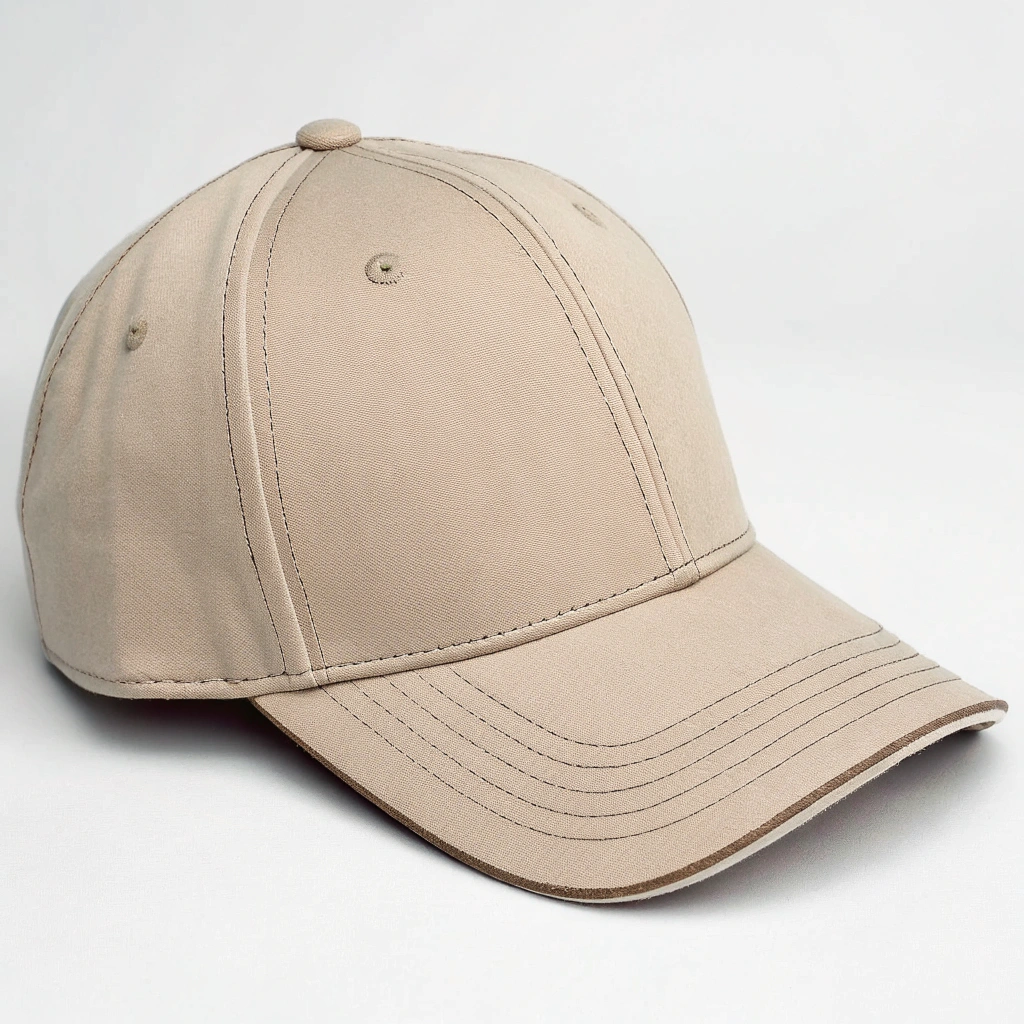
When I started my career in a humble printing factory, I saw businesses order rigid, ill-fitting caps with massive, scratchy logos that employees left behind in event halls. Later, I founded Latitude Experience Pte Ltd to help marketing managers and business owners design headwear and corporate gifts that people genuinely love to wear. A great custom baseball cap is not just a logo on a hat—it is a wearable representation of your community and values. Keep reading to learn how much custom hats cost, their profitability, and which hat styles dominate the market.
How Much Do People Charge for Custom Hats?
Are you unsure how to price your headwear line or confused by the wide price ranges quoted by embroidery suppliers? Miscalculating your decoration and blank costs can quickly eat into your profits or cause you to overpay for bulk orders.
People and businesses charge between $20.00 and $45.00+ for individual custom retail hats, while bulk wholesale production typically costs between $5.00 and $16.00 per cap. The final price depends on the quality of the blank hat, the decoration method (flat embroidery, 3D puff embroidery, or custom patches), total stitch count, and overall order volume.
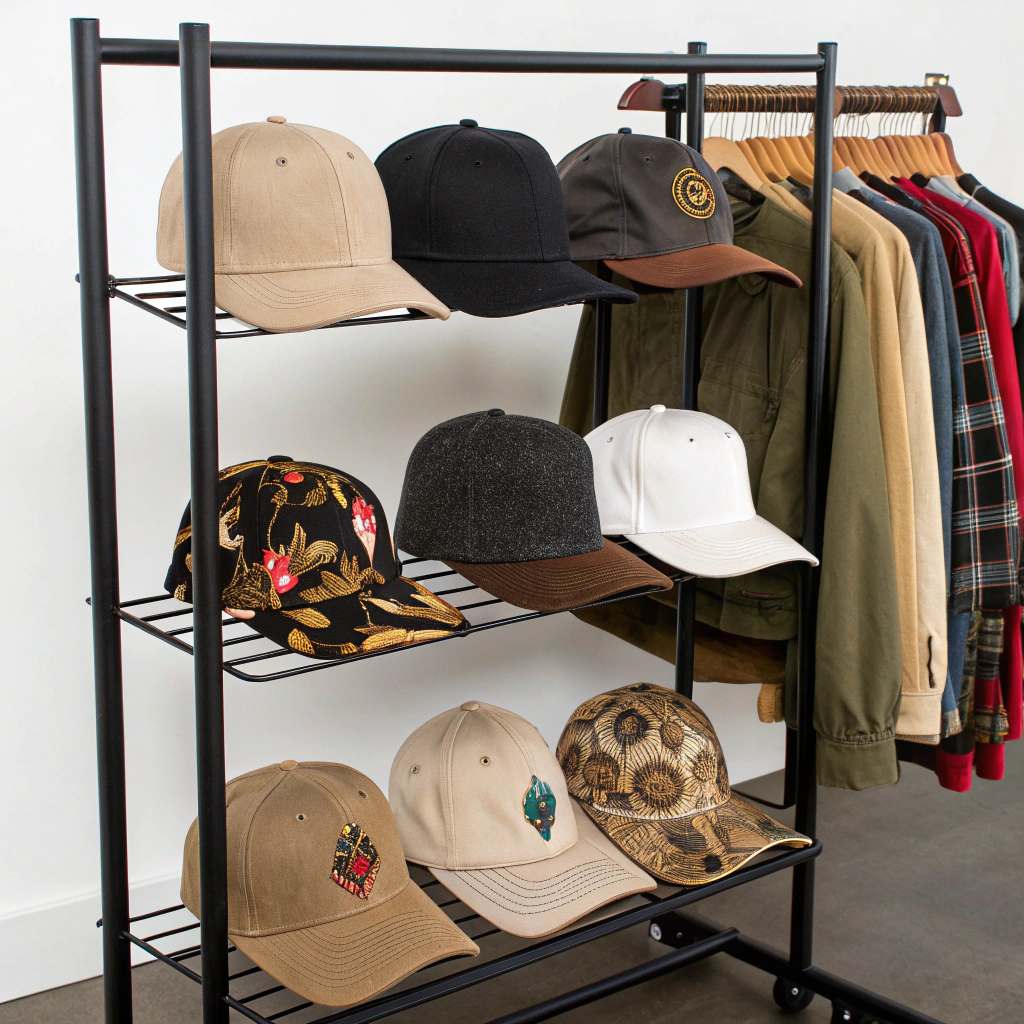
Factors That Determine Custom Hat Pricing
During my decades in product customization and apparel manufacturing, I have evaluated thousands of headwear cost sheets. The base blank cap accounts for roughly 40% to 60% of total production cost. Choosing a premium retail blank (such as Flexfit/Yupoong or Richardson) costs more upfront than a generic unbranded blank, but it commands a significantly higher selling price.
Decoration method also dictates pricing. Flat embroidery is standard and cost-effective, while 3D puff embroidery requires specialized high-density foam and slower machine speeds. Leather or woven patches require laser cutting and heat-seal or perimeter-stitching labor, which adds $1.50 to $3.50 per unit.
Order Quantity | Basic Flat Embroidery | 3D Puff Embroidery | Debossed Leather Patch | Typical Retail Selling Price |
|---|---|---|---|---|
12–47 Units | $11.00 – $15.00 / cap | $13.50 – $18.00 / cap | $14.00 – $19.00 / cap | $28.00 – $38.00 / cap |
48–143 Units | $8.00 – $11.00 / cap | $9.50 – $13.00 / cap | $10.00 – $14.00 / cap | $26.00 – $35.00 / cap |
144–499 Units | $5.50 – $8.00 / cap | $7.00 – $9.50 / cap | $7.50 – $10.50 / cap | $24.00 – $32.00 / cap |
500+ Units | $4.00 – $6.00 / cap | $5.00 – $7.50 / cap | $5.50 – $8.00 / cap | $22.00 – $30.00 / cap |
Balancing order quantities with high-perceived-value decoration techniques allows you to price your hats competitively while securing healthy margins.
Is Selling Custom Hats Profitable?
Are you wondering whether launching a custom headwear brand or merchandise line is financially viable in today’s crowded apparel market? Entering apparel sales without understanding margins and sizing dynamics can lead to unsold inventory and tied-up capital.
Yes, selling custom hats is highly profitable, with gross profit margins consistently ranging between 50% and 75%. Hats are among the most lucrative apparel categories because they have virtually zero sizing friction (one-size-fits-most adjustable straps eliminate the need to carry 5 to 6 different shirt sizes), lower return rates, and high perceived retail value.
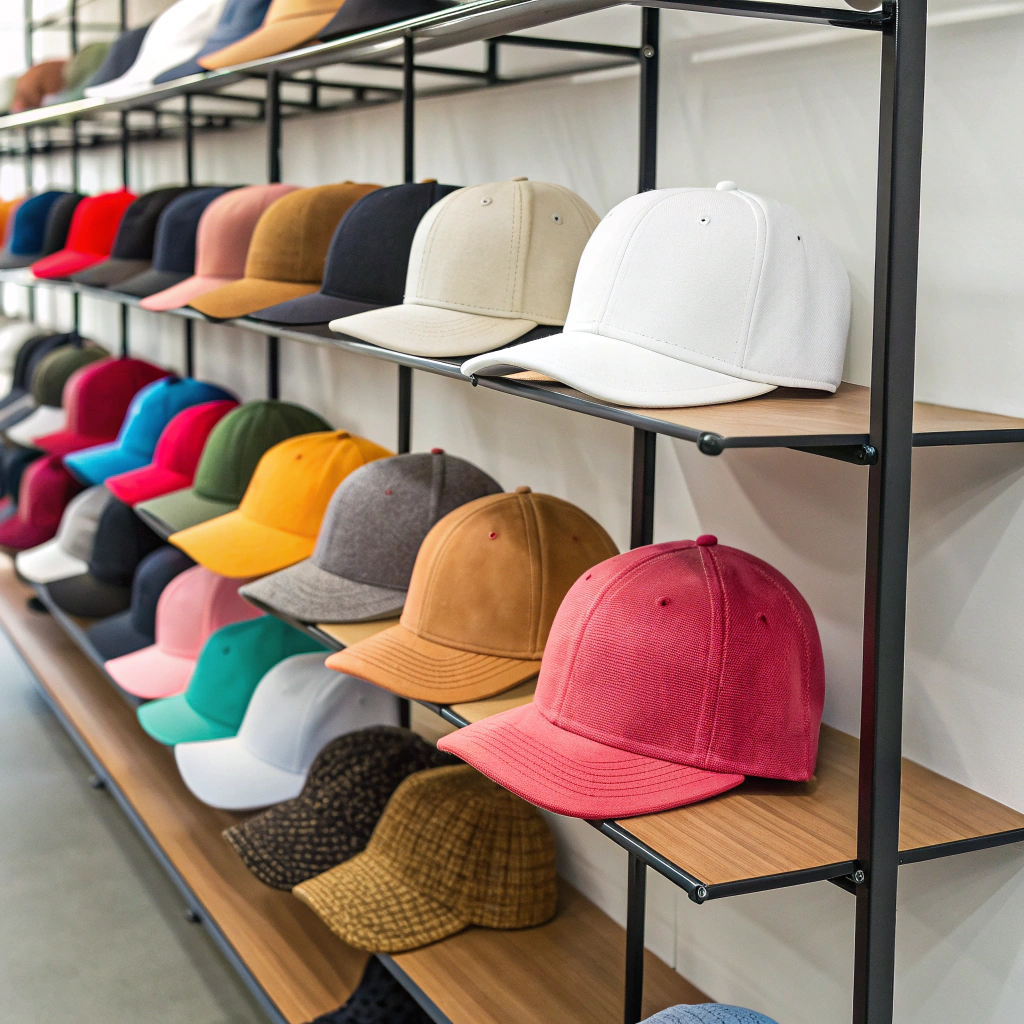
Why Headwear Outperforms Traditional Apparel Economics
At Latitude Experience Pte Ltd, marketing managers like Jacky frequently ask me why custom headwear delivers such a strong return on investment compared to standard T-shirts. With T-shirts, you must forecast the exact ratio of Small, Medium, Large, and XL sizes; leftover odd sizes represent lost profit.
Adjustable caps (featuring metal slide buckles, snapbacks, or Velcro closures) fit over 90% of adult head sizes. This makes inventory management straightforward and predictable. Furthermore, consumers view a well-crafted, structured cap as a permanent accessory rather than a disposable seasonal top, happily paying $30 to $40 for unique designs.
Business Model | Average Production Cost | Average Retail Price | Gross Profit Margin | Key Inventory Advantage |
|---|---|---|---|---|
Print-on-Demand (POD) | $14.00 – $18.00 | $28.00 – $34.00 | 45% – 55% | Zero upfront inventory risk |
Small-Batch Embroidery (50 pcs) | $8.00 – $11.00 | $26.00 – $35.00 | 60% – 70% | High quality, low capital outlay |
Bulk Direct Run (250+ pcs) | $4.50 – $7.00 | $25.00 – $38.00 | 70% – 82% | Maximum profitability & custom labels |
Bespoke Corporate Program | $6.00 – $9.00 | $18.00 – $25.00 (B2B) | 50% – 65% | Predictable bulk order volume |
Focusing on unique storytelling, premium base materials, and reliable closure hardware ensures strong cash flow and sustainable long-term brand loyalty.
What Type of Hat Sells the Most?
Are you confused by terms like trucker, dad hat, snapback, and 5-panel when planning your product lineup? Choosing an outdated or ill-fitting silhouette can leave your headwear sitting unsold on shelves.
The types of hats that sell the most are unstructured cotton dad hats and mesh-back trucker caps (specifically mid-profile styles like the Richardson 112 / Yupoong 6606). Together, these two styles account for the majority of global custom headwear sales, followed closely by structured snapbacks and lightweight performance athletic caps.
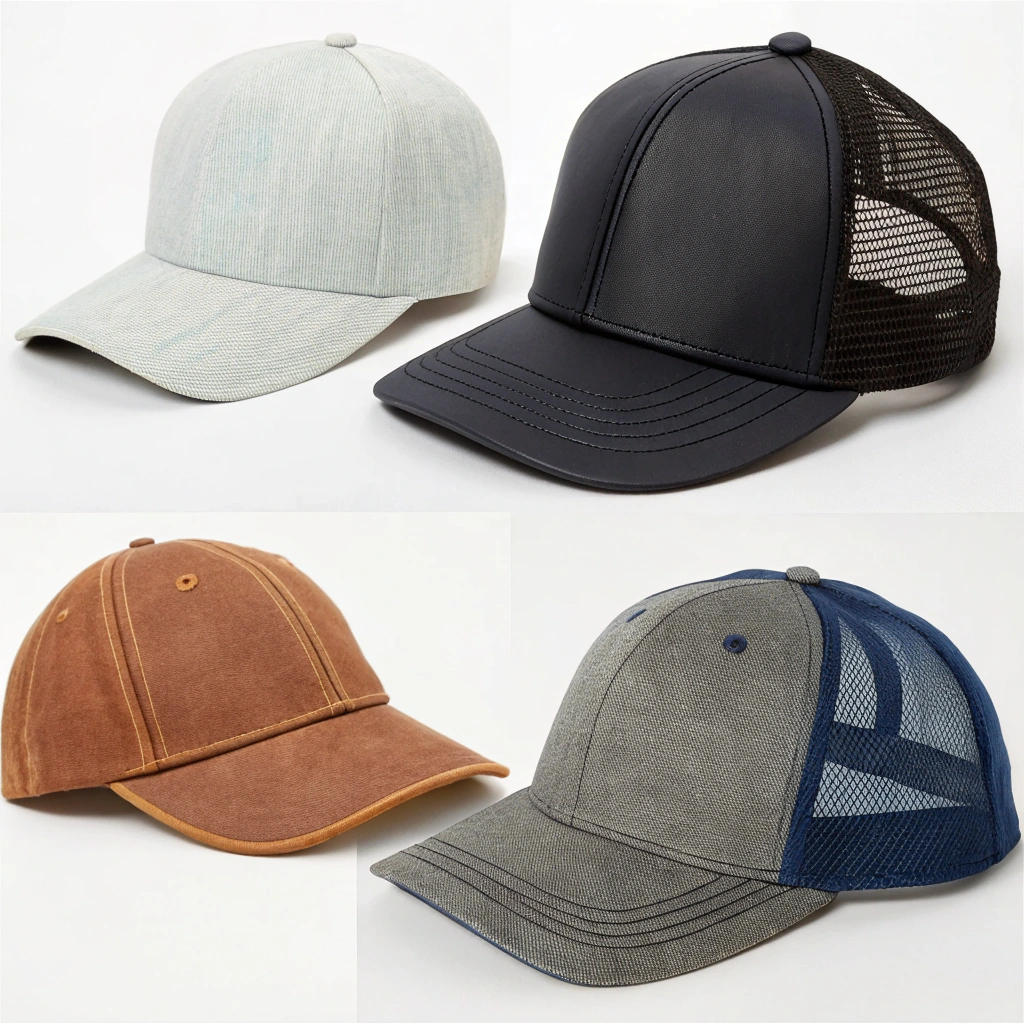
Analyzing the Top-Selling Headwear Silhouettes
In my factory inspection experience, crown structure and panel architecture dictate consumer appeal across different lifestyle segments:
- Unstructured Cotton Dad Hats: Soft, low-profile, 6-panel caps made from washed cotton twill. They feature a relaxed, floppy crown without buckram mesh backing. They are the top choice for casual streetwear, lifestyle brands, college campuses, and women’s everyday fashion.
- Mesh-Back Trucker Caps: Structured front cotton/poly panels paired with breathable polyester mesh rear panels and a pre-curved visor. They dominate outdoor, automotive, brewery, trade, and athletic markets.
- Structured Snapbacks: High- or mid-profile 6-panel caps with a rigid buckram front and a flat or slightly curved brim. They remain the gold standard in skate culture, streetwear, and team sports.
- Performance / Athletic Caps: Laser-perforated, moisture-wicking polyester caps with flexible sweatbands, popular among runners, golfers, and fitness communities.
Cap Style | Crown Profile | Panel Construction | Primary Target Audience | Best Decoration Style |
|---|---|---|---|---|
Unstructured Dad Hat | Low-Profile / Relaxed | 6-Panel (Curved visor) | Lifestyle, fashion, women, campus | Flat embroidery, subtle micro-text |
Trucker Cap | Mid-Profile / Structured | 5 or 6-Panel with mesh | Outdoor, trades, breweries, sports | Embroidered merrowed patch, 3D puff |
Structured Snapback | High / Flat Brim | 6-Panel rigid buckram | Streetwear, esports, music merch | Bold 3D puff embroidery, metal badge |
Performance Athletic | Low-to-Mid / Flexible | 5 or 6-Panel perforated | Runners, golfers, gym athletes | Reflective print, silicone rubber patch |
Selecting the silhouette that directly matches your audience’s daily habits ensures your custom cap becomes their favorite go-to accessory.
Essential Best Practices for Custom Baseball Cap Production
To make sure your custom baseball caps look retail-ready and feel comfortable from day one, follow these manufacturing guidelines:
- Simplify Artwork for Embroidery: Embroidery uses physical thread, not ink dots. Eliminate micro-gradients, drop shadows, and text smaller than 4.5mm (approx. 14pt). Clean, bold lines stitch faster and look significantly sharper.
- Match Decoration to Crown Structure: Rigid, structured caps support heavy 3D puff embroidery and large genuine leather patches effortlessly. Soft, unstructured dad hats look best with low-density flat embroidery or small, flexible woven labels that do not weigh down the fabric.
- Insist on Physical Pre-Production Samples: Never approve a bulk order of hundreds of hats based on a 2D digital mockup. Always inspect a physical sew-out sample to evaluate thread luster, stitch density, visor symmetry, and interior sweatband comfort.
- Prioritize Wearer Comfort Over Logo Size: A subtle 2-inch wide logo placed off-center or centered cleanly on a premium cap will be worn hundreds of times. An oversized, loud billboard logo will usually stay tucked away in a closet.
Conclusion
Custom baseball caps succeed when branding, durable fabrics, and ergonomic comfort work together as one cohesive product, turning everyday headwear into a profitable, long-lasting brand ambassador that people wear with pride.