Jul 9, 2026Services Overview
Why Is the Baseball Cap the Ultimate Global Icon of Everyday Fashion?
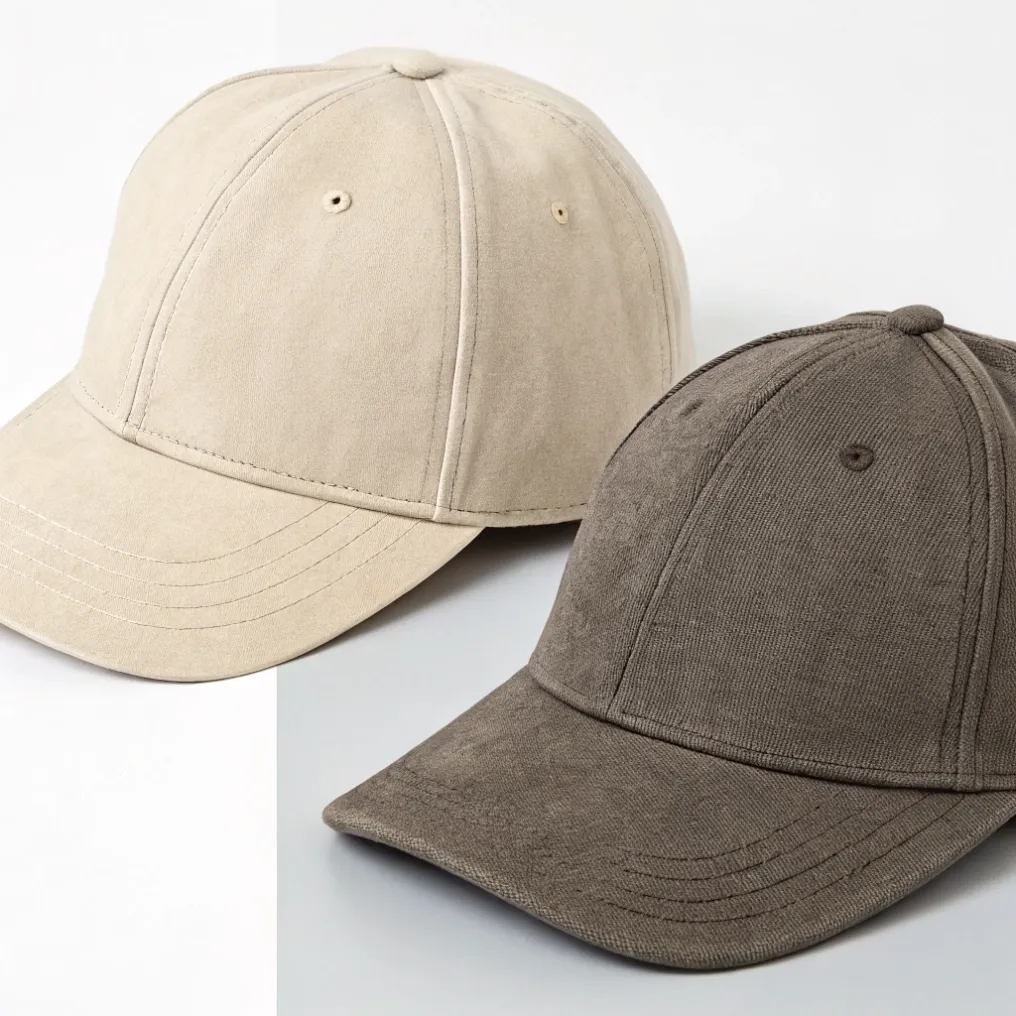
The baseball cap has become a global fashion icon by combining comfort, versatility, and timeless style, making it a staple accessory for everyday wear, branding, and self-expression.
Why Is the Baseball Cap the Ultimate Global Icon of Everyday Fashion?
Are you tired of buying promotional items that your clients look at once and leave behind in their office drawers? Giving away useless merchandise wastes your marketing budget and fails to connect with your audience.
The baseball cap solves this problem by combining instant daily utility with a powerful, highly visible canvas for your brand identity. It protects the eyes from harsh sunlight while serving as a casual, comfortable accessory that people choose to wear voluntarily for years.
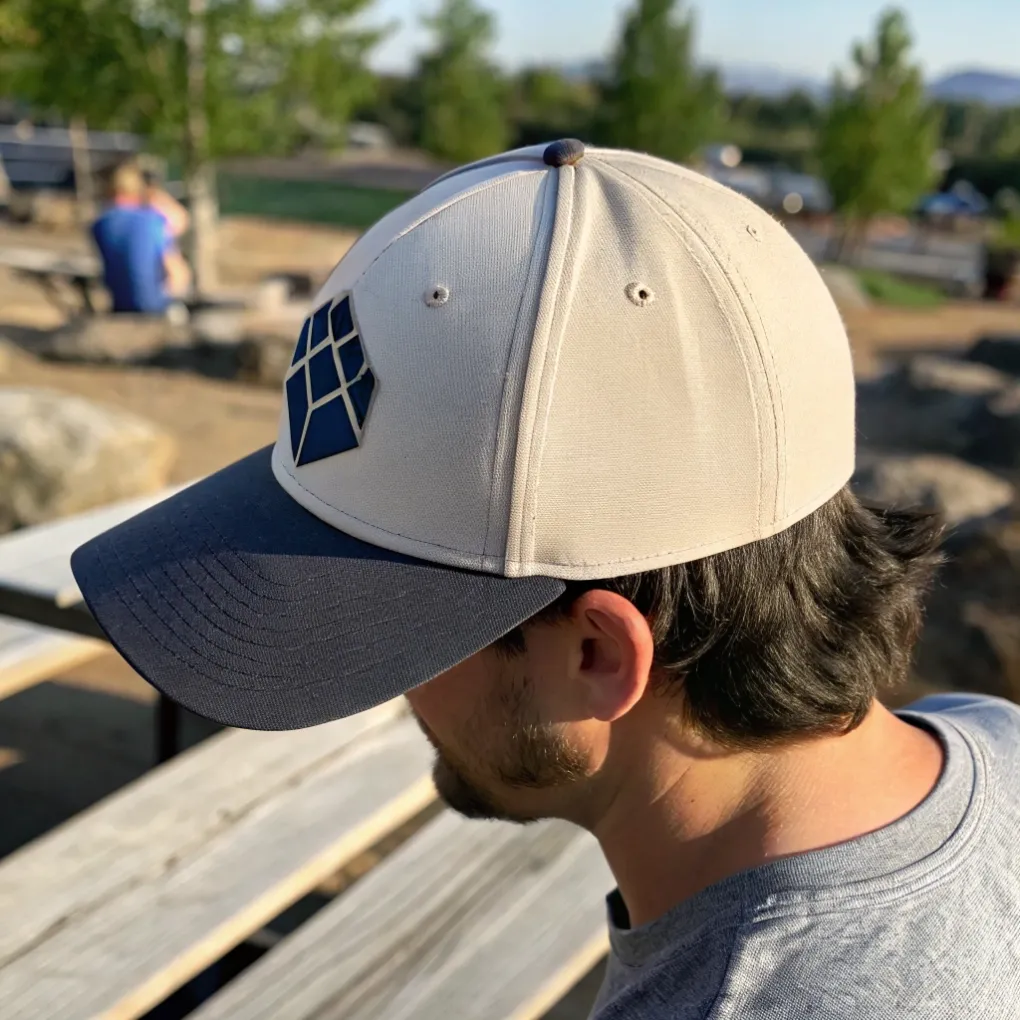
When I worked on the production floor of a printing factory, I realized that headwear occupies the most valuable real estate in the entire branding world. A cap sits directly at eye level during every single face-to-face human interaction, making it more visible than a shirt, a bag, or a pen. Originally built as functional sportswear, it has evolved into a timeless daily companion that effortlessly bridges the gap between active utility and contemporary lifestyle fashion. It allows people to express their achievements, loyalties, and personal culture without appearing overly formal or forced. If you want to understand how a simple sports accessory can build a real community around your brand, let us explore the core facts.
Why Is It Called a Baseball Cap?
Are you wondering how a single piece of field sportswear managed to break out of the stadium and dominate the global retail fashion industry? The history of modern headwear can feel confusing when you do not know where the design choices started.
It is called a baseball cap because it was specifically created in the mid-nineteenth century for the Brooklyn Excelsiors baseball team to keep the sun out of players' eyes. The functional design featured a long front brim and a rounded crown that quickly became the official standard for the sport.
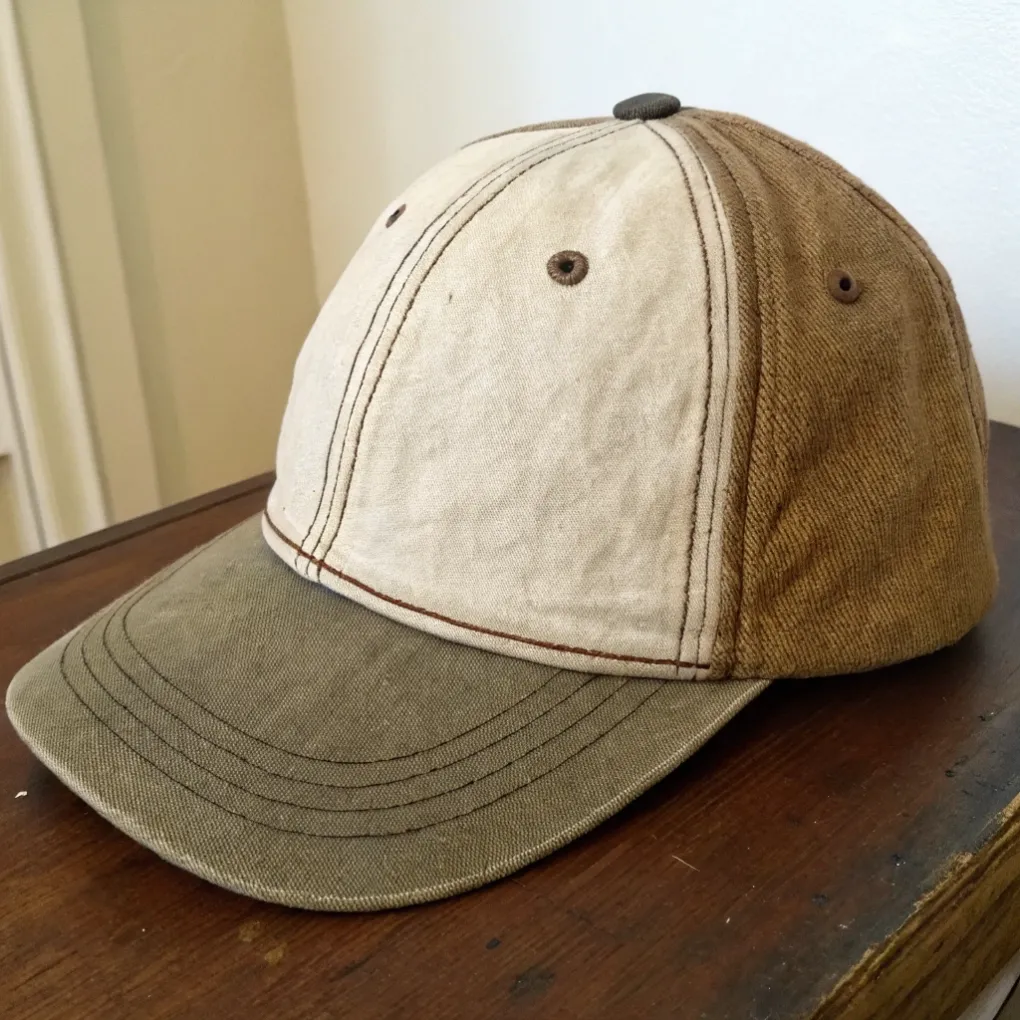
In my years managing corporate merchandise lines at Latitude, I always love sharing the origin story of the products we customize every day. Before the 1850s, baseball players actually wore straw hats or brimless caps that offered zero protection from the blinding afternoon sun during a game. The introduction of the structured cloth cap with a stiff front visor completely changed how athletes performed on the field, allowing them to track high balls safely. As the sport grew into America's favorite pastime, fans started wearing the exact same headwear outside the stadiums to show their deep loyalty to their favorite home teams. To help your marketing team see how this sports gear transformed over the decades, I have outlined the historical timeline below.
Evolution Timeline of the Baseball Cap
Historical Era | Key Design Modification | Cultural Impact | Brand Purpose |
|---|---|---|---|
1850s to 1900s | Introduction of raw wool fabric and long visors | Standardizes player uniforms on the field | Identifies specific sports clubs |
1950s to 1980s | Addition of internal latex reinforcing structures | Caps enter regular Hollywood movies and youth culture | Displays emerging lifestyle logos |
1990s to 2000s | Rise of the snapback and adjustable plastic closures | Streetwear brands adopt the look globally | Becomes a staple music and sports icon |
2010s to 2026 | Use of recycled ocean plastics and organic cotton | Merges high fashion with strict environmental values | Communicates modern corporate culture |
Understanding this rich history shows that the cap is not a passing fashion trend; it is a permanent piece of global human culture.
Can Anyone Wear a Baseball Cap?
Are you hesitant to include headwear in your next corporate gift campaign because you worry it will not fit every employee or client in your diverse organization? Many buyers fear that head shape variations will make clothing items impractical.
Anyone can wear a baseball cap regardless of age, gender, profession, or social background due to its universally flattering shape and adjustable back closures. Modern manufacturing allows a single cap to fit comfortably on almost any head size using flexible plastic snaps, metal buckles, or elastic bands.
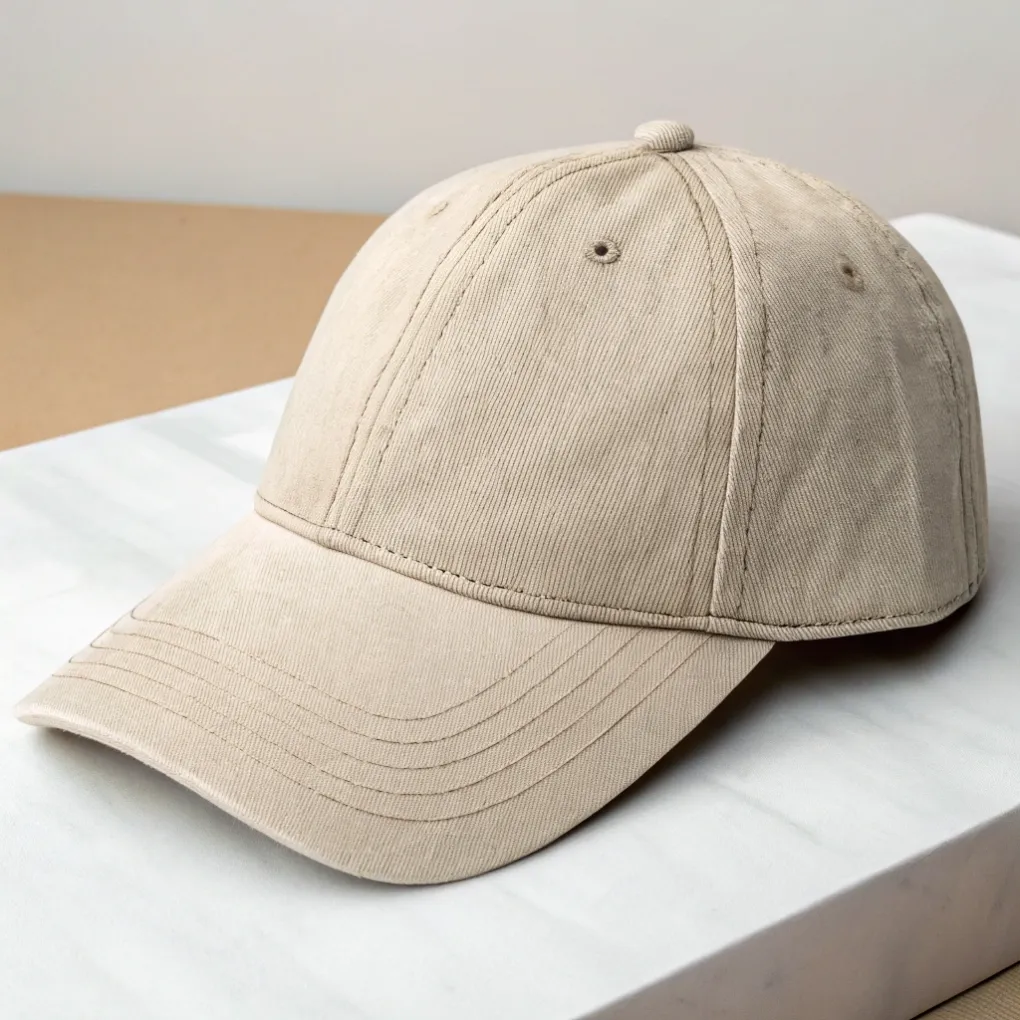
From my perspective as a branding consultant, the true magic of the baseball cap lies in its absolute democratic accessibility. Unlike luxury fashion accessories that rely on high prices and exclusivity to create status, a great cap looks excellent on a corporate CEO, a factory worker, an elite athlete, or a college student. It requires zero effort to style, simplifies an outfit instantly on a busy morning, and provides a sense of familiar comfort during outdoor travel. When you design a custom cap with an adjustable strap, you remove all the sizing guesswork that usually ruins corporate clothing orders. Let let us look at the most common adjustable backing styles that make these items truly one-size-fits-all.
Adjustable Backing Mechanisms
Backing Style Name | Material Component | Visual Style Vibe | Ideal Target Audience |
|---|---|---|---|
Plastic Snapback | Durable molded plastic tabs | Retro, athletic, streetwear | Youth events, sports teams, tech startups |
Metal Buckle Strap | Fabric matching strap with brass slide | Premium, executive, classic | Corporate gifts, golf clubs, luxury retail |
Hook and Loop (Velcro) | Synthetic micro-hook fabric fabric | Highly functional, casual | Industrial workers, outdoor marathons |
Flexfit Elastic | Internal spandex woven band | Seamless, modern, snug fit | High-performance gym trainers, athletes |
By matching the right closure to your target audience, you create a comfortable product that your clients will wear repeatedly in public.
What's the Difference Between a Baseball Cap and a Normal Cap?
Are you confused by the endless retail terminology and wondering what separates a true baseball design from flat caps, fedoras, or trucker hats? Buying the wrong headwear style can alienate your clients and mismatch your company's intended brand image.
The difference is that a baseball cap features a specific six-panel rounded crown that fits snugly against the skull, paired with a stiff, projecting front brim. Normal caps, like flat ivy caps or newsboy hats, use loose, unstructured wool or silk fabrics that drape forward without a rigid inner frame.
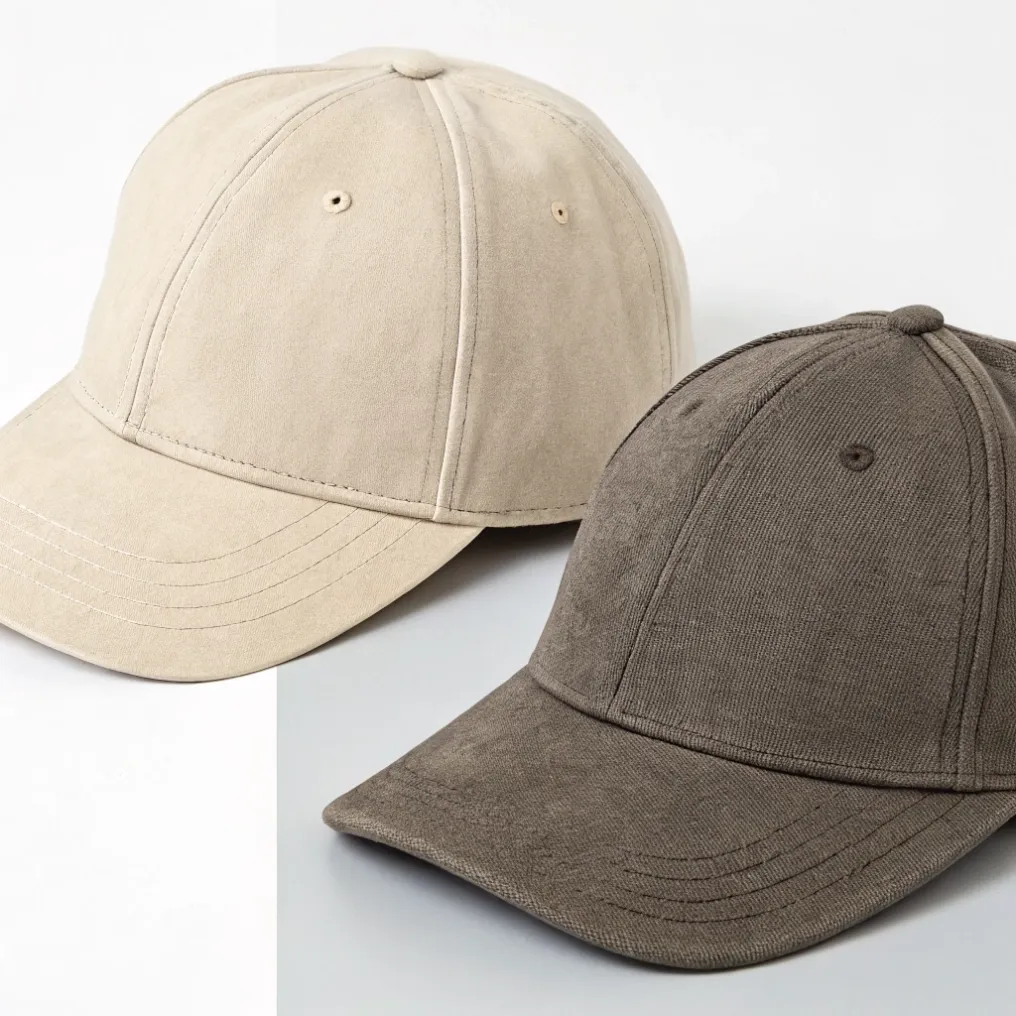
I remember a corporate client who wanted a unique hat for an upcoming outdoor golf tournament but ordered traditional flat baker-boy caps by mistake. The players found them way too hot for sports and complained that the short fabric edges did not block the intense glare of the sun. We helped them switch to a classic structured six-panel cotton baseball cap with embroidered ventilation eyelets for their next project, which completely solved the issue. The stiff brim of a baseball cap is specifically engineered to hold its shape against wind and rain while framing the face perfectly. Let us examine how the standard baseball structure compares to other common styles in the apparel industry today.
Headwear Structural Feature Comparison
Cap Classification | Crown Panel Construction | Brim Visor Style | Common Material | Crown Profile Shape |
|---|---|---|---|---|
Classic Baseball Cap | 6 rigid stitched panels | Long, curved, stiff core | 100% brushed cotton | Low to medium profile |
Trucker Hat | 2 foam panels, 4 mesh backs | Flat or slightly curved | Polyester and plastic | High profile, stiff front |
Flat Cap (Ivy/Gatsby) | Single piece or 8 wedge lines | Extremely short, covered | Wool tweed or heavy silk | Low profile, slants forward |
Camp / 5-Panel Hat | 5 wide boxy panels | Flat, flexible visor | Ripstop nylon or canvas | Low profile, squared look |
By understanding these structural engineering details, your team can choose the exact design that maximizes daily comfort and highlights your custom logo beautifully.
Conclusion
The baseball cap remains a timeless global icon because it perfectly balances functional sun protection with personal identity expression, transforming an ordinary sports accessory into a powerful, long-lasting marketing tool.
I remember a corporate client who wanted a unique hat for an upcoming outdoor golf tournament but ordered traditional flat baker-boy caps by mistake. The players found them way too hot for sports and complained that the short fabric edges did not block the intense glare of the sun. We helped them switch to a classic structured six-panel cotton baseball cap with embroidered ventilation eyelets for their next project, which completely solved the issue. The stiff brim of a baseball cap is specifically engineered to hold its shape against wind and rain while framing the face perfectly. Let us examine how the standard baseball structure compares to other common styles in the apparel industry today.
Headwear Structural Feature Comparison
Cap Classification | Crown Panel Construction | Brim Visor Style | Common Material | Crown Profile Shape |
|---|---|---|---|---|
Classic Baseball Cap | 6 rigid stitched panels | Long, curved, stiff core | 100% brushed cotton | Low to medium profile |
Trucker Hat | 2 foam panels, 4 mesh backs | Flat or slightly curved | Polyester and plastic | High profile, stiff front |
Flat Cap (Ivy/Gatsby) | Single piece or 8 wedge lines | Extremely short, covered | Wool tweed or heavy silk | Low profile, slants forward |
Camp / 5-Panel Hat | 5 wide boxy panels | Flat, flexible visor | Ripstop nylon or canvas | Low profile, squared look |
By understanding these structural engineering details, your team can choose the exact design that maximizes daily comfort and highlights your custom logo beautifully.
Conclusion
The baseball cap remains a timeless global icon because it perfectly balances functional sun protection with personal identity expression, transforming an ordinary sports accessory into a powerful, long-lasting marketing tool.ball cap's enduring popularity comes from a unique combination of practicality, identity, and adaptability that few products can match.