Jul 9, 2026Services Overview
Why Is the Humble Canvas Bag Becoming the Ultimate Modern Lifestyle Statement?
The humble canvas bag has become a modern lifestyle statement by blending sustainability, versatility, and timeless design, making it a practical accessory that reflects conscious living and personal
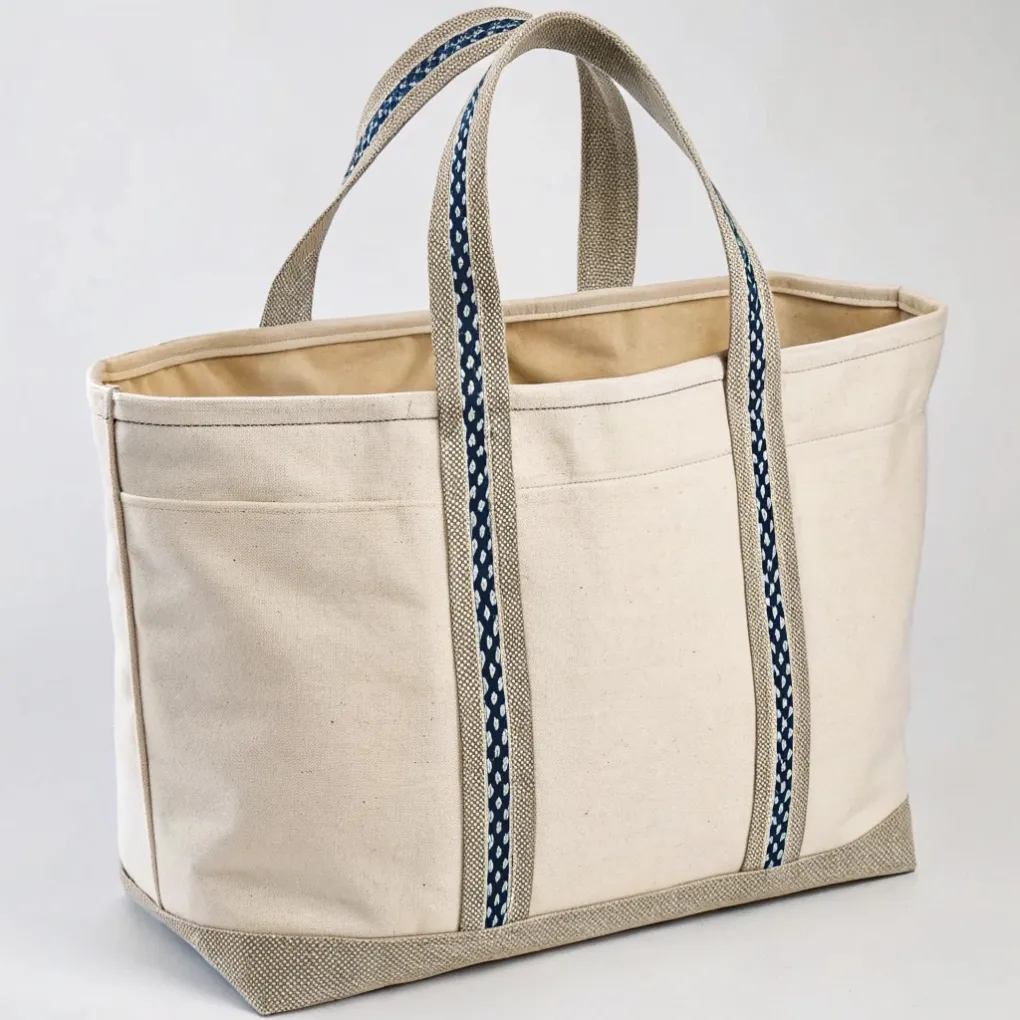
Why Is the Humble Canvas Bag Becoming the Ultimate Modern Lifestyle Statement?
Are your retail customers tossing out your plastic shopping bags immediately after their purchase, or are you tired of cheap packaging that rips open at the slightest pull? Single-use containers waste your marketing budget and damage your reputation.
The canvas bag solves this packaging crisis by providing an ultra-durable, endlessly reusable, and highly versatile carrying solution made from heavy-duty woven cotton. It effortlessly blends everyday practicality with a strong public commitment to eco-friendly living.
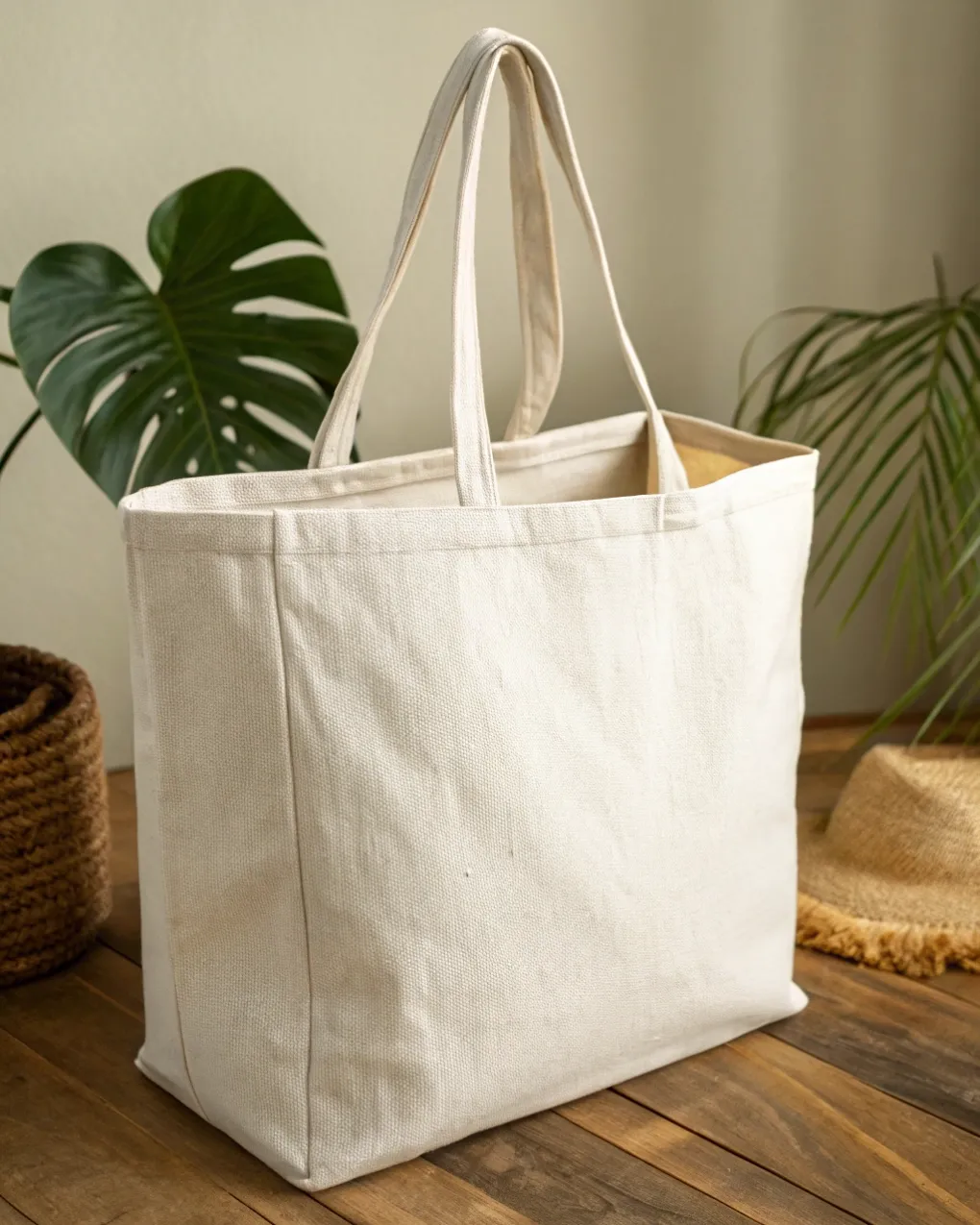
When I worked on the production floor of a printing factory, I noticed that canvas bags are treated entirely differently from standard paper sacks or plastic pouches. People do not throw them away; instead, a well-made canvas carrier becomes a deeply personal accessory that travels with them for years. It transitions naturally from a morning grocery run to an afternoon office meeting or a weekend beach trip, acting as a walking billboard for your brand. This remarkable versatility aligns perfectly with a massive global shift toward minimalism and conscious consumption. If you want to know how a simple fabric sack can transform your retail presentation and cut down on waste, let us break down the core facts.
What Is a Canvas Bag?
Are you feeling confused by all the different terms like canvas, cotton tote, calico, and denim when searching for custom retail packaging? Many business owners select fabrics that look identical in photos but feel rough, thin, or cheap in real life.
A canvas bag is a heavy-duty, plain-woven fabric container made primarily from thick cotton yarn or blended hemp fibers. It is defined by its characteristic tight cross-weave pattern, which provides immense strength, structural durability, and a distinct textured surface.
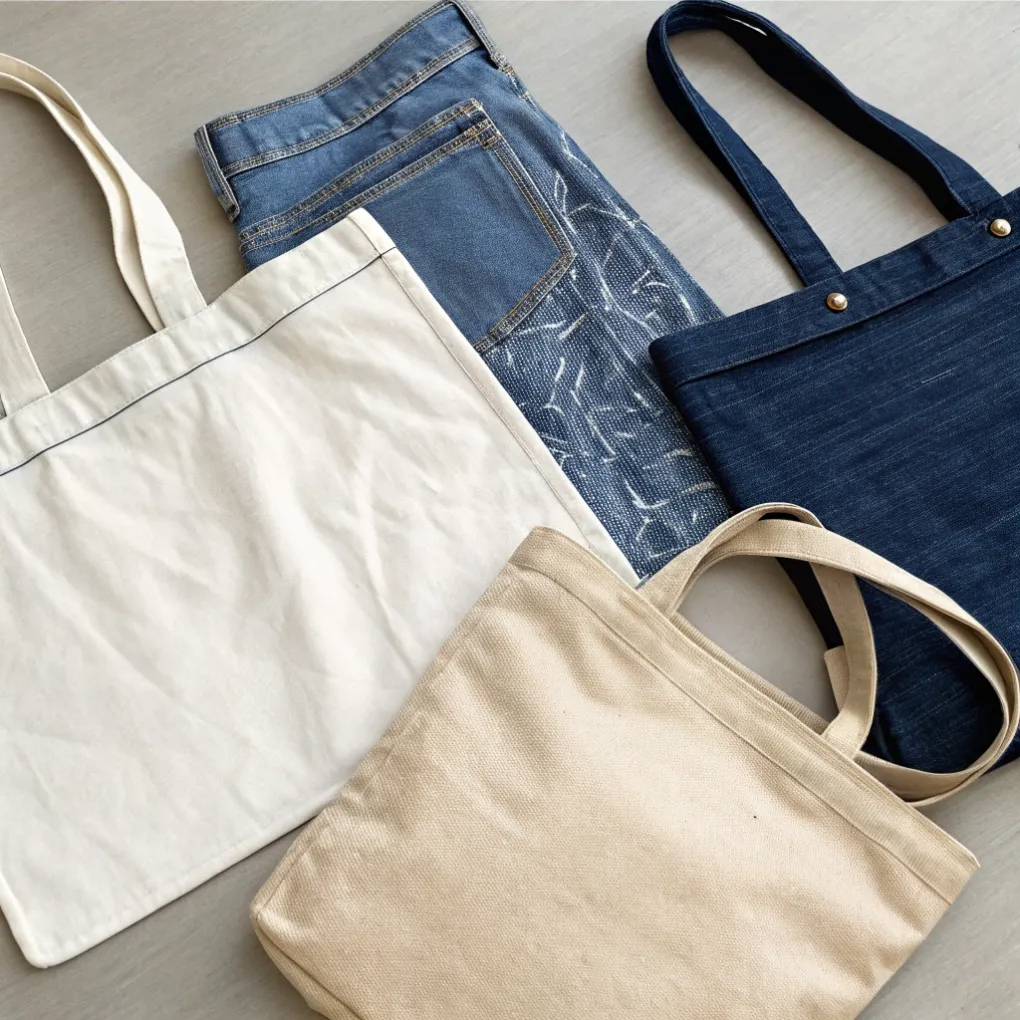
In my experience running product development teams at Latitude, I always explain that canvas is a specific weaving technique, not a completely different plant material. It uses double-twisted yarns woven tightly together, which is the exact same process historically used to manufacture rugged ship sails and military tents. This background explains why canvas can handle heavy loads, sharp corners, and frequent machine washing without losing its shape or tearing apart at the seams. For commercial corporate gifts, it offers an incredible flat canvas for sharp silk-screen printing, colorful embroidery, or deep digital logo transfers. To help you understand where canvas sits compared to other common retail fabrics, I have broken down the core material specifications below.
Textile Comparison Chart
Fabric Classification | Average Weight (Ounces) | Texture Feel | Primary Commercial Use |
|---|---|---|---|
Lightweight Cotton / Calico | 4 to 6 Oz | Smooth, thin, translucent | Event giveaways, dust bags, light clothing |
Medium Weight Canvas | 8 to 10 Oz | Soft yet structured, opaque | Grocery shopping bags, retail brand packaging |
Heavy-Duty Canvas | 12 to 16 Oz | Thick, stiff, very rugged | Premium laptop bags, fashion totes, tool gear |
Recycled Polyester (RPET) | 6 to 8 Oz | Slick, synthetic, water-resistant | Sports bags, promotional travel pouches |
Selecting a medium or heavy-duty weave guarantees that your custom packaging will look premium on retail shelves and survive daily wear.
What Is a Canvas Bag Used For?
Are you wondering if investing in premium fabric totes is worth it, or if your customers will actually use them after leaving your store? Many brands make the mistake of buying niche bags that only serve a single, limited purpose.
A canvas bag is used for an endless variety of daily activities, including carrying heavy grocery loads, packing school books, transporting work laptops, and organizing weekend travel gear. Its flexible, open-top design adapts instantly to whatever task your customer needs to tackle.

I remember a retail boutique client who hesitated to swap their custom paper bags for high-quality printed canvas totes because of the higher upfront unit cost. A few months later, they noticed their customers were using those exact branded totes as their primary daily work bags all around downtown Singapore. Because canvas bridges the gap between casual practicality and professional style, it enters spaces where traditional promotional packaging never could, like cafés, libraries, offices, and gym facilities. Each reuse extends your organic brand visibility to a wider audience while providing real, friction-free utility to the person carrying it. Let us look at how different industries utilize these multi-purpose carriers to improve their customer relationships.
Practical Applications Across Industries
Retail Industry Sector | Primary Usage Scenario | Value to the Consumer | Value to the Brand |
|---|---|---|---|
Organic Groceries & Food | Carrying heavy produce, jars, milk | Resists heavy weight without snapping | Projects an active, eco-friendly green image |
Corporate Office Teams | Storing laptops, notebooks, chargers | Lightweight alternative to bulky briefcases | Builds a cohesive, professional hybrid work culture |
Fitness, Gym & Wellness | Packing yoga towels, shoes, water | Easily washable when exposed to sweat | Extends brand marketing into high-end health clubs |
Aviation, Travel & Leisure | Acting as an airline cabin carry-on | Folds flat into tight luggage compartments | Gains massive international visibility in airports |
By offering a tool that fits naturally into every corner of modern life, your business transforms basic packaging into an indispensable personal asset.
Is a Canvas Bag Good Quality?
Are you worried that a canvas tote will shrink in the laundry, fade after a few weeks, or lose its structural strength over time? Many buyers are skeptical of fabric quality because they have experienced cheap promotional items that fall apart.
A high-quality canvas bag is exceptionally good quality, featuring reinforced cross-stitched handles, heavy-weight fabric blocks, and overlocked internal seams that prevent fraying. It easily outlasts paper or plastic alternatives, remaining fully functional for hundreds of washing cycles.
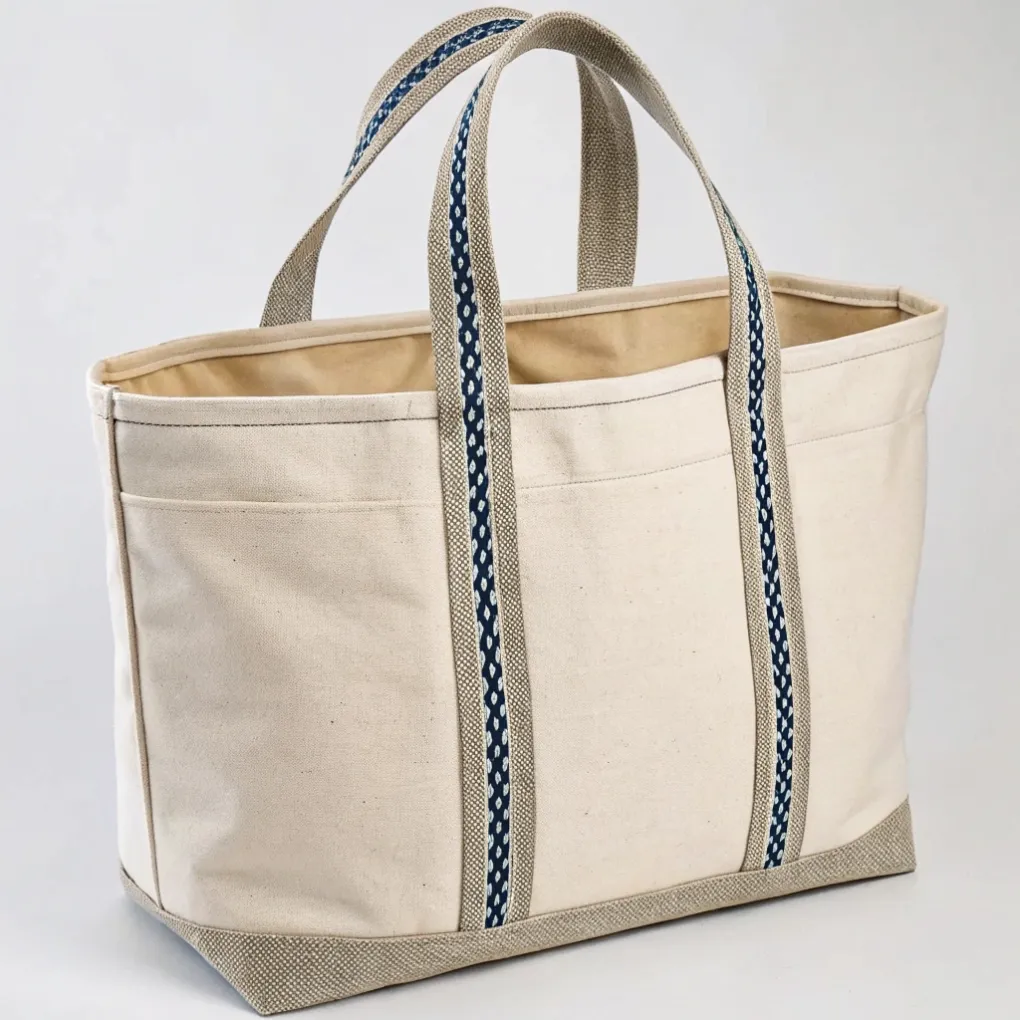
When I run quality inspections in our warehouse, the first thing I check is the stitching pattern where the handle connects to the main body of the bag. A premium supplier never relies on a single line of thread; they use a secure box-stitch method to distribute heavy weight evenly across the fabric face. True sustainability depends entirely on this level of durability because a reusable bag only helps the environment if it stays in circulation for a long time. Investing in top-tier construction keeps your logo looking crisp and prevents your packaging from ending up in a trash heap. Let us look at the key quality indicators you must inspect before finalizing a bulk wholesale fabric order.
Quality Inspection Checklist
Component Inspected | Poor Quality Indicators | Premium Quality Standards |
|---|---|---|
Handle Stitching | Single straight line, loose threads | Box-X reinforcement pattern, heavy nylon thread |
Internal Seams | Raw exposed edges, visible fraying | Overlocked, bound, or double-folded interlocking seams |
Fabric Density | Thin weave, you can see light through it | Tight, dense plain-weave that stands upright easily |
Logo Print Finish | Cracking paint, bleeding ink lines | Smooth, flexible ink deposit or high-density embroidery |
By checking these essential construction details, you can confidently distribute a premium, high-impact product that reflects your company's dedication to long-term excellence.
Conclusion
The enduring success of the canvas bag stems from its ability to merge rugged durability with multi-purpose lifestyle utility, turning a simple carrying tool into an effective, long-lasting expression of your brand identity.