Jul 8, 2026Success Stories
Why Should Wholesale Paper Shopping Bags Be Viewed as a Strategic Brand Investment?
Wholesale paper shopping bags are a strategic brand investment, combining cost-effective packaging, strong brand visibility, and eco-friendly appeal to enhance customer experience and loyalty.
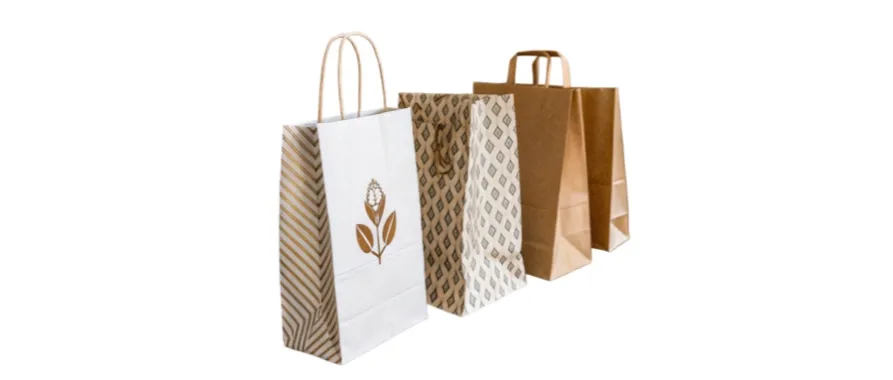
Why Should Wholesale Paper Shopping Bags Be Viewed as a Strategic Brand Investment?
Are you viewing your wholesale paper shopping bags as just a boring operational expense that eats into your monthly profit margins? Cutting corners on your packaging can hurt your customer experience and make your products look cheap.
Wholesale paper shopping bags act as a highly visible extension of your brand identity that travels through streets, offices, and shopping centers. Investing in well-constructed bags builds customer trust, reinforces your professional image, and creates free organic marketing.
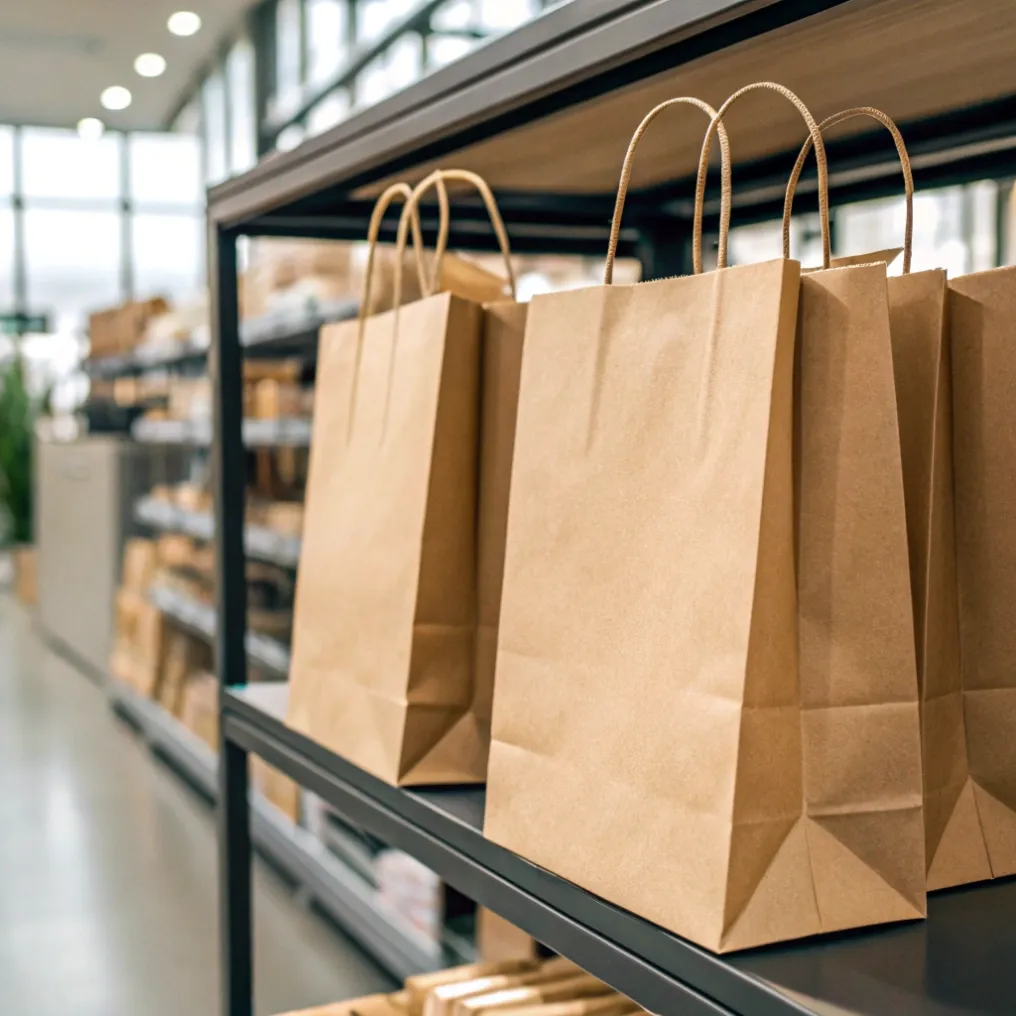
When I worked on the factory floor of a printing business, I watched thousands of retail bags roll off the machines every single day. I realized back then that customers never separate the packaging from the actual product inside. When you hand over a purchase in a sturdy, premium paper bag, that positive feeling naturally transfers to your merchandise. A physical bag stands out because it does not have to compete with endless digital ads on a screen. If you want to scale your business and understand how wholesale packaging drives real profitability, let me share my industry insights.
What Bags Are in Demand?
Are you struggling to keep up with changing retail trends and wondering which bag styles will actually impress your modern customers? Buying the wrong inventory can leave your warehouse full of outdated packaging that nobody wants to use.
The bags in highest demand right now are thick kraft paper bags with reinforced twisted handles, eco-friendly luxury rope-handle carriers, and minimalist die-cut grocery sacks. Retailers are actively searching for durable options that support heavy items and allow for multiple reuses.
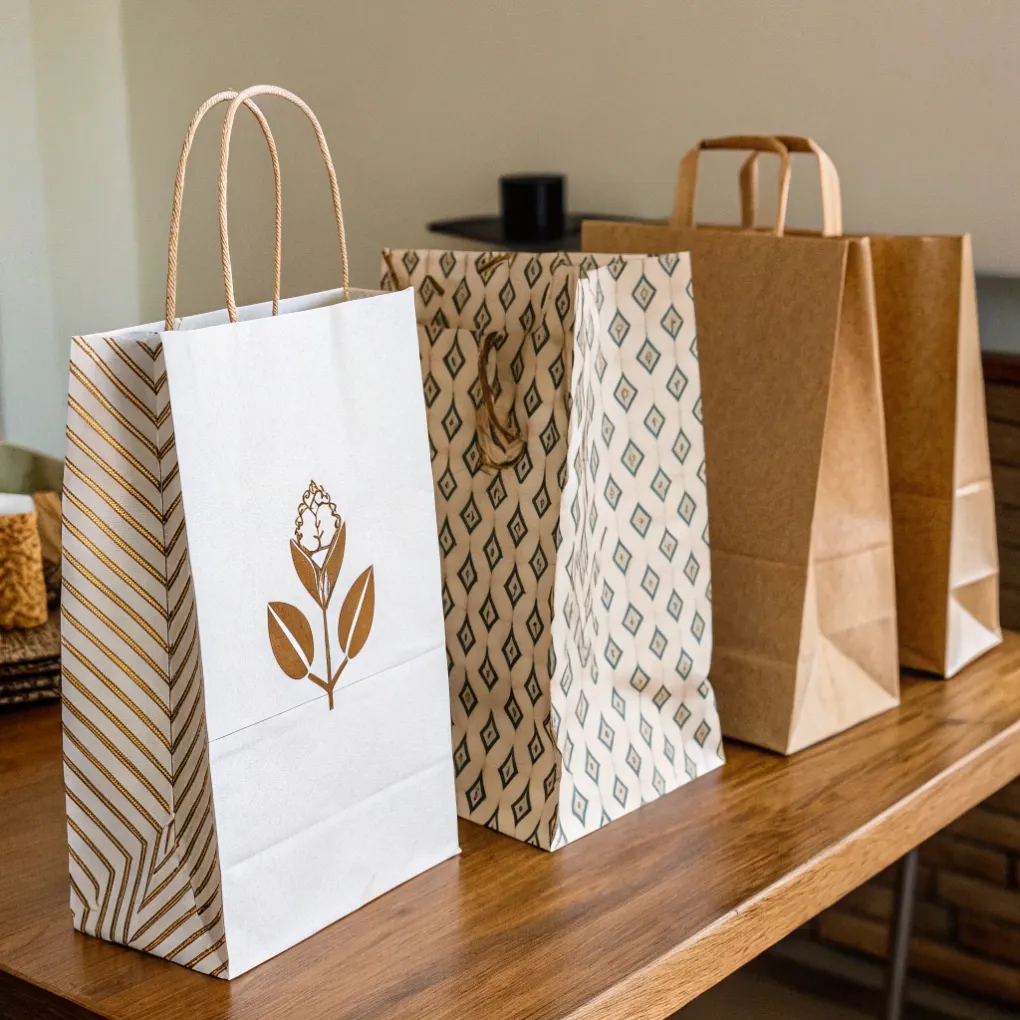
In my daily conversations with branding managers at Latitude, I see a massive push toward structural simplicity and texture. Businesses want packaging that feels premium to the touch, using unbleached raw materials or clean solid colors that make their logos pop. Flimsy plastic bags are fading away fast because modern shoppers prefer thick paper that stands upright on its own. If you want your retail brand to look current and trendy, you must stock the styles that match current consumer lifestyles. I have highlighted the top trending wholesale bag categories below to guide your inventory choices.
Current Packaging Demand Trends
Bag Style | Key Materials Used | Target Industries | Primary Reason for Demand |
|---|---|---|---|
Twisted Handle Kraft | 120 GSM recycled paper | Apparel, bookstores, cafes | High tensile strength and classic casual look |
Luxury Euro Totes | 180 GSM art card, cotton rope | High-end fashion, jewelry, gifts | Smooth matte finish, looks like a premium gift |
Square Bottom SOS Sacks | 80 GSM unbleached pulp | Food delivery, bakeries, takeout | Stands open easily for fast packing workflows |
Ribbon Handle Gift Bags | 150 GSM kraft, satin ribbon | Floral retail, cosmetics, boutiques | Soft handles add elegance for special events |
Aligning your wholesale orders with these high-demand styles ensures your customers keep your bags and reuse them around town.
Is Selling Bags Profitable?
Are you worried that entering the competitive packaging market is a financial risk with razor-thin profit margins? Many people assume that because paper bags are cheap to make, you cannot build a sustainable business selling them.
Selling bags is highly profitable when you focus on custom branding, bulk wholesale distribution, and specialized high-end retail niches. While plain brown sacks have low margins, customized logo bags offer high markups because businesses view them as marketing assets.
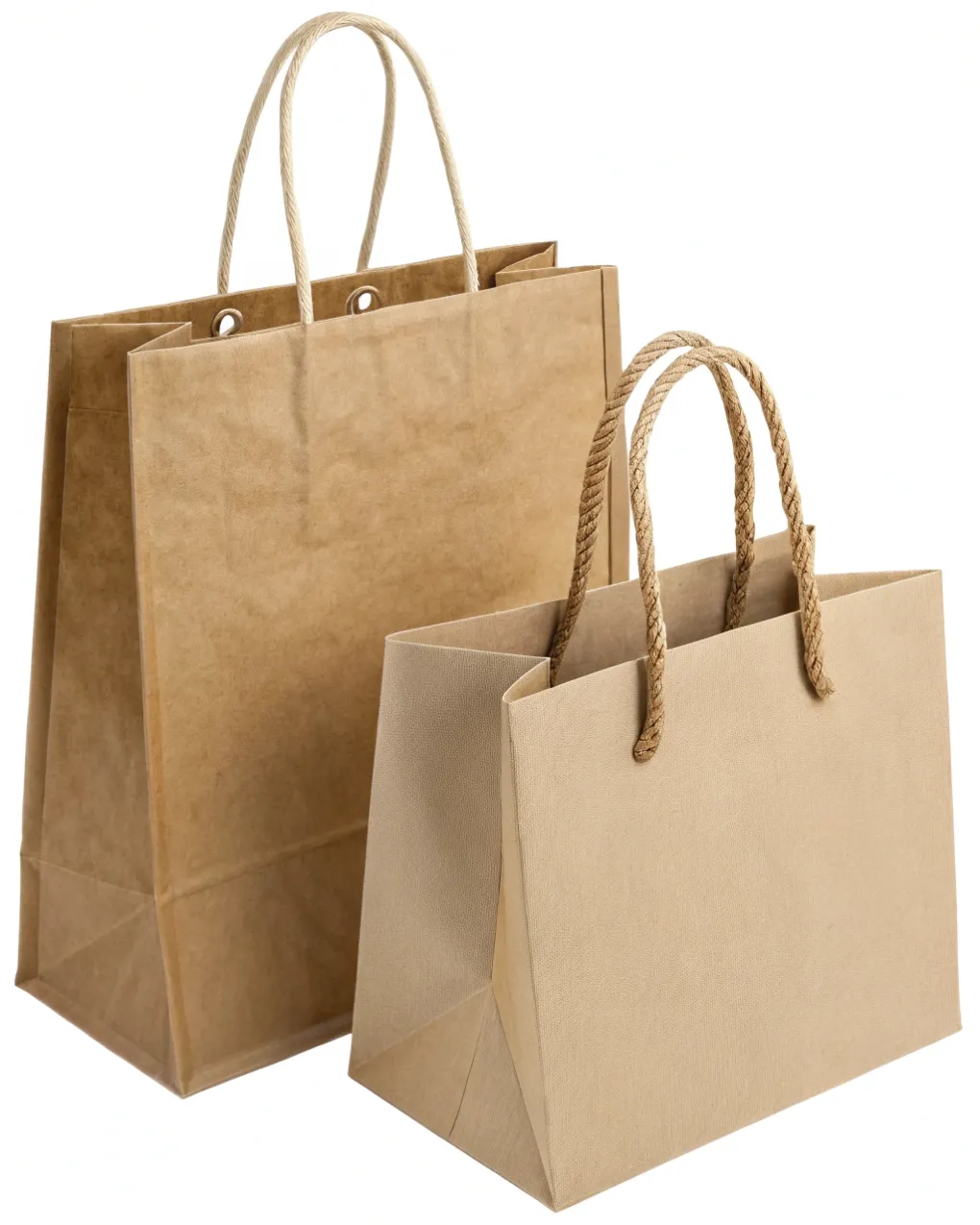
From my perspective as a business owner, the real profit in the gifting and packaging industry comes from the value-add services. When you offer custom printing, accurate color matching, and tailored size options, you stop selling simple commodities and start selling branding solutions. Retail stores are willing to pay a premium for reliability because a late bag delivery can completely ruin a product launch. By managing your factory costs and focusing on medium to large corporate orders, you can achieve excellent financial returns. Let let us look at the typical margin structure across different product segments.
Profitability Breakdown by Product Segment
Product Category | Customization Level | Average Profit Margin | Market Competition |
|---|---|---|---|
Plain Bulk Sacks | None (Stock items) | Low (5% to 10%) | Very high, price-sensitive |
Standard Branded Kraft | Simple 1-color logo print | Medium (20% to 30%) | Moderate, focus on speed |
Premium Gift Totes | Full color, custom handles | High (35% to 50%) | Lower, focus on design quality |
Eco-Luxury Line | Recycled art paper, hot stamping | Very High (50%+) | Low, relies on factory expertise |
Focusing your sales efforts on the custom and premium segments allows you to protect your margins and grow your revenue faster.
How to Start a Paper Bag Business?
Are you feeling overwhelmed by the technical setup, machinery costs, and supply chain logistics required to start your own packaging operation? Launching a manufacturing business without a clear roadmap can lead to expensive equipment mistakes and lost capital.
To start a paper bag business, you must secure reliable raw material suppliers, invest in a versatile automatic forming machine, and build an efficient digital printing workflow. Alternatively, you can start as a wholesale distributor by partnering with established factories to fulfill custom client orders.
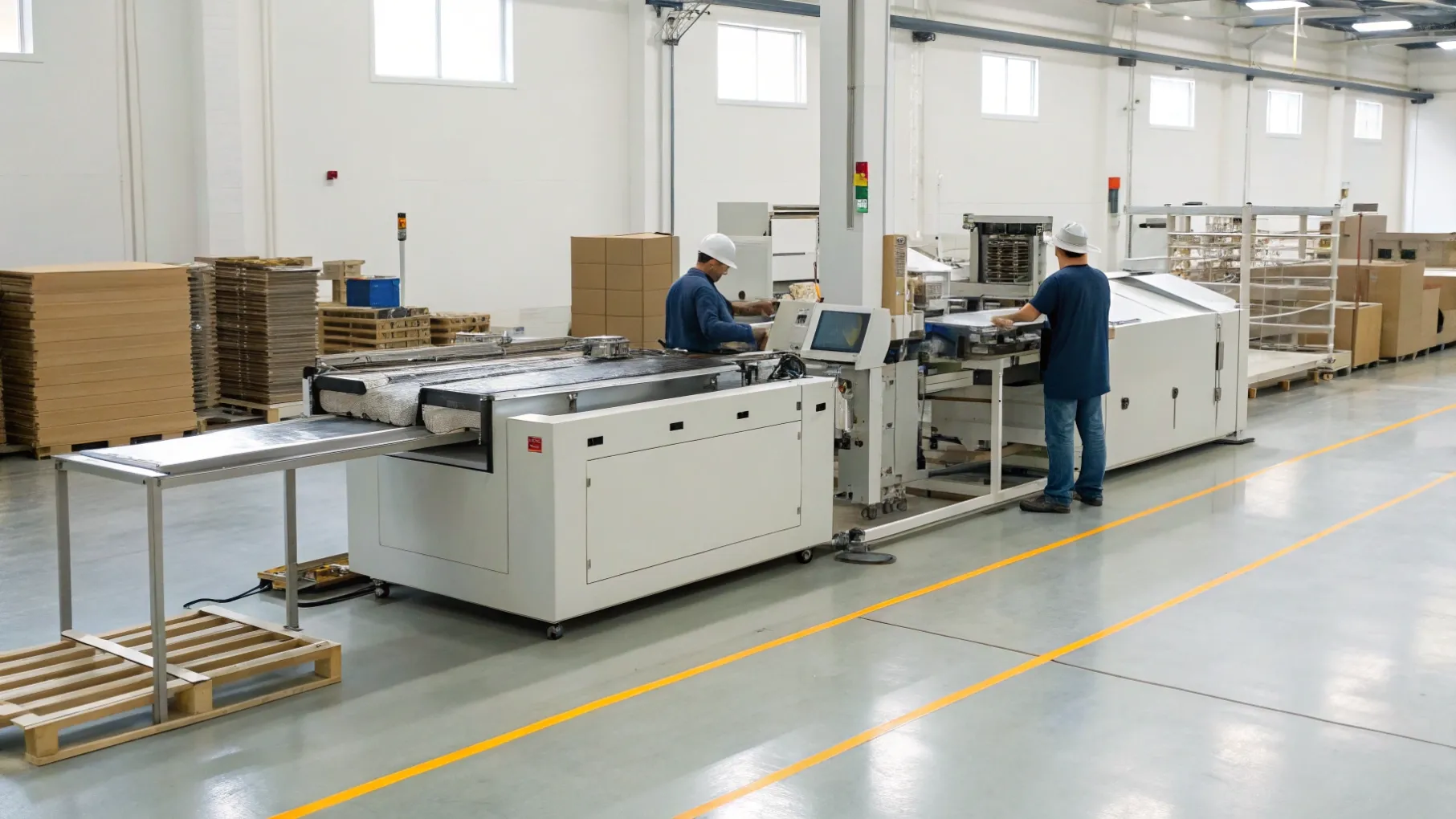
When I transitioned from working in a printing factory to founding Latitude, I learned that your supply chain is your absolute backbone. You do not necessarily need to own fifty massive machines on day one to be successful. You can start by building a strong network of trustworthy manufacturing partners who can deliver excellent print quality under your brand name. Focus your energy on client servicing, graphic design layout checks, and local marketing to find retail businesses that need help. To help you understand the foundational steps of setting up a packaging business, I have outlined the core checklist below.
Foundational Steps for a Packaging Business
Business Phase | Key Objective | Critical Action Items |
|---|---|---|
Phase 1: Setup | Define your market niche | Choose between factory ownership or wholesale distribution |
Phase 2: Supply | Secure material channels | Partner with paper mills for consistent GSM paper rolls |
Phase 3: Production | Establish printing capabilities | Set up flexographic or screen printing for custom logos |
Phase 4: Sales | Acquire your first clients | Target local boutiques, bakeries, and corporate event planners |
Mastering these steps allows you to build a reliable one-stop solution that keeps retail clients coming back for bulk reorders every year.
Conclusion
Wholesale paper shopping bags are powerful, cost-effective investments that drive organic brand visibility, enhance the perceived value of your products, and secure long-term client loyalty through everyday physical use.