Aug 18, 2026News & Insights
Would You Recommend Bullet Journaling?
Bullet journaling combines task management, mindfulness, and flexible planning to improve focus, reduce digital distractions, and organize daily priorities.
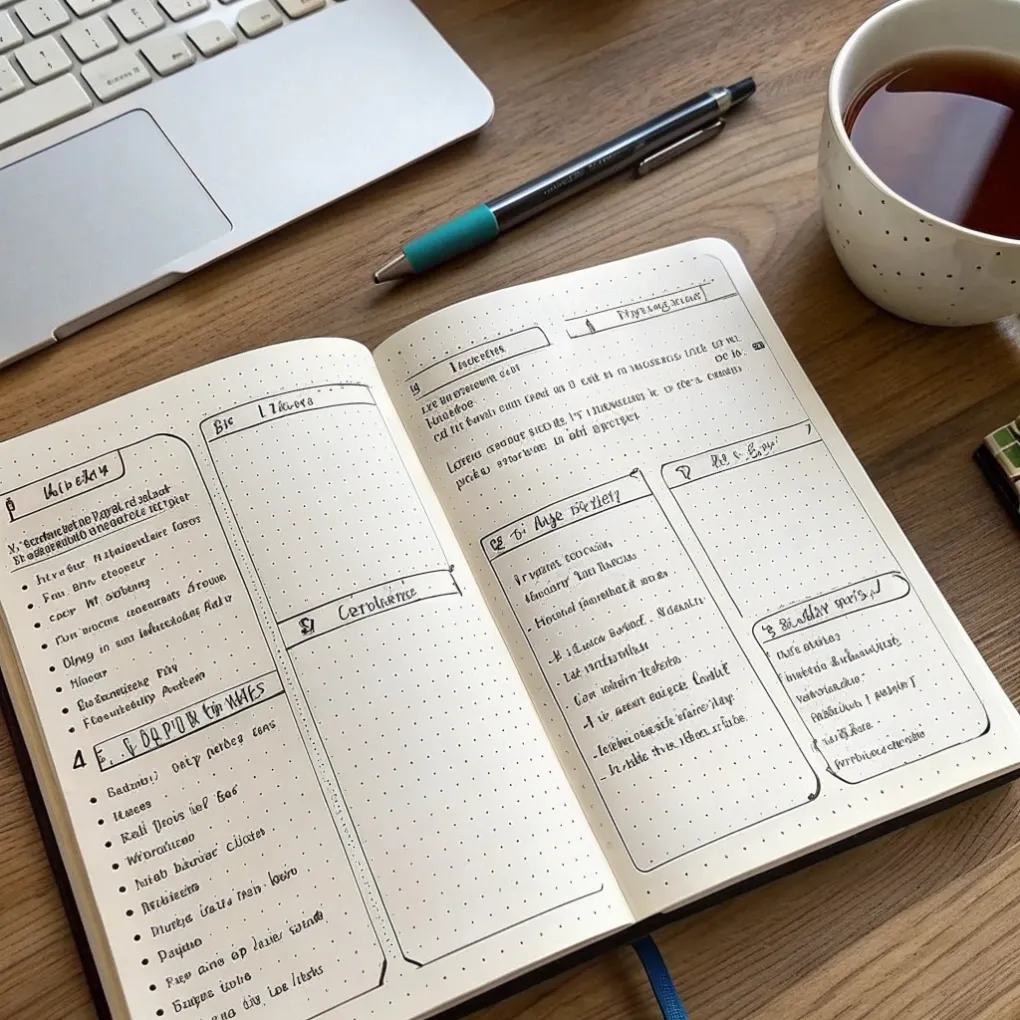
Would You Recommend Bullet Journaling?
Are you feeling overwhelmed by countless productivity apps, scattered to-do lists, and endless digital notifications? Relying solely on digital tools often leads to screen fatigue, fragmented focus, and forgotten priorities.
Yes, I recommend bullet journaling if you treat it as a practical productivity and mindfulness system rather than an artistic competition. The bullet journal method combines task management, habit tracking, and personal reflection into a single physical notebook, providing unmatched flexibility, mental clarity, and intentional focus.
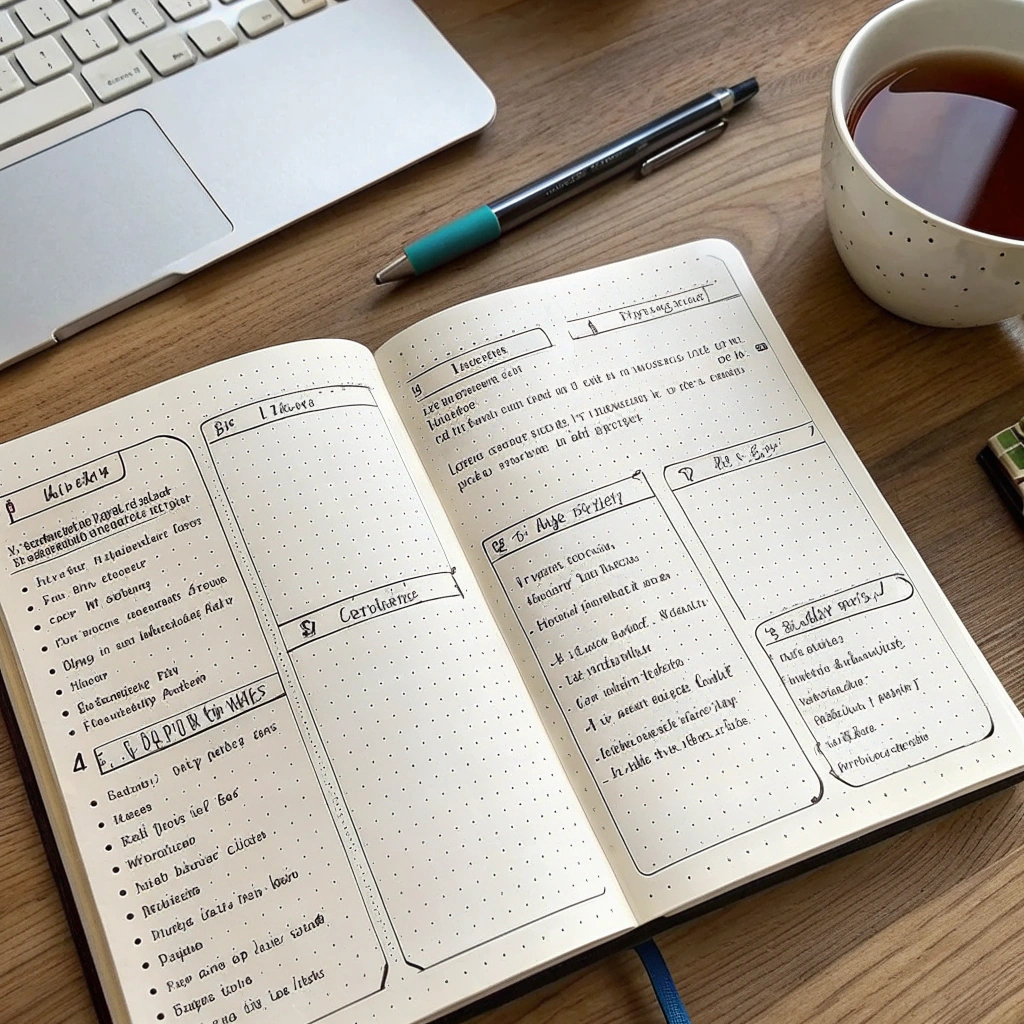
When I started my career in a humble printing factory, I saw how easily important notes and schedules were lost across loose slips of paper and rigid planners. Later, I founded Latitude Experience Pte Ltd to help professionals and marketing managers select durable, thread-sewn notebooks and lifestyle tools. Bullet journaling is not about elaborate calligraphy or hours of drawing spreads. It is an adaptable framework designed to organize your mind and reclaim your daily attention. Let us examine how bullet journaling compares to traditional methods, whether you should start, and how the 3-3-3 journaling method works.
Is Bullet Journaling a Better Option Than Regular Journaling?
Are you confused about whether to keep a traditional narrative diary or start a bullet journal for daily productivity? Choosing a journaling format that does not match your daily workflow leads to skipped entries and abandoned notebooks.
Bullet journaling is a better option if you need an actionable system that manages daily tasks, deadlines, and rapid notes in one place. Regular journaling is better if your primary goal is long-form emotional processing and stream-of-consciousness writing. Many people successfully combine both by logging tasks alongside brief reflective notes.
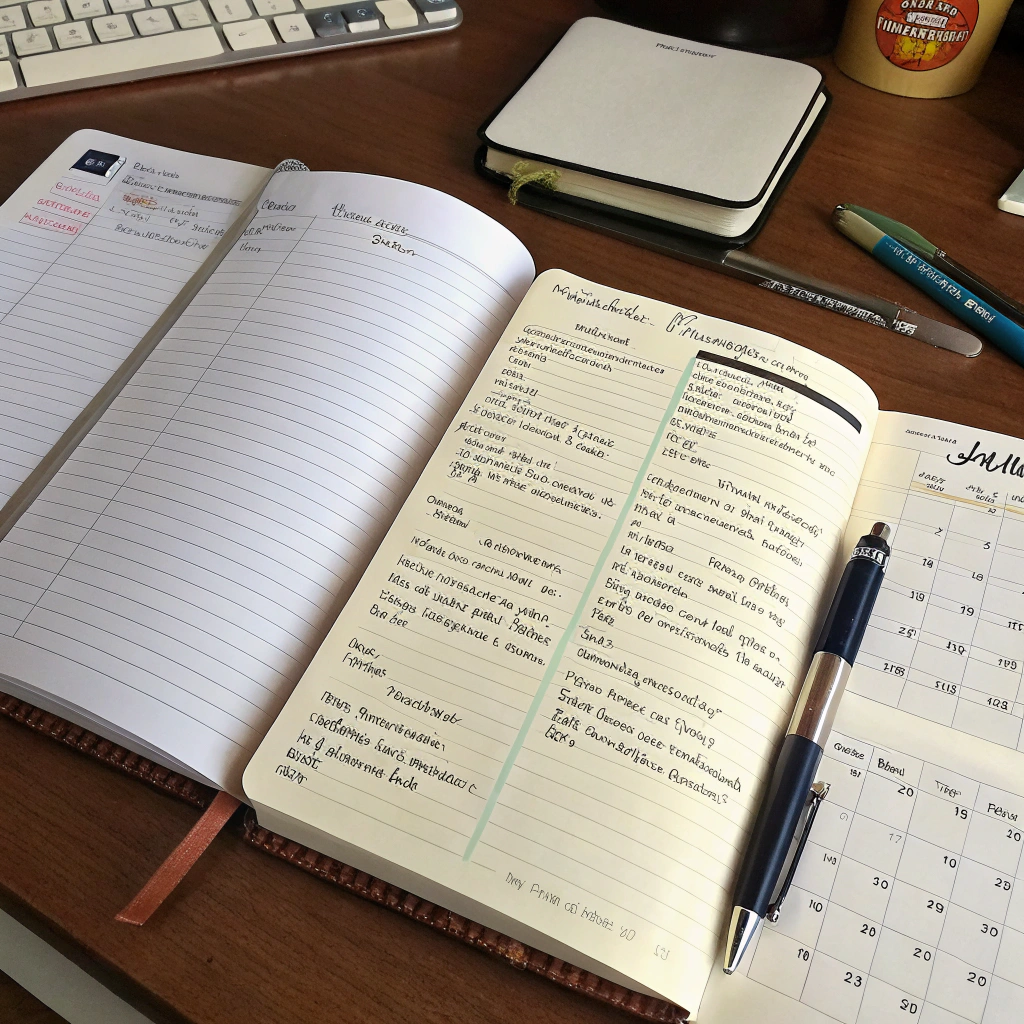
Comparing Organizational Systems: Rapid Logging vs. Long-Form Writing
During my decades working with custom stationery and notebooks, I have analyzed how different writing formats impact mental processing. Regular journaling focuses on paragraphs of reflective text, which is therapeutic but ineffective for tracking project deadlines or daily errands.
The original bullet journal system (developed by Ryder Carroll) uses “rapid logging”—a shorthand method consisting of bullet points for tasks ($\cdot$), dashes for notes ($-$), and circles for events ($\circ$). This rapid structure allows you to capture ideas in seconds without feeling pressured to write full essays every evening.
Journaling Dimension | Traditional Regular Journaling | Bullet Journaling (BuJo) |
|---|---|---|
Primary Objective | Emotional reflection & personal memory keeping | Task execution, habit tracking, & daily organization |
Formatting Style | Free-form, long-form paragraphs | Structured bullets, rapid symbols, & concise index |
Time Commitment | 15 to 45 minutes per entry | 2 to 5 minutes per rapid check-in |
Structural Flexibility | Open blank pages with no fixed index | Dynamic, modular layouts that evolve month to month |
Choosing bullet journaling gives you the speed and clarity required to navigate a demanding work schedule while leaving room for personal reflection.
Should I Start Bullet Journaling?
Are you hesitating to start bullet journaling because you see complex, artistic layouts on social media and worry you do not have the drawing skills or time? Assuming you need artistic talent to keep a bullet journal creates unnecessary friction and keeps you trapped in digital overwhelm.
You should start bullet journaling if you struggle with digital distractions, need a customizable planning system that changes with your life, or want a tactile space to organize your thoughts. You only need a blank dotted notebook and a pen to start—no drawing skills, stickers, or complex spreads required.

How to Start With a Minimalist Foundation
At Latitude Experience Pte Ltd, marketing managers like Jacky frequently ask me what stationery features support effective daily planning. A good journal needs high-density paper (80 to 100 GSM) to prevent ink ghosting, along with durable thread-sewn binding so the notebook opens flat at $180^\circ$.
When you start, keep your setup minimal. Avoid creating twelve habit trackers or complex weekly spreads right away. Begin with four core modules: an Index to locate notes, a Future Log for long-term dates, a Monthly Log for high-level goals, and a Daily Log for rapid task tracking.
Bullet Journal Core Module | Structural Purpose | Setup Time Needed |
|---|---|---|
Index | Table of contents at the front of your journal | 2 minutes (Update page numbers as you write) |
Future Log | 6-month or 12-month calendar for future events | 5 minutes (Divide 2 pages into 6 sections) |
Monthly Log | Dates on left page, monthly priorities on right page | 3 minutes at the start of each month |
Daily Log | Date header with rapid-logged tasks, events, & notes | Ongoing (Add tasks dynamically as they occur) |
Starting with this bare-bones system ensures your journal remains an efficient productivity tool rather than another overwhelming chore to maintain.
What Is the 3-3-3 Journaling Method?
Are you looking for a structured, time-efficient journaling framework that boosts your daily output without spending hours planning? Unstructured to-do lists become cluttered, making it difficult to identify high-impact work.
The 3-3-3 journaling method is a focused productivity framework where you allocate your workday into three distinct blocks: spending 3 hours on one primary high-impact project, completing 3 urgent shorter tasks, and finishing 3 maintenance or wellness activities.

Structuring Your Daily Focus With the 3-3-3 Rule
Throughout my career in production management and business growth, I have seen that productivity is about ruthless prioritization, not checking off twenty minor tasks. The 3-3-3 framework (popularized by author Oliver Burkeman) fits cleanly inside a daily bullet journal log.
By defining your 3-3-3 breakdown each morning, you protect your peak energy for deep work while ensuring administrative duties and personal health habits do not get neglected.
3-3-3 Category | Focus Scope | Practical Daily Example |
|---|---|---|
3 Hours on 1 Major Project | Deep work, uninterrupted strategic output | Writing a business proposal, coding a feature, designing a campaign |
3 Urgent Short Tasks | Tactical responsibilities & critical follow-ups | Responding to priority emails, client calls, approving proofs |
3 Maintenance Activities | Daily routines, wellness, and self-care | 30-minute workout, 10-minute desk cleanup, 20-minute book reading |
Writing down your 3-3-3 plan in your notebook every morning prevents burnout and ensures consistent, measurable progress on what matters most.
Conclusion
Bullet journaling is an effective productivity and mindfulness system that replaces digital distraction with intentional physical planning, adapting flexibly to your life through rapid logging, minimalist layouts, and focused methods like the 3-3-3 rule.